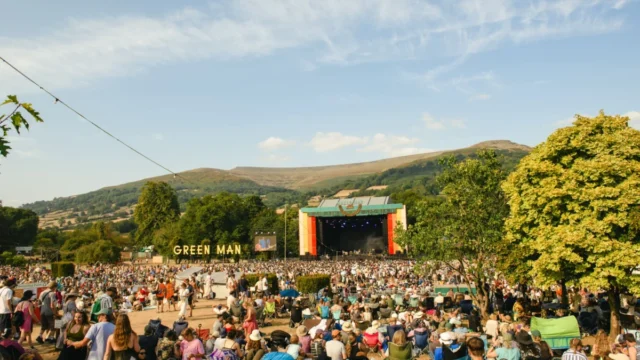
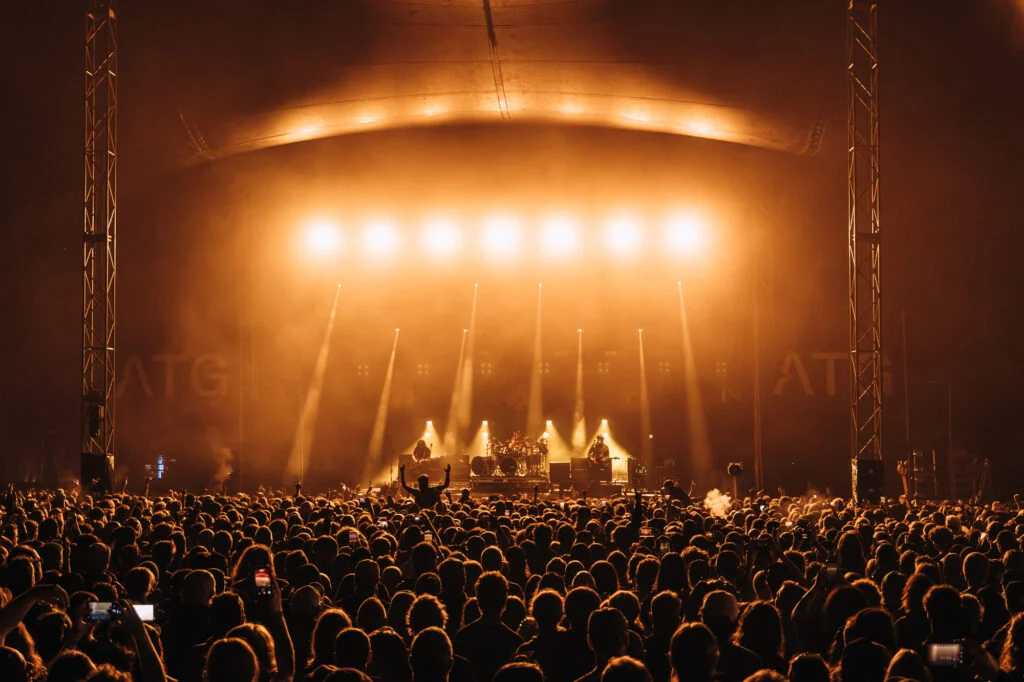
The impetus for this intervention traces back to a broader national conversation surrounding hearing health that gained momentum during Tinnitus Week 2026. Following successful pilot initiatives, including a notable presence at Download Festival, the movement toward "Safe Listening" moved from awareness-raising to direct implementation at the ArcTanGent site in the Mendips. The project sought to address a persistent challenge: how to maintain the sonic integrity and emotional impact of extreme metal, post-rock, and electronic music while mitigating the physiological risks associated with prolonged exposure to high-decibel environments.
The Mechanism of Change: Implementing WHO Standards
The World Health Organization’s standard, published to address the rising global prevalence of hearing loss, serves as a comprehensive framework for venue operators. At ArcTanGent, the implementation focused on four primary pillars: sound level monitoring, the availability of personal hearing protection, the provision of designated quiet areas, and specialized training for event staff through the HELA (Hearing Education and Learning Alliance) initiative.
For the duration of the four-day event, researchers from ManCAD monitored sound output across the festival’s four stages. This data collection was not merely a passive exercise; it involved continuous communication with sound engineers to ensure that the volume remained within a safe threshold for the audience, staff, and performers, without compromising the artistic output. This collaborative approach marks a shift away from the traditional adversarial relationship between noise regulation and creative freedom. Instead, sound technicians were treated as vital stakeholders in a collective effort to optimize the listener experience.
Accessibility and the Culture of Protection
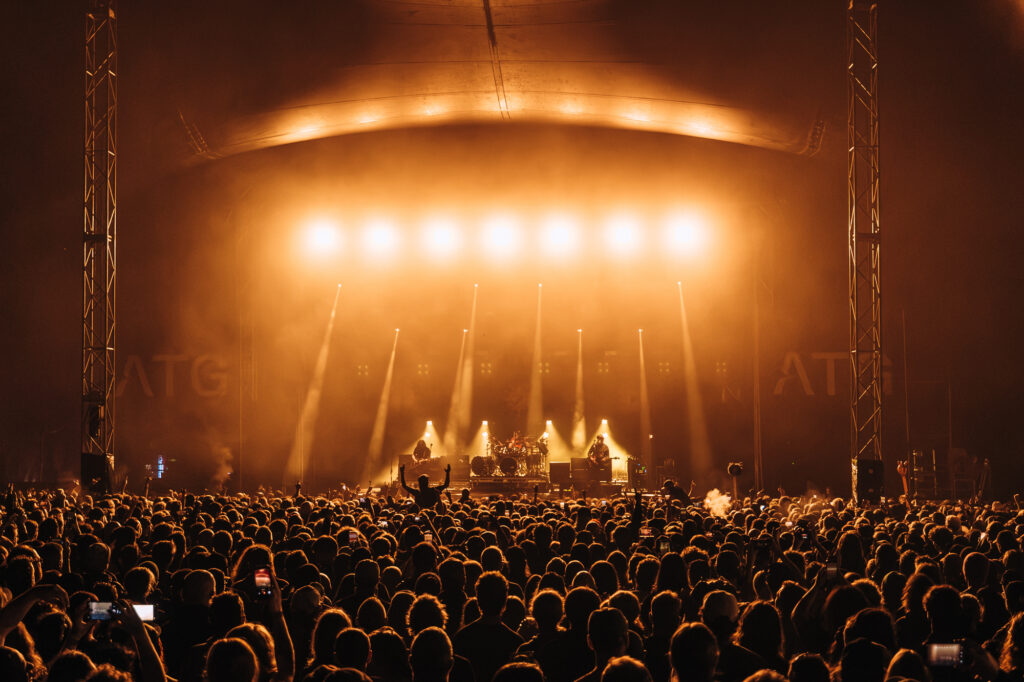
One of the most immediate shifts in the festival environment was the democratization of hearing protection. While high-fidelity earplugs have long been available to those who actively seek them out, ArcTanGent standardized the process by providing free, easily accessible foam earplugs at all stage barriers. Additionally, high-fidelity options—which offer a flatter frequency response to maintain sound quality—were made available for purchase at merchandising stands and the Metal For Good tent.
The result of this logistical change was a marked shift in audience behavior. Observational data collected by on-site volunteers revealed that more than 50% of the attendees were actively using hearing protection. Notably, the usage rate climbed significantly closer to the stage, suggesting that the audience is not only aware of the risks associated with high-decibel environments but is also willing to engage with preventative measures when those measures are friction-free.
Research and Real-World Application
The academic arm of the initiative, led by researchers from ManCAD, functioned as both an implementation team and an observational body. Throughout the weekend, researchers conducted interviews with a diverse demographic of stakeholders, including front-of-house sound engineers, touring artists, festival operations staff, and regular attendees.
The qualitative data gathered during these sessions provides a roadmap for the future of the industry. Preliminary feedback indicates that there is a high level of receptivity toward the WHO standards, provided they are communicated as a tool for enhancement rather than a mandate for silence. For the audience, the implementation of these standards translated into a cleaner, more controlled sound environment. Many attendees reported that the clarity of the music was arguably improved by the management of sound levels, effectively eliminating the "muddled" or "painful" auditory experience that can occur when sound systems are pushed beyond the limits of the human ear’s tolerance.
The Broader Implications for the Music Industry
The implications of the ArcTanGent trial are significant for the wider live music industry. With millions of people globally at risk of hearing loss due to recreational noise exposure—a phenomenon the WHO has formally recognized as a public health priority—the festival model offers a scalable solution.
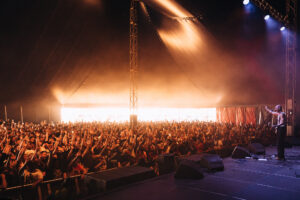
The economic and logistical impact of such a model is also worthy of note. By integrating hearing health into the design of the festival, organizers can potentially reduce their long-term liability and contribute to the longevity of their customer base. If fans are able to enjoy live music into their middle and later years without the degradation of hearing, the cultural and economic cycle of the live music industry is better sustained.
Furthermore, the involvement of the HELA initiative ensures that the knowledge transfer is not limited to the festival organizers but extends to the staff who manage the crowds. Staff who are trained in hearing health awareness are better equipped to assist audience members, manage noise complaints, and contribute to an environment where safety is a core feature of the festival infrastructure.
Perspectives on the Future
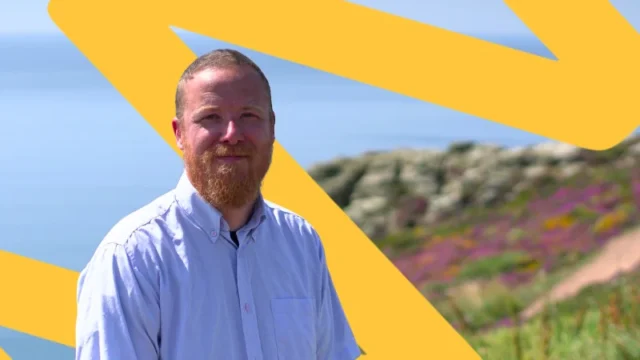
Reflecting on the event, Dr. Samuel Couth of ManCAD emphasized that the goal is not to fundamentally alter the nature of live music, but to refine the delivery of it. "Live music is an essential pillar of contemporary culture," Dr. Couth noted. "Our research aims to bridge the gap between high-intensity entertainment and physiological safety. The success at ArcTanGent demonstrates that these two goals are not mutually exclusive. We are proving that you can preserve the soul of a live performance while simultaneously protecting the ears of those who make it possible."
The festival environment, characterized by its passionate and often deeply invested fan base, proved to be an ideal laboratory for this research. The attendees at ArcTanGent, who often travel significant distances to witness unconventional and challenging music, represent a demographic that is highly conscious of their relationship with the music they consume. This inherent awareness, when supported by institutional safety measures, creates an ecosystem where personal responsibility and collective care can thrive.
A Roadmap for Future Festivals
As the summer festival season concludes, the data gathered at ArcTanGent will be synthesized into a report designed to assist other promoters, venue managers, and local authorities in adopting similar strategies. The "Safe Listening" framework is not intended to be a static set of rules, but rather a dynamic toolkit that can be adapted to the specific constraints of different venues—from the open-air stages of a farm in the Mendips to the enclosed, high-pressure environments of indoor concert halls.
The success of this pilot project suggests that the next phase of the live music industry will be defined by "smarter" listening. This involves a technological shift—better sound system design and real-time monitoring—and a cultural shift, where the act of wearing earplugs is viewed with the same casual necessity as wearing sunscreen at a daytime outdoor event.
Ultimately, the goal is to normalize the culture of protection across the entire live music spectrum. Whether one is attending a small, intimate club show or a massive stadium event, the right to enjoy music without the long-term consequence of hearing damage is becoming a standard expectation. ArcTanGent has demonstrated that this is not only possible but that it can be achieved in a way that respects the artistry of the performers and the devotion of the fans. As the industry moves forward, the lessons learned in the fields of the Mendips will likely serve as the foundation for a safer, more sustainable, and equally powerful future for live music across the United Kingdom and beyond.