
The Scope of the Study and Core Findings
The research, led by Janet Choi, MD, MPH, an otolaryngologist with Keck Medicine, involved a rigorous evaluation of 65 previously published studies. These studies spanned several decades and included a diverse cohort of over 5,000 participants. The primary objective was to measure the impact of hearing aids and cochlear implants across three specific psychosocial dimensions: social quality of life, perceived social handicap, and loneliness.
The findings were consistent and striking. Adults who utilized hearing devices reported a marked increase in their ability to engage in social environments that were previously navigated with difficulty. This includes better performance in group conversations and a reduction in the "listening effort" required to process speech in noisy environments, such as restaurants or family gatherings. Furthermore, the data indicated a significant reduction in "social handicap"—a term used to describe the frustration, embarrassment, and limitations individuals feel when their hearing loss prevents them from participating fully in life.
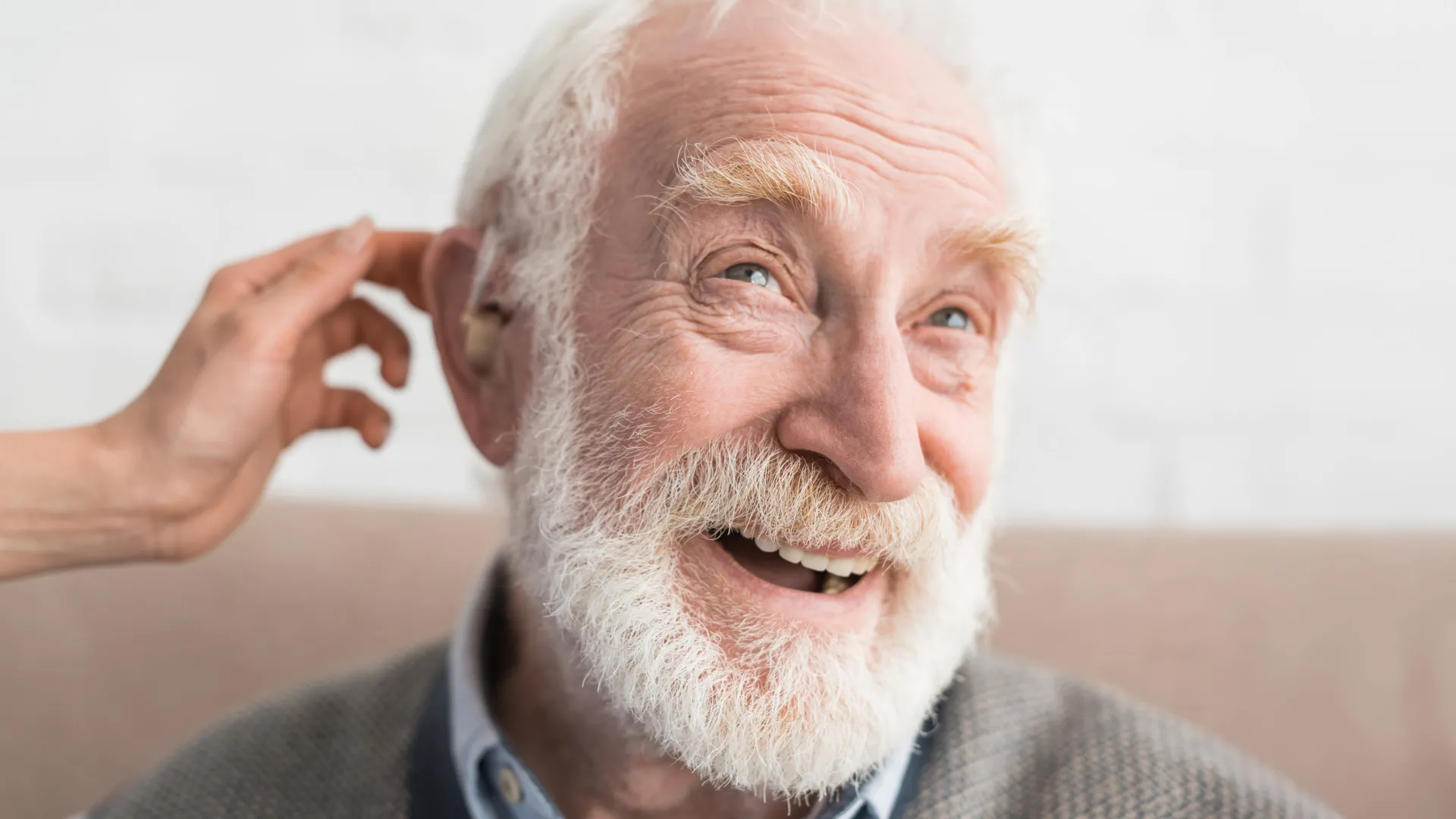
"We found that adults with hearing loss who used hearing aids or cochlear implants were more socially engaged and felt less isolated compared to those who didn’t use them," Dr. Choi stated. She emphasized that these devices do more than just amplify sound; they act as a bridge, reconnecting individuals to their communities and preventing the "social disconnection" that frequently follows the onset of hearing impairment.
Understanding the Prevalence of Untreated Hearing Loss
The implications of this study are particularly urgent given the scale of hearing loss in the United States. Current estimates from the National Institute on Deafness and Other Communication Disorders (NIDCD) suggest that approximately 40 million American adults suffer from some degree of hearing loss. Despite the prevalence of the condition, it remains one of the most undertreated chronic health issues in the country.
Data suggests that among adults aged 70 and older who could benefit from hearing aids, fewer than 30% have ever used them. For younger adults (aged 20 to 69), the usage rate is even lower, hovering around 16%. The barriers to treatment are multifaceted, ranging from the high cost of devices and lack of insurance coverage to the social stigma associated with wearing hearing aids. However, as Dr. Choi’s research suggests, the cost of inaction may be far higher than the price of the devices themselves.
When hearing loss goes untreated, the individual often experiences a gradual withdrawal from social life. This is not always a conscious choice; rather, it is a response to the exhaustion of trying to follow conversations and the embarrassment of asking others to repeat themselves. Over time, this withdrawal can lead to a state of chronic social isolation, which has been identified by the World Health Organization (WHO) and the Centers for Disease Control and Prevention (CDC) as a major public health risk.
The Biological and Neurological Consequences of Isolation
The USC study highlights a critical pathway between hearing health and overall systemic health. Previous research cited by the Keck Medicine team has shown that social withdrawal is not merely a lifestyle change; it has tangible biological consequences. Chronic loneliness and isolation have been linked to increased levels of systemic inflammation and alterations in brain structure, particularly in areas responsible for memory and executive function.
Furthermore, the "Lancet Commission on Dementia Prevention, Intervention, and Care" has identified midlife hearing loss as the single largest modifiable risk factor for the development of dementia. The hypothesis is that the brain requires constant auditory stimulation to maintain its neural pathways. When that stimulation is removed, the brain may undergo "atrophy of disuse," or it may divert excessive cognitive resources toward the simple task of decoding sound, leaving fewer resources for memory and thinking.
By demonstrating that hearing devices can reverse social isolation, Dr. Choi’s study suggests a potential mechanism for preserving cognitive health. If a hearing aid allows a person to remain socially active, their brain remains stimulated by the complex nuances of human interaction, which is one of the most cognitively demanding tasks the human brain performs.
Comparing Technologies: Hearing Aids vs. Cochlear Implants
A significant detail within the meta-analysis was the performance of cochlear implants compared to traditional hearing aids. While both technologies showed positive results, participants with cochlear implants reported the most substantial improvements in their social quality of life.
This distinction is largely due to the nature of the technology and the severity of the hearing loss it addresses. Hearing aids are essentially sophisticated amplifiers that make sounds louder and clearer for those with mild to severe hearing loss. Cochlear implants, however, are surgically implanted devices designed for individuals with profound hearing loss or deafness who receive little to no benefit from hearing aids. They bypass the damaged portions of the ear and directly stimulate the auditory nerve.
The study suggests that for those with profound loss, the restoration of sound via a cochlear implant is so transformative that it leads to a "rebirth" of social capability. These individuals often go from a state of near-total isolation to being able to use the telephone and participate in meetings, leading to a dramatic shift in their perceived quality of life.
A Chronology of Research: Building the Case for Hearing Health
The publication of this study in JAMA Otolaryngology – Head & Neck Surgery is the latest in a series of findings from Dr. Choi and the USC team. In January 2024, Dr. Choi published a separate study which found that adults with hearing loss who regularly use hearing aids have a 24% lower risk of mortality compared to those who do not.
This chronological progression of research—moving from mortality rates to social engagement—paints a comprehensive picture of hearing health as a pillar of longevity. The timeline of recent research suggests a shift in the medical community’s understanding:
- Early 2010s: Studies begin to strongly link hearing loss to dementia and cognitive decline.
- 2020: The Lancet Commission identifies hearing loss as a primary modifiable risk factor for dementia.
- 2022: The FDA establishes a new category of over-the-counter (OTC) hearing aids to increase accessibility.
- January 2024: USC research links hearing aid use to a 24% reduction in mortality risk.
- Late 2024: The current USC study confirms that hearing devices significantly reduce social isolation and improve quality of life.
Analysis of Public Health and Economic Implications
The findings of the USC study carry significant weight for public health policy and the insurance industry. For decades, many private insurance plans and traditional Medicare have excluded coverage for hearing aids, categorizing them as "elective" or "cosmetic" devices rather than essential medical tools.
However, the data provided by Dr. Choi’s team suggests that providing access to hearing technology could lead to significant cost savings for the healthcare system. If hearing devices can reduce the risk of depression, anxiety, cognitive decline, and even mortality, the "upstream" investment in hearing aids could prevent "downstream" costs associated with long-term memory care and hospitalization for mental health issues.
Industry experts and patient advocacy groups, such as the Hearing Loss Association of America (HLAA), are likely to use this study to lobby for expanded coverage. The logical inference from this research is that hearing health is not an isolated issue but is deeply interconnected with the overall well-being and productivity of the aging population.
Future Directions and Clinical Recommendations
While the study is a major step forward, Dr. Choi noted that more research is needed to specifically quantify the impact of hearing devices on loneliness. While "social quality of life" and "social handicap" showed clear improvement, the data on "loneliness" was more nuanced, suggesting that while people may be more active, the subjective feeling of loneliness may involve other psychological factors that require additional support.
Dr. Choi hopes that these findings will encourage clinicians—not just audiologists, but primary care physicians and geriatricians—to prioritize hearing screenings. "We hope this encourages more people to seek treatment and helps clinicians start conversations with patients about how hearing devices can improve their quality of life," she said.
The study concludes with a powerful message for the 40 million Americans living with hearing loss: the decision to seek treatment is not just about hearing better; it is about staying connected to the people and activities that give life meaning. As the medical community continues to uncover the links between sensory health and systemic longevity, the hearing aid may soon be viewed as an essential tool for healthy aging, alongside exercise and a balanced diet.