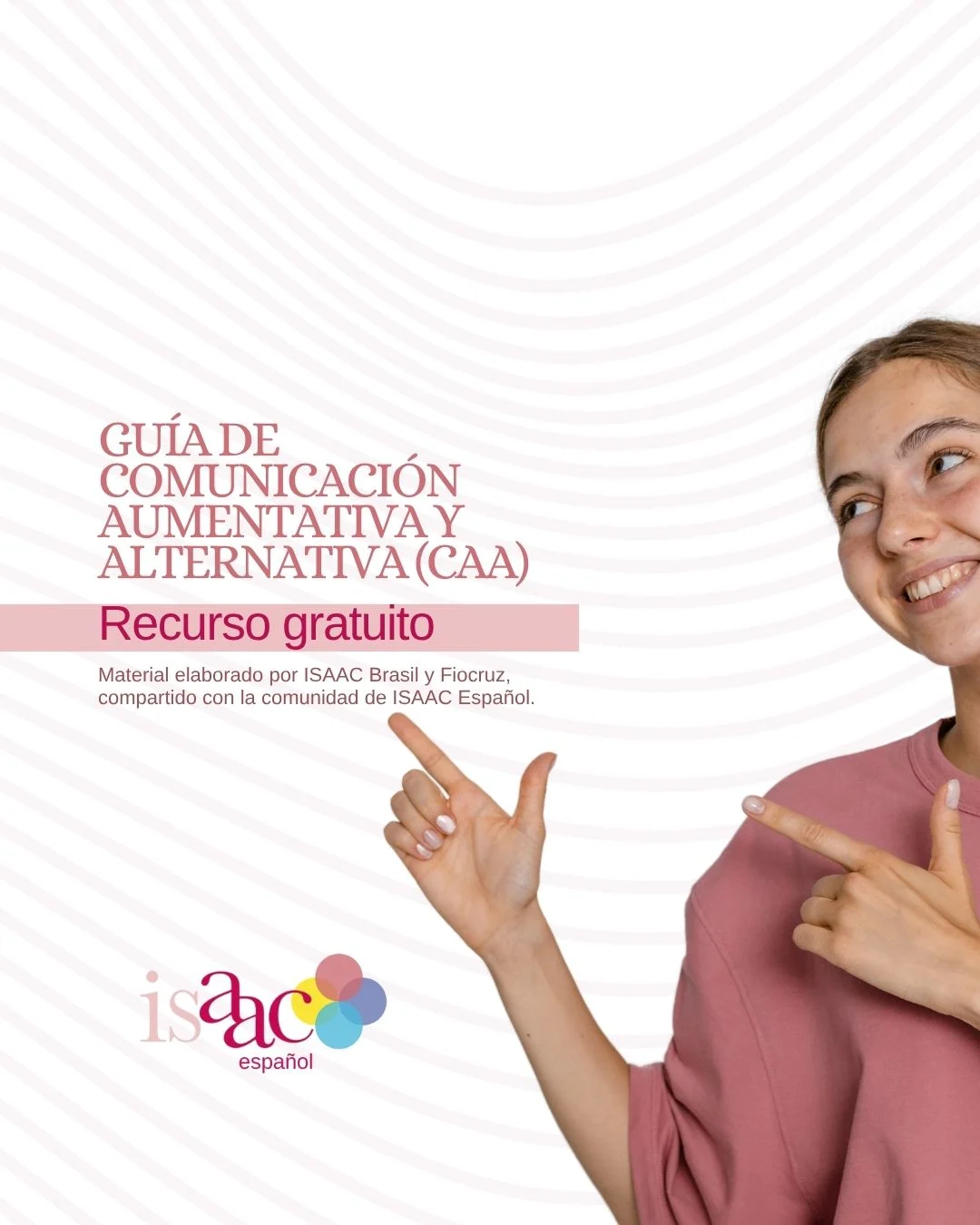
The Landscape of Augmentative and Alternative Communication
Data from the World Health Organization (WHO) and various international disability advocacy groups suggest that millions of people worldwide experience significant communication disabilities. However, the availability of specialized training materials often favors English-speaking regions. The release of this Spanish-language guide serves as a critical intervention, providing localized, culturally relevant, and scientifically grounded information to a demographic that has historically faced systemic barriers to inclusion.
A Chronology of Collaborative Development
The genesis of this project traces back to the synergy between ISAAC—the preeminent global organization for AAC professionals and advocates—and Fiocruz, a renowned public health research institution in Brazil. The initial development phase focused on creating a comprehensive, user-friendly document that would demystify AAC implementation.
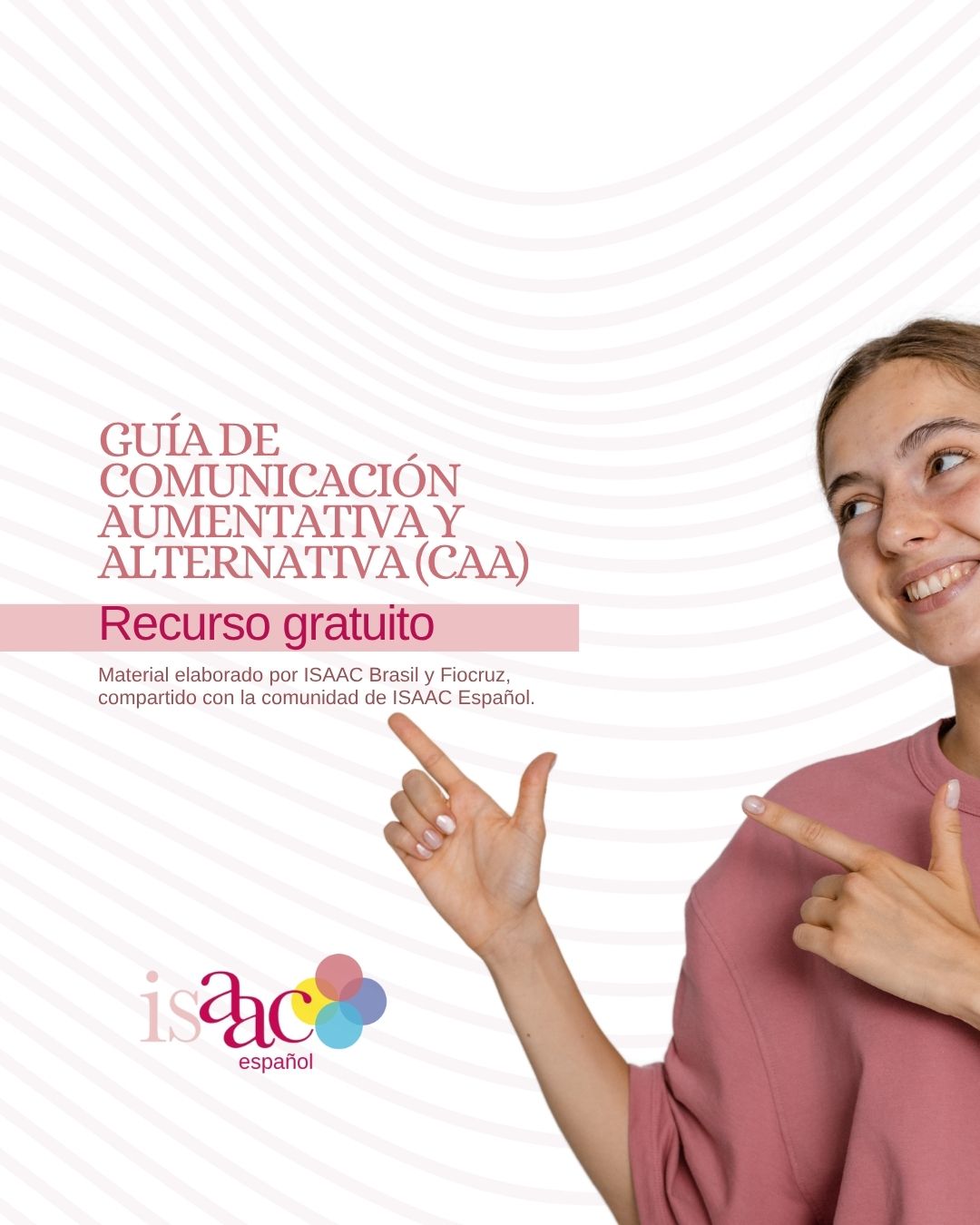
Following the successful deployment of the Portuguese version, stakeholders identified a critical need to extend these benefits to the Spanish-speaking community. The translation process was not merely linguistic; it involved cultural adaptation to ensure that the terminology used resonated with diverse regional dialects and educational contexts. Throughout early 2026, editorial teams worked to refine the content, ensuring that it remained compliant with current evidence-based practices in speech-language pathology and human rights advocacy. The official digital distribution campaign, managed through ISAAC’s regional channels, commenced in April 2026 to coincide with global awareness initiatives for disability rights.
Core Objectives and Content Overview
The primary objective of the guide is to standardize the foundational knowledge required for effective AAC implementation. By providing a clear, structured roadmap, the guide aims to empower non-specialists, including family members and primary caregivers, who are often the first line of support for individuals with communication impairments.
Key sections of the resource address several critical domains:
- Fundamental Rights: The guide underscores the right to communicate as a basic human right, referencing international standards for accessibility and disability advocacy.
- Conceptual Frameworks: It clarifies the distinction between different types of AAC systems, helping readers understand the nuances between aided and unaided communication.
- Implementation Strategies: Practical advice is provided on how to integrate AAC into daily routines, emphasizing the importance of modeling and consistent environmental support.
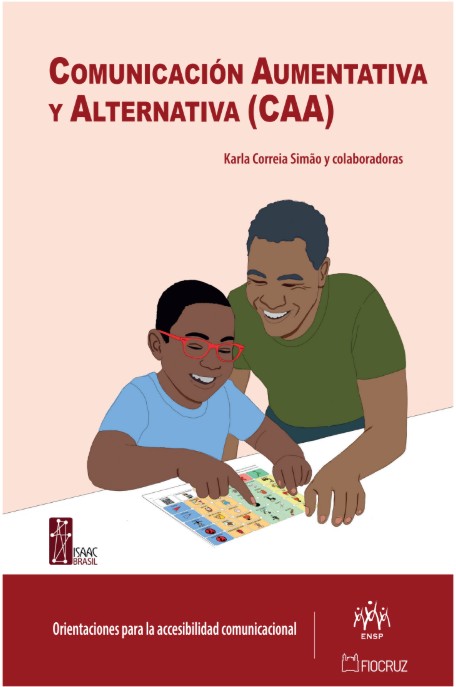
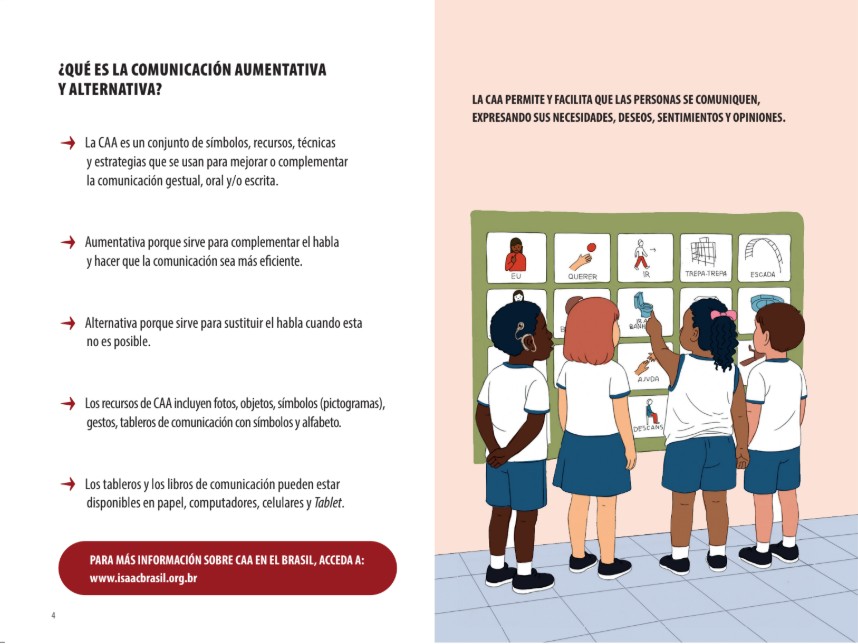
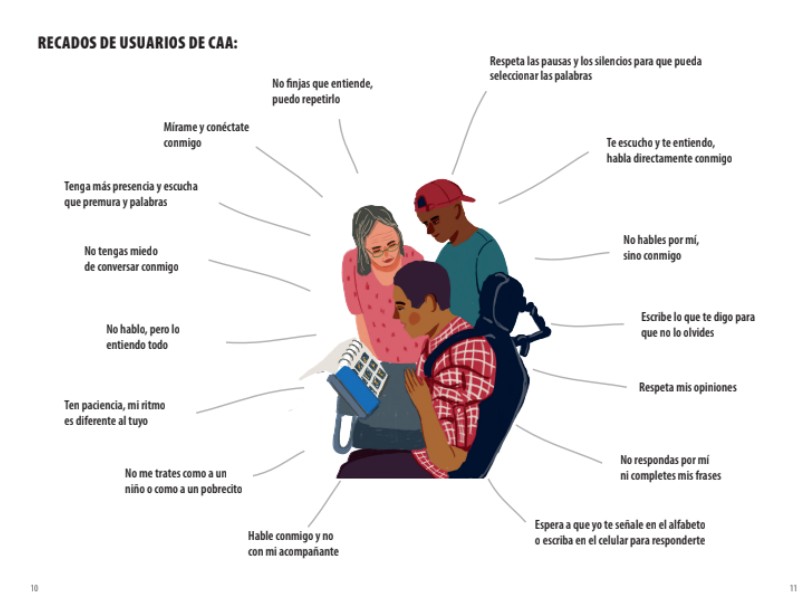
- Human-Centric Design: Notably, the guide utilizes illustrations of real-life AAC users. This decision serves to de-stigmatize the use of assistive technology and provides users with relatable examples of success, which is essential for fostering a sense of identity and belonging.
Analysis of Global Implications
The release of this guide arrives at a time when the digital divide for disability services is under increased scrutiny. Experts in the field of assistive technology argue that the lack of accessible information is a primary deterrent to the successful adoption of communication systems. When families cannot find reliable information in their native language, they are less likely to pursue early intervention, which can lead to long-term developmental setbacks.

From a clinical perspective, the availability of this resource reduces the burden on Speech-Language Pathologists (SLPs) and educators. By providing parents and caregivers with a high-quality "starter kit," professionals can dedicate more time to personalized, complex case management rather than repeating foundational education. Furthermore, the collaborative nature of this project—linking a health research institution like Fiocruz with a specialized NGO like ISAAC—sets a precedent for future cross-sector partnerships in the disability sector.
Official Responses and Community Impact
While the guide has only recently been made public, early reactions from the professional community have been overwhelmingly positive. Practitioners in regions with limited access to formal AAC training have lauded the initiative for its accessibility and clarity.
"The democratization of knowledge is the first step toward universal communication access," noted a representative involved in the project’s distribution. The use of QR codes and digital social media distribution channels indicates a modern approach to dissemination, designed to reach populations in both urban centers and underserved rural areas. By leveraging platforms such as Instagram and Facebook, the organizers have effectively lowered the barrier to entry, allowing for immediate, free access to the PDF version of the guide.
Looking Toward Future Scalability
The success of this Spanish-language guide poses questions about the potential for further translations. As the global community moves toward a more inclusive framework for disability support, the demand for multilingual, culturally sensitive educational material is expected to rise. The ISAAC-Fiocruz model demonstrates that institutional collaboration is highly effective in producing sustainable, high-impact resources.
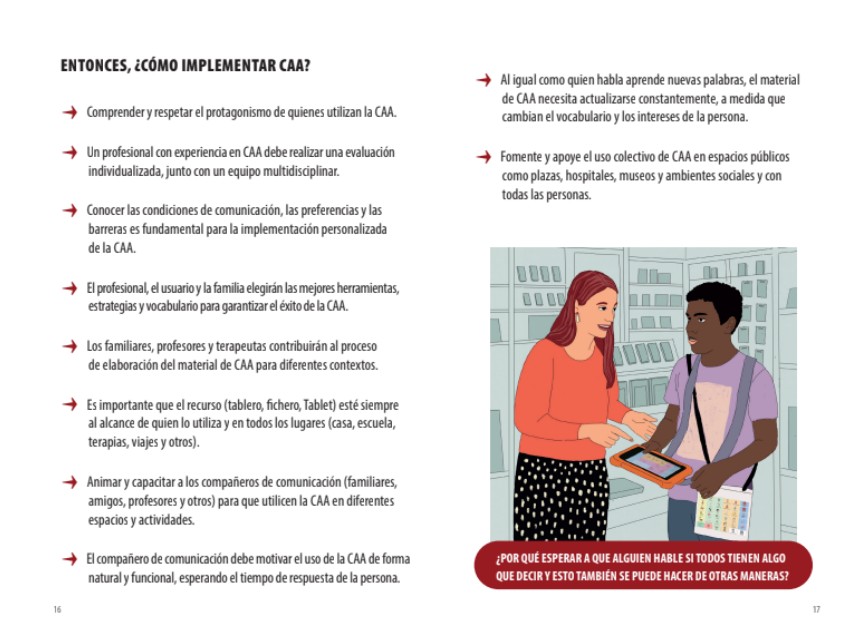
Furthermore, the integration of real-world user imagery reflects a broader shift in the AAC community toward participatory design, where the voices and lived experiences of individuals who use AAC are placed at the center of instructional material. This represents a fundamental move away from purely clinical, top-down models toward a collaborative, social model of disability.
Conclusion and Access Information
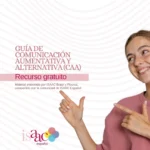
The release of the Augmentative and Alternative Communication Guide in Spanish is more than just a translation project; it is an infrastructure investment for families and professionals worldwide. By removing the obstacles of language and technical complexity, ISAAC and Fiocruz have provided a tool that could fundamentally alter the trajectory of care for thousands of individuals.
Interested parties, including families, teachers, and healthcare professionals, are encouraged to access the guide through the official ISAAC Spanish-language social media channels. The material is provided free of charge, with the explicit intent of widespread distribution to ensure that no individual is denied the right to communicate due to a lack of resources or information. As the community continues to utilize this guide, the long-term impact on social integration, education, and quality of life for AAC users will likely serve as a benchmark for future advocacy efforts in the field.
For those seeking to implement these strategies, the guide remains available for digital download, with instructions provided in both Spanish and English to ensure maximum global utility. The ongoing commitment to updating and circulating this information remains a top priority for the project coordinators, who view this document as a living resource that will evolve alongside advancements in communication technology and inclusive policy.