
In response to the growing prevalence of this condition, Tinnitus UK has refined its membership framework to provide structured support, evidence-based guidance, and a collective platform for advocacy. By formalizing membership, the organization aims to bridge the gap between clinical research and the lived experience of patients, creating a cohesive community of researchers, healthcare professionals, and individuals seeking to manage their symptoms effectively.
The Evolution of Tinnitus Advocacy in the UK
The history of organized tinnitus support in the United Kingdom dates back several decades, evolving from localized support groups into a centralized national effort. The organization now known as Tinnitus UK serves as the primary conduit for information, policy lobbying, and funding for research into potential cures.
Historically, the medical community’s approach to tinnitus was largely observational, focusing on habituation rather than intervention. However, the last decade has seen a paradigm shift. With the advent of digital health tools, improved audiometric diagnostic equipment, and a deeper understanding of the neurological pathways involved in tinnitus, the focus has moved toward active management. Membership programs like the one offered by Tinnitus UK are designed to keep pace with these advancements, ensuring that those affected are not left to navigate the complexities of the condition in isolation.
Core Membership Benefits and Clinical Value
The Tinnitus UK membership model is built on five pillars of support, designed to address both the psychological and practical needs of members.
The Welcome Pack: A Foundation for Understanding
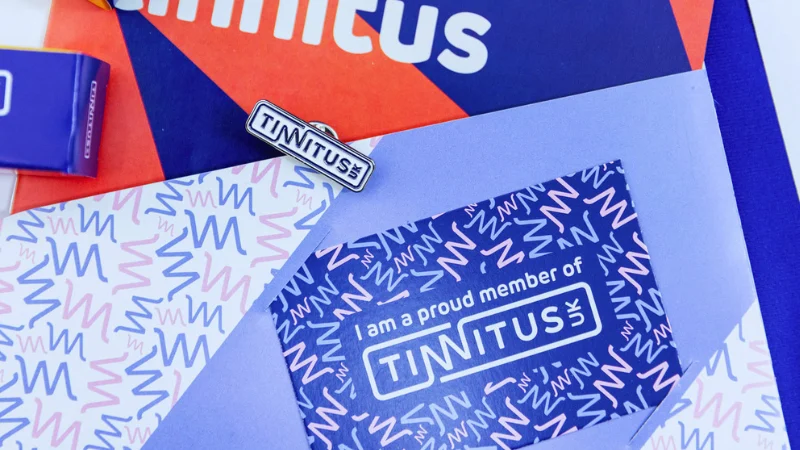
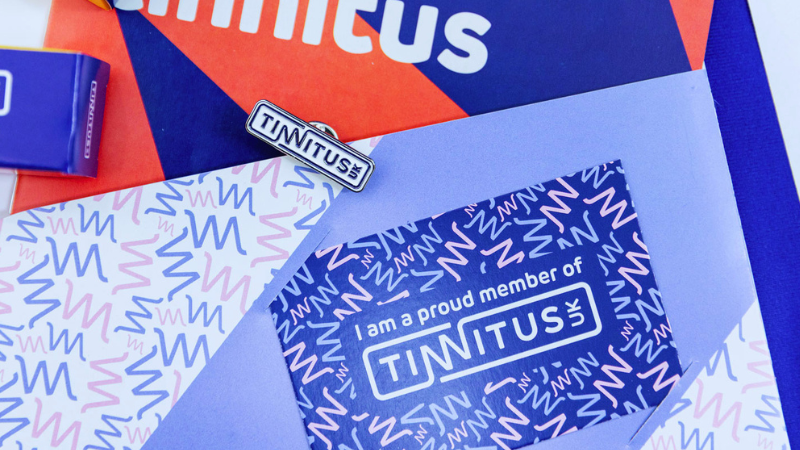
Upon enrollment, new members receive a comprehensive welcome pack. This is not merely a collection of materials; it is a pedagogical tool intended to demystify the condition. The inclusion of the "Living with tinnitus" guide is particularly notable, as it provides cognitive-behavioral insights that are often cited by audiologists as critical for long-term symptom management. The membership card and pin serve as symbols of belonging to a network that actively campaigns for improved NHS hearing services and increased government funding for research.
Live Expert Engagement
Access to live webinars represents a significant evolution in patient education. By providing direct lines of communication between patients and leading tinnitus experts, Tinnitus UK facilitates a transparent exchange of information. These sessions cover a broad spectrum of topics, including sound therapy, neuroplasticity, and the latest clinical trial outcomes. The ability to pose questions in real-time allows for a level of personalized guidance that is often absent in standard clinical appointments, where time constraints remain a pervasive issue within the healthcare system.
The Quiet Magazine: Bridging Science and Storytelling
The annual QUIET magazine serves as the organization’s flagship publication. Its importance lies in its dual nature: it acts as both a peer-reviewed summary of research advancements and a forum for personal narratives. By blending scientific data with lived experience, the publication helps to reduce the stigma often associated with tinnitus. Research consistently shows that peer support and shared experiences are vital components in reducing the psychological burden of chronic conditions.

The Focus Newsletter and Professional Integration
Information asymmetry is a frequent challenge in chronic condition management. The monthly FOCUS newsletter seeks to mitigate this by providing timely updates on legislative changes, new pharmacological or therapeutic developments, and invitations to national events. The introduction of a dedicated professional edition reflects the organization’s commitment to fostering a collaborative environment where audiologists, ENT specialists, and psychologists can remain informed of the latest industry standards.
Democratic Participation and Governance
A distinctive aspect of Tinnitus UK’s membership is the provision for democratic participation through the Annual General Meeting (AGM). By granting members the right to vote on the organization’s strategic direction, Tinnitus UK ensures that the charity remains accountable to those it serves. This creates a feedback loop where the priorities of the patients directly influence the allocation of resources for research and public awareness campaigns.
Economic and Societal Implications
The financial cost of tinnitus to the UK economy is substantial. While direct costs to the NHS include diagnostics, consultations, and therapeutic interventions, the indirect costs—comprising lost productivity, absenteeism, and the management of associated mental health conditions—run into the hundreds of millions of pounds annually.

Analysis of the impact of patient-led organizations suggests that active membership can lead to improved self-management outcomes. When individuals are well-informed, they are more likely to seek appropriate clinical help early, adhere to treatment protocols, and utilize sound therapy tools correctly. This not only improves the individual’s quality of life but also alleviates pressure on primary care services. By providing a centralized source of evidence-based information, Tinnitus UK effectively reduces the reliance on unverified, and sometimes harmful, "miracle cures" that circulate in unregulated online spaces.
Supporting Research and Future Horizons
Membership fees, currently set at £30 per year, function as a critical funding stream for ongoing research projects. These funds support clinical trials that explore the efficacy of new sound-masking technologies and pharmaceutical interventions aimed at modulating auditory cortex activity.
Industry analysts note that for a condition as complex as tinnitus, which has no single "cure-all," the importance of an informed and engaged community cannot be overstated. As the organization continues to grow, its influence on national healthcare policy is expected to expand. By aligning the voices of millions, Tinnitus UK is increasingly positioned to lobby for standardized care pathways across all NHS regions, ensuring that patients receive consistent, high-quality treatment regardless of their geographic location.

Conclusion
Becoming a member of Tinnitus UK is more than a financial transaction; it is an entry into a structured support network that offers tangible benefits for daily living while contributing to the broader goal of finding a permanent solution. The transition from passive patient to active member represents a crucial step in taking control of the condition.
For those navigating the often-overwhelming landscape of tinnitus management, the resources provided by the organization—from the expertise shared in webinars to the updates in the FOCUS newsletter—offer a roadmap for improvement. As the organization moves into its next chapter, the emphasis remains clear: to foster a community that is educated, empowered, and equipped to push for the medical breakthroughs of tomorrow. With a membership base that is increasingly vocal and informed, the prospect of achieving a "world without tinnitus" moves from a distant aspiration to a tangible, ongoing mission.