Understanding Auditory Neuropathy Spectrum Disorder
Auditory Neuropathy Spectrum Disorder represents a distinct category of hearing impairment. Unlike traditional sensorineural hearing loss, which often involves damage to the hair cells in the cochlea, ANSD typically involves the auditory nerve or the transmission of signals between the hair cells and the nerve. According to the National Institute on Deafness and Other Communication Disorders (NIDCD), the severity of ANSD can vary significantly from one individual to another. Some children may experience mild difficulties in noisy environments, while others may face profound hearing loss that necessitates the use of hearing aids or cochlear implants.
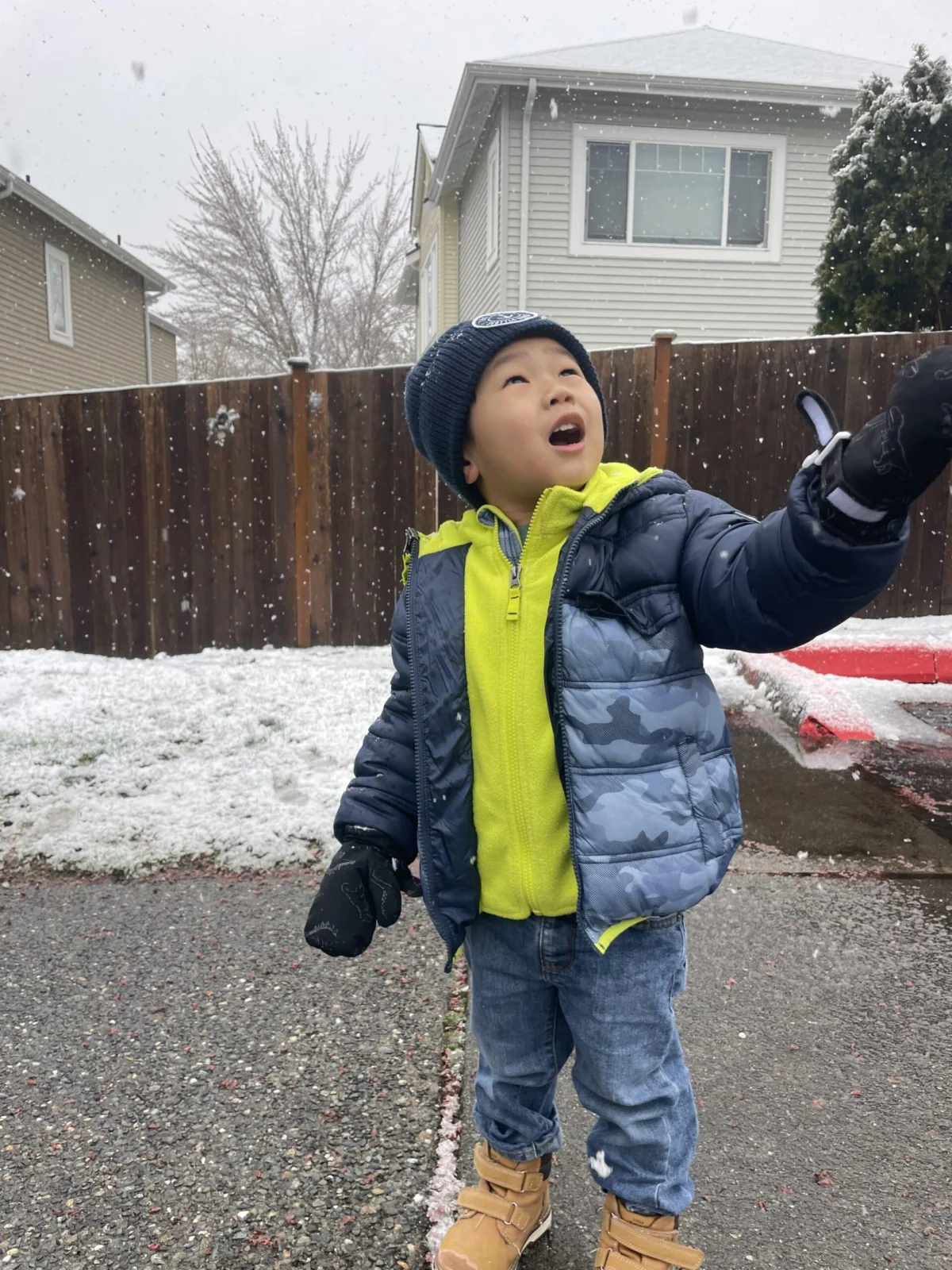
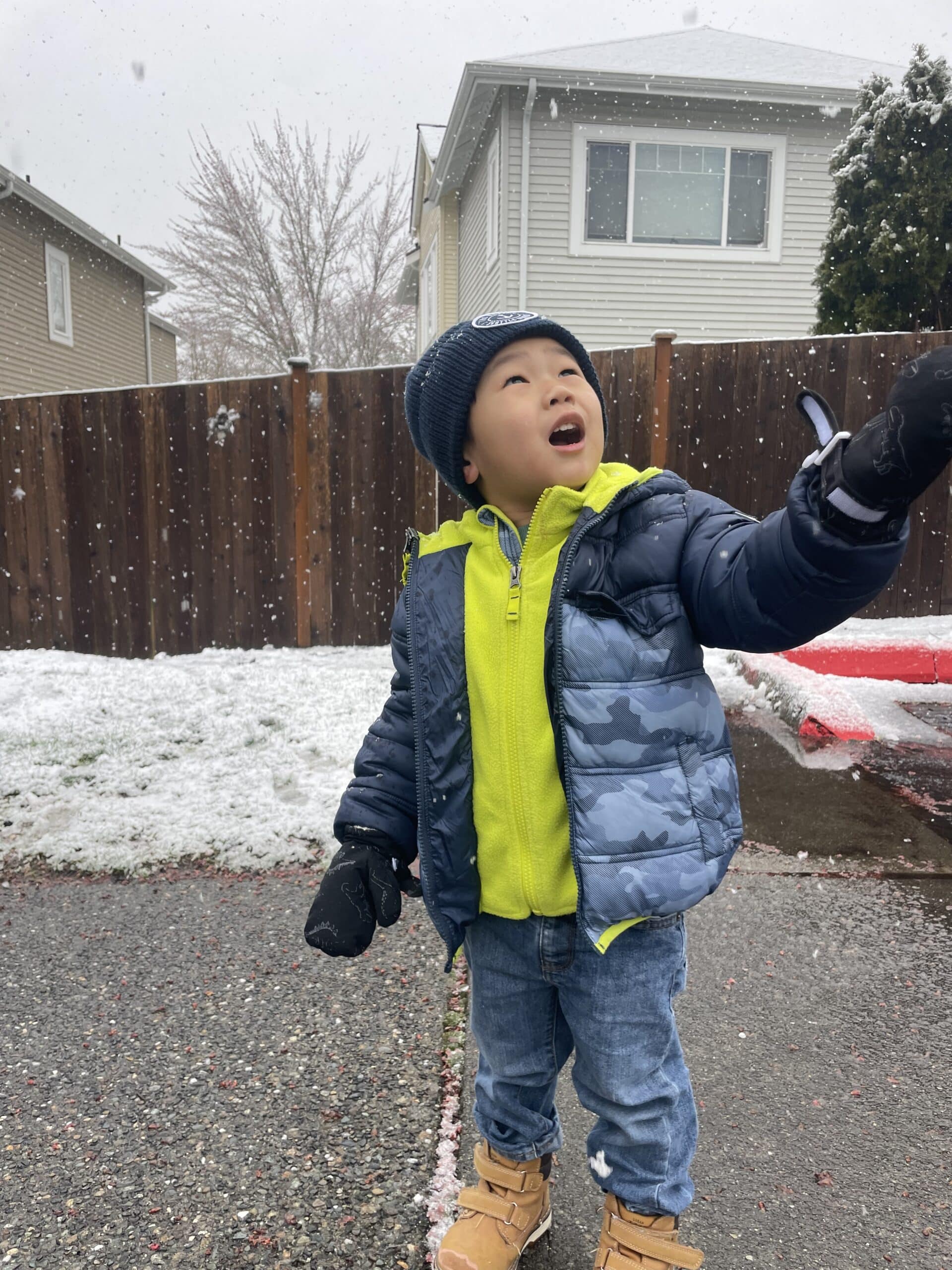
For Raiden, the diagnosis brought to light specific deficits in hearing certain frequencies, which manifested as a delay in his speech and language development. The immediate challenge for his parents was not only managing the technical aspects of his hearing aid but also addressing the sensory processing issues that often accompany the use of amplification devices in toddlers.
The Chronology of Early Intervention
The first months following a diagnosis are critical for neuroplasticity—the brain’s ability to reorganize itself by forming new neural connections. Research consistently demonstrates that early intervention before the age of six months leads to significantly better language outcomes.
In the case of the Yamamoto family, the transition from diagnosis to enrollment in the Listen & Talk Blended Classroom program marked a pivot point in their son’s development. Initially, the family faced the logistical burden of a nearly hour-long daily commute. However, after touring the Listen & Talk facility—an organization dedicated to the auditory-oral approach—they recognized that the specialized environment outweighed the challenges of travel.
The program’s model is built upon the "blended classroom" concept, which integrates children with hearing loss alongside their typically hearing peers. This environment provides a naturally rich auditory landscape that encourages incidental learning, a crucial component for children who are training their brains to process amplified sound. By the fall of the academic year, Raiden began his journey in this setting, receiving on-site audiology support and structured speech-language therapy.
The Science of the Blended Classroom
The efficacy of the blended classroom model lies in its ability to normalize the use of hearing technology. In a traditional setting, a child with a hearing aid might feel isolated. In an integrated environment, the presence of hearing amplification technology is presented as a standard part of the classroom dynamic.
Listen & Talk utilizes advanced hearing amplification systems, which are essential for children like Raiden. These systems often include sound-field amplification, which improves the signal-to-noise ratio in the classroom, ensuring that the teacher’s voice is consistently audible regardless of the child’s distance from the instructor.
Beyond the technical hardware, the program focuses on "ear defensiveness," a common sensory reaction where children resist wearing hearing aids due to the sudden influx of amplified, unfamiliar sounds. Through consistent, gentle, and repetitive protocols, the staff at Listen & Talk worked with Raiden to normalize the tactile sensation of the device. The results have been measurable: within a few months, Raiden progressed from using isolated one-to-two-word phrases to constructing three-to-four-word sentences, a significant milestone in pediatric speech-language pathology.
Advocacy as a Foundational Skill
A key component of the Listen & Talk curriculum is the cultivation of self-advocacy skills. For children with hearing loss, the ability to communicate their needs to teachers, coaches, and peers is vital for long-term success. By the time students transition to mainstream kindergarten, they are expected to understand their own hearing needs, recognize when they are struggling to hear in a noisy environment, and articulate the need for classroom accommodations.
This pedagogical approach serves as a bridge to broader societal inclusion. By fostering these skills early, the program ensures that children are not passive recipients of education but active participants in their own learning process. This is particularly important as these children grow into adolescence, where social communication becomes increasingly complex.
Data-Driven Perspectives on Early Hearing Loss
The global impact of hearing loss on childhood development is substantial. According to data from the World Health Organization (WHO), over 430 million people worldwide live with disabling hearing loss. Without proper intervention, children with hearing loss are at a higher risk for delayed language acquisition, which can subsequently impact literacy levels and social-emotional development.
The "Listen & Talk" approach aligns with the "Auditory-Verbal" philosophy, which emphasizes the use of residual hearing through amplification to develop spoken language. Studies in this field have shown that children who receive early and consistent auditory-verbal therapy often achieve language levels equivalent to their typically hearing peers by the time they enter elementary school.

Financial and Social Implications
The provision of high-quality early intervention services is a significant financial undertaking. Because many of these programs are social impact enterprises, they rely heavily on philanthropic support to sustain the costs of specialized audiology equipment, highly trained speech-language pathologists, and small teacher-to-student ratios.
Organizations like Listen & Talk operate on the premise that the return on investment for early intervention is significant. By mitigating the need for intensive remedial services later in life, early intervention creates a positive fiscal impact on public education systems. Furthermore, the societal benefit of enabling a child to participate fully in mainstream education cannot be overstated.
Moving Forward: The Vision of Universal Access
The success experienced by the Yamamoto family highlights the urgent need for wider access to specialized early intervention. While programs like those offered by Listen & Talk are exemplary, they remain a limited resource. The broader challenge for the field of pediatric audiology is to scale these success stories to reach families in rural or underserved areas who may not have access to specialized urban centers.
As Raiden continues his progress, his journey serves as a case study for the importance of parental involvement combined with institutional expertise. The ability to advocate for one’s own needs, starting from the early years of life, is a transformative skill that reshapes a child’s trajectory.
For many families, the message remains clear: the barrier of hearing loss need not be a ceiling for achievement. With appropriate, evidence-based intervention and a supportive community, children diagnosed with conditions like ANSD are capable of reaching developmental milestones that once seemed unattainable. The work being done by institutions to provide these services remains a cornerstone of equitable education, ensuring that for the next generation, no child is defined by the limitations of their hearing.
Conclusion
The narrative of Raiden’s development is more than just a success story for one family; it is a testament to the power of structured, auditory-rich education. As the field of audiology continues to evolve, the integration of technology and pedagogical innovation will remain the primary drivers of success for children with hearing loss. With continued public support and a commitment to early diagnosis and intervention, the prospect of a world where hearing loss does not limit a child’s potential becomes an increasingly attainable reality. The ongoing efforts of educators and clinicians, backed by donor support, remain essential in ensuring that every child has the tools necessary to listen, speak, and thrive in a world of sound.