
A Medical Chronology of Progress
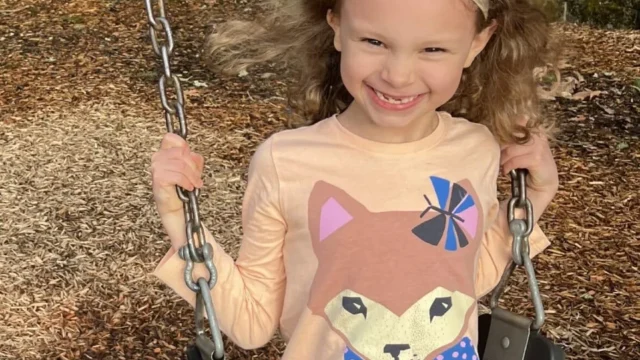
In 1996, at the age of 22 months, Buckingham contracted pneumococcal meningitis, a severe bacterial infection that resulted in profound bilateral sensorineural hearing loss. At that time, the medical landscape for pediatric hearing loss was shifting rapidly. The year prior, in 1995, Buckingham had become a pioneering patient at Seattle Children’s Hospital, undergoing a cochlear implant procedure that was, at the time, at the cutting edge of otolaryngology.
The surgical intervention provided the mechanical gateway to sound, but the subsequent developmental journey required a multidisciplinary approach. Following her surgery, Buckingham’s family sought out Listen and Talk, a specialized organization dedicated to Listening and Spoken Language (LSL) therapy. She became one of the program’s inaugural pre-K students, working closely with founder Star Leonard-Fleckman. This period was characterized by intensive auditory training designed to bridge the gap between the electronic signals provided by the implant and the neural processing of spoken language.
As technology advanced, Buckingham received a second cochlear implant, allowing for binaural hearing—a critical milestone for sound localization and speech recognition in noisy environments. Her long-term maintenance of these devices has been supported by ongoing partnerships with the University of Washington Medical Center, ensuring that her listening experience remains optimized as both the hardware and her personal needs have evolved over three decades.
The Impact of Early Intervention Data
The success of Buckingham’s transition into adulthood is supported by broader clinical data regarding early intervention. According to the National Institute on Deafness and Other Communication Disorders (NIDCD), the "critical period" for language development occurs within the first few years of life. Children who receive appropriate intervention—including amplification devices and LSL therapy—before the age of six months, or as soon as possible following a later onset of hearing loss, demonstrate significantly higher rates of grade-level reading and age-appropriate language development compared to those who do not receive such services.

Buckingham’s educational record mirrors these findings. Following her early schooling, she attended the Charles Wright Academy and later matriculated at Stetson University. In 2014, she earned a Bachelor’s degree in Family Business with a minor in Management. Her academic achievement is a quantifiable indicator of the success of early intervention; by establishing a foundation of spoken language and auditory processing early on, she was equipped to navigate the complex, fast-paced environments of higher education and professional business management.
Professional Application and Advocacy
Today, Buckingham resides in Middleton, Idaho, where she works as an assistant horse trainer. Her career choice requires significant interpersonal communication, instruction, and the ability to operate in varied acoustic environments—a testament to the efficacy of her lifelong auditory rehabilitation. Beyond her professional duties, she serves as a de facto mentor for families currently navigating the initial stages of a hearing loss diagnosis.
Her advocacy focuses on a multi-pronged approach: parental dedication, the utilization of community resources, and the persistent application of therapy tools. By sharing her experiences, she demystifies the process of growing up with cochlear implants, shifting the narrative from one of "disability" to one of "functional capacity." She emphasizes that the tools—while essential—are only as effective as the environment in which they are used, calling for a "no-limits" approach to life and career.
Analysis of the Listen and Talk Model
The organizational model employed by Listen and Talk centers on the philosophy that hearing loss does not have to be a limiting factor in a child’s development. This approach relies on LSL, a pedagogical method that focuses on teaching children to use their hearing technology to access the world of sound and speech.
From a sociological perspective, the success of this model is found in its integration of the family unit. Unlike models that focus exclusively on the child, the Listen and Talk framework involves parents as active participants in the therapeutic process. This creates a sustainable ecosystem of support that persists long after the child leaves the classroom. The organization’s longevity, evidenced by students like Buckingham returning as alumni advocates, suggests that the "alumni network" is a vital component of the support cycle, providing role models for new families who may feel overwhelmed by a new diagnosis.
The Role of Alumni Giving and Future Sustainability
As Listen and Talk looks toward the future, it is leveraging the success stories of its early cohorts to secure the resources necessary for the next generation. The current Alumni Family Giving Campaign is designed to provide financial stability for essential services, including diagnostic audiology, specialized speech-language pathology, and early intervention parent-coaching sessions.
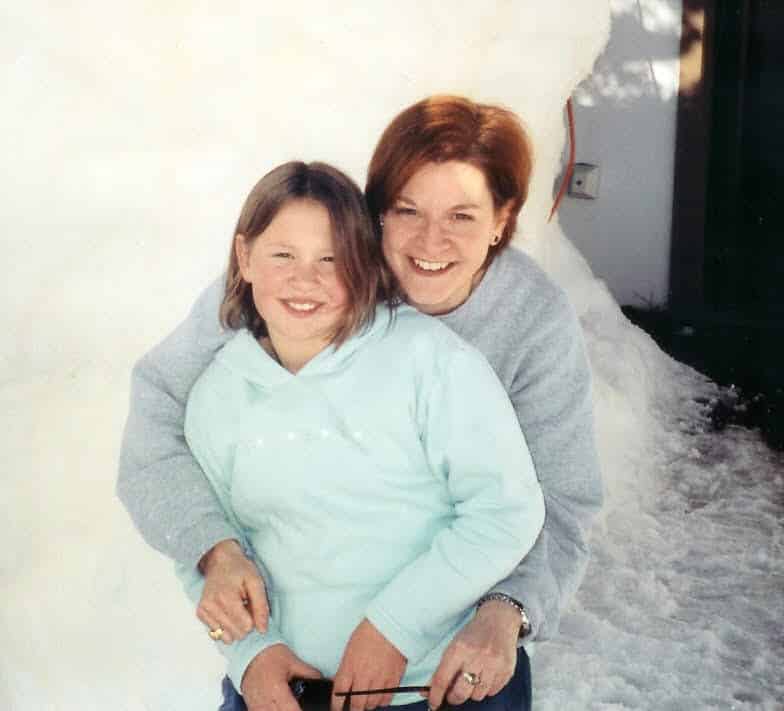
The necessity of such campaigns is highlighted by the rising costs of medical and educational technology. As cochlear implant technology becomes more sophisticated, the need for specialized training for clinicians and teachers grows. Financial contributions from the alumni network serve two purposes: they provide the direct capital required to keep services accessible to families regardless of socioeconomic status, and they foster a sense of continuity within the community.
Broader Implications for Healthcare Policy
The journey of Jordan Buckingham offers a roadmap for healthcare providers and policy makers. It highlights the importance of:
- Universal Newborn Hearing Screening: The early identification of hearing loss remains the single most important factor in long-term success.
- Integrated Care Models: The collaboration between hospitals (like Seattle Children’s) and community-based educational organizations (like Listen and Talk) creates a holistic continuum of care.
- Long-term Support Systems: Hearing health is not a "one-and-done" medical intervention; it requires a lifelong commitment to technology maintenance and linguistic support.
The success of individuals like Buckingham underscores the societal benefits of early intervention. When children with hearing loss are provided with the tools to communicate effectively, they are empowered to contribute to the workforce and society at large. The return on investment—both human and economic—is significant, as it transforms individuals who might otherwise be marginalized into active, contributing members of their communities.
Conclusion
Jordan Buckingham’s story is not merely a narrative of individual resilience, but a testament to the power of systemic support. By prioritizing early intervention, fostering strong partnerships between medical and educational sectors, and encouraging a culture of continuous learning, the model exemplified by Listen and Talk has successfully demonstrated that the limits once placed on children with profound hearing loss are, in the modern era, increasingly permeable. As she continues her work in Idaho, her legacy remains a guiding light for the thousands of families currently embarking on their own journey through the world of sound and spoken language. The challenge for the future lies in ensuring that these life-changing resources remain available to all, ensuring that no child’s potential is capped by their sensory experience.