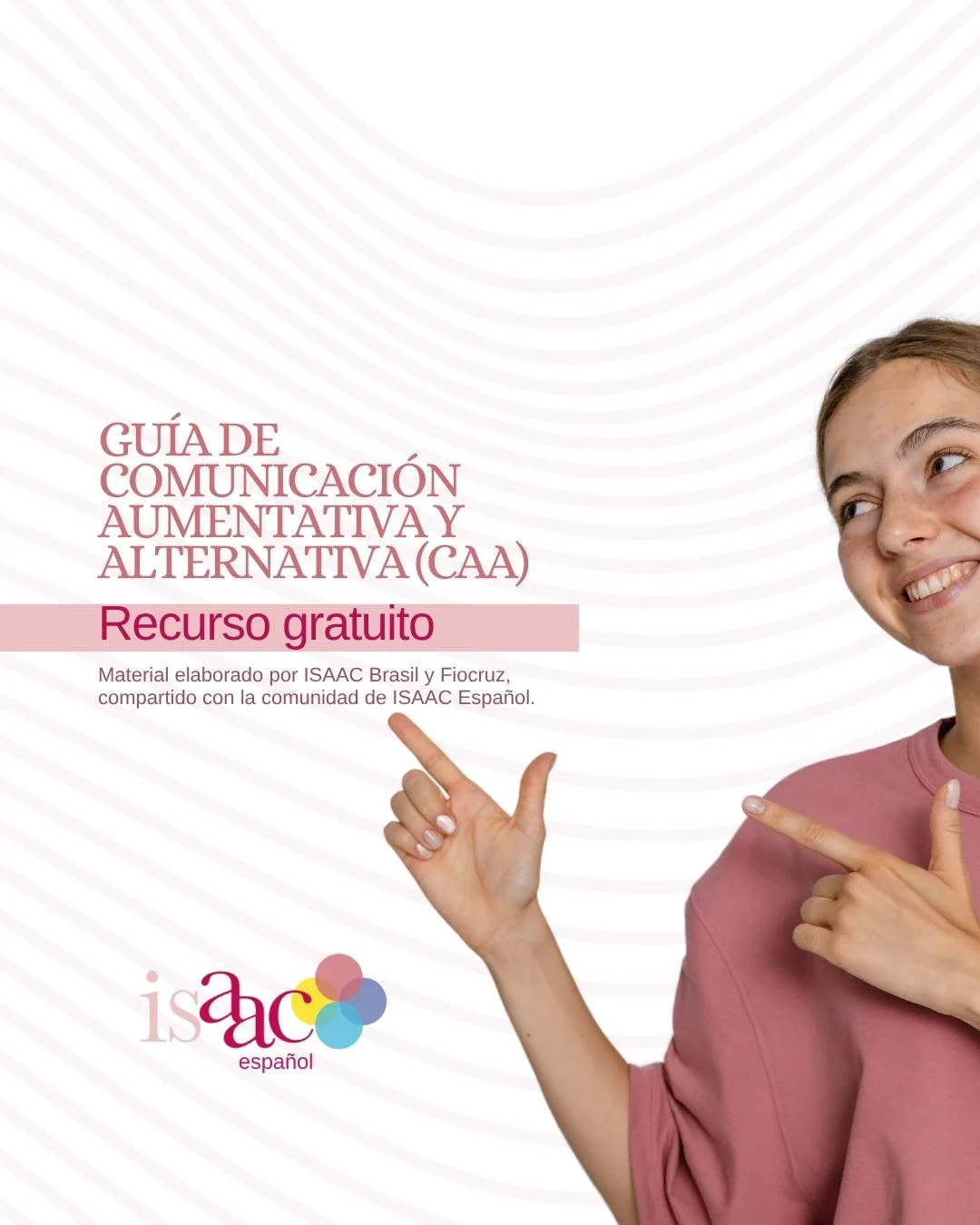
Historical Context and Institutional Collaboration
The genesis of this guide lies in the recognition of a significant "knowledge gap" in the implementation of AAC across Latin America. Historically, while AAC research has flourished in English-speaking nations, the dissemination of localized, culturally relevant materials in Spanish and Portuguese has often been fragmented. ISAAC, a global organization dedicated to improving the lives of children and adults with complex communication needs, has long prioritized the creation of regional networks to address this disparity.
Fiocruz, an institution synonymous with public health excellence in Brazil, provided the technical and academic rigor necessary to frame the guide. The collaboration underscores a growing trend in public health: viewing communicative accessibility not merely as an educational concern, but as a fundamental human right essential for informed consent, healthcare navigation, and social participation. The transition of this document from its original Portuguese version to a refined Spanish edition marks a pivotal shift in how professional organizations facilitate cross-cultural learning.
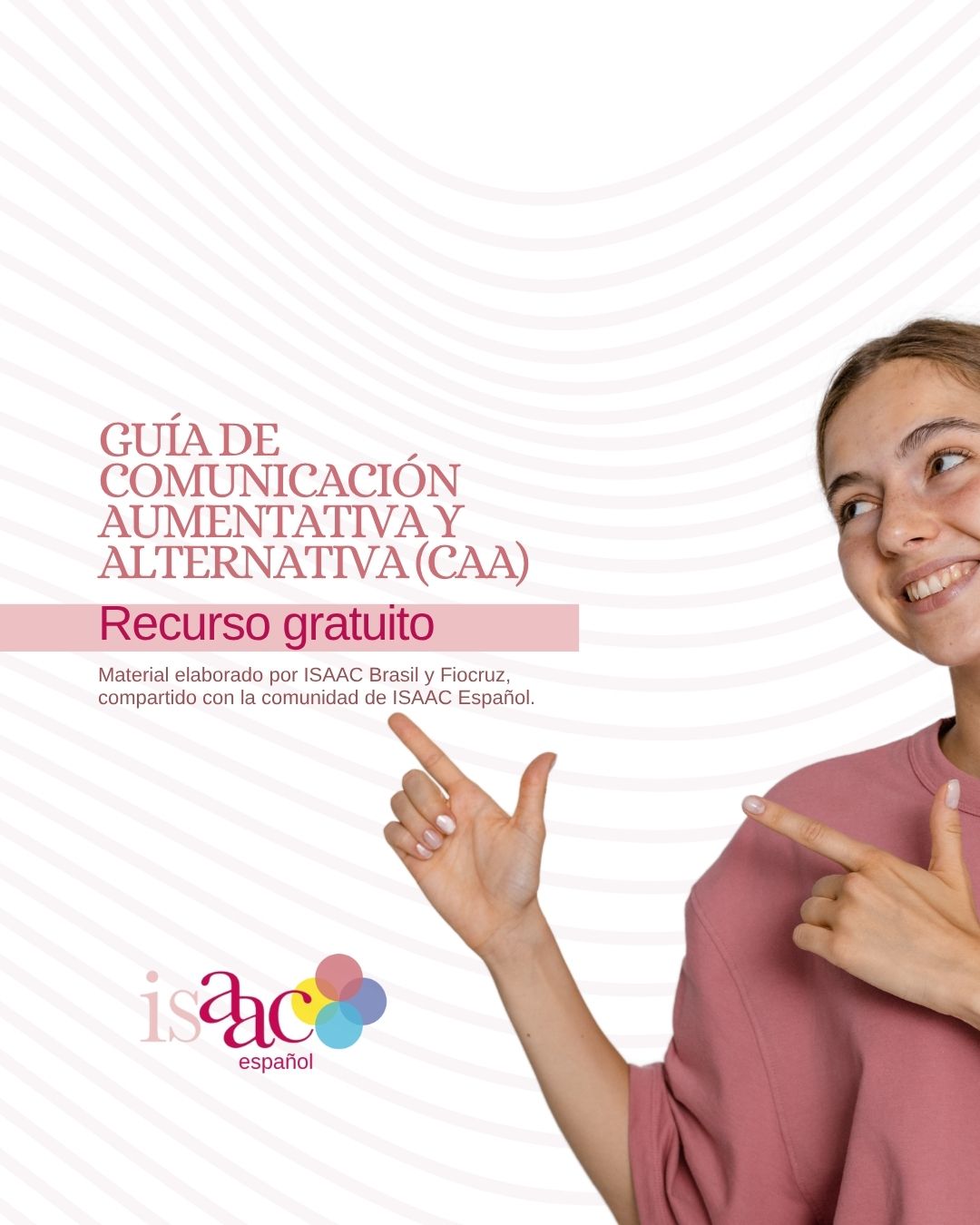
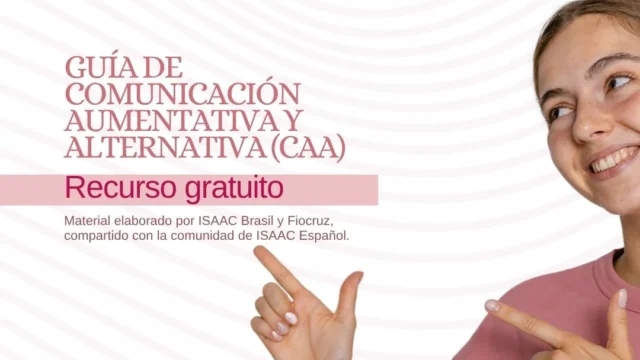
The Anatomy of the Guide
The AAC Guide is designed as a foundational roadmap for a diverse audience, including speech-language pathologists, educators, primary caregivers, and the users of the systems themselves. Its primary objective is to demystify the technology and the methodology behind AAC.
The content is segmented into three primary pillars:
- Rights-Based Frameworks: The guide articulates the legal and ethical necessity of providing communication support, aligning with international standards such as the United Nations Convention on the Rights of Persons with Disabilities (UNCRPD).
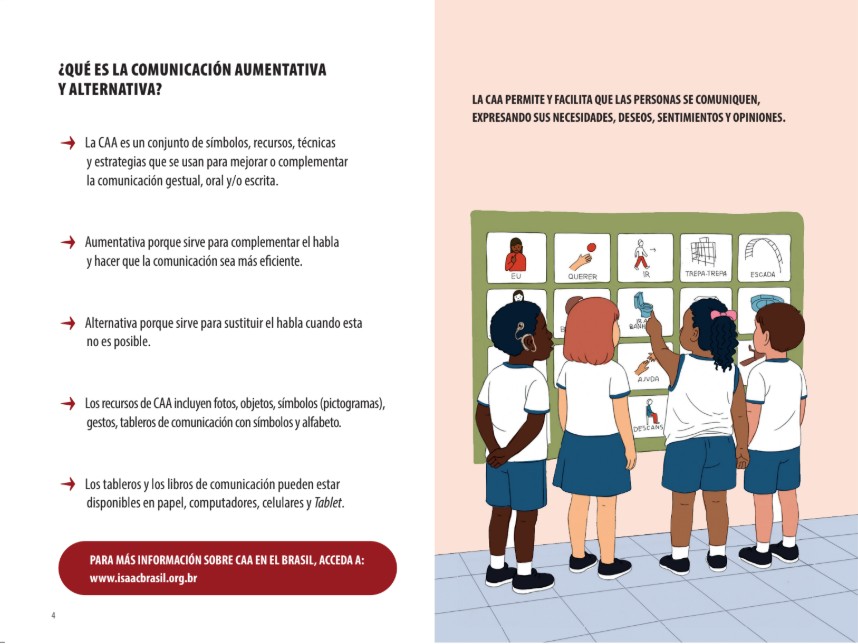
- Foundational Concepts: It breaks down the distinction between aided and unaided communication, the role of high-tech versus low-tech systems, and the importance of vocabulary selection.
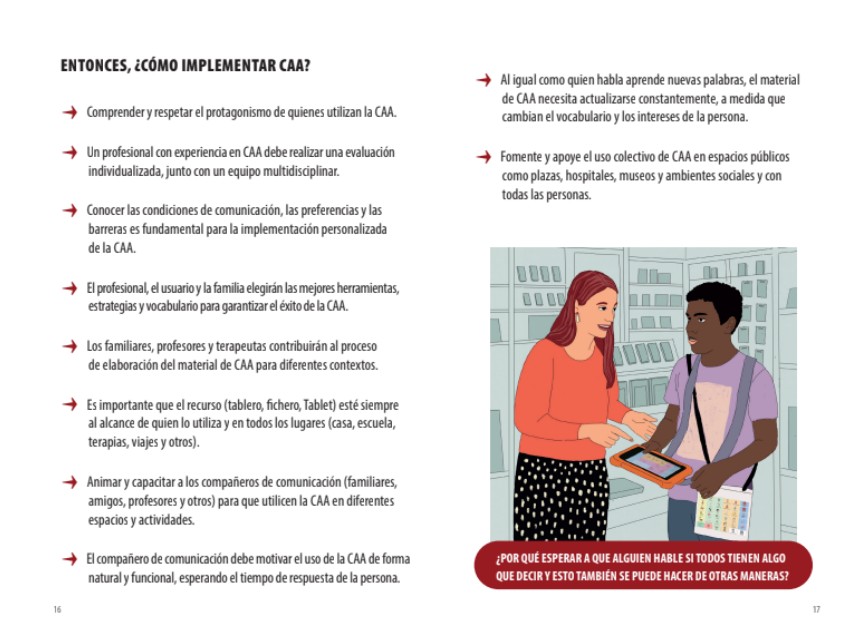
- Implementation Strategies: Perhaps the most vital section, this part provides actionable advice on how to integrate AAC into daily routines, emphasizing that communication is not a therapy session but a lifestyle process.
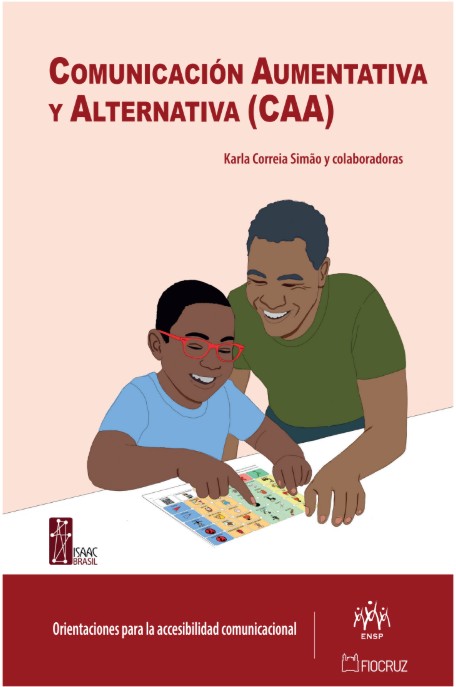
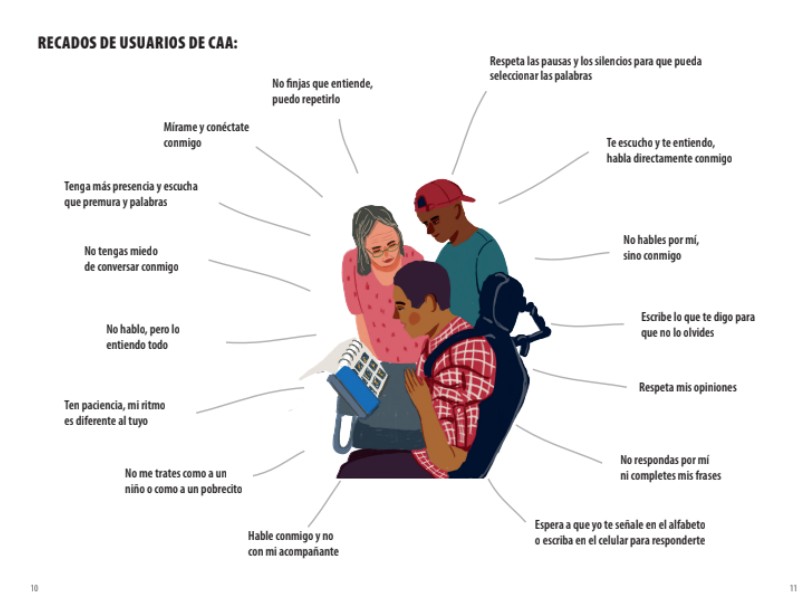
A distinctive feature of the publication is its commitment to authentic representation. The illustrations featured throughout the guide are based on real-world AAC users. By prioritizing the lived experiences of individuals who utilize these tools, the authors ensure that the guide remains grounded in practical application rather than purely theoretical constructs.
Chronology of Development and Distribution
The project began as an internal initiative within the ISAAC Brazil network to address the specific needs of the Lusophone population. Recognizing that Spanish-speaking neighbors faced identical barriers regarding the availability of introductory materials, the partnership with Fiocruz expanded the scope of the project in early 2025.

Following a rigorous peer-review process, the Spanish translation was finalized in late 2025. The official digital launch occurred on April 3, 2026, synchronized across multiple digital platforms including social media channels managed by ISAAC Spanish-language affiliates. The distribution strategy relies on QR code technology and direct-download links, ensuring that the guide remains accessible to families in remote or underserved areas who might lack access to traditional distribution channels.
Global Impact of AAC Accessibility
The implications of this resource extend far beyond a single PDF file. AAC is a rapidly growing field, with market analysts projecting that the assistive technology sector will see consistent growth through 2030. However, technological advancement often outpaces the availability of clinical and pedagogical training.
By providing a free, expert-vetted resource, ISAAC and Fiocruz are effectively lowering the barrier to entry for early intervention. Data suggests that early exposure to AAC—often defined as occurring within the first three years of life for children with developmental delays—significantly improves long-term educational outcomes and social integration. The absence of such guides often results in "wait-and-see" approaches that can permanently hinder a child’s linguistic development.
Furthermore, the document serves as an essential tool for healthcare professionals. As patients with neurodegenerative conditions or those recovering from traumatic brain injuries increasingly require AAC, the guide offers non-specialist medical staff a quick reference point for how to interact with, and support, non-speaking patients.
Expert Perspectives and Institutional Support
While the document is a collaborative effort, it reflects the consensus of the international AAC community. Supporters of the project note that the language barrier has historically prevented the adoption of best practices in countries where Spanish is the primary language.
"The translation is not just about words; it is about cultural adaptation," noted one professional involved in the project’s dissemination. "Implementing AAC in a household in Spain or Mexico requires an understanding of that specific cultural context. By localizing the material, we are ensuring that the advice is not only understood but actually utilized in the home environment."
Industry observers suggest that this guide could serve as a template for other regions, particularly in Southeast Asia and parts of Africa, where similar initiatives to standardize AAC terminology and advocacy are currently in their infancy.
Looking Ahead: The Future of Accessible Communication
The release of this guide is expected to catalyze further discussions regarding the standardization of AAC training. With digital literacy rates increasing globally, the move toward "open-access" clinical materials is becoming the new standard.

The immediate next steps for the project coordinators include gathering feedback from users to determine if subsequent editions require additional modules, such as specific guidance for adult populations or integration with emerging artificial intelligence tools in AAC devices. As it stands, the guide is currently available via the official ISAAC Spanish social media networks, with institutions encouraged to download, print, and distribute the material to foster more inclusive communication environments.
The project represents a successful model of how international cooperation can address domestic health and educational inequities. By leveraging the expertise of established institutions like Fiocruz and the specialized knowledge of the ISAAC community, the guide provides a scalable solution to a universal problem: the fundamental human need to communicate, regardless of the physical or neurological constraints that may exist. As digital platforms continue to shrink the distance between experts and those in need, initiatives like this ensure that the progress of science truly leaves no one behind.