The Evolution of AAC Literature in the Spanish-Speaking World
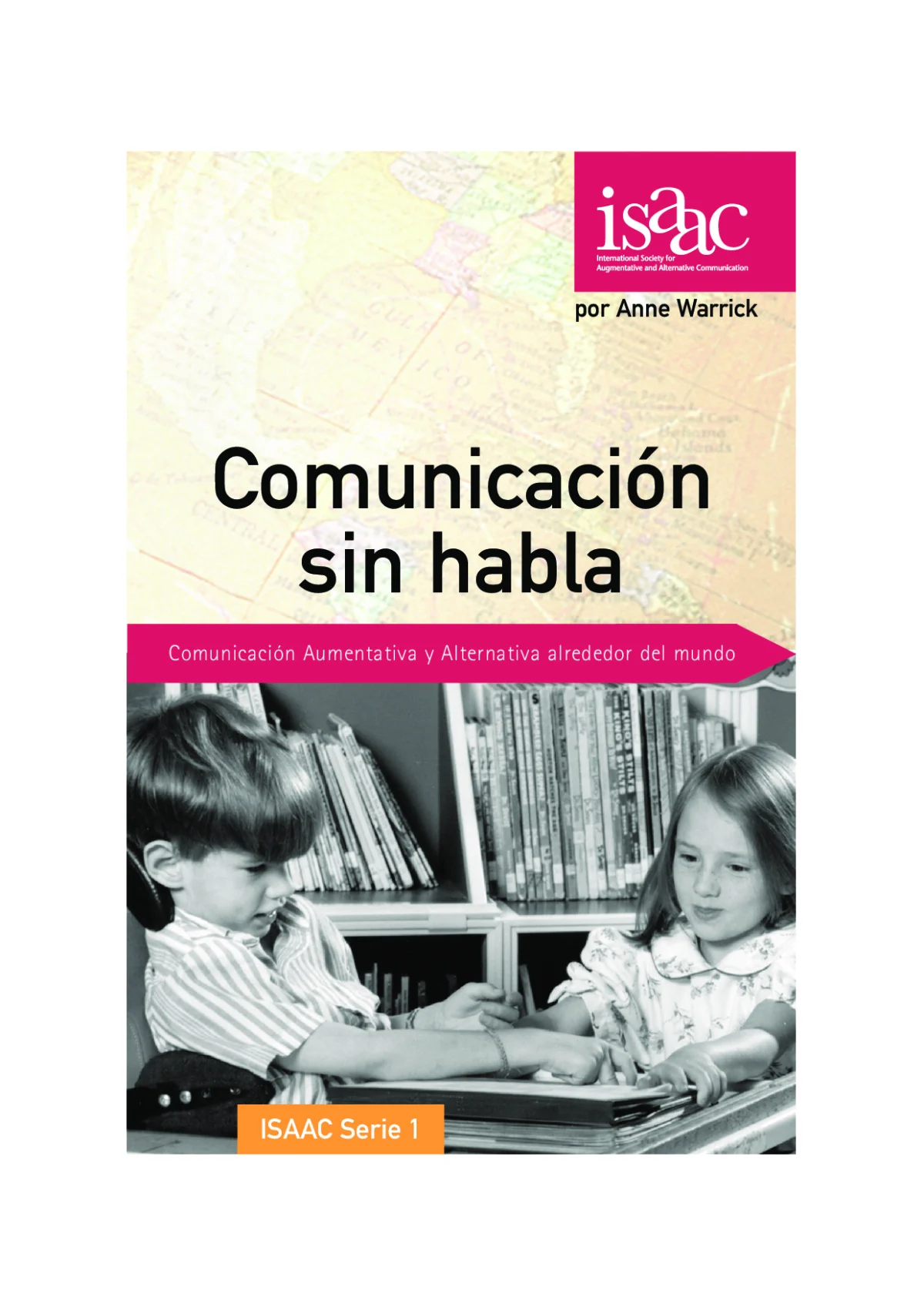
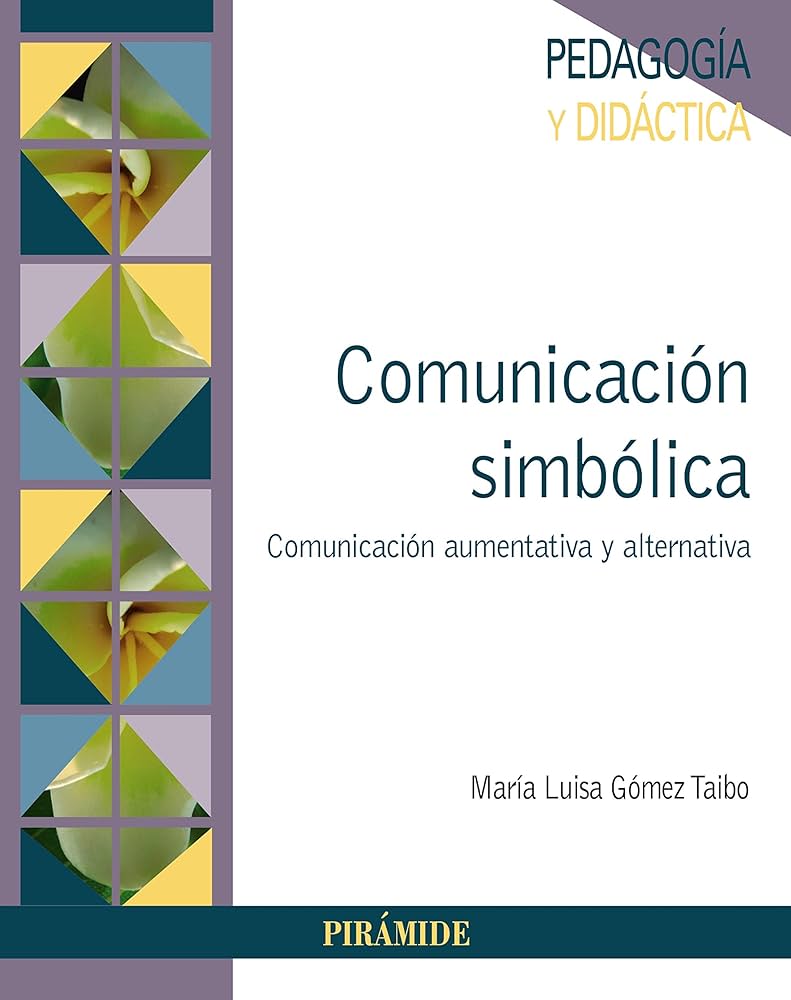
For decades, the field of AAC was dominated by English-language publications, leaving practitioners, educators, and families in Spanish-speaking regions to rely on translated materials or fragmented academic papers. The shift toward a more robust Spanish-language bibliography is not merely a linguistic convenience but a fundamental requirement for the implementation of equitable clinical and educational strategies.
Historically, the dissemination of AAC knowledge has followed a trajectory from clinical research centers in North America and Europe toward global implementation. However, the translation of foundational texts has faced significant delays. In recent years, organizations such as the International Society for Augmentative and Alternative Communication (ISAAC) have prioritized the localization of key texts. This strategic effort aims to bridge the gap between theoretical frameworks and the practical realities faced by professionals in Latin America and Spain, where socioeconomic and cultural contexts often necessitate tailored communication interventions.
Key Evidence-Based Resources
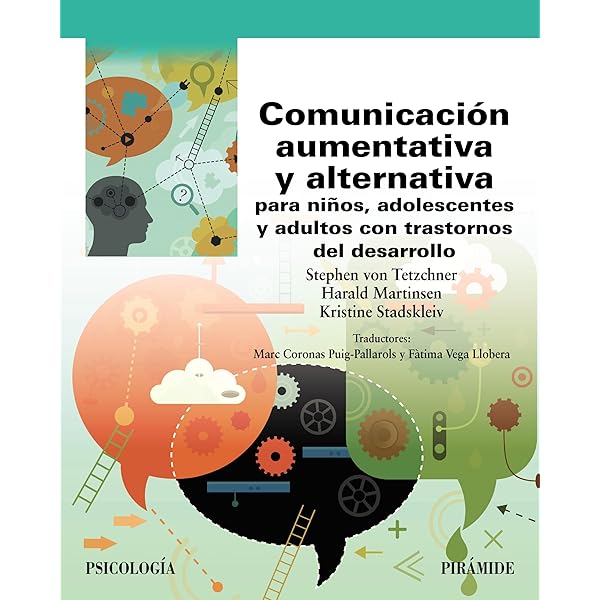
Among the most significant contributions to the current Spanish-language bibliography is the comprehensive work Comunicación aumentativa y alternativa para niños, adolescentes y adultos con trastornos del desarrollo, authored by Stephen von Tetzchner, Harald Martinsen, and Kristine Stadskleiv. This text serves as a cornerstone for modern AAC intervention. It provides a multi-faceted analysis of the communication needs of individuals with developmental disabilities, covering critical pillars such as:
- Assessment Methodologies: Moving beyond static testing to dynamic, contextual evaluation.
- Intervention Strategies: Evidence-based approaches to multimodal communication, including speech-generating devices, manual signs, and low-tech boards.
- Language Development: Insights into the cognitive requirements of AAC users and the importance of fostering autonomous, expressive communication.
The significance of this publication lies in its ability to synthesize years of longitudinal research into a framework that is both academically rigorous and practically applicable. For clinicians, the move toward such comprehensive resources marks a departure from "trial and error" interventions toward standardized, outcome-oriented care.
Data and Trends in Global AAC Implementation
The demand for these resources is driven by a rising demographic of individuals requiring AAC support. According to data from the World Health Organization (WHO), over 1 billion people live with some form of disability, with a significant percentage experiencing speech, language, or communication impairments. In the Spanish-speaking world, which encompasses over 500 million native speakers, the need for localized clinical tools is immense.
Recent industry reports indicate that the digital transformation of AAC—including the proliferation of high-tech apps and speech-generating software—has accelerated the need for updated educational literature. Professionals are no longer just looking for definitions of AAC; they are seeking protocols for integration, linguistic modeling, and long-term support for families. The correlation between the availability of professional literature and improved patient outcomes is well-documented; regions with higher access to formal training and translated documentation show significantly higher rates of successful device adoption and sustained usage by AAC users.
The Role of International Organizations and Collaborative Networks
The work of international bodies like ISAAC has been instrumental in standardizing the "language of communication." By facilitating the translation of peer-reviewed literature, these organizations have created a bridge between researchers and the front-line workers who support individuals with CCN.

In a statement regarding the importance of linguistic diversity in clinical practice, pedagogical experts emphasize that communication is a fundamental human right. When a caregiver or educator in a rural setting in Latin America has access to the same evidence-based literature as a clinician in a major metropolitan center, the global standard of care rises. This democratization of information is the core objective of the current movement to expand the Spanish-language AAC library.
Implications for Future Practice and Education
The shift toward a more robust, Spanish-language library for AAC has profound implications for both the educational and clinical sectors:
- Standardization of Practice: With uniform textbooks and reference materials, professional certification programs can better align their curricula, leading to a more consistent standard of service across different nations.
- Family Empowerment: Accessible literature allows parents and guardians to take an active, informed role in the therapeutic process, transforming them from passive observers into primary communication partners.
- Cultural Sensitivity: As new materials are developed specifically for Spanish-speaking contexts, they can better incorporate cultural nuances and linguistic specificities that are often overlooked in direct translations from English-centric models.
Chronology of AAC Resource Development
- 1980s–1990s: Primary AAC knowledge is largely concentrated in English-language academic journals and specialized English texts.
- 2000–2010: Increased global advocacy leads to the founding of more regional ISAAC chapters, initiating the informal translation of manuals and brochures.
- 2015–2020: The digital age and social media networking among AAC professionals lead to a surge in collaborative translation projects and the rise of digital resource repositories.
- 2021–Present: Formal publication of major comprehensive academic texts in Spanish marks a new era of professional legitimacy and structural support for the Spanish-speaking AAC community.
Moving Forward: The Need for Continued Investment
While the progress in making AAC literature available in Spanish is commendable, the field faces ongoing challenges. The rapid evolution of technology means that print media often risks becoming outdated by the time it reaches the market. Consequently, there is an increasing push for hybrid models—digital platforms that host the latest research alongside traditional, comprehensive books.
Furthermore, the integration of these materials into university-level speech therapy and special education programs remains an area for improvement. For these resources to have maximum impact, they must be incorporated into the mandatory curricula of higher education institutions across the Spanish-speaking world. The current momentum, highlighted by the recent celebration of International Book Day, serves as a strong foundation for this long-term objective.
By continuing to prioritize the creation, translation, and distribution of high-quality, evidence-based literature, the global community ensures that no individual is denied the right to communicate due to a lack of accessible information. The ongoing efforts by professionals and advocates demonstrate a clear commitment to fostering a more inclusive society where communication barriers are dismantled through the power of shared knowledge and collective expertise. As we look toward the remainder of the year, the focus remains on sustaining this growth, ensuring that the next generation of AAC users and their support systems have the comprehensive tools necessary to thrive.