
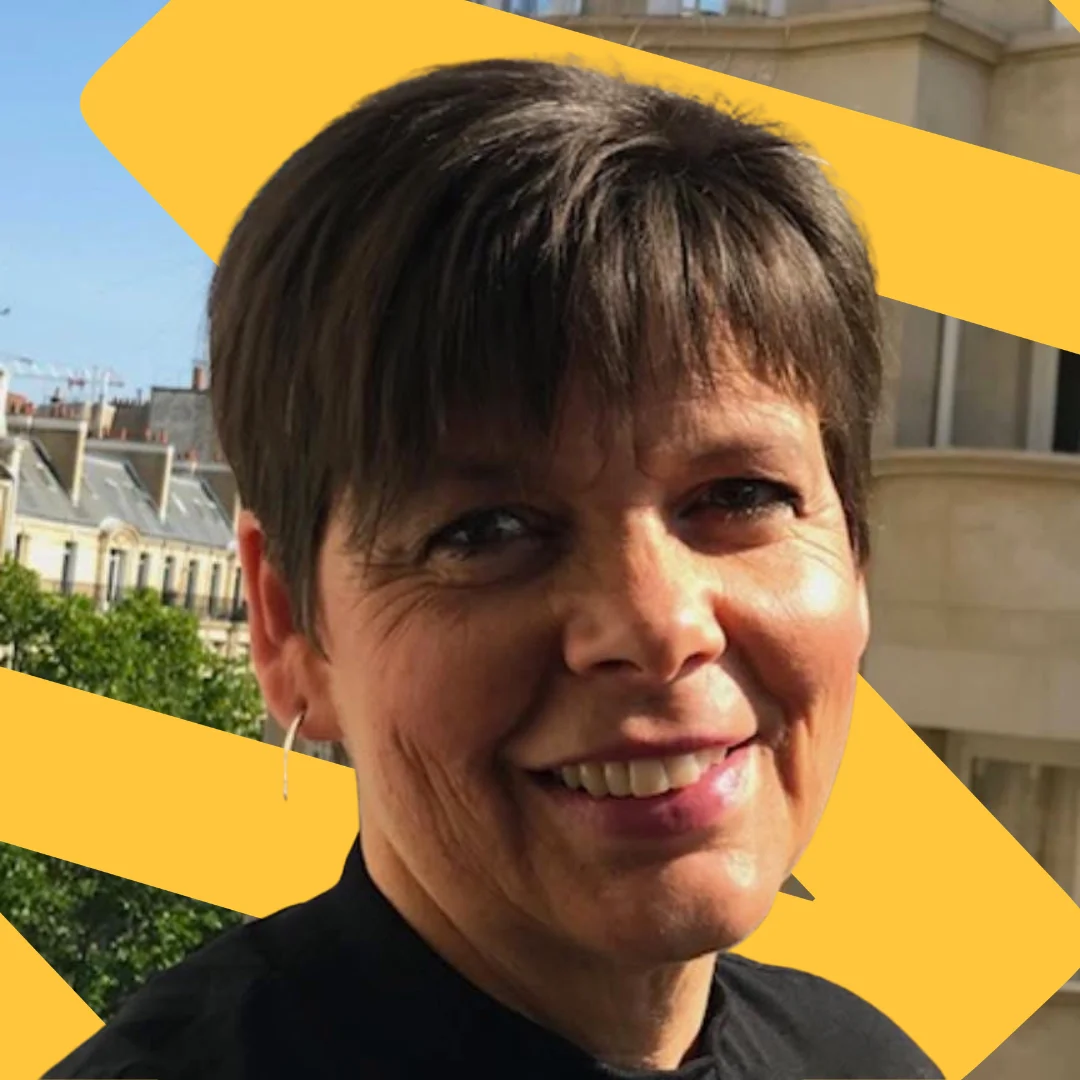
A Journey from Diagnosis to Advocacy
Mona’s experience began at age 20, a period defined by a life-altering medical crisis. Following a diagnosis of meningitis, she developed chronic tinnitus in her left ear. For many, the sudden onset of a permanent, intrusive sound can trigger a cascade of anxiety, sleep disturbances, and social withdrawal. However, Mona’s trajectory was marked by a proactive approach to habituation.
"Habituating to life with tinnitus has made me a patient and calm kind of person," she notes. "Almost everything else in life you can conquer with a combination of robust knowledge and strategic management."
Her early recovery was bolstered by a strong support network of friends and peers, as well as clinical guidance that addressed her technical queries. This initial period of support proved essential, as it allowed her to move past the initial trauma of the condition and adopt a "second chance" perspective on life. Her decision to formalize this experience through Tinnitus UK three decades later was prompted by the persistent societal lack of understanding regarding the condition. The catalyst was a dismissive comment—"Tinnitus! Have you not got that sorted yet?"—which served as a stark reminder that despite decades of medical advancement, the public perception of tinnitus remains fraught with misconceptions.
The Evolution of Tinnitus Support
The landscape of tinnitus care has shifted dramatically over the last thirty years. In the 1990s, when Mona first encountered the condition, healthcare systems operated under different resource constraints. Today, the global burden of tinnitus has increased, driven by factors such as rising noise pollution, an aging population, and the long-term sequelae of viral infections.
Modern healthcare providers, while highly skilled, are often constrained by administrative backlogs. Data from various national health services indicate that audiology departments are currently facing unprecedented demand, often resulting in wait times of several months for initial assessments. This creates a "support vacuum" where patients are left to navigate the initial, most distressing phases of their condition without guidance.
This is precisely where the model championed by volunteers like Mona becomes indispensable. By establishing a local support group in Southsea, she has created a forum for peer-to-peer knowledge exchange. These groups do not replace medical advice; rather, they provide the "social glue" that clinical appointments cannot—an environment where individuals can share strategies for "finding their new self" in a non-clinical, empathetic setting.
The Role of Volunteering in Public Health
Volunteering for a national charity like Tinnitus UK serves a dual purpose: it provides essential services to the public while fostering personal growth for the volunteer. From an organizational standpoint, the charity relies on a network of individuals who translate complex medical information into accessible, lived-experience wisdom.
Tinnitus UK’s mission centers on providing evidence-based information and fostering connections between patients, researchers, and healthcare professionals. The synergy between these groups is essential for advancing the research agenda. By organizing local cohorts, volunteers facilitate a feedback loop where the real-world impact of tinnitus is documented, which can, in turn, inform future clinical research and policy decisions.
Quantifying the Impact of Community Support
While the psychological benefits of support groups are well-documented, the logistical impact on the healthcare system is equally significant. Research published in journals such as The Lancet and various audiology reviews suggests that patients who engage in peer-led support groups often demonstrate better self-management skills, which can lead to a reduction in recurring clinical visits for minor anxiety-related issues stemming from the condition.
For the volunteers themselves, the work is both demanding and rewarding. Organizing a support group requires administrative oversight, venue coordination, and the emotional labor of holding space for others’ struggles. However, the outcomes—individuals leaving meetings with increased clarity, hope, and a sense of belonging—serve as a powerful motivator.
Addressing the Misconceptions
A persistent challenge in the tinnitus community is the "invisible" nature of the condition. Unlike conditions that result in physical impairment, tinnitus is entirely internal. This leads to the "have you not got that sorted yet?" sentiment, which assumes that tinnitus is a problem with a simple, singular solution.
In reality, tinnitus management is a process of habituation. It is about the brain learning to filter out the sound, much like it filters out the hum of a refrigerator. This requires patience, strategy, and, often, the encouragement of those who have already navigated the process. By normalizing the conversation around tinnitus, volunteers are instrumental in stripping away the stigma that prevents many from seeking help.
The Call to Action for Potential Volunteers
Mona’s message to others is clear: "Do it." For those who have lived with tinnitus for years, the transition from patient to advocate can be a transformative experience. Volunteering offers more than just the opportunity to help others; it provides a sense of purpose and the acquisition of new skills, ranging from group facilitation to public outreach.
The professionalization of the volunteer sector within charities like Tinnitus UK ensures that those who step forward are equipped with the resources and training necessary to handle the responsibilities effectively. It is a structured, purposeful way to contribute to a cause that is currently underfunded and often overlooked in the broader medical discourse.
Future Implications
As the prevalence of tinnitus continues to rise, the need for community-based support will only grow. The model of local, volunteer-led groups provides a scalable, cost-effective solution to the current gaps in primary care.
Looking ahead, Tinnitus UK and its network of volunteers represent a critical component of the healthcare ecosystem. By bridging the gap between clinical care and the daily reality of living with a chronic condition, they ensure that the "new you" is not just a goal, but an achievable reality for millions. The dedication of individuals like Mona proves that the most effective way to tackle a widespread, invisible condition is through the visible, collective effort of those who have lived it and are willing to share their path to resilience with others.
Through the combination of evidence-based advocacy, peer support, and a commitment to continuous research, the community surrounding Tinnitus UK is effectively changing the narrative of the condition—moving it from a source of despair to an opportunity for community connection and personal empowerment. The future of tinnitus management, therefore, lies not just in the clinic, but in the hands of the individuals who refuse to let the condition define the limits of their potential.