

Unveiling Auracast: A Technological Leap in Audio Transmission
To fully appreciate the significance of Auracast, it is essential to understand its underlying technology and how it represents a substantial departure from previous assistive listening systems. Auracast leverages the latest iteration of Bluetooth Low Energy (LE) Audio to enable a single audio transmitter to broadcast multiple audio streams to an unlimited number of nearby receivers. This stands in stark contrast to traditional Bluetooth, which typically facilitates one-to-one or one-to-few connections. Historically, public venues have relied on systems such as induction loops (telecoils), FM systems, or infrared systems to provide assistive listening. While these technologies have served their purpose, they often come with limitations: telecoils require compatible hearing aids and can suffer from electromagnetic interference; FM systems can be prone to signal dropout and require specialized receivers; and infrared systems need line-of-sight and are limited to enclosed spaces.
Auracast addresses these challenges by offering a universal, high-quality, and energy-efficient solution. It enables users to connect directly to public audio streams using their personal compatible devices—be it hearing aids, cochlear implants, smartphones, or earbuds—transforming any public space into a personalized audio zone. The benefits include crystal-clear audio, reduced background noise, and the ability to adjust volume and other settings to individual preference, all with low latency that ensures perfect synchronization between audio and visual cues. This technological leap, orchestrated by the Bluetooth Special Interest Group (SIG) in collaboration with industry leaders, promises to democratize high-quality audio access in a way previously unimaginable.
The Seoul Demonstration: A Glimpse into Auracast’s Universal Appeal
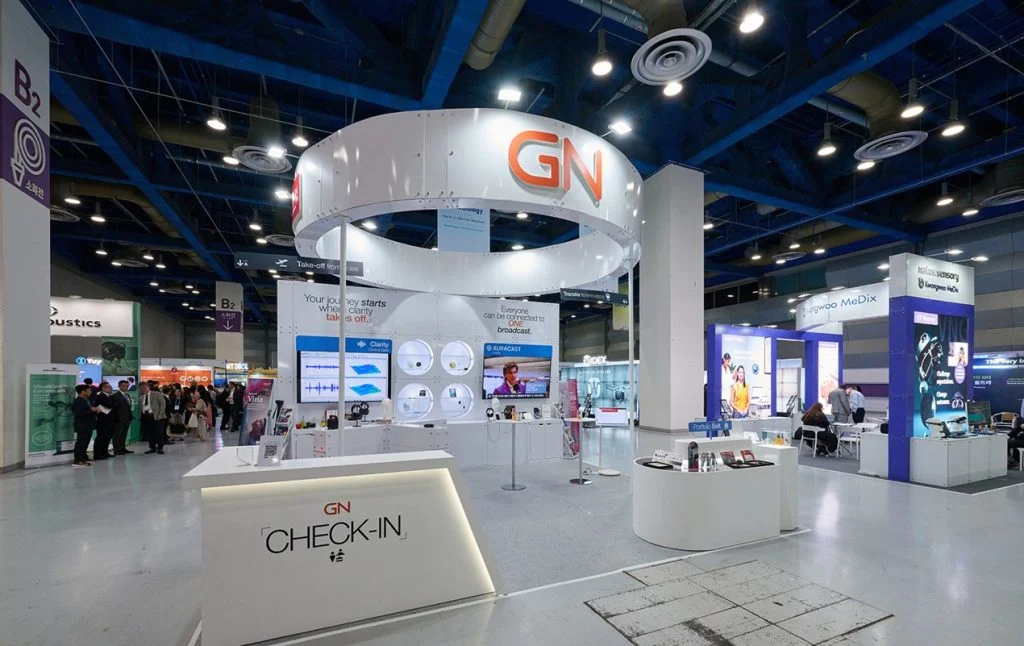
The profound potential of Auracast was vividly demonstrated firsthand during the World Congress of Audiology (WCA) held in Seoul in May. The WCA, a biennial international gathering that unites leading audiologists, hearing scientists, and industry innovators, served as an ideal backdrop for showcasing cutting-edge advancements in hearing health. As part of this prestigious event, GN Hearing, a global leader in intelligent audio solutions, hosted an evening K-pop event followed by an insightful panel discussion. This event was meticulously designed to double as a real-world test case for Auracast technology in a demanding listening environment.
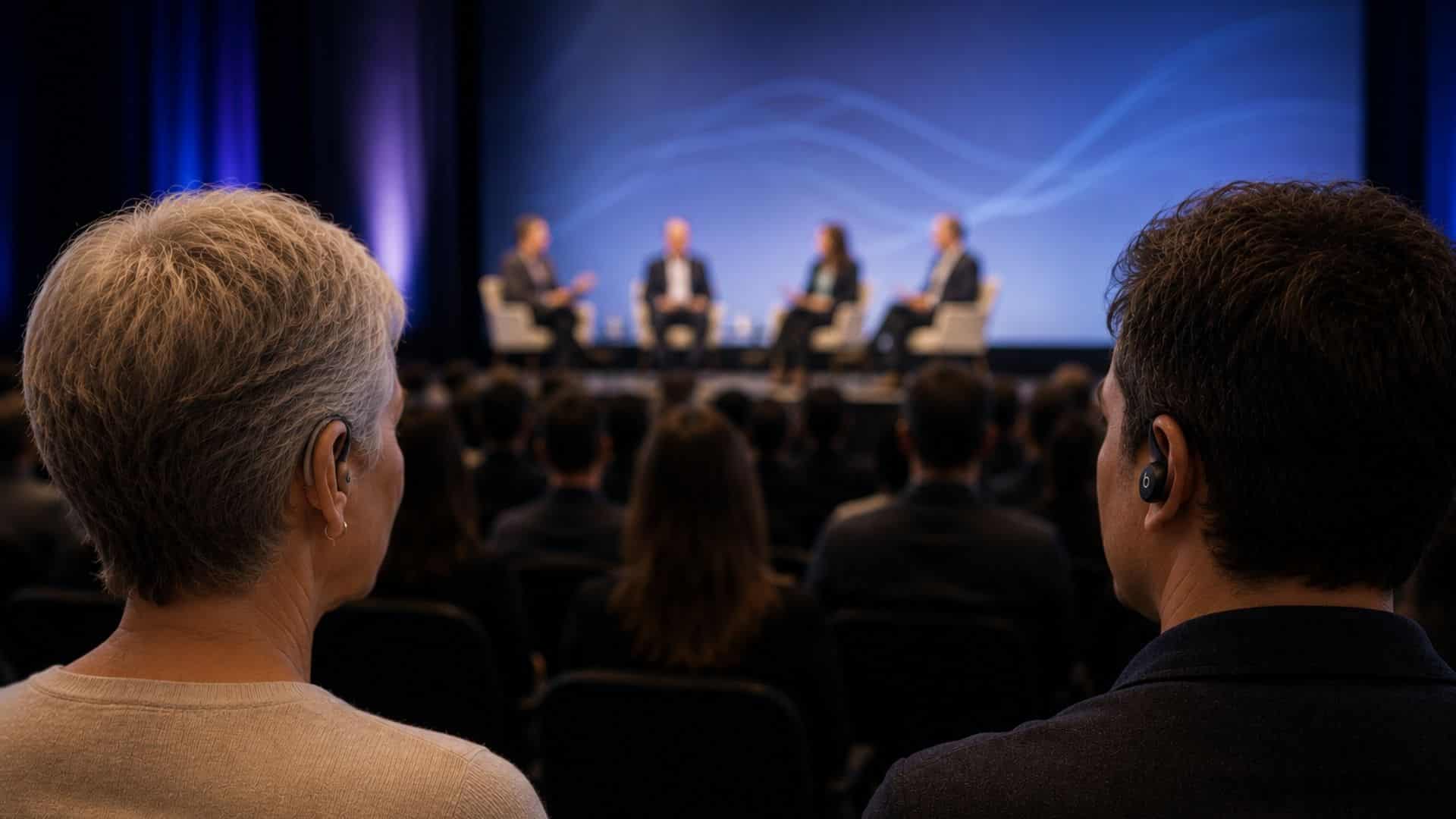
The venue chosen for the demonstration was a large, acoustically challenging hall—a common scenario in many public spaces. Characterized by hard surfaces and significant reverberation, this type of environment frequently presents considerable difficulties even for individuals with typical hearing, where sound tends to bounce and conversations easily overlap, leading to a muddled and fatiguing listening experience. During the K-pop performance and subsequent panel, the ambient noise and echo made following the discussion arduous. Attendees, including the author, found themselves instinctively leaning forward, straining to discern speech amidst the cacophony—a common coping mechanism for those grappling with difficult acoustics.
However, the moment an individual tapped into the Auracast audio stream, the transformation was immediate and striking. The panel discussion, previously obscured by the room’s challenging acoustics, came through with unparalleled clarity—clean, direct, and effortless. This direct audio feed bypassed the room’s inherent flaws, delivering the spoken word with perfect fidelity. The impact was not limited to those with documented hearing loss. The author’s husband, who possesses typical hearing, also engaged with the Auracast stream. His reaction was one of profound surprise and enthusiasm, exclaiming, "That’s remarkable." This spontaneous observation underscored a critical insight: Auracast’s appeal extends far beyond the traditional confines of accessibility. It offers a fundamentally superior listening experience that resonates with everyone, regardless of their hearing acuity. This single moment in Seoul powerfully illustrated the core reason why Auracast possesses the capacity to fundamentally transform public hearing access for the better. The demonstration served as a compelling proof-of-concept, suggesting that when the quality of an experience is significantly enhanced for all, adoption becomes a matter of preference, not just necessity.
Beyond Accessibility: The Power of Universal Design
The concept of "universal design" posits that features initially developed to assist individuals with disabilities frequently yield widespread benefits for the entire population. The quintessential example is the curb cut: ramps originally installed to facilitate wheelchair access are now routinely utilized by parents with strollers, travelers with rolling luggage, and delivery personnel. These once-specialized accommodations have become an indispensable and largely unnoticed part of urban infrastructure. Nobody advocates for curb cuts anymore; they are simply an accepted and essential component of modern street design.
Auracast possesses all the hallmarks of becoming a "curb-cut moment" for hearing. For decades, assistive listening technology has been predominantly framed as a niche solution exclusively for those with hearing loss. However, what captivated the author’s husband in Seoul was not merely accessibility; it was the sheer quality of the audio experience. He encountered perfect fidelity delivered at a personalized volume, granting him unprecedented control over his listening environment. Crucially, the virtual elimination of background noise meant he could reduce the volume, rather than instinctively increasing it to compensate for ambient distractions. This level of granular control over audio in a noisy public space was, for him, a novel and highly desirable experience.
His only minor critique, the momentary difficulty in engaging in side conversations while wearing headphones, is a social adaptation that individuals with hearing loss have long mastered. More significantly, the shared experience he and the author had—not one accommodating the other, but both enjoying the same superior audio quality—was deeply impactful. This parity in listening experience is profoundly empowering. When individuals with typical hearing actively seek out and prefer the same solution designed to aid those with hearing loss, the technology transcends its status as a specialized accommodation. It evolves into mainstream infrastructure, driven not solely by compliance mandates, but by overwhelming public demand. This shift from mandated provision to consumer preference is critical; accessibility mandates can instigate change, but often at a glacial pace. Consumer demand, on the other hand, is a far more potent and rapid accelerator of innovation and adoption.
Broader Applications and Transformative Impact

The applications of Auracast extend across a vast spectrum of public and semi-public environments, promising to elevate the auditory experience in ways previously unattainable. Consider the diverse benefits:
- Movie Theaters: Patrons could receive dialogue directly into their personal devices, eliminating issues of muffled sound or inconsistent volume, and allowing for personalized audio tracks (e.g., director’s commentary, descriptive audio, or foreign language dubbing).
- Airports and Public Transport: Crucial announcements—boarding calls, gate changes, safety instructions—could be streamed directly to individual devices, cutting through the typical cacophony of busy terminals and trains. This enhances both convenience and safety, particularly for those with hearing difficulties or in noisy environments.
- Lecture Halls and Conference Rooms: Students and attendees could receive clear lecture audio, potentially in multiple languages, directly to their devices, improving comprehension and engagement. This also facilitates accessibility for participants in hybrid or remote settings.
- Jury Rooms and Legal Settings: Ensuring clear audio for all jurors, legal professionals, and witnesses is paramount for fair judicial processes. Auracast could deliver direct, intelligible audio, minimizing misunderstandings due to poor acoustics.
- Performance Venues and Houses of Worship: Audiences could enjoy enhanced sound quality for concerts, plays, and sermons, with personalized volume settings and the option for assistive commentary or multilingual interpretation. This creates a more inclusive and immersive experience for all attendees.
- Sports Arenas: Fans could listen to play-by-play commentary, statistics, or even specific team audio feeds directly on their devices, augmenting the live event experience.
Beyond these specific examples, Auracast promises to foster greater inclusion for people with hearing loss, diminish the stigma associated with using assistive devices (as everyone benefits), and significantly improve communication efficacy in virtually any public setting. This leads to a more equitable and less fatiguing auditory landscape for society as a whole.
Navigating the Road Ahead: Challenges and Considerations
Despite its immense promise, the path to widespread Auracast adoption is not without its challenges. Progress is certainly underway, with notable early adopters such as London’s National Theatre, Shakespeare’s Globe, and the iconic Sydney Opera House actively installing the technology. However, several critical caveats must be addressed for Auracast to achieve its full potential.
- Device Compatibility: The current landscape of device compatibility remains uneven. Older hearing aids lack built-in Auracast capability, and while many newer hearing devices from leading manufacturers are integrating it, universal availability is not yet a reality. A significant hurdle remains with Apple, a dominant player in the consumer electronics market, which has not yet enabled Auracast on any of its ubiquitous devices. Given Apple’s substantial market share and ecosystem influence, its eventual adoption of Auracast will be a pivotal moment for broader consumer uptake. Without it, a large segment of smartphone and earbud users will be unable to access public Auracast streams.
- Standardization and Regulation: The international IEC standard governing Auracast assistive listening installations is not anticipated until late 2027. This delay leaves important questions concerning interoperability across different manufacturers’ devices and specific compliance requirements for accessibility mandates, such as the Americans with Disabilities Act (ADA), largely unanswered. The absence of a finalized, universally accepted standard could slow down venue installations, as operators may hesitate to invest in technology whose long-term regulatory framework is still evolving. Clear guidelines are essential to ensure consistent user experience and legal compliance.
- Venue Rollout Pace: While early adopters are commendable, the sheer number of public venues that have installed Auracast remains relatively small. As the original article aptly describes, possessing an Auracast-compatible hearing aid today is akin to owning an electric vehicle before a widespread, reliable charging network existed. The utility of the device is significantly curtailed without the complementary infrastructure. Venues face significant investment costs for installation, and without clear incentives or a strong public demand signal, the rollout could be protracted.
- Industry Coordination and Legacy Support: Effective coordination among hearing aid manufacturers, consumer electronics giants, and venue operators is crucial for a seamless transition. Furthermore, it is imperative that hearing aid manufacturers and hearing care professionals continue to vigorously support existing assistive listening solutions, most notably telecoils. While enthusiastic about Auracast’s future, it is critical not to abandon the millions of individuals who currently rely on established technologies and use them successfully in their daily lives. A gradual, inclusive transition strategy is paramount.
Economic and Societal Implications
The widespread adoption of Auracast carries significant economic and societal implications. Economically, it could stimulate a new wave of innovation and market growth in the hearing technology sector, from new Auracast-enabled devices to enhanced venue infrastructure. Venues might see increased patronage due to improved accessibility and a superior user experience, potentially creating new revenue streams. The reduced need for specialized, often cumbersome, and sometimes poorly maintained legacy assistive listening devices could also lead to long-term cost efficiencies for venue operators.
Societally, Auracast promises a more inclusive public sphere. By dissolving communication barriers and offering a consistently high-quality listening experience, it can reduce the cognitive fatigue and social isolation often experienced by individuals with hearing loss. It can foster a sense of belonging and equal participation in cultural, educational, and civic life. The "curb-cut" effect, where a technology designed for a minority benefits the majority, can also lead to reduced stigma around hearing loss, as the act of accessing an audio stream becomes a common behavior for everyone, regardless of their hearing status.
The Bottom Line: A Future Shaped by Shared Benefit
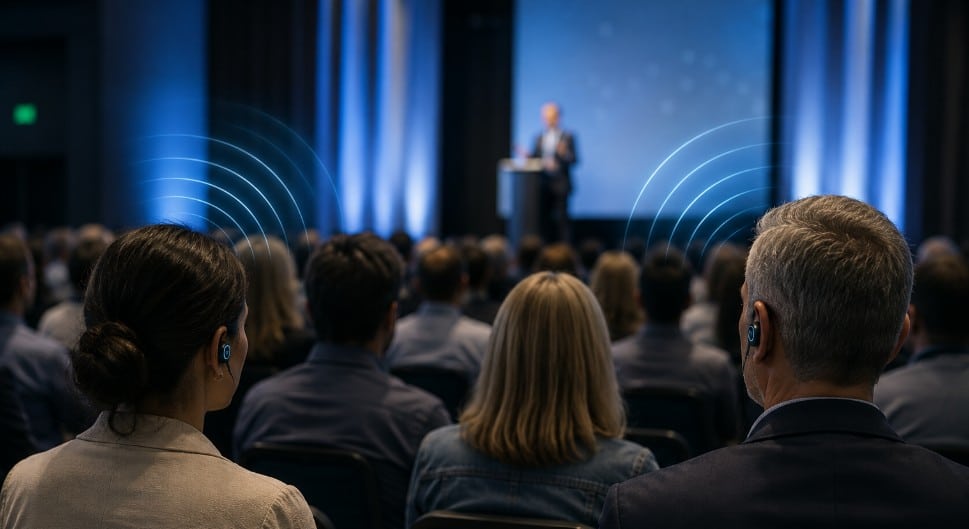
For decades, the global community of individuals with hearing loss has held a fervent hope for the creation of universally better listening environments. Auracast’s most profound promise lies in its capacity to transform this aspiration into a shared desire, making superior listening something everyone actively seeks.
When a technology initially conceived to aid those with hearing loss demonstrably elevates the experience for the general public—as so vividly illustrated by the reaction of the author’s husband in Seoul—it captures widespread attention. And when the world’s attention converges on a solution that offers such universal benefit, the pace of change can accelerate far beyond initial expectations. Auracast is not merely an incremental improvement; it is a paradigm shift that redefines public audio access. While the journey to ubiquitous adoption will require concerted effort, continued innovation, and strategic collaboration across industries, the compelling evidence suggests that Auracast is poised to become an indispensable component of our shared auditory landscape, transforming how we all experience sound in public spaces.
Shari Eberts is a passionate hearing health advocate and internationally recognized author and speaker on hearing loss issues. She is the founder of Living with Hearing Loss, a popular blog and online community for people with hearing loss, and an executive producer of We Hear You, an award-winning documentary about the hearing loss experience. Her book, Hear & Beyond: Live Skillfully with Hearing Loss, (co-authored with Gael Hannan) is the ultimate survival guide to living well with hearing loss. Shari has an adult-onset genetic hearing loss and hopes that by sharing her story, she will help others to live more peacefully with their own hearing issues. Connect with Shari: Blog, Facebook, LinkedIn, Twitter.


