
The Department of Labor and Industry (DLI), which oversees Minnesota OSHA, finalized its fatality investigation summary on September 29, 2026, followed by a supplemental update to the serious-injury log on October 15. These documents catalog a wide spectrum of workplace hazards, ranging from mechanical failures and structural collapses to the persistent risks associated with heavy machinery and electrical systems. As the state economy continues to evolve, these findings highlight the necessity of robust safety protocols and consistent regulatory oversight.

A Chronology of Workplace Hazards
The 2026 fiscal year saw a series of incidents that underscore the unpredictable nature of industrial hazards. The following chronology outlines significant events documented by state investigators, illustrating the breadth of the challenges identified in the reports:
- January 2026: In Elk River, a worker in the food manufacturing sector suffered traumatic finger amputations. Subsequent OSHA investigations led to formal citations, highlighting the dangers inherent in food processing equipment.
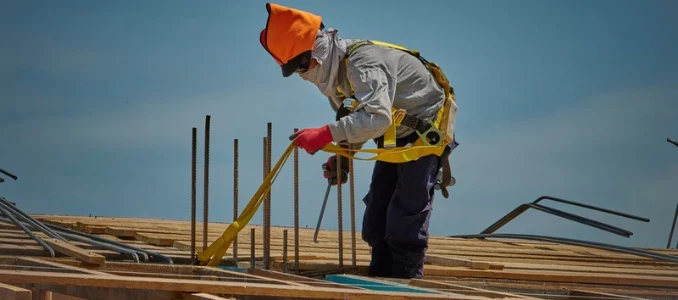
- April 2026: A construction site in Long Lake experienced a structural failure where roof trusses collapsed, resulting in serious injuries to workers who fell from the elevation.
- July 20, 2026: In Lakeville, a truss collapse incident resulted in a worker suffering a fall, prompting further inquiry into construction site stability and load-bearing safety protocols.
- July 29, 2026: An employee in Albertville was struck by a bundle of steel, an incident that emphasizes the importance of rigging and material handling safety procedures.
- July 2026 (General): A forklift incident in Coon Rapids resulted in a worker being struck by the equipment, a common but preventable hazard in warehouse and manufacturing environments.
- August 2026: Two employees at an electric power distribution operation in Melrose were severely burned during an arc flash incident, underscoring the lethal nature of electrical maintenance tasks.
- September 4, 2026: A worker was fatally pulled into machinery at a machine shop in Perham, a reminder of the critical need for machine guarding and lockout/tagout (LOTO) procedures.
- September 2026 (General): A fatality was recorded at a refinery in St. Paul Park, where an employee was discovered deceased inside a machine.
These incidents, among others, paint a sobering picture of the risks associated with daily industrial operations. While some investigations have reached a final resolution with citations issued to employers, others remain open as investigators continue to gather evidence, perform site assessments, and interview witnesses to determine the root causes of these tragic events.
The Scope of Industrial Risk
The data compiled by Minnesota OSHA reveals that no single industry is immune to workplace trauma. Construction, traditionally viewed as high-risk, remains a primary focus, particularly regarding falls from height—a leading cause of death in the sector. However, the 2026 data indicates that manufacturing and utilities present equally complex safety challenges, characterized by moving parts, high-voltage equipment, and heavy material handling.

Beyond traditional industrial environments, the report highlights an increasing concern regarding workplace violence within the health care sector. Minnesota OSHA has documented multiple incidents in cities including Burnsville and Minneapolis where health care personnel were struck or assaulted by patients. This emerging data point reflects a broader national trend in the medical field, where the safety of staff is increasingly threatened by external behavioral factors that require specialized mitigation strategies, such as updated facility security and staff training in de-escalation.
Fact-Based Analysis of Implications
The release of these reports is more than a administrative formality; it acts as a diagnostic tool for the state’s industrial health. By categorizing incidents by date, location, and hazard type, Minnesota OSHA enables safety directors to conduct gap analyses within their own facilities.
A recurring theme across the 2026 investigations is the failure of physical protective systems. Whether it is the collapse of structural trusses or the failure to isolate energy during machine maintenance, many of the recorded incidents stem from a breakdown in the "Hierarchy of Controls." This safety framework prioritizes the elimination of hazards at the source, followed by engineering controls, administrative controls, and finally, personal protective equipment (PPE). The prevalence of incidents involving moving equipment suggests that employers may be over-relying on administrative procedures—such as warning signs or verbal instructions—rather than implementing effective engineering solutions like interlocked machine guards or automated shut-off systems.

Furthermore, the electrical incidents in Melrose serve as a poignant reminder that even highly trained personnel in specialized industries are at risk. Arc flash injuries often result from a combination of aging infrastructure and human error, necessitating rigorous, recurring training and the use of appropriate arc-rated clothing.
Official Responses and Regulatory Outlook
The Minnesota Department of Labor and Industry maintains a neutral stance, focusing on the factual reporting of investigations and the enforcement of established workplace standards. While DLI officials have not issued a broad policy overhaul in direct response to these specific reports, the agency continues to leverage these findings to inform its targeted inspection programs.
For employers, the message is clear: compliance with OSHA standards is the baseline, not the ceiling. Experts in occupational health suggest that companies should view the investigation summaries as a cautionary template. By reviewing the specific details of these cases—which are available through the DLI website and the federal OSHA inspection database—safety managers can proactively adjust their safety management systems (SMS) to prevent similar occurrences.

Professional organizations, such as the American Society of Safety Professionals (ASSP), often point to the "lagging indicators" provided by reports like these as essential data for developing "leading indicators." While the OSHA reports track what has already happened (lagging), they provide the necessary intelligence to identify patterns, such as a localized uptick in construction-related falls, allowing for temporary, proactive intervention before a pattern becomes a trend.
Broader Impact on Minnesota’s Economy
The economic and human costs associated with these fatalities and serious injuries are profound. Beyond the direct loss of life and the physical suffering of the injured, these incidents impose significant costs on the economy through lost productivity, increased insurance premiums, and the legal ramifications associated with OSHA citations.
In 2026, the intersection of technological advancement and human labor continues to create new safety interfaces. As machine shops in rural areas like Perham and refineries in the metro area modernize their equipment, the nature of the hazards shifts. The challenge for both the regulator and the regulated is to ensure that safety culture keeps pace with operational modernization.

The Minnesota Department of Labor and Industry encourages all stakeholders—including labor unions, trade associations, and individual business owners—to utilize the available public inspection database. This transparency is intended to foster a culture of accountability where safety is viewed as a prerequisite for operational success rather than a burdensome cost center.
Moving Forward: Safety as a Strategic Priority
As the state transitions into the next fiscal year, the findings from the 2026 reports will likely influence the focus of safety inspections and outreach initiatives. Employers are strongly encouraged to conduct comprehensive site-specific risk assessments, particularly focusing on the "Fatal Four" hazards: falls, struck-by, caught-in/between, and electrical incidents.
The documentation provided by Minnesota OSHA serves as a solemn reminder of the inherent risks in the modern workplace. While the agency continues its investigations into the open cases, the lessons learned from the closed files are already being integrated into updated safety training modules statewide. The objective is clear: to reduce the frequency of such events and ensure that every worker returns home at the end of their shift. By prioritizing transparency and committing to the highest standards of hazard mitigation, Minnesota industries can work to reverse the trends observed in the 2026 report and foster a safer, more resilient working environment for all.

Employers seeking to align their facilities with current best practices are urged to consult the detailed summaries provided by the DLI, which offer granular insights into the specific conditions that led to the reported injuries. Through diligent attention to these records and a proactive approach to safety management, the state’s industrial sector can move toward a future where fatalities and serious injuries are the exception rather than a recurring element of the working landscape.