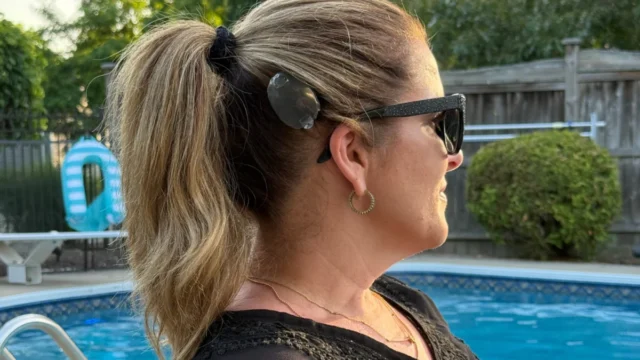

Hearing doubled, distorted, or out-of-tune sounds can be unsettling, especially if it starts suddenly. Diplacusis is a symptom or hearing experience, not usually a diagnosis on its own. An audiologist, ENT specialist, or qualified healthcare professional can help identify the cause and explain what treatment or management options may be available.
What Is Diplacusis?
Diplacusis, commonly referred to as "double hearing," is a subjective auditory perception where a single sound is experienced as two distinct auditory events. This phenomenon can manifest as a perceived duplication of the sound, a significant alteration in pitch, or an echo-like effect. While some individuals may describe it as "double hearing syndrome," the medically recognized term is diplacusis. This auditory anomaly can profoundly impact a person’s ability to understand speech, appreciate music, engage in phone conversations, recognize alarms, and navigate noisy environments.
The underlying mechanism of diplacusis often involves the auditory system’s failure to transmit synchronized and accurate sound information to the brain. This disruption can occur at various points along the auditory pathway, including the ears themselves, the cochlea (the inner ear’s organ of hearing), the auditory nerve, or the neural processing centers in the brain. Diplacusis is frequently associated with conditions such as hearing loss, the presence of earwax blockages, ear infections, exposure to excessively loud noise, inner ear disorders, and a range of other potential medical causes.

What Does Double Hearing Sound Like?
Individuals experiencing diplacusis often struggle to articulate the precise nature of their auditory distortion. However, common descriptions of the symptoms include:
- Pitch Differences: A single sound may be heard at two different pitches simultaneously, or the same sound may be perceived at different pitches in each ear. This can make music sound discordant or voices sound off-key.
- Echoes or Repetitions: A sound might seem to repeat itself shortly after the initial perception, creating an echo-like effect.
- Timing Discrepancies: Sounds may appear to arrive at slightly different times in each ear, leading to a sense of auditory confusion.
- Distortion: The perceived sound can be altered in quality, sounding warped or unnatural.
These symptoms are often most pronounced when listening to pure tones, music with distinct melodic lines, audible alarms, spoken language, audio transmitted through telephones, or sounds delivered via headphones. The clarity and distinctness of these sound sources can amplify the discrepancies experienced by someone with diplacusis.
Types of Diplacusis
Diplacusis can be categorized based on how the auditory distortion is experienced, primarily differentiating between monaural (affecting one ear) and binaural (affecting both ears) presentations. Within these categories, further subtypes describe the nature of the perceptual anomaly:
| Main Category | Subtype | What It Means | What It May Feel Like |
|---|---|---|---|
| Diplacusis binauralis | Echoica | The same sound reaches the two ears at different times. | Sounds seem delayed or echoed. |
| Diplacusis binauralis | Dysharmonica | The same sound is perceived at different pitches in the two ears. | Music or voices may sound different from left to right or out of tune. |
| Diplacusis monauralis | Dysharmonica | Within one ear, a single sound may be perceived as two tones or pitches. | One ear may hear a double sound or an out-of-tune sound. |
Diplacusis Dysharmonica

Diplacusis dysharmonica is characterized by a significant disparity in pitch perception. In this form, one ear might accurately perceive a sound at its intended pitch, while the other ear registers the same sound at a noticeably higher or lower pitch, or with a diminished clarity. This pitch mismatch can be particularly disorienting for individuals with a keen sense of musicality, such as musicians or those highly sensitive to tonal variations. The condition is often associated with asymmetrical hearing loss, where the degree of hearing impairment differs between the ears, or with sensorineural hearing loss, which affects the inner ear or auditory nerve. The effectiveness of treatment for diplacusis dysharmonica is directly contingent upon identifying and addressing the underlying cause, as there is no universal remedy.
Diplacusis Echoica
Diplacusis echoica introduces a temporal dimension to the auditory distortion, where the perception of sound timing is disrupted. This can lead to a single sound being experienced as a repetition or echo, or as if the sound waves are arriving at slightly offset intervals between the ears. The presence of diplacusis echoica can significantly impede the ability to follow conversations, especially in environments with considerable background noise. In such settings, the brain’s task of separating speech from ambient sounds is already challenging, and the added temporal confusion from diplacusis echoica can render effective listening nearly impossible.
What Causes Diplacusis?
The fundamental cause of diplacusis lies in the asynchronous or dissimilar processing of auditory information by the two ears or the subsequent neural pathways leading to the brain. This mismatch in signal transmission results in the perception of a single sound as two distinct events. A variety of factors can contribute to this auditory discrepancy:
- Earwax Blockage: Excessive accumulation of earwax can impede the transmission of sound waves, altering how sound is perceived and potentially leading to diplacusis.
- Ear Infections or Inflammation: Infections or inflammatory processes within the ear, particularly the middle or inner ear, can affect the delicate structures responsible for hearing and lead to temporary or persistent auditory distortions.
- Sudden Sensorineural Hearing Loss (SSNHL): A rapid onset of hearing loss in the inner ear can disrupt the normal functioning of the cochlea, resulting in symptoms like diplacusis. This is considered a medical emergency requiring immediate attention.
- Loud Noise Exposure (Acoustic Trauma): Intense or prolonged exposure to loud sounds can damage the hair cells in the cochlea, leading to both hearing loss and auditory distortions such as diplacusis.
- Inner Ear Disorders: Conditions affecting the inner ear, such as Meniere’s disease or labyrinthitis, can manifest with a range of symptoms, including diplacusis.
- Ototoxic Medications: Certain medications can have a toxic effect on the inner ear, potentially leading to hearing loss and related perceptual issues.
- Head Trauma or Injury: Physical trauma to the head can affect the auditory pathways or the structures within the ear, resulting in hearing disturbances.
- Tumors: Although less common, tumors affecting the auditory nerve or brainstem can cause a variety of auditory symptoms, including diplacusis.
- Eustachian Tube Dysfunction: Problems with the Eustachian tube, which connects the middle ear to the back of the throat, can lead to pressure imbalances and affect hearing.
In many instances, diplacusis may be a transient symptom, resolving as the underlying cause, such as earwax, congestion, or an ear infection, is addressed. However, in other situations, it can be indicative of more enduring changes in hearing function. It is crucial to note that the sudden onset of diplacusis, particularly when accompanied by sudden hearing loss or a feeling of muffled hearing in one ear, warrants prompt medical evaluation.

Can Diplacusis Happen in One Ear?
Yes, diplacusis can indeed occur in a single ear, a condition known as monaural diplacusis. This often arises when one ear is affected by a specific condition that disrupts its normal sound processing capabilities. Such conditions can include a localized blockage, an infection, a particular type of hearing loss, trauma to that ear, or other localized pathologies. Symptoms experienced in just one ear should not be disregarded, especially if they appear suddenly. A professional hearing assessment is vital to determine whether the issue is conductive (related to the outer or middle ear), sensorineural (related to the inner ear or auditory nerve), mixed (a combination of both), or stems from another medical origin. When one ear’s auditory input differs significantly from the other, the brain faces a greater challenge in integrating these disparate signals into a cohesive and clear auditory experience.
How Long Does Diplacusis Last?
The duration of diplacusis is highly variable and is intrinsically linked to its underlying cause. In cases where the diplacusis is a consequence of a temporary condition, such as a buildup of earwax, the presence of fluid in the ear, nasal congestion, or a treatable ear infection, the symptoms may resolve relatively quickly, often within days or weeks, once the precipitating factor is managed.
However, if diplacusis is associated with more persistent issues, such as sudden sensorineural hearing loss, acoustic trauma that has caused permanent damage, or other forms of lasting hearing loss, the symptoms may endure for a longer period and necessitate ongoing management strategies.
Sudden, persistent, or worsening symptoms of diplacusis, especially when experienced in only one ear, should always be promptly investigated by a qualified healthcare professional. For individuals experiencing long-term diplacusis, adaptation over time may be possible with the implementation of appropriate hearing support, sound therapy, auditory rehabilitation programs, or other specialized interventions.
How Is Diplacusis Diagnosed?
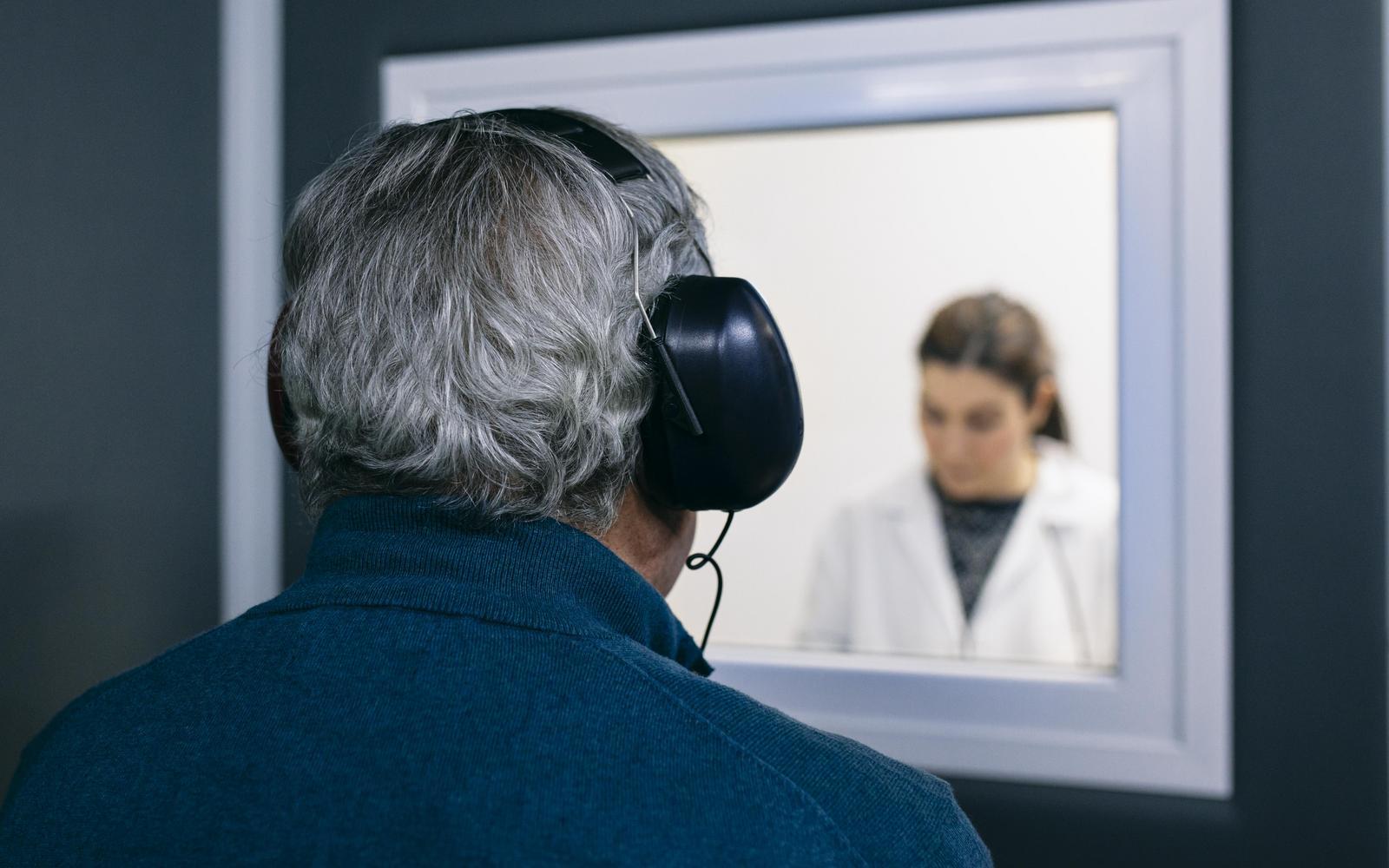
The diagnostic process for diplacusis typically begins with a comprehensive discussion between the patient and a healthcare professional, usually an audiologist or an Ear, Nose, and Throat (ENT) specialist. The clinician will inquire about the onset of the symptoms, whether one or both ears are affected, and the presence of any associated symptoms. These associated symptoms might include tinnitus (ringing in the ears), dizziness or vertigo, a sensation of fullness in the ear, ear pain, signs of infection, recent exposure to loud noise, a history of head trauma, or any recent changes in medication.
A thorough physical examination of the ear canal and eardrum will be performed to identify potential issues such as earwax impaction, the presence of fluid behind the eardrum, signs of infection, or any abnormalities of the eardrum.
Following the physical examination, a series of audiological tests are typically conducted to assess the auditory system’s function. These may include:
- Pure Tone Audiometry: This standard hearing test measures the softest sounds an individual can hear at different frequencies, helping to identify the presence and degree of hearing loss.
- Speech Testing: This assesses how well a person can understand spoken words at various volume levels and in different listening conditions.
- Pitch Matching: For individuals experiencing diplacusis, specific tests may be employed to objectively measure the perceived pitch differences. This can involve comparing the pitch of a sound presented to one ear with that presented to the other, or within a single ear.
- Other Specialized Audiology Tests: Depending on the suspected cause, additional tests might be performed to evaluate the function of the inner ear, auditory nerve, or central auditory processing.
An ENT specialist may be consulted if the symptoms are sudden in onset, unilateral (affecting only one side), medically complex, or accompanied by other concerning neurological symptoms such as dizziness, facial weakness, or significant pain.
Diplacusis Treatment and Management Options

There is no singular "cure" for diplacusis, as the most effective approach to management is entirely dependent on the identified underlying cause. A personalized treatment plan is therefore developed after a thorough diagnostic evaluation.
Potential management strategies may encompass:
- Professional Earwax Removal: If earwax impaction is found to be the cause, safe and professional removal can quickly alleviate the symptoms.
- Medical Treatment for Infection or Inflammation: Antibiotics or anti-inflammatory medications may be prescribed to treat ear infections or other inflammatory conditions.
- Medication Review: If ototoxic medications are suspected, a discussion with the prescribing physician may lead to adjustments in dosage or a switch to alternative medications.
- Hearing Protection: For individuals whose diplacusis is linked to noise exposure, using appropriate hearing protection in noisy environments is crucial to prevent further damage.
- Hearing Aids: In cases where diplacusis is a symptom of hearing loss, hearing aids can amplify external sounds, potentially improving the clarity and balance of auditory perception. While they do not directly "cure" diplacusis, they can significantly enhance the listening experience.
- Sound Therapy and Auditory Training: These therapeutic approaches aim to retrain the brain to better process and interpret auditory signals, which can be beneficial for managing auditory distortions.
- Tinnitus Support: As tinnitus and diplacusis can co-occur, strategies for managing tinnitus may also be incorporated into the treatment plan.
- Hearing Implant Options: In severe or profound cases of hearing loss, particularly sensorineural hearing loss or single-sided deafness, advanced solutions like cochlear implants may be considered after a comprehensive specialist assessment.
Treatment for Temporary Causes
When diplacusis arises from temporary conditions such as earwax buildup, fluid accumulation in the middle ear, congestion, or an ear infection, the symptoms typically improve significantly once the underlying issue is effectively treated. It is strongly advised to avoid aggressive or unproven home remedies like cotton swabs, ear candling, or probing the ear canal, as these methods can exacerbate irritation, potentially cause injury, or even push earwax deeper, worsening the problem. A qualified healthcare professional can safely examine the ear and recommend the most appropriate course of care.
Treatment When Hearing Loss Is Involved
If hearing loss is identified as a contributing factor to diplacusis, an audiologist or ENT specialist will discuss a range of potential interventions. These may include:
- Hearing Aids: As mentioned, hearing aids can help compensate for hearing loss by amplifying sounds. For some individuals with diplacusis, this amplification can help balance the auditory input and reduce the perception of distortion or double hearing.
- Auditory Rehabilitation: This encompasses a variety of programs designed to help individuals with hearing loss maximize their listening abilities. It can involve speech therapy, communication strategies, and learning to use residual hearing more effectively.
- Sound Therapy: This therapeutic approach uses specific sound stimuli to help the brain adapt to and better process auditory information, potentially mitigating the effects of diplacusis.
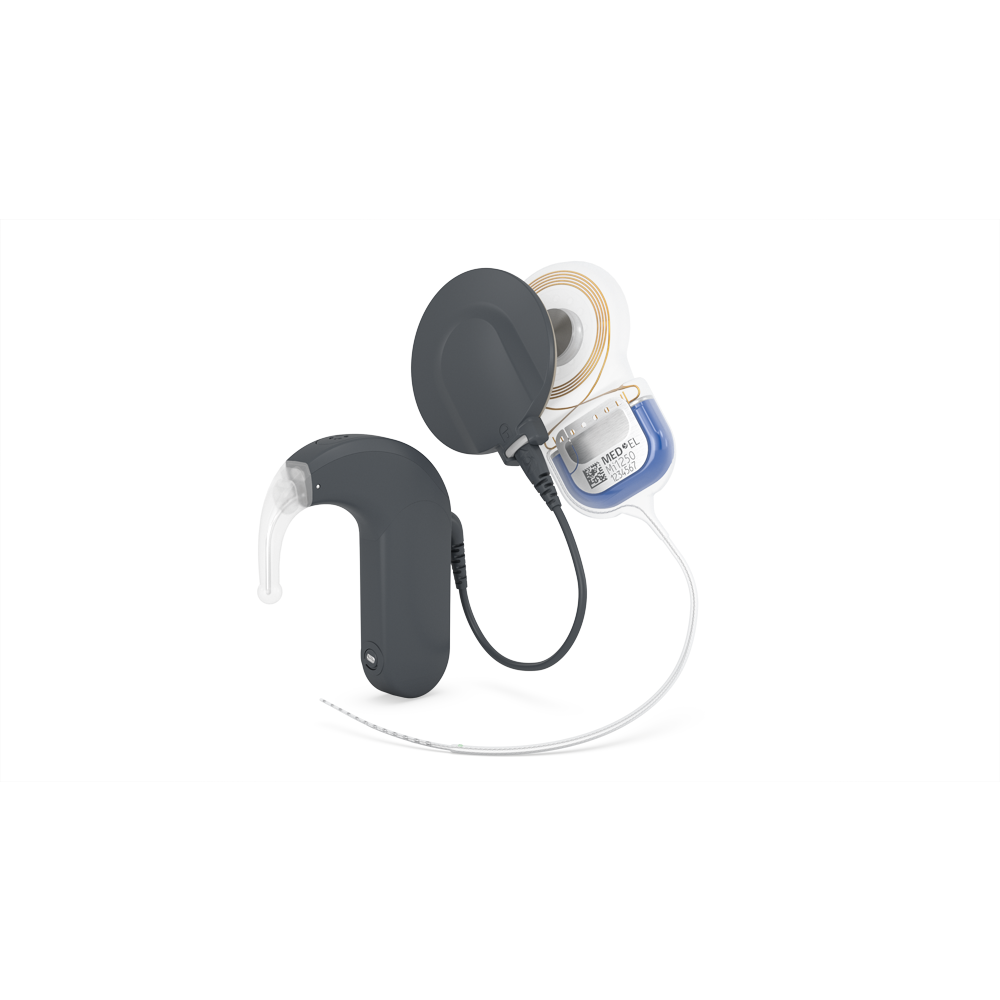
- Cochlear Implants and Other Hearing Implants: For individuals with severe to profound sensorineural hearing loss, or those experiencing single-sided deafness, hearing implants such as cochlear implants may be a viable option. These devices bypass damaged parts of the inner ear and directly stimulate the auditory nerve, providing a sense of sound. While not a direct treatment for diplacusis itself, they can significantly improve overall hearing and communication abilities, indirectly alleviating the impact of the auditory distortion.
When Hearing Technology May Be Part of the Conversation
When diplacusis is a consequence of permanent hearing loss, the discussion often extends to advanced audiological solutions. Hearing aids remain a primary option, but for more significant hearing impairments, auditory rehabilitation programs become increasingly important to help individuals adapt to their hearing loss and optimize their listening skills.
In cases of severe-to-profound sensorineural hearing loss, or when an individual experiences single-sided deafness (SSD), hearing implants, such as cochlear implants or bone-anchored hearing systems, may be considered. These sophisticated devices are designed to restore a functional level of hearing by bypassing damaged structures within the ear and directly stimulating the auditory nerve or pathways. Following a thorough assessment by a specialized team, these implants can offer substantial benefits, improving speech understanding, spatial hearing, and the overall quality of life for eligible candidates.
When Should You Get Medical Help?
It is imperative to seek immediate or same-day medical evaluation if the experience of double hearing is accompanied by any of the following urgent symptoms:
- Sudden onset of hearing loss, particularly in one ear.
- Severe dizziness or vertigo.
- Sudden, severe headache.
- Facial weakness or numbness.
- Ear pain or discharge.
- Neurological symptoms such as confusion, difficulty speaking, or loss of balance.
In addition to urgent situations, it is advisable to schedule an appointment with an audiologist, ENT specialist, or another qualified healthcare professional if diplacusis persists, worsens over time, or significantly interferes with daily communication and quality of life.

Key Takeaways
- Diplacusis is a symptom: It is the perception of a single sound as two, often with pitch differences or echo-like qualities, commonly known as double hearing.
- Multiple causes: Diplacusis can stem from various factors, including earwax, infections, hearing loss, noise exposure, and inner ear disorders.
- Types exist: It can be monaural (one ear) or binaural (both ears), with subtypes like dysharmonica (pitch mismatch) and echoica (timing difference).
- Diagnosis is key: A professional evaluation by an audiologist or ENT specialist is crucial to identify the underlying cause.
- Treatment is cause-dependent: Management strategies vary widely, from simple earwax removal to hearing aids or cochlear implants for hearing loss.
- Seek urgent care if: Sudden hearing loss, severe dizziness, or neurological symptoms accompany diplacusis.
- Persistence warrants consultation: If symptoms are ongoing or worsening, professional assessment is essential.
Frequently Asked Questions
Is diplacusis the same as tinnitus?
No. Diplacusis and tinnitus are distinct auditory phenomena, although they can coexist. Tinnitus is the perception of sound, such as ringing or buzzing, in the absence of an external sound source. Diplacusis, conversely, involves the distorted perception of an actual external sound, manifesting as double hearing, echoes, or pitch alterations.
Can earwax cause double hearing?
Yes, significant earwax blockage can alter sound transmission and lead to unusual hearing sensations, including a feeling of double hearing. However, earwax is just one of many potential causes. A medical professional can determine if earwax is the culprit or if another issue, such as fluid, infection, or hearing loss, is responsible.
Can diplacusis go away?
Diplacusis may resolve if its origin is a temporary condition, such as earwax impaction, fluid in the ear, congestion, or a treatable ear infection. If it is linked to permanent hearing loss or damage to the auditory system, the symptoms might require ongoing management rather than a simple cure. A professional diagnosis is essential to ascertain the cause and the most appropriate course of action.