The Context of Recent Fatalities
The recent incidents, which triggered this regulatory response, represent a recurring challenge in mine safety: the dangerous intersection of human presence and high-energy machinery. In the first instance, a worker was fatally injured during a routine loading procedure when heavy mining equipment shifted unexpectedly. Investigations into this type of accident often reveal a breakdown in the communication protocols between machine operators and ground crew, or a failure in the mechanical securing systems designed to stabilize equipment on uneven terrain.
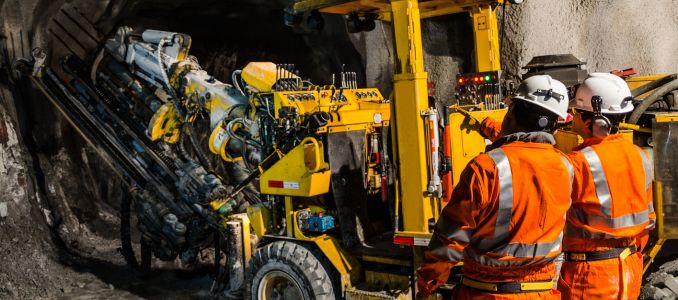
The second tragedy involved an underground coal extraction site, where a roof collapse occurred in an area that had recently been subject to extraction. Roof falls remain one of the most persistent and lethal hazards in underground mining. Despite decades of technological advancement in roof support systems, the unpredictable nature of geological stress, coupled with human error in adherence to established ground control plans, continues to pose a significant risk to miners working at the face of the excavation.
Chronology and Regulatory Response
The MSHA, which maintains oversight of over 12,000 mines across the United States, has been tracking an uptick in localized safety incidents throughout the 2026 fiscal year. While overall mining fatalities have trended downward over the past decade, the industry occasionally experiences clusters of accidents that prompt immediate federal intervention.
Following the two most recent fatalities, MSHA launched an expedited review of site-specific safety data. By July 2026, the agency determined that current industry practices—specifically regarding the interaction between mobile equipment and human operators—required an immediate recalibration. The resulting guidance is not merely advisory but acts as a benchmark for compliance during upcoming MSHA inspections. Under the Federal Mine Safety and Health Act of 1977, mine operators are strictly responsible for the safety of their workers, and failure to adopt these "best practices" can lead to escalated citations and enhanced civil penalties.

Mechanical Hazards and Load Safety
The guidance provided by the MSHA regarding mobile equipment is centered on the concept of "energy isolation." When loading or transporting massive machinery, the potential kinetic energy stored within the equipment represents a lethal threat to anyone in the vicinity.
The new mandates require that operators implement a "positive communication" loop. This means that mere visual awareness is no longer considered sufficient. Miners must now confirm intended movements through verbal or radio acknowledgment before a piece of machinery is engaged. Furthermore, the MSHA has highlighted the necessity of physical barriers—such as specialized chocks, blocks, and automated locking pins—that must be inspected and certified as functional before any loading operation commences. The guidance explicitly forbids personnel from remaining in "pinch points"—the areas between the equipment and fixed structures or other vehicles—unless those areas are protected by robust, engineered containment zones.
Addressing Underground Structural Integrity
The hazards of underground mining are inherently dynamic. As coal or minerals are extracted, the structural integrity of the roof and ribs (the sides of the mine) changes. The MSHA’s renewed focus on roof control plans emphasizes that these plans are not static documents but living protocols that must be adjusted as geological conditions change.

The agency is now mandating more frequent and rigorous examinations of the "face" (the area being actively mined) and the "ribs." Workers are strictly prohibited from venturing beyond the last row of permanent support. This is particularly relevant in "retreat mining," a process where miners remove coal pillars as they move back toward the mine entrance, intentionally allowing the roof to collapse in a controlled manner behind them. The risks associated with this process are significant, and the MSHA is doubling down on the requirement that workers remain well within the safety zones provided by temporary or permanent supports at all times.
Technological Solutions: The Shift Toward Automation
One of the most significant recommendations in the new guidance is the accelerated adoption of Automated Mobile Roof Supports (AMRS). Historically, miners were required to manually install timber posts or metal jacks to prop up the roof as they moved forward. This process inherently placed the miner underneath an unsupported, potentially unstable roof.
AMRS technology allows for the mechanical installation of supports from a position of relative safety. By removing the human element from the most dangerous task—working directly under a newly exposed roof—the industry has the potential to eliminate a significant percentage of roof-fall fatalities. MSHA officials are now encouraging mine operators to incorporate these technologies into their capital expenditure plans, viewing them as a critical investment in human capital rather than merely an operational expense.

Supporting Data and Industry Analysis
Analysis of MSHA’s accident reports reveals that nearly 30% of all mining fatalities over the last five years are linked to "powered haulage"—a category that includes mobile equipment, conveyors, and transport vehicles. Data also suggests that the majority of these accidents occur during maintenance, loading, or while the machinery is in transit.
Independent safety analysts suggest that the industry is at a crossroads. As high-grade deposits are depleted, mines are moving deeper and into more geologically complex environments. This complexity requires higher levels of automation and more sophisticated training programs. The current MSHA guidance acts as a bridge, forcing a shift from reactive safety measures to proactive, technology-driven prevention.
Broader Implications for the Mining Sector
The issuance of this guidance will have immediate ripple effects across the sector. Mine operators must now conduct internal audits of their current task training programs to ensure they meet the latest federal standards. For many, this will involve significant time and financial investment in simulator training and updated equipment safety certification.

Labor organizations representing mine workers have largely praised the move, noting that the emphasis on "verbal acknowledgment" and "automated support" addresses long-standing concerns regarding worker autonomy and the pressure to meet production quotas at the expense of safety. However, some operators have expressed concerns regarding the logistical difficulty of implementing these changes in older, smaller, or non-unionized mines that may lack the resources for rapid technological upgrades.
Despite these challenges, the overarching consensus among safety experts is that the cost of inaction is too high. The economic and social cost of a single fatality in the mining industry is measured not only in regulatory fines and legal expenses but in the profound loss of life and the subsequent erosion of community trust.
Moving Forward
As the industry digests these new protocols, the MSHA has signaled that it will be conducting "blitz" inspections at mines identified as having high-risk profiles. These inspections will focus on the effectiveness of the training programs now mandated by the agency. The message from Washington is clear: the era of "common sense" safety is being replaced by a more rigorous, verifiable, and technologically integrated safety regime.

The mining industry remains a cornerstone of the global economy, providing the materials necessary for energy, construction, and manufacturing. However, the path toward a zero-fatality environment requires a continuous, iterative approach to safety. By formalizing these best practices, the MSHA is attempting to ensure that the risks associated with the dangerous profession of mining are mitigated as much as humanly possible, ensuring that every worker returns home at the end of their shift. As the 2026 calendar progresses, the industry’s compliance with these new mandates will be the primary metric by which the success of this safety initiative is judged.