The Intersection of Traumatic Brain Injury and Vestibular Health
The vestibular system is a complex network involving the inner ear, the eyes, and the brain, working in tandem to provide a sense of balance and spatial awareness. When a person sustains a concussion—whether through a fall, a sports injury, or a motor vehicle accident—the shearing forces of the impact can disrupt the delicate neural pathways that process this sensory information. According to clinical data, vestibular symptoms such as dizziness and imbalance are reported in up to 50% of patients following a concussion. When these symptoms persist beyond the initial few weeks, they often point to a more complex condition known as vestibular concussion.
During the podcast, Dr. Danit Macklin, a Doctor of Physical Therapy specializing in concussion and vestibular rehabilitation, emphasized that a concussion is primarily a functional injury rather than a structural one. This means that while the "hardware" of the brain may appear intact, the "software" responsible for integrating sensory input is malfunctioning. This malfunction manifests as a range of symptoms that can be difficult for general practitioners to diagnose, including vertigo, motion sensitivity, and visual disturbances where the environment appears to jump or lag during movement.
Chronology of a Vestibular Journey: From Accident to Advocacy
The personal narrative of Jess Winter, a school librarian and patient advocate, provides a clear chronology of how a vestibular concussion can derail a person’s life. Winter’s journey began with a serious car accident that resulted in a concussion. In the immediate aftermath, the focus was on the acute symptoms typical of a head injury. However, as the weeks turned into months, the expected recovery did not materialize. Instead, Winter found herself battling persistent dizziness, sensory overload, and a profound sense of disconnection from her surroundings.
Winter’s experience followed a common, yet frustrating, timeline. The acute phase of her injury transitioned into a chronic state characterized by Vestibular Migraine and Persistent Postural-Perceptual Dizziness (PPPD). These conditions turned everyday tasks—such as driving, navigating a busy grocery store, or even scrolling through a digital screen—into monumental challenges. Her story highlights the "nonlinear" nature of recovery; progress is often interrupted by symptom flares that can leave patients feeling as though they have returned to square one. Today, Winter leverages her background in library science and journalism to help others navigate complex health information, co-leading support groups like VeDA’s Dizzy Moms Club to bridge the gap between clinical treatment and peer support.
Supporting Data and the Diagnostic Gap in Modern Medicine
Statistical evidence suggests that the delay in diagnosing vestibular concussion often stems from the initial point of care. Most concussion patients first present at emergency departments or urgent care clinics where the primary goal is to rule out life-threatening issues like brain bleeds or skull fractures. Once these "red flags" are cleared, patients are frequently sent home with instructions to "rest and wait."
However, research indicates that "cocooning"—or total sensory deprivation and rest—can actually be detrimental to vestibular recovery. The brain requires controlled movement and sensory input to recalibrate. The diagnostic gap is further widened by the fact that vestibular symptoms are often invisible. A patient may appear perfectly healthy to an outside observer while internally experiencing a "spinning" world or "brain fog" that prevents cognitive function. Dr. Macklin noted that because symptoms often fluctuate and overlap with other conditions like anxiety or cervical spine injuries, a specialized, multidisciplinary evaluation is essential for an accurate diagnosis.
Clinical Analysis of Vestibular Rehabilitation Therapy (VRT)
The cornerstone of recovery for vestibular concussion is Vestibular Rehabilitation Therapy (VRT). Unlike general physical therapy, VRT is a specialized form of neuro-rehabilitation designed to promote central nervous system compensation. Dr. Macklin, who operates the Balance & Concussion Therapy Center, explained that the treatment must be highly individualized to the patient’s specific "sub-type" of concussion.
The VRT protocol typically includes several key components:
- Gaze Stabilization: These exercises retrain the vestibulo-ocular reflex (VOR), allowing the eyes to remain fixed on a target while the head is moving. This is crucial for patients who experience blurred vision or "oscillopsia" during movement.
- Habituation: This involves controlled exposure to specific movements or visual stimuli that trigger dizziness. By repeatedly exposing the brain to these triggers in a safe environment, the brain eventually learns to ignore the "false" signals, reducing the patient’s overall sensitivity.
- Balance Retraining: This focuses on improving postural stability by challenging the body’s reliance on different sensory systems (visual, somatosensory, and vestibular) across various surfaces and environments.
- Cervical Management: Since many concussions involve a whiplash component, treating the neck is often necessary to resolve "cervicogenic dizziness," where misfiring signals from the neck muscles contribute to a sense of imbalance.
Official Responses and the Need for Specialized Care
The medical community is increasingly recognizing the need for specialized concussion protocols. Dr. Macklin’s work with the American Physical Therapy Association (APTA) and the Brain Injury Alliance of New Jersey (BIANJ) represents an official push toward better education for clinicians. The founding of Concussion Awareness Day in New Jersey is a testament to the growing movement to ensure that vestibular health is a standard part of post-concussion screening.
Experts argue that the healthcare system must move away from the "one-size-fits-all" approach to head injuries. The podcast guests emphasized that when a patient reports dizziness, it should be treated with the same urgency as a physical wound. Failure to address these symptoms early can lead to secondary complications, including chronic anxiety and depression, as the patient’s world shrinks due to fear of falling or symptom provocation.
Broader Impact: The Societal and Emotional Toll
The implications of vestibular concussion extend far beyond the clinical setting. There is a significant economic and social impact when individuals are unable to return to work or school due to lingering symptoms. For parents like Jess Winter, the inability to engage in normal family activities adds a layer of emotional distress and "mom guilt" that is rarely discussed in medical literature.
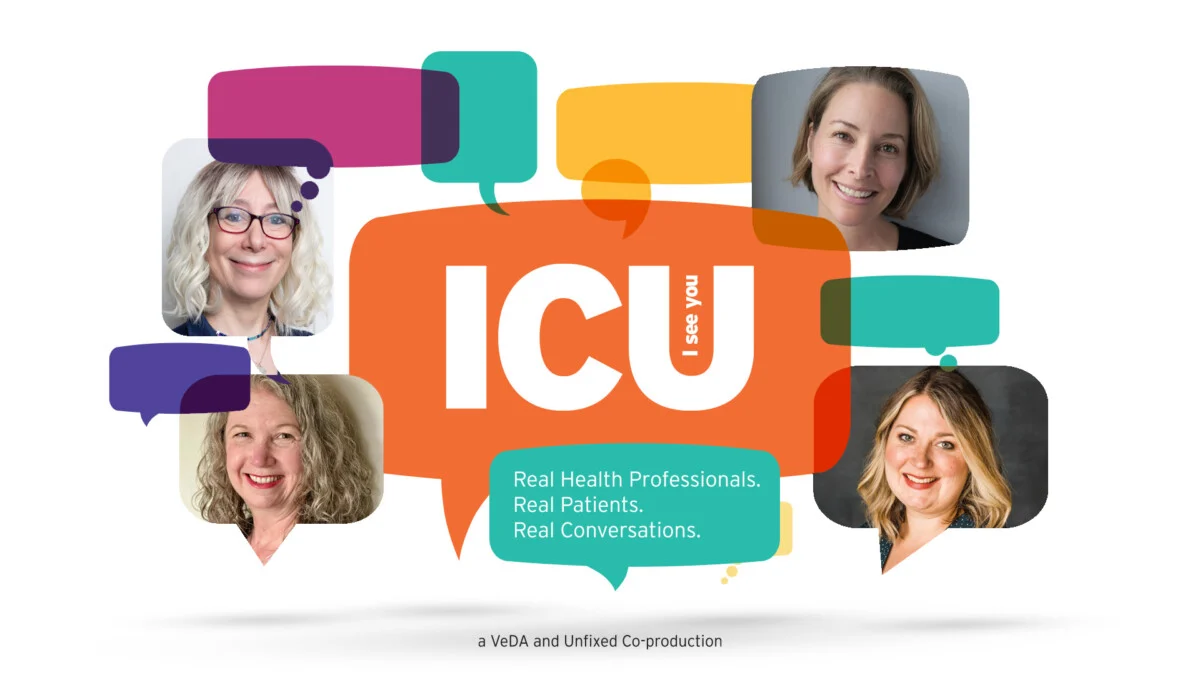
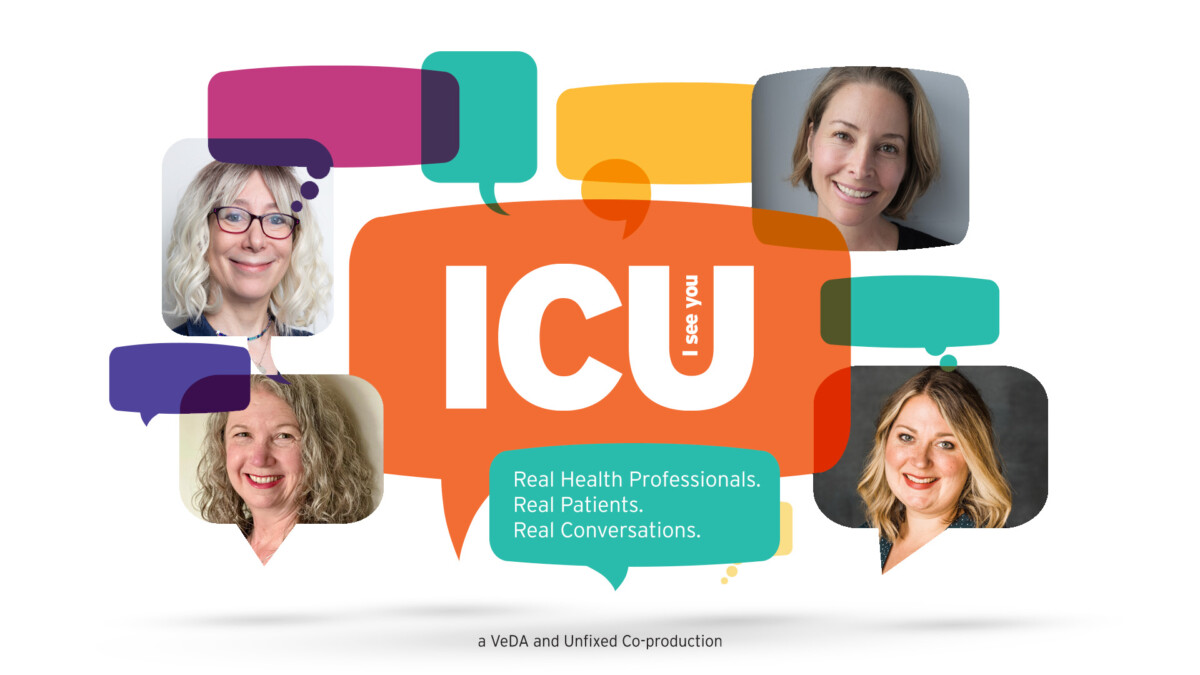
The "ICU – I See You" podcast title itself reflects a core need of this patient population: the need to be seen and validated. Because the injury is internal and often lacks a visible scar, patients frequently face skepticism from employers, insurers, and even family members. The psychological toll of living with a distorted sense of reality—where the ground feels like it is shifting—cannot be overstated. The podcast discussion highlights that emotional healing is just as vital as physical rehabilitation. Connecting with peer groups and finding clinicians who specialize in the vestibular system are essential steps in reclaiming a sense of agency.
Future Outlook and Hope for Healing
The overarching message from the ICU Podcast is one of cautious optimism. While the road to recovery from a vestibular concussion can be long and fraught with setbacks, the brain’s capacity for neuroplasticity offers a path forward. With the right combination of VRT, migraine management, and psychological support, many patients can achieve significant improvements in their quality of life.
As awareness grows, the hope is that vestibular screening will become a mandatory component of every post-concussion evaluation. Early intervention remains the most effective way to prevent the transition from an acute injury to a chronic, life-limiting condition. For those currently struggling, the experiences shared by Jess Winter and the clinical expertise of Dr. Danit Macklin serve as a reminder that specialized help is available. The vestibular system may be disrupted, but through targeted rehabilitation and a supportive community, balance can be restored.
The ongoing work of organizations like the Vestibular Disorders Association (VeDA) continues to shed light on these complex conditions, ensuring that no patient has to navigate the "invisible" world of dizziness alone. By prioritizing vestibular health, the medical community can better support the millions of people living with the aftermath of a concussion, moving closer to a future where "I see you" is not just a sentiment, but a standard of care.