
Context and Historical Scope of Tinnitus Support
Tinnitus, the perception of noise or ringing in the ears, is a condition that, while not a disease in itself, is a symptom of an underlying issue such as age-related hearing loss, ear injury, or circulatory system problems. For the estimated 7.1 million adults in the UK who experience some form of persistent tinnitus, the journey toward management is often characterized by a lack of clear information and a feeling of isolation.
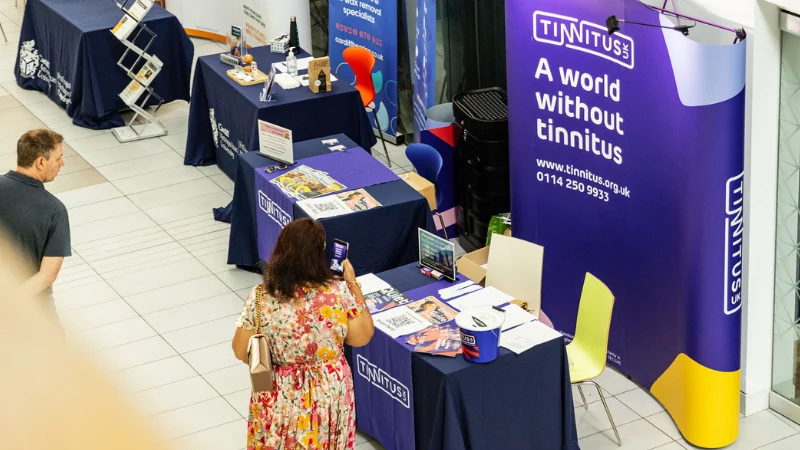
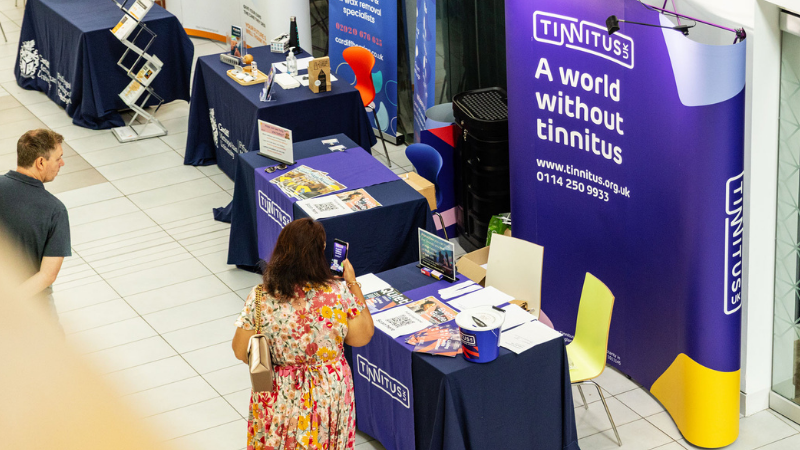
The Cardiff Information Day was designed to bridge this gap. Historically, Tinnitus UK has utilized these regional events to decentralize expert care, moving away from centralized London-based services to reach communities where specialized audiology and psychological support may be harder to access. By bringing together world-class specialists, researchers, and local hearing professionals, the charity aimed to provide a comprehensive roadmap for those struggling to integrate their condition into their daily lives.

Chronology of the Event
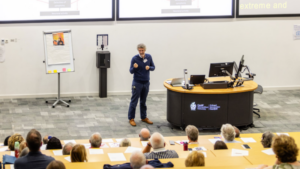
The day commenced with a series of structured plenary sessions focused on the fundamental science of tinnitus, followed by workshops tailored to specific management techniques. Morning sessions were dedicated to clinical insights and the role of psychological health, featuring experts such as Professor Florian Vogt from University College London. Professor Vogt’s address emphasized that while no universal cure currently exists, the psychological impact of the condition—ranging from sleep disruption to heightened anxiety—is highly manageable through cognitive behavioral strategies and lifestyle adjustments.
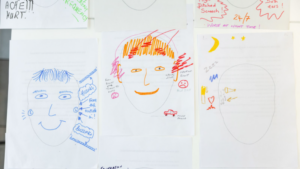
The afternoon transition shifted toward holistic and creative interventions. A standout session featured Marie from the Open University, who introduced the Tinnitus Creative Toolkit. Unlike conventional clinical approaches, this toolkit leverages expressive arts and structured creative activities to help individuals articulate their experiences. This segment of the program was designed to move participants from a passive "patient" role to an active "manager" role, fostering a sense of agency that is frequently lost in the traditional diagnostic process.

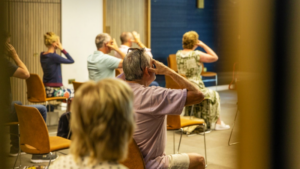
The event concluded with an interactive session on physical activity, specifically chair yoga. The integration of movement into the day’s curriculum was a strategic response to emerging international research, particularly data from France, suggesting that physical exertion is a primary lifestyle factor in reducing the perceived severity of tinnitus.
Data-Driven Insights and Clinical Significance
The efficacy of support groups, a recurring theme throughout the day, was reinforced by compelling data shared with attendees. Research indicates that approximately 97% of participants in formal tinnitus support groups report a measurable improvement in their quality of life. This statistic serves as a crucial rebuttal to the common, often damaging, medical advice to "just stop thinking about it."
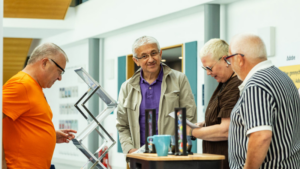
Furthermore, the data presented during the sessions highlighted the economic and societal burden of untreated tinnitus. With the condition often leading to productivity loss and increased demand on mental health services, the Tinnitus UK model of early intervention and community peer-support is increasingly viewed as a cost-effective public health strategy. By connecting the newly diagnosed with those who have lived with the condition for years, the charity facilitates a "lived-experience" knowledge transfer that clinical consultations alone cannot provide.
Stakeholder Perspectives and Official Responses
The event was characterized by a collaborative atmosphere, with representatives from local entities such as Cardiff Hearing and Minerva, a specialist in custom-fit hearing protection, playing a vital role. Sonja Jones of Cardiff Hearing, who also serves as a Tinnitus UK volunteer, emphasized that the objective of these industry partners was not commercial but educational.
"The goal is to demystify the technology and the protective measures available," said one event organizer. "When someone understands how their auditory system works, and how to protect it from further strain, the fear surrounding the condition often dissipates."
The reaction from the attendee demographic was overwhelmingly positive. Many participants reported that despite initial trepidation—fearing that spending an entire day discussing their tinnitus would exacerbate the symptoms—the reality was the opposite. By the conclusion of the event, attendees noted that the condition felt "quieter" and more "manageable," validating the theory that increased knowledge and shared experience act as a buffer against the distress associated with chronic tinnitus.

Emergence of Local Support Infrastructure
Perhaps the most tangible outcome of the Cardiff event was the spontaneous organization of a new, permanent tinnitus support group for the region. While the charity frequently facilitates these gatherings, the Cardiff group emerged organically from the connections made during the afternoon workshops.
This development is significant for the region of South Wales. Support groups provide a necessary continuity of care that professional appointments cannot sustain. By providing a safe environment to discuss the emotional toll of the condition, these groups act as a crucial link in the chain of mental health support. Tinnitus UK has indicated that they will provide administrative and training support to ensure this new Cardiff group remains sustainable, emphasizing that the charity’s role is to empower local leaders to maintain these networks independently.
Implications for Future Public Health Policy
The success of the Cardiff Information Day carries broader implications for how the UK healthcare system approaches sensory conditions. The shift toward "social prescribing"—a practice where healthcare professionals refer patients to community-based activities—is gaining traction. Events like these provide the evidence base for such prescriptions, showing that education, movement, and peer support are valid, non-pharmaceutical interventions that produce significant patient outcomes.
As Tinnitus UK prepares for its next event in Bournemouth, scheduled for September 5, the model established in Cardiff is expected to serve as a blueprint. The combination of high-level clinical research and low-barrier, community-focused activities appears to be the most effective strategy for managing the long-term impact of tinnitus on the population.

Sustainability and the Role of Philanthropy
The logistical success of these Information Days remains tethered to the financial sustainability of Tinnitus UK. Because the events are offered to the public free of charge, the organization is heavily reliant on voluntary contributions, membership fees, and legacy gifts. The charity maintains that ensuring universal access to information is a fundamental right, regardless of the patient’s socioeconomic status.
The reliance on these funding streams underscores the fragility of such support services. As the demand for tinnitus management grows alongside an aging population, the pressure on the charity to scale its operations while maintaining the quality of its expert-led programs will likely increase. For the present, however, the Cardiff event stands as a testament to the effectiveness of localized, human-centric support, proving that when individuals are given the tools to understand and communicate their condition, they are far better equipped to reclaim their daily lives from the intrusion of constant noise.
Moving forward, the focus for the charity will be on digitizing these resources for those unable to attend in person, while simultaneously expanding the physical footprint of their Information Days. By combining the digital reach of their webinar series with the tactile, in-person benefits of regional information days, Tinnitus UK is setting a new standard for patient advocacy in the auditory health sector.