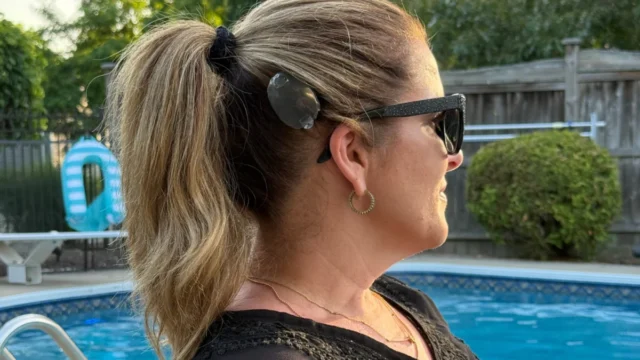

The impact of environmental acoustics on speech intelligibility is a well-documented phenomenon. High ceilings and hard, reflective surfaces like bare floors and glass windows can contribute to significant sound reverberation. This acoustic phenomenon, characterized by prolonged echoes and the blurring of distinct sounds, poses a particular challenge for individuals with hearing loss, including those with cochlear implants. Reverberation can mask the finer details of speech, making it harder to distinguish consonants and vowels, thus reducing comprehension. Furthermore, critical auditory cues that signal safety or the completion of tasks, such as smoke alarms or oven timers, can be easily missed if they are not perceived clearly above background noise or in the absence of auditory processors.
MED-EL, a leading provider of hearing implant solutions, emphasizes that proactive environmental adjustments can bridge these auditory gaps. The company’s expertise, grounded in years of research and clinical practice, highlights a multi-faceted approach to optimizing home listening experiences. These strategies not only aim to improve the perception of speech but also to ensure that essential alerts are reliably detected, thereby enhancing both social engagement and personal safety.

Strategic Sound Management for Clearer Communication
One of the most impactful strategies for individuals with hearing implants involves leveraging direct audio streaming capabilities. Modern hearing implant systems, like those developed by MED-EL, offer sophisticated connectivity options that allow for the seamless transmission of sound directly to the audio processor. This bypasses the challenges posed by ambient noise and reverberation in a room, delivering a clear and pristine audio signal.
Direct Audio Streaming: A Direct Line to Clarity
The ability to stream audio directly from personal devices such as smartphones, televisions, or music players can revolutionize the listening experience. Accessories like MED-EL’s AudioLink and AudioLink XT serve as versatile tools in this regard. These devices can function as remote microphones, capturing speech from a distance and transmitting it directly to the audio processor. This is particularly beneficial in social settings, such as family gatherings or noisy restaurants, where spoken words can easily become muddled. By placing the remote microphone closer to the speaker, users can significantly improve their ability to follow conversations and engage more fully with their loved ones. This direct connection ensures that the audio signal is not degraded by environmental acoustics, offering a more enjoyable and less fatiguing listening experience.
The implications of such technology extend beyond mere convenience. For individuals who have experienced hearing loss for an extended period, the cognitive load associated with deciphering speech can be immense. Direct streaming reduces this effort, freeing up cognitive resources and potentially leading to improved concentration and reduced feelings of social isolation.

Mitigating Reverberation: The Power of Soft Surfaces
Beyond technological solutions, simple home modifications can dramatically alter the acoustic landscape of a living space. The presence of hard, reflective surfaces is a primary contributor to echo and reverberation. Addressing this requires the strategic introduction of sound-absorbing materials.
Acoustic Softening: Embracing Carpets, Rugs, and Drapery
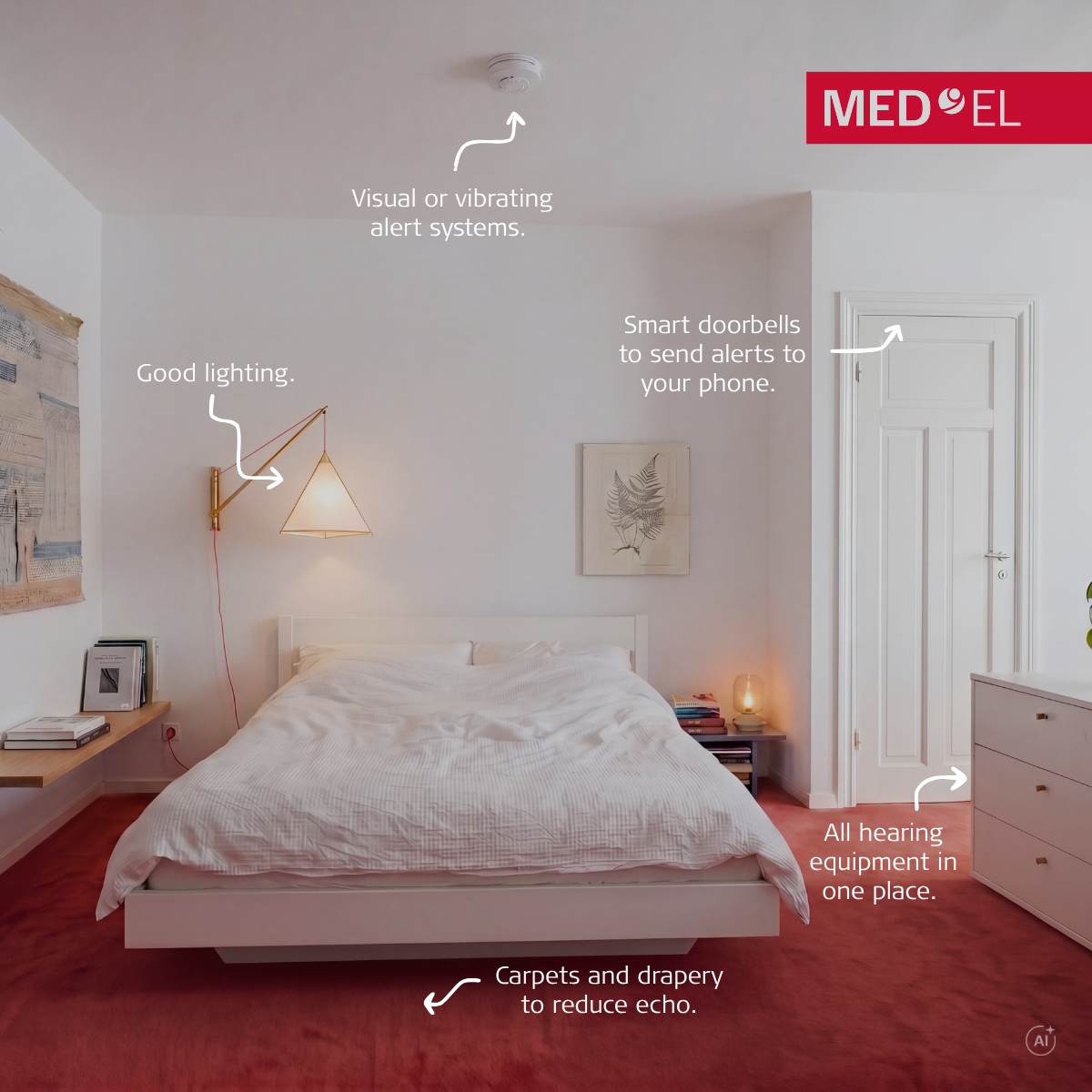
The incorporation of soft furnishings plays a crucial role in dampening sound reflections. Wall-to-wall carpeting or area rugs can significantly absorb sound that would otherwise bounce off hard floors. Similarly, heavy draperies or curtains can reduce the echo created by windows and bare walls. These additions not only contribute to a quieter and more comfortable atmosphere but also enhance the intelligibility of speech by reducing the time it takes for sound reflections to decay.
For individuals with hearing implants, these adjustments can translate into more relaxed and productive conversations. The reduction in reverberation means that speech sounds remain distinct for longer, allowing the brain more time to process and understand them. This can be especially important for understanding complex sentences or rapid speech patterns.

The Role of Visual Cues: Illuminating Communication
While technological aids and acoustic adjustments are vital, the importance of visual information in communication cannot be overstated, particularly for individuals with hearing loss. Many individuals with hearing impairments naturally rely on visual cues, such as lip movements and facial expressions, to supplement their auditory understanding. This practice, often referred to as lip-reading or speech-reading, becomes an integral part of their communication strategy.
Optimizing Visual Clarity: The Impact of Good Lighting
Ensuring adequate and well-distributed lighting is therefore a critical environmental consideration. Faces should be evenly illuminated, avoiding harsh shadows that can obscure lip movements and facial expressions. This means positioning light sources strategically, perhaps using lamps that cast a soft, diffused light, rather than relying solely on overhead lighting that can create unflattering shadows.
The ability to clearly see a speaker’s mouth movements and emotional cues can significantly enhance comprehension, especially in situations where auditory clarity is compromised. This visual support not only aids in understanding spoken words but also contributes to a more engaging and empathetic interaction. For individuals with hearing implants, this synergy between auditory input and visual cues can create a more robust and reliable communication experience.

Enhancing Safety with Smart Alerts
Beyond communication, safety is a paramount concern for all individuals, and particularly for those who may not always be wearing their audio processors. The ability to detect critical auditory alerts, such as smoke alarms or doorbells, is essential for maintaining a secure living environment.
Smart Alerts: Non-Auditory Notifications for Peace of Mind
The development of assistive alert systems that do not rely solely on hearing provides a vital layer of safety. These systems often utilize visual or vibrating signals to alert users to important events. For instance, a smoke alarm equipped with a flashing strobe light can provide a clear visual warning in the event of a fire. Similarly, smart doorbells can send notifications directly to a smartphone, often accompanied by a visual cue or vibration, ensuring that visitors are not missed, even in a noisy environment or when audio processors are not in use.
These technologies are particularly valuable for situations where individuals might be sleeping or engaged in activities that could mask auditory alerts. The ability to receive these alerts through alternative sensory channels provides a critical safety net, promoting independence and peace of mind. The integration of smart home technology offers a proactive approach to safety, ensuring that essential information is conveyed regardless of the user’s auditory status.
Organization for Preparedness: A Dedicated Space for Hearing Equipment
The management of hearing implant equipment requires a systematic approach to ensure its optimal functioning and availability. A dedicated and organized space for all hearing-related accessories can prevent misplaced items and ensure that essential components are readily accessible.
Centralized Storage: Streamlining Daily Routines
Establishing a designated area for storing backup equipment, drying systems for audio processors, and battery chargers is a practical step that can significantly simplify daily routines. This centralized approach not only helps users keep track of their essential devices but also ensures that they are always prepared for any eventuality. For instance, having a fully charged set of batteries or a backup audio processor readily available can prevent disruptions to communication and daily activities.
This organizational strategy extends to ensuring that charging stations are always accessible and functional, and that drying systems are used consistently to maintain the longevity of the equipment. Such proactive management contributes to the overall reliability of the hearing implant system and fosters a sense of control and preparedness.

The Cumulative Impact: A More Connected and Secure Home
The implementation of these practical strategies, from direct audio streaming and acoustic modifications to visual enhancements and smart alert systems, collectively contributes to a more hearing-friendly home environment. These adjustments are not merely about accommodating hearing loss; they are about actively enhancing the quality of life, fostering deeper connections, and ensuring a greater sense of security.
By creating a home that is responsive to the needs of individuals with hearing implants, the challenges associated with auditory perception are significantly reduced. This leads to more enjoyable and less fatiguing conversations, greater participation in daily activities, and an overall increase in confidence and independence. The cumulative effect of these small yet impactful changes empowers individuals to navigate their homes with greater ease and to fully engage with the world around them, transforming their living spaces into havens of clear communication, comfort, and unwavering safety.
Natalie Teakle, drawing on her extensive experience as a Speech and Language Therapist and Rehabilitation Manager at MED-EL, underscores the transformative potential of these home-based strategies. Her work involves providing global training and mentoring to professionals in the hearing loss and hearing implant field, emphasizing the crucial role of rehabilitation and environmental adaptation in the success of hearing implant users. The insights shared are a testament to MED-EL’s commitment to empowering individuals to achieve their full hearing potential in all aspects of their lives.