The Criticality of Differentiating Hearing Loss Types
The ability to accurately distinguish between conductive and sensorineural hearing loss is paramount for effective audiological intervention. This differentiation directly influences the diagnostic pathways undertaken by healthcare professionals. For conductive hearing loss, the focus is often on identifying and addressing physical blockages or mechanical issues within the outer or middle ear. In contrast, sensorineural hearing loss requires evaluation of the cochlea’s sensory cells and the auditory nerve’s integrity, often pointing towards underlying conditions or damage that may be permanent. Understanding these distinctions empowers medical practitioners to tailor treatment plans, ranging from medical interventions and minor surgeries for conductive loss to hearing aids and cochlear implants for sensorineural loss, ultimately aiming to restore or improve an individual’s auditory experience and overall quality of life.
Conductive vs. Sensorineural Hearing Loss: A Comparative Overview
To provide a clearer understanding of the disparities between these two primary forms of hearing impairment, a side-by-side comparison offers valuable insights:

| Feature | Conductive Hearing Loss | Sensorineural Hearing Loss |
|---|---|---|
| Location of Issue | Outer ear or middle ear | Inner ear (cochlea) or auditory nerve |
| Nature of Problem | Mechanical issue: blockage, fluid, or structural impediment | Damage to sensory cells (hair cells) or nerve fibers |
| Common Causes | Earwax impaction, middle ear infections (otitis media), fluid buildup, perforated eardrum, otosclerosis | Aging (presbycusis), excessive noise exposure, genetic factors, viral infections, ototoxic medications, Meniere’s disease, acoustic neuroma |
| Auditory Perception | Sound often described as muffled, quiet, or as if the ear is plugged | Difficulty hearing speech clearly, especially in noisy environments; missing specific frequencies; sounds may be distorted or faint |
| Reversibility | Often temporary and treatable, depending on the underlying cause | Usually permanent, as nerve and hair cell damage is generally irreversible |
| Primary Treatment | Medical treatments, removal of blockages, surgical correction, bone conduction devices | Hearing aids, cochlear implants, auditory brainstem implants |
In essence, conductive hearing loss impedes the efficient transmission of sound waves, while sensorineural hearing loss disrupts the transduction of these waves into electrical signals and their subsequent transmission to the brain. It is also important to note the existence of mixed hearing loss, where both conductive and sensorineural components are present. This is not uncommon, particularly among older adults or individuals with chronic ear conditions, necessitating a comprehensive treatment approach that addresses both mechanical and neural aspects of hearing impairment.
Understanding Conductive Hearing Loss
Conductive hearing loss arises when sound waves encounter an obstacle in the outer or middle ear, preventing them from reaching the inner ear effectively. This can be due to a variety of factors that either block the ear canal or impede the vibration of the eardrum and ossicles.
Common Causes:
- Earwax Blockage: Excessive accumulation of earwax can significantly dampen sound transmission.
- Middle Ear Infections (Otitis Media): Fluid buildup behind the eardrum, often a result of infections, can impair the mobility of the eardrum and ossicles.
- Perforated Eardrum: A hole in the eardrum can reduce its ability to vibrate properly and can also increase the risk of infection.
- Otosclerosis: A condition where abnormal bone growth in the middle ear stiffens the stapes bone, hindering sound conduction.
- Foreign Objects: Obstructions in the ear canal, especially common in children.
- Tumors or Growths: Benign growths in the ear canal or middle ear can obstruct sound.
What It May Sound Like:
Individuals experiencing conductive hearing loss often describe sounds as being muted, muffled, or distant. It can feel akin to having cotton in one’s ears or being submerged underwater, where external noises are present but lack clarity and volume.

Is Conductive Hearing Loss Permanent?
The reversibility of conductive hearing loss is highly dependent on its cause. Many instances, such as earwax impaction or middle ear infections, can be resolved with medical treatment or minor surgical procedures, leading to a full or partial restoration of hearing. However, conditions like otosclerosis may require surgical intervention, and the degree of hearing recovery can vary.
Understanding Sensorineural Hearing Loss
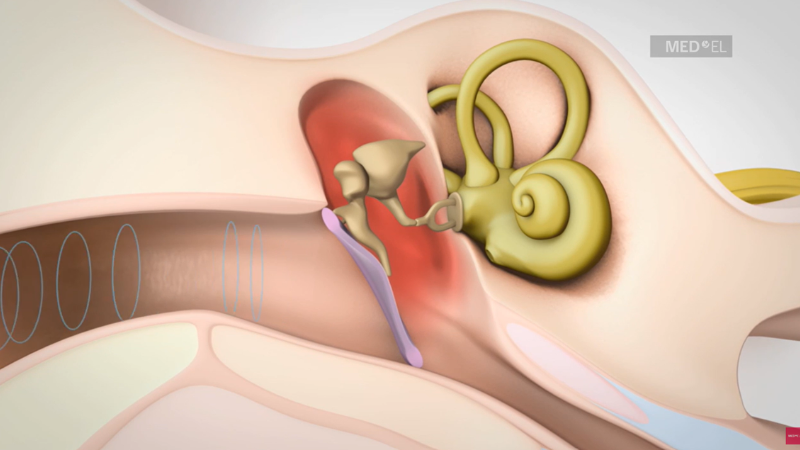
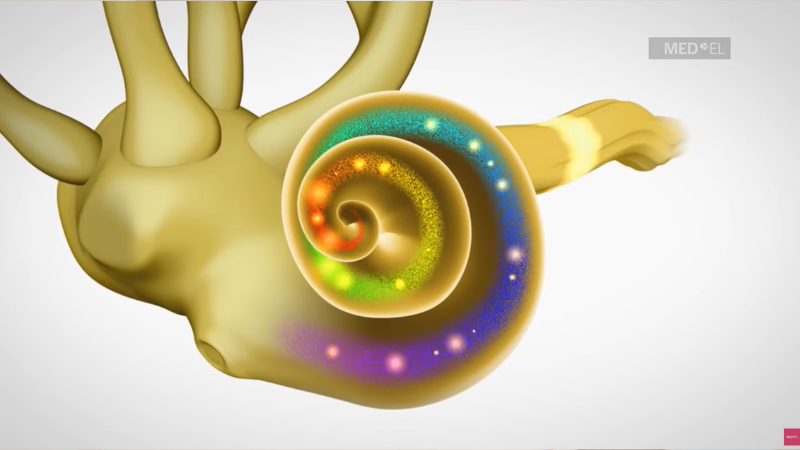
Sensorineural hearing loss (SNHL) is the most prevalent form of hearing impairment and results from damage to the delicate structures within the inner ear, specifically the cochlea, or to the auditory nerve itself. This damage affects the ear’s ability to convert sound vibrations into electrical signals that the brain can interpret, or it impedes the transmission of these signals.
Common Causes:
- Aging (Presbycusis): Gradual deterioration of the hair cells in the cochlea is a primary cause, affecting approximately one-third of individuals aged 60-70 and up to half of those over 75.
- Noise Exposure: Prolonged exposure to loud noises, whether from occupational settings (e.g., construction, manufacturing) or recreational activities (e.g., concerts, firearms), can cause irreversible damage to hair cells. The World Health Organization (WHO) estimates that over 1 billion people aged 12-35 are at risk of hearing loss due to unsafe listening practices.
- Genetics: Inherited predispositions can lead to congenital or early-onset SNHL.
- Illness and Infections: Certain viral infections like measles, mumps, or meningitis can damage the inner ear or auditory nerve.
- Ototoxic Medications: Some medications used to treat conditions like cancer, infections, or cardiovascular diseases can have adverse effects on hearing.
- Meniere’s Disease: A disorder of the inner ear that can cause fluctuating hearing loss, tinnitus, vertigo, and aural fullness.
- Acoustic Neuroma: A benign tumor on the auditory nerve that can lead to progressive hearing loss, tinnitus, and balance problems.
What It May Sound Like:
SNHL often affects both the loudness and clarity of sounds. Speech may sound faint, distorted, or difficult to understand, particularly in environments with background noise. Individuals might struggle to discern certain speech frequencies, making conversations in group settings or over the telephone challenging. Tinnitus, a persistent ringing or buzzing in the ears, is also a common symptom associated with SNHL.
Is Sensorineural Hearing Loss Permanent?
In most cases, SNHL is permanent. The sensory hair cells in the cochlea, once damaged or destroyed, do not regenerate. Similarly, damage to the auditory nerve is generally not reversible.
Treatment Options for Sensorineural Hearing Loss:
While SNHL cannot typically be cured, it can often be effectively managed.
- Hearing Aids: These devices amplify sounds, making them louder and easier to perceive. Modern hearing aids offer sophisticated features to enhance speech clarity in noisy environments.
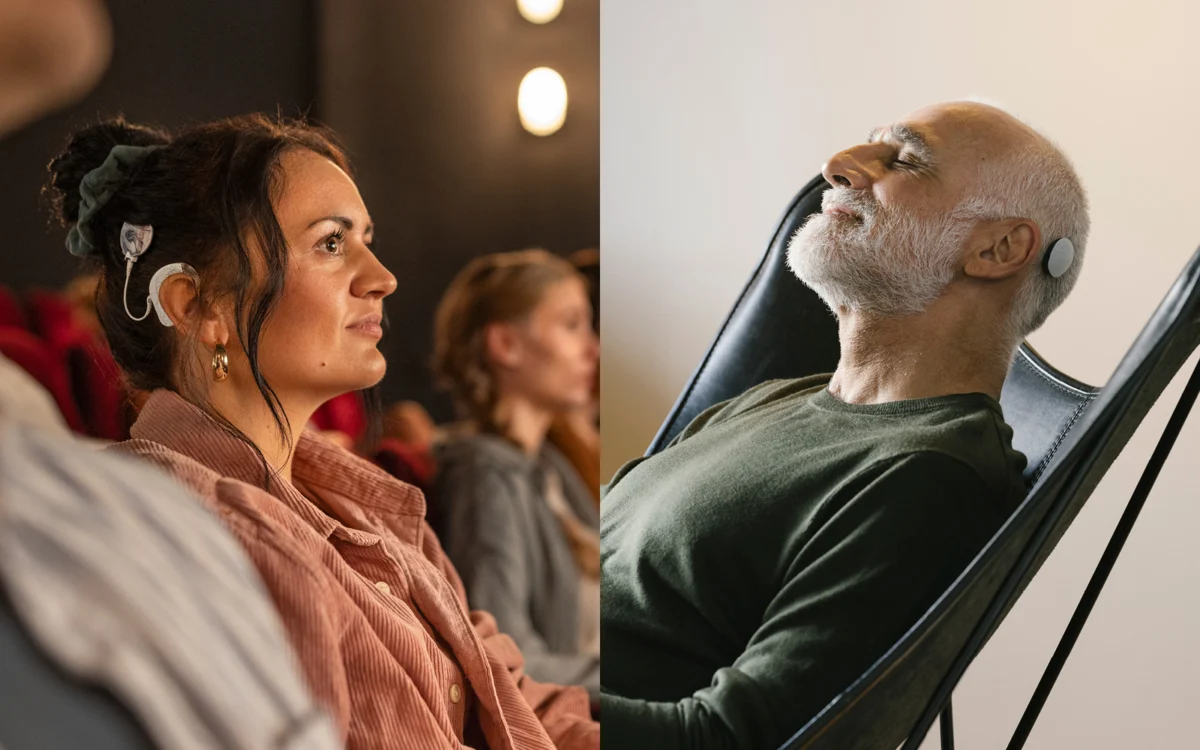
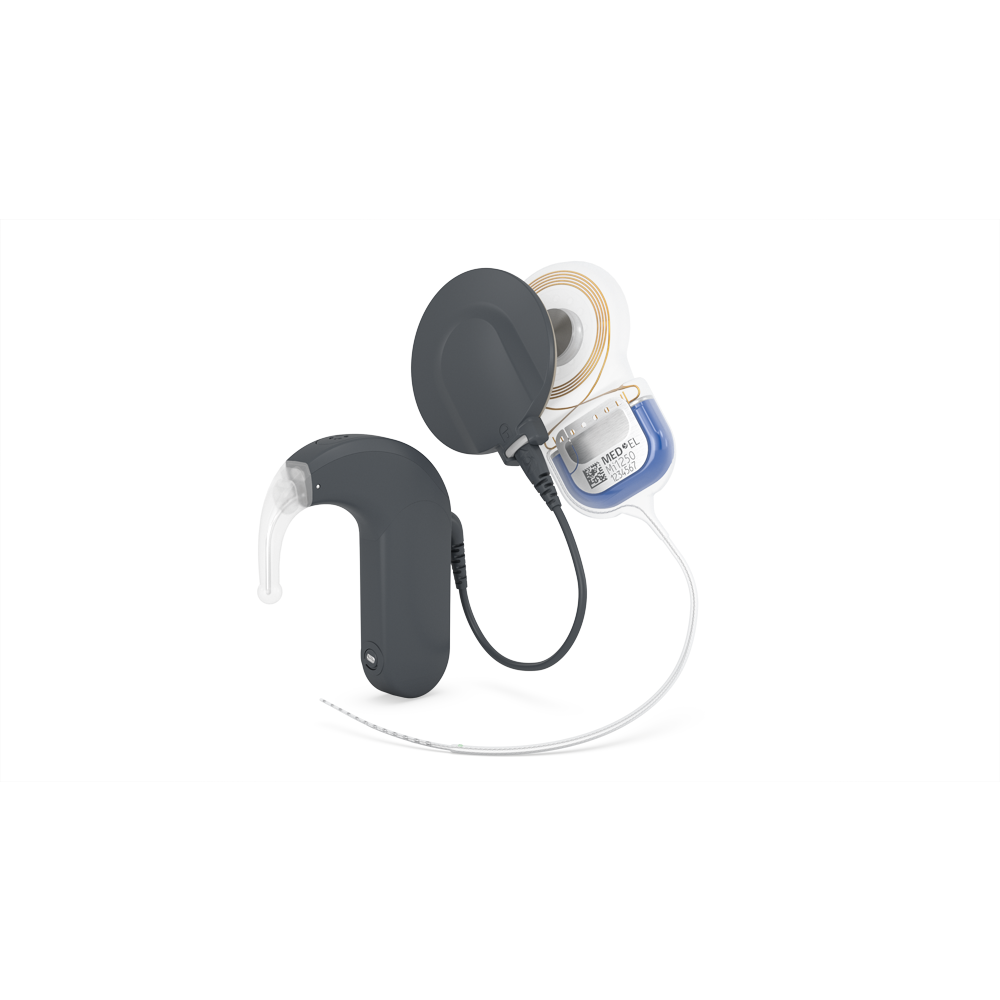
- Cochlear Implants: For individuals with severe to profound SNHL who do not benefit sufficiently from hearing aids, cochlear implants provide a way to bypass the damaged parts of the inner ear and directly stimulate the auditory nerve. These devices have revolutionized hearing restoration for many.
- Auditory Brainstem Implants (ABIs): In rare cases where the auditory nerve itself is severely damaged or absent, ABIs can be used to bypass the cochlea and auditory nerve altogether, stimulating the brainstem directly.
Diagnosing Hearing Loss: The Role of Professional Evaluation
While individuals may notice changes in their hearing, self-diagnosing the specific type of hearing loss is unreliable. A comprehensive audiological evaluation by a qualified professional is essential. This typically involves:
- Otoscopy: Visual examination of the ear canal and eardrum.
- Audiometry: This includes:
- Pure-tone audiometry: To determine the softest sounds an individual can hear at different frequencies.
- Speech audiometry: To assess how well an individual understands spoken words.
- Tympanometry: To measure the function of the middle ear and eardrum.
- Otoacoustic Emissions (OAEs): To assess the function of the hair cells in the cochlea.
- Auditory Brainstem Response (ABR) Testing: To evaluate the auditory pathway from the ear to the brainstem.
Starting with an online hearing test can be a useful preliminary step, offering a quick assessment of one’s hearing capabilities. However, these tests are not a substitute for a professional diagnosis.
The Importance of Professional Testing
Symptoms of hearing loss can overlap significantly between conductive and sensorineural types. For instance, both can lead to difficulty understanding speech. Conductive loss might present as muffled sounds, while sensorineural loss can result in distorted speech. Without professional testing, it is impossible to ascertain whether the issue lies in sound transmission or sound processing. This distinction is critical for effective treatment. For example, a simple earwax removal might resolve conductive hearing loss, whereas a cochlear implant might be necessary for severe sensorineural loss.
Critical Note: Any sudden changes in hearing, regardless of perceived type, should be evaluated by a medical professional as soon as possible to ensure timely and appropriate treatment.
Treatment Pathways and Future Directions
The therapeutic approach to hearing loss is tailored to the identified type, cause, and severity.
Conductive Hearing Loss Treatment:
Treatment strategies often focus on addressing the underlying blockage or mechanical issue:
- Medical Intervention: Antibiotics for infections, decongestants for fluid buildup.
- Manual Removal: Safely removing earwax or foreign objects.
- Surgical Procedures: Myringoplasty to repair a perforated eardrum, stapedectomy for otosclerosis, or procedures to ventilate the middle ear.
- Assistive Devices: If hearing loss persists after initial treatment, hearing aids, bone conduction implants (like the MED-EL Bonebridge system, which transmits sound through bone conduction), or middle ear implants may be recommended.
Sensorineural Hearing Loss Management:
Given the often permanent nature of SNHL, management focuses on maximizing residual hearing and improving communication abilities:
- Hearing Aids: The first line of treatment for mild to moderate SNHL.
- Cochlear Implants: For individuals with severe to profound SNHL who gain limited benefit from hearing aids. These advanced devices bypass damaged hair cells and directly stimulate the auditory nerve, offering a pathway to regain a sense of sound.
- Assistive Listening Devices (ALDs): These can include specialized telephones, FM systems for classrooms, or TV listeners that enhance sound clarity and reduce background noise.
- Speech Therapy and Auditory Rehabilitation: Programs designed to help individuals adapt to their hearing loss and improve their ability to understand speech and communicate effectively.
The MED-EL Perspective on Hearing Solutions
MED-EL, a leading provider of hearing implant solutions, emphasizes a patient-centered approach to addressing hearing loss. Their commitment to innovation is evident in their development of advanced cochlear implants and bone conduction systems designed to help individuals with sensorineural and mixed hearing loss regain their hearing. Dr. Yi Ge’s work at MED-EL underscores the company’s dedication to understanding the nuances of hearing loss and developing solutions that cater to diverse audiological needs, fostering patient-centered innovation in hearing healthcare.
Taking Action for Hearing Health
Experiencing hearing difficulties should not be a cause for prolonged concern. Promptly seeking a professional evaluation is the most effective first step toward understanding your hearing health and exploring available solutions. Early intervention can significantly impact the trajectory of hearing loss management and improve overall quality of life. If you are unsure about your hearing status, a professional assessment is always the recommended starting point.
For those seeking more information or wishing to take the next step in managing their hearing health, MED-EL offers resources and support. Their team is available to answer questions about the causes of hearing loss and the range of treatment options, including their advanced hearing implant systems.

Disclaimer: The content provided in this article is for general informational purposes only and does not constitute medical advice. It is essential to consult with a qualified healthcare professional or audiologist for any concerns regarding hearing loss or for personalized medical guidance.