
The pursuit of natural hearing has long been a cornerstone of cochlear implant development. Traditional fitting methods, while effective in restoring audibility, often rely on generalized models of the cochlea. However, the intricate and unique architecture of each individual’s cochlea presents a significant challenge in optimizing sound perception. Anatomy-Based Fitting (ABF), a proprietary innovation from MED-EL, directly addresses this by leveraging post-operative imaging to precisely map the location of the implanted electrode array within the patient’s cochlea. This detailed anatomical information, combined with sophisticated software like OTOPLAN, allows audiologists to align sound coding strategies with the actual position of the electrode contacts, thereby mirroring the tonotopic organization of natural hearing more closely.
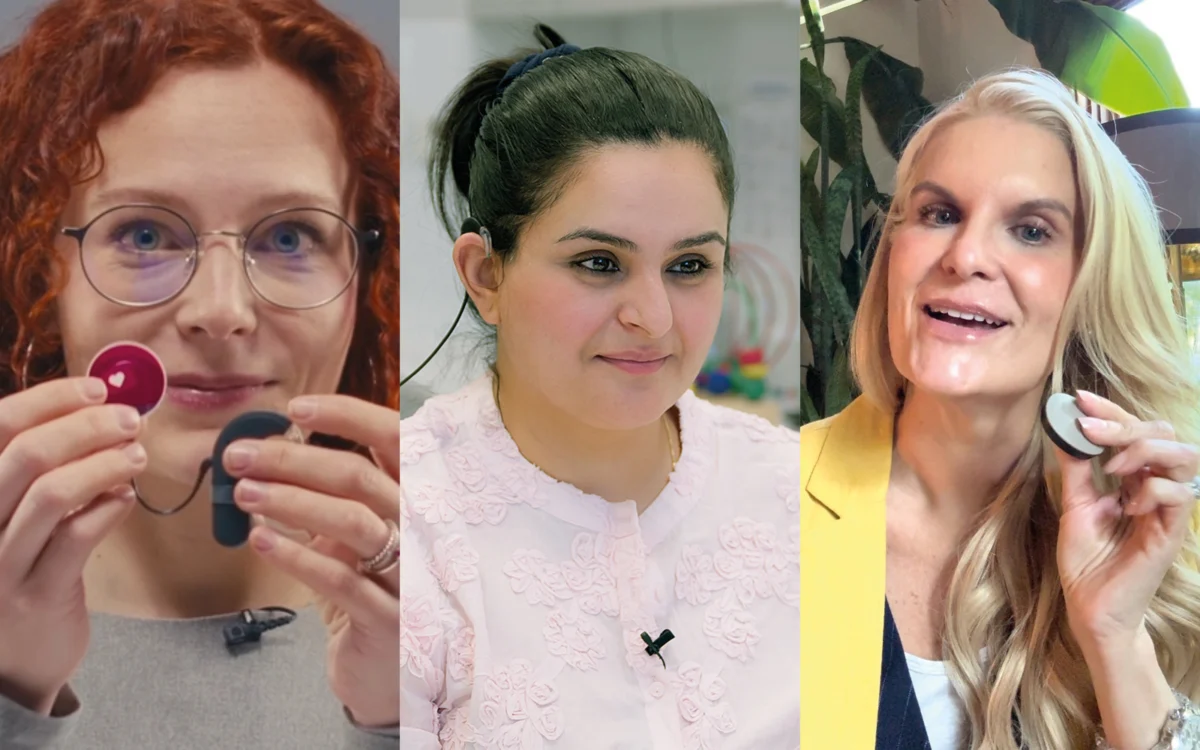
This user-driven review chronicles the transformative journeys of three individuals—Mariia, Nandini, and Tracie—each with distinct hearing histories and life circumstances, yet all reporting profound improvements in their hearing experiences thanks to ABF. Their testimonies underscore that the true measure of success with a cochlear implant extends beyond simply detecting sound; it encompasses the ability to recognize familiar sounds like birdsong, appreciate subtle auditory cues like the fizz of a carbonated beverage, and, for many, to hear their own voice with a renewed sense of familiarity. These are not merely incremental gains; they represent significant leaps toward a more integrated and natural auditory perception.
Understanding Anatomy-Based Fitting: A Precise Approach to Sound
At its core, natural hearing relies on the cochlea’s tonotopic organization, where different frequencies are processed at specific locations along its spiral structure. Anatomy-Based Fitting (ABF) meticulously recreates this organization within the cochlear implant system. By utilizing post-operative imaging, typically CT scans, audiologists can visualize the precise placement of the electrode array within the patient’s cochlea. This information is then integrated with MED-EL’s OTOPLAN software, a sophisticated planning and guidance tool.
OTOPLAN assists audiologists in aligning the frequency allocation of the sound processor’s coding strategy with the actual physical locations of the electrode contacts. This means that instead of assuming a standard placement, the fitting is tailored to the individual’s unique cochlear anatomy and the specific position of the implanted electrodes. The outcome is a more precise and personalized fitting, designed to promote a more natural and intuitive auditory experience. This level of personalization moves beyond generic mapping to a truly bespoke auditory rehabilitation.
The Profound Impact of Personalization in Hearing
The shared sentiment among Mariia, Nandini, and Tracie is that ABF transcends purely technical advancements; it delivers tangible emotional and functional benefits, manifesting as relief, ease, and a sense of familiarity.
Mariia, a neuroscientist who had used a conventional fitting on one side for several years before adopting ABF, experienced a significant enhancement in auditory comfort. Her own voice, which had previously sounded subtly distorted, regained a natural quality. Music, too, became richer and more immersive. For Mariia, ABF was not a miraculous overnight transformation but rather the removal of a persistent, almost imperceptible layer of auditory dissonance, replaced by a profound sense of ease. This experience highlights how even subtle misalignments in conventional fittings can contribute to a feeling of unnaturalness, which ABF effectively resolves.
Nandini, a bimodal user from the UK with a history of progressive hearing loss, noted an immediate difference. The sound quality became less "tinny" and "robotic," evolving into a smoother, more brain-friendly auditory experience. Her perception was that ABF had not merely altered the sound itself but had fundamentally changed the physical sensation of listening, leading to a sense of relief and allowing her auditory system to function with greater ease. This suggests that a more anatomically aligned fitting can reduce the cognitive load associated with processing sound, leading to a more relaxed and less fatiguing listening experience.
Tracie’s journey, while initially requiring more effort, further illuminates the potential of ABF. Having lived with single-sided deafness and experiencing a sudden onset of hearing loss, she initially found that ABF necessitated a period of re-adaptation after months on a default map. However, she persevered, recognizing the inherent potential. Over time, ABF enabled her cochlear implant to "twin" more effectively with her residual natural hearing ear. This improved synergy resulted in enhanced comfort and the realization of a sound quality she described as "very natural." Tracie’s experience underscores that while ABF optimizes the input, the brain’s active engagement and adaptation remain crucial for maximizing its benefits, particularly in complex listening environments.
Moments of Revelation: The "Wow" Factor of ABF
The most compelling narratives often emerge from seemingly ordinary moments that are transformed by improved hearing. For Mariia, a profound "wow" moment occurred when she heard her own voice and recognized it with absolute certainty: "That’s me." The constant presence of one’s own voice makes even minor pitch discrepancies noticeable and potentially intrusive. ABF effectively eliminated this subtle disconnect for her. Furthermore, she observed that environmental sounds on her newly implanted side were perceived as closer to natural much sooner than with her previous fitting. This suggests that a more anatomically aligned sound representation accelerates the brain’s ability to interpret and integrate new auditory information.
Nandini’s unforgettable moment involved not just the auditory cue of a soda can being opened, but the distinct "fizz" of the soda itself. This appreciation of fine auditory detail—the tiny bubbles, the textural nuances—marked a return to auditory experiences she had long forgotten. Overall, her sound perception shifted from being artificial and robotic to genuinely natural. This ability to discern subtle details is a hallmark of natural hearing and indicates that ABF can facilitate a richer and more nuanced auditory landscape.
Tracie’s pivotal "wow" moment transpired in a bustling, noisy environment. Instead of being overwhelmed by a cacophony of layered sounds, she observed her brain actively organizing the auditory input. This transformed a potentially exhausting listening experience into a purposeful one, providing an opportunity to develop new auditory skills and build confidence in challenging acoustic settings. This capacity for the brain to effectively process complex soundscapes is significantly enhanced when the auditory signal provided by the cochlear implant is more closely aligned with natural auditory principles.
User Perspectives on ABF in Daily Life
User feedback consistently points to a significant improvement in the overall quality of life for individuals utilizing ABF. The technology is credited with enhancing communication in various settings, from professional meetings to social gatherings, leading to increased confidence and reduced listening fatigue. For many, the ability to engage more fully in conversations without the constant strain of deciphering speech is a transformative benefit.
Furthermore, ABF has been reported to significantly improve the appreciation of music. The more natural pitch perception and improved sound quality allow users to experience musical nuances that may have been lost with conventional fittings. This renewed connection to music can have a profound emotional and psychological impact, enriching leisure activities and personal enjoyment.
The Enduring Importance of Adaptation
While Anatomy-Based Fitting represents a significant leap in personalization, it is crucial to acknowledge that adaptation remains a vital component of the cochlear implant experience. MED-EL’s ABF is a highly refined, individualized fitting strategy that is applied after surgery. However, the full benefits of this precise fitting are not always instantaneous for every user. The brain, even with an optimally fitted implant, requires time to learn and adjust to the new auditory input.
Mariia experienced a rapid adjustment period, adapting within days. Nandini, on the other hand, found that it took several months to reach her optimal level of hearing. Tracie described the process as a temporary reset that demanded active listening practice, patience, and a sustained commitment. Across all three experiences, the consensus advice is clear: consistent engagement with the fitting and dedicated auditory rehabilitation are paramount to unlocking the full potential of ABF. This underscores that technology, while advanced, works in synergy with the user’s active participation.
Why Users Advocate for Anatomy-Based Fitting
The consistent recommendation for ABF from users stems from its ability to foster not just access to sound, but a more profound and positive "relationship with sound." This translates into several key advantages:
- Reduced Listening Strain: By providing a more natural and intuitive sound signal, ABF minimizes the cognitive effort required to process auditory information, leading to less fatigue and greater comfort throughout the day.
- Enhanced Comfort: The more precise alignment of frequencies with electrode positions contributes to a more comfortable listening experience, reducing the perception of artificiality or distortion.
- More Realistic Pitch Perception: ABF aims to replicate the tonotopic organization of the cochlea, resulting in a more natural representation of pitch, which is crucial for speech clarity and music appreciation.
- A Voice That Feels Like Their Own: The ability to hear one’s own voice with greater naturalness can be a deeply affirming experience, impacting self-perception and communication confidence.
- Increased Confidence: Improved understanding in noisy environments and clearer speech perception boost confidence in professional settings, social interactions, and everyday communication.
- Greater Music Appreciation: The enhanced fidelity and naturalness of sound allow users to reconnect with music, experiencing its richness and complexity with renewed enjoyment.
For individuals willing to invest the time and effort in the adjustment process, ABF offers a demonstrably more personalized and ultimately more rewarding hearing experience.
Hearing That Truly Fits You
At its fundamental level, Anatomy-Based Fitting is driven by a singular vision: that hearing should be as unique and individual as the person experiencing it. By meticulously accounting for the specific anatomical nuances of each cochlea, ABF brings the experience of hearing with a cochlear implant significantly closer to the fidelity and feeling of natural hearing. This goes beyond mere functional improvement; it fosters a deeper sense of connection to the auditory world.
For Mariia, Nandini, and Tracie, this shift has made a tangible difference, altering not only how they hear but also how they communicate and engage with the world around them. In many cases, the most profound change is not simply hearing more, but experiencing sound in a way that finally feels intrinsically right. The ongoing development and adoption of technologies like ABF signify a promising future for individuals with hearing loss, where auditory restoration is increasingly synonymous with a truly natural and fulfilling auditory life.