A Chronology of Early Detection and Diagnosis
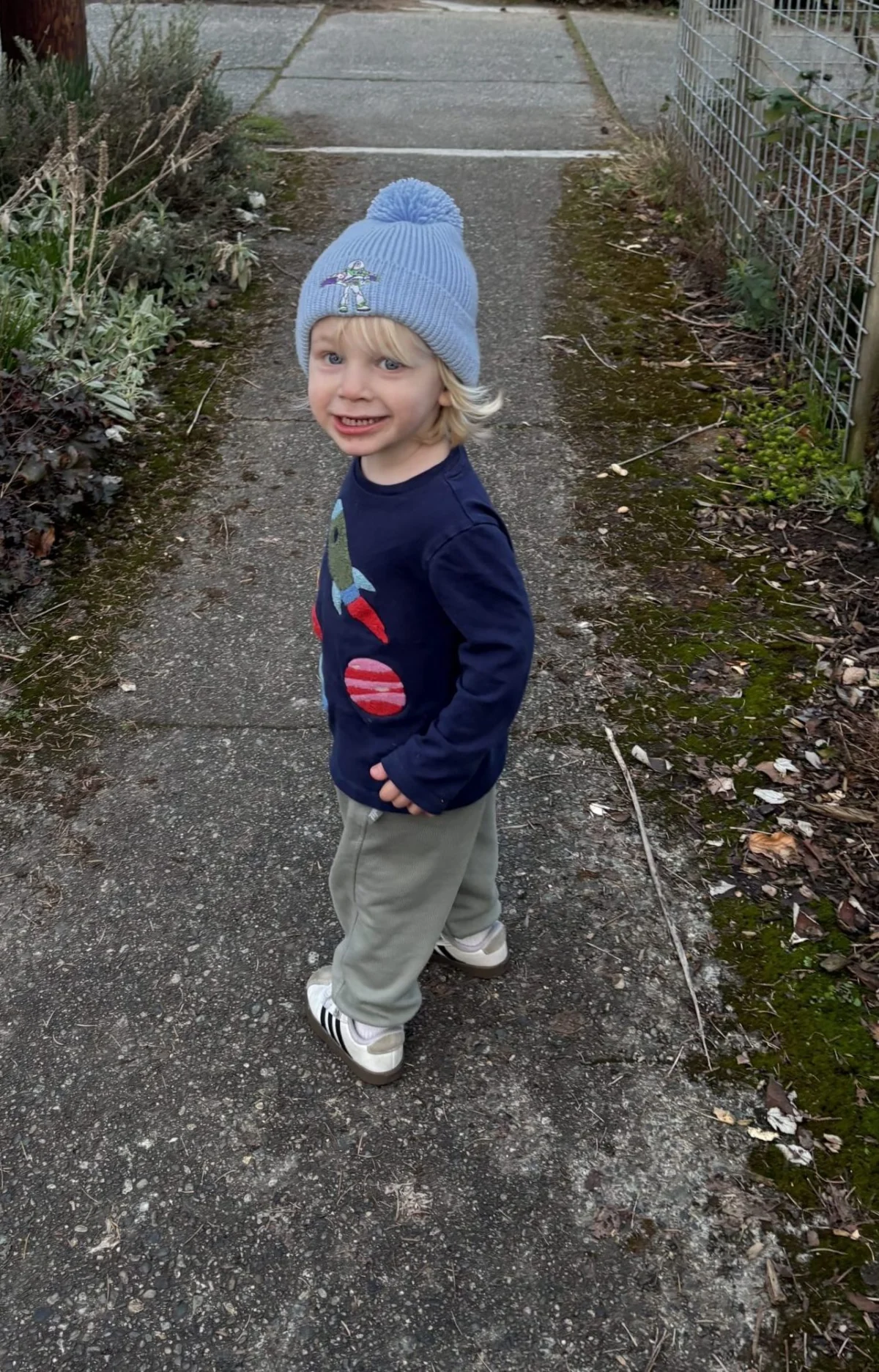
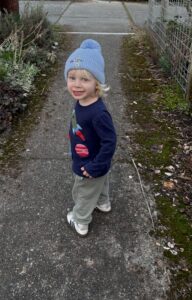
Landon’s medical journey began in the weeks immediately following his birth. While the initial screening failure was a point of anxiety for his family, it served as the essential first step in a complex diagnostic process. Genetic testing eventually identified a specific mutation involving the deletion of the STRC and CATSPER2 genes. This particular genetic profile impacts the inner ear, specifically affecting the ability to perceive higher-frequency sounds, such as the consonant "s" or the ambient noise of running water.
By the time Landon reached 17 months, he was fitted with hearing aids. However, the hardware was only one component of a broader strategy. Recognizing that hearing aids alone do not equate to language acquisition, his family engaged with Listen and Talk when Landon was only three months old. This timeline—beginning intervention in the first quarter of his first year—aligns with the "Gold Standard" of pediatric audiology, which emphasizes that early identification and intervention before six months of age significantly improve long-term language and social outcomes.
The Role of Specialized Intervention Specialists
Central to Landon’s success has been the work of his Birth to Three program specialist, Meghan. For families navigating a new diagnosis, the psychological toll can be as significant as the logistical challenge of managing medical appointments and therapy sessions. Meghan’s role evolved from a clinical facilitator to a foundational support system.
The intervention model employed in this case moves beyond traditional classroom instruction. It encompasses a holistic approach that includes home visits, parent training, and direct coordination with preschool teachers. By providing strategies such as seating adjustments to place the student closer to the instructor and mitigating ambient classroom noise, the specialist ensures that the child is not only "hearing" but actively participating in the learning environment. Furthermore, the introduction of "hearing fatigue" management—a phenomenon where children with hearing loss require more cognitive energy to process speech and sounds—has allowed Landon’s educators to accommodate his specific needs, preventing burnout and keeping him engaged.
Data-Driven Outcomes in Auditory Development
The success of these programs is often quantified through consistent audiological testing and vocabulary assessment. Recent data in the field of deaf and hard of hearing education suggest that children who receive integrated auditory-verbal therapy show significantly higher rates of grade-level reading and vocabulary acquisition compared to those who lack access to such services.
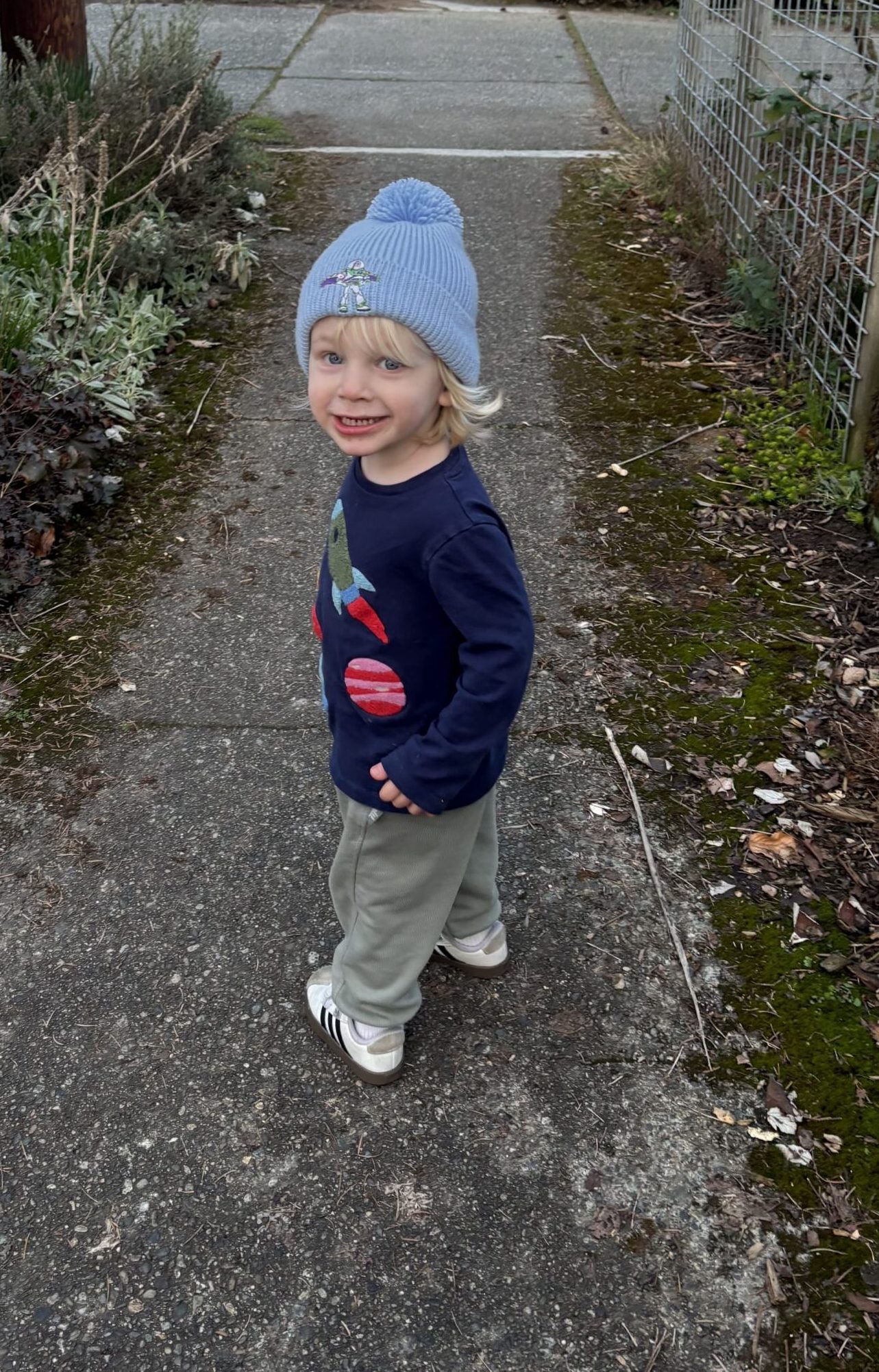
In Landon’s case, the measurable increase in his vocabulary and the rapid improvement in his articulation are direct outcomes of this sustained intervention. When a child’s auditory input is optimized through technology and supported by expert-led speech therapy, the "gap" in language development—often observed between hearing and hard-of-hearing peers—begins to narrow, and in many cases, closes entirely.
The Blended Classroom: An Inclusive Educational Model
A significant component of modern early intervention is the "blended classroom." This model integrates children with hearing loss alongside their typically hearing peers. The benefits of this approach are twofold: it provides the necessary auditory-rich environment for the hard-of-hearing student, and it fosters an inclusive social environment that promotes advocacy skills.
In a blended classroom, children learn to navigate communication challenges in real-time. By developing these advocacy skills at a preschool level, students are better equipped to articulate their needs to teachers, coaches, and peers as they transition into kindergarten and beyond. This preparation is essential, as the transition to mainstream schooling often requires the student to take a more active role in managing their own assistive technology and communication access.
The Broader Implications of Early Intervention
The implications of Landon’s story extend far beyond his individual success. As a social impact enterprise, organizations like Listen and Talk demonstrate that the cost-effectiveness of early intervention is substantial. When children receive high-quality support early, they are more likely to succeed in general education settings, reducing the long-term reliance on specialized, high-cost educational services later in life.
Moreover, the financial structure of these programs often relies on a combination of public funding and philanthropic support. Donations to these initiatives directly fund essential pillars of development: pediatric audiology testing, ongoing speech therapy, and, perhaps most importantly, parent education. Because a child’s primary environment is the home, equipping parents with the tools to troubleshoot hearing aids, implement reading techniques, and provide consistent language exposure is as vital as any classroom activity.
Addressing the Hearing Loss Spectrum
The condition of microtia, atresia, and other forms of hearing loss affects thousands of children annually. Each case presents unique challenges, whether the issue is structural or sensory-neural. The current consensus among pediatric specialists is that "no child should be limited by hearing loss." This vision requires a robust infrastructure of specialists who understand the intersection of audiology, speech-language pathology, and childhood development.
The advocacy movement surrounding these services aims to normalize the presence of assistive technology and specialized classroom strategies in all schools. As more families seek out these resources, the need for funding and awareness remains high. The "guidepost" effect mentioned by families like Landon’s—where experienced specialists help parents navigate "uncharted waters"—is a critical resource that prevents families from feeling isolated during the diagnostic and treatment phases.
Moving Toward a Future of Equitable Communication
As we look toward the future of pediatric healthcare and education, the focus remains on the scalability of these successful models. The success of Landon is a testament to what is possible when medical diagnosis is met with proactive, compassionate, and highly trained educational support.
For the general public, understanding the nuance of hearing loss—such as the difference between hearing a sound and being able to interpret high-frequency consonants—is essential for fostering inclusive communities. When teachers understand hearing fatigue, when parents are empowered with troubleshooting skills, and when children are given the tools to advocate for their own hearing access, the systemic barriers that once defined "deafness" as a limitation are dismantled.
Ultimately, the goal of these interventions is to create an environment where the hearing status of a child does not dictate their potential. Whether through advancements in genetic understanding, improvements in hearing aid technology, or the continued refinement of the blended classroom model, the progress made in the lives of children like Landon offers a blueprint for future generations. The ongoing need for support, donation, and community engagement remains the engine that keeps these programs accessible, ensuring that the next child to receive a diagnosis has the same opportunity to thrive, learn, and succeed.