The Mechanism of Data-Driven Language Development
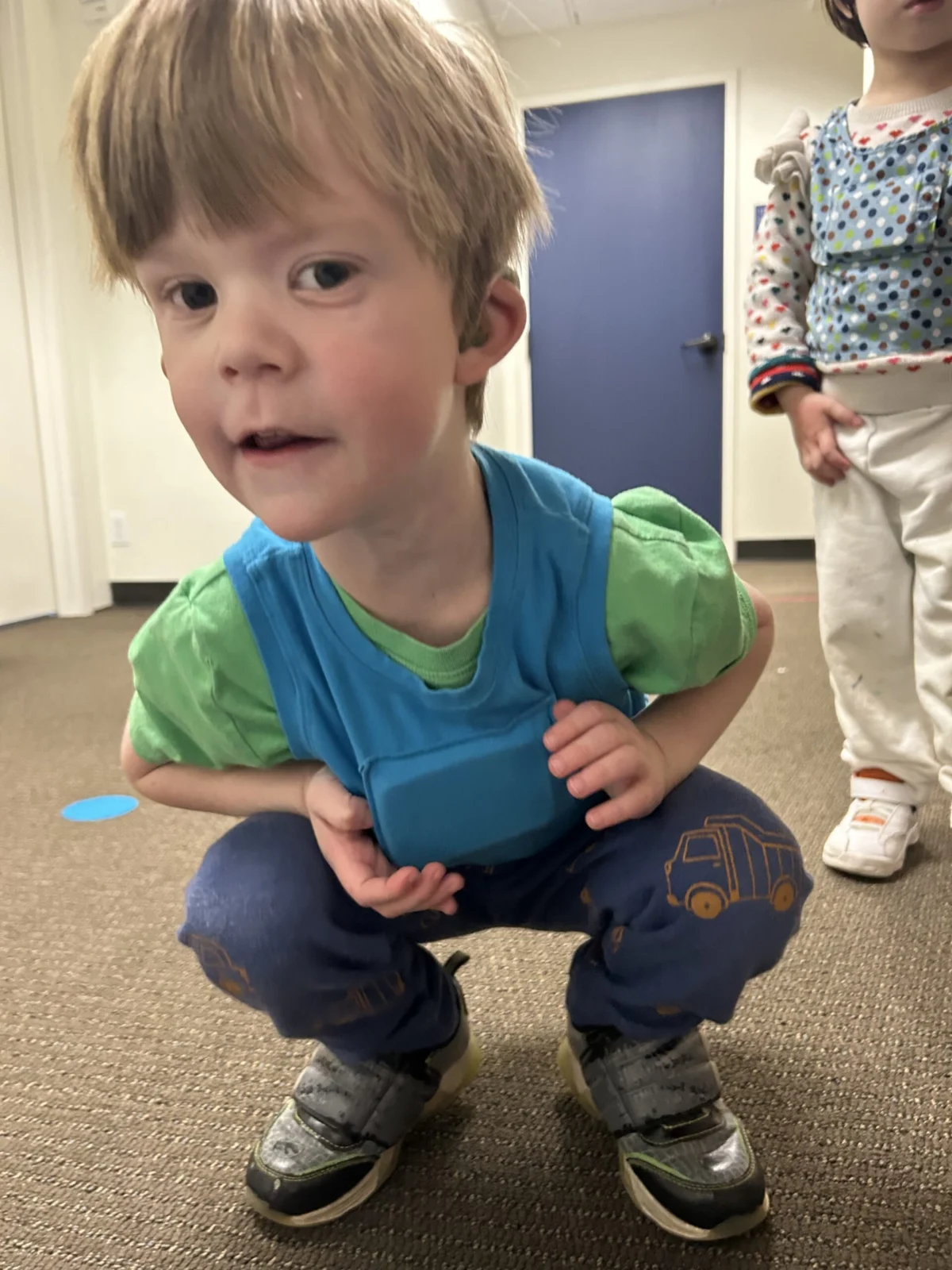
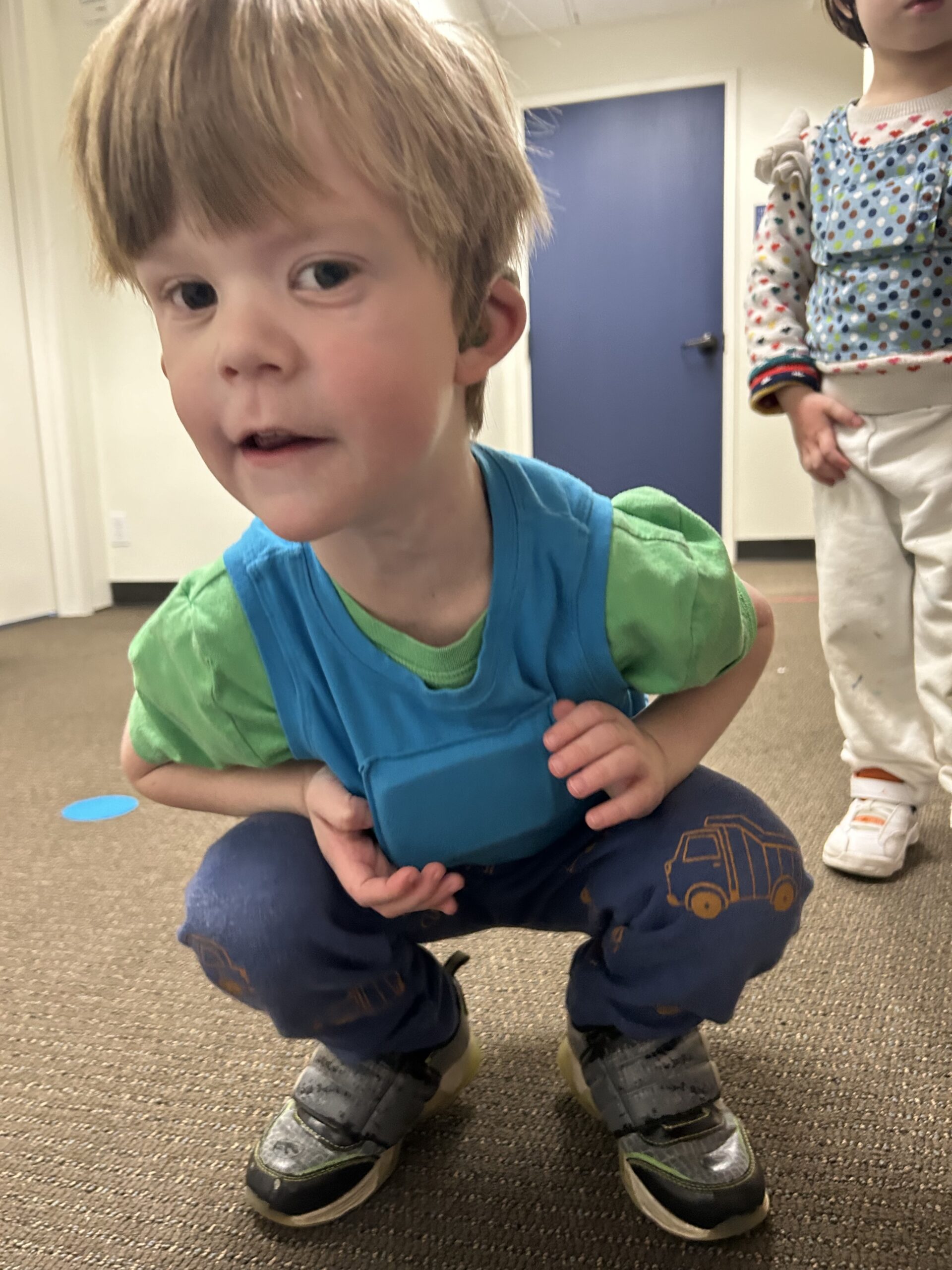
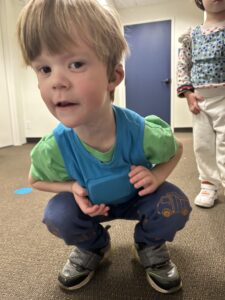
The implementation of LENA technology involves a structured process designed to minimize disruption while maximizing diagnostic accuracy. Children participating in the program wear the unobtrusive recording devices for two consecutive days. This duration is critical, as it captures a representative sample of the child’s communication patterns across varied activities, social interactions, and routines. Once the data is collected, the LENA software utilizes advanced algorithms to categorize the auditory environment.
The system parses raw audio into distinct metrics: child vocalizations, adult vocalizations, overlapping speech, and background noise levels. Perhaps most significantly, the software calculates the frequency and duration of "conversational turns"—the back-and-forth exchanges between a child and their peers or teachers. By providing hour-by-hour reports, the technology allows teachers to identify specific blocks of time during the school day where language engagement is at its peak and, conversely, periods where interaction may be stagnant. This granular level of reporting transforms the classroom into a laboratory for continuous pedagogical improvement, enabling staff to adjust their instructional strategies based on concrete, daily metrics.
Chronology and Evolution of the Program
The adoption of this technology reflects a broader industry trend toward evidence-based interventions in special education. Historically, language development in early childhood settings was monitored through periodic manual observations and standardized testing, both of which are prone to observer bias and provide only a snapshot of a child’s progress.
In the initial phases of the Listen and Talk program, the focus was primarily on establishing a baseline of communication. Educators noted that children with varying levels of language proficiency responded differently to the school environment. Early findings indicated that children experiencing language delays often exhibited more robust communication during highly structured, teacher-led sessions, whereas children with more advanced linguistic skills flourished during open-ended, child-directed play. These observations served as the impetus for the current research phase, which seeks to map these patterns against individual school schedules. By synchronizing LENA data with the curriculum, the organization is currently working to build a predictive model that can better tailor interventions to the specific developmental stage of each student.
Supporting Data and Scientific Context
The necessity for such precise measurement is underscored by decades of research in child development. According to studies by the LENA Research Foundation, the number of conversational turns a child experiences in their early years is one of the strongest predictors of long-term linguistic and cognitive success. Research suggests that the quality and frequency of these interactions are more impactful than the sheer volume of words a child hears.
Listen and Talk’s application of this data serves a vital function in the context of the "word gap," a phenomenon where children from different socio-economic or developmental backgrounds are exposed to significantly different quantities and qualities of language. By utilizing objective data to identify, for instance, a lack of peer-to-peer interaction, educators can intervene to encourage specific grouping strategies. This quantitative approach removes the guesswork from early childhood intervention, allowing for a personalized "dosage" of language-rich interaction that is customized to the specific needs of the student, rather than a one-size-fits-all classroom policy.
Addressing the Complexity of Peer Interaction
One of the most significant challenges in early childhood education is the disparity between adult-child communication and child-child communication. While traditional LENA software has historically excelled at distinguishing between "woman," "man," and "child" vocalizations, Listen and Talk has identified a critical need for deeper analytical capabilities. Many children in their programs demonstrate higher comfort levels and greater linguistic output when interacting with adults, yet struggle to initiate or sustain conversations with their peers.
To address this, the organization is currently pioneering the development of new tools to parse the "child" category of the LENA data. The goal is to isolate and quantify the interactions specifically occurring between peers. By examining these fine-grained details, researchers hope to determine why certain children experience higher success rates with peers in specific settings—such as sensory play or group reading—compared to unstructured play. This research is expected to yield actionable insights, such as creating "peer-buddy" systems or modifying the physical layout of the classroom to encourage more frequent and meaningful child-to-child verbal exchanges.
Official Perspective: The Role of Research and Evaluation
Mona Oster, Ph.D., CED, and LSLS certified AVT, who serves as the Education and Research Director at Listen and Talk, emphasizes that the transition to data-backed instruction is not merely a technological upgrade but a fundamental shift in the pedagogical philosophy of the organization. From an official standpoint, the integration of these devices is viewed as an essential component of the "blended classroom" model, where the objective is to create an environment that is as responsive as possible to the unique neurological and social development of each child.
The use of LENA data, according to internal organizational goals, is intended to be a collaborative process. Rather than using the reports as a means of performance monitoring for staff, the data is shared to empower teachers to see the direct results of their interactions. When a teacher sees a visual representation of how their specific engagement increased a child’s conversational turns during an hour of play, it reinforces the effectiveness of responsive teaching methods. This creates a feedback loop where research directly informs classroom practice in real-time.
Broader Implications for Early Intervention
The implications of this work extend far beyond the walls of the Listen and Talk facility. As school districts and educational organizations grapple with the long-term impacts of developmental delays in speech and language, the demand for precise, early-stage diagnostic tools has never been higher. The methodology being developed by Listen and Talk offers a blueprint for how other institutions can implement high-tech monitoring to support students with diverse needs, including those with hearing loss, speech impediments, or neurodivergent communication styles.
Furthermore, the shift toward longitudinal data collection allows for better communication with parents and clinical teams. When educators can present a parent with objective data showing a 20% increase in conversational turns over a three-month period, it builds trust and provides families with a clear, measurable understanding of their child’s progress. This transparency is crucial for the continuity of care between the school and the home environment.
Future Trajectory and Challenges
Looking ahead, the next phase of development for Listen and Talk involves refining their data interpretation protocols to ensure that privacy remains a paramount concern while maximizing the clinical utility of the information. As the software continues to evolve, the ability to isolate specific types of vocalizations—such as the difference between a tantrum-related noise and a communicative attempt—will further refine the diagnostic power of the system.
While the current reliance on technology provides a robust framework, researchers at the organization are careful to emphasize that the data is a tool, not a replacement for professional human judgment. The ultimate goal is to reach a point where every child’s unique communication "profile" is well-understood, allowing for interventions that are not just proactive, but predictive. By bridging the gap between raw auditory data and clinical pedagogical application, Listen and Talk is establishing a standard for excellence in early childhood education that emphasizes individualized growth, scientific rigor, and the fundamental importance of the conversational bond.