The findings, which have been submitted to the Journal of Early Intervention, represent a shift toward more accessible, frequent, and family-centered evaluation practices. By moving away from the limitations of traditional, professional-only clinical assessments, the research highlights how parents can become active partners in the data-driven oversight of their child’s linguistic development.
The Evolution of Developmental Monitoring in DHH Populations
For decades, the standard for assessing language development in DHH children involved formal, standardized tests administered by speech-language pathologists or audiologists. While these tests provide a baseline of competency, they are often hindered by systemic barriers. Traditional assessments often require in-person, controlled environments that can induce anxiety in young children, potentially skewing results. Furthermore, the time and cost associated with professional administration often limit the frequency with which these tests can be performed.
Best practices in the field, supported by research such as the 2013 findings by Moeller et al., emphasize the importance of "authentic measures." These are assessments that capture a child’s true skill level within their natural, everyday environment. Because parents are the primary observers of their child’s communication evolution, there has been a growing demand for tools that integrate family expertise into the formal assessment framework.
Chronology of the Listen and Talk Study
The research conducted by Listen and Talk was not an overnight endeavor; it was the culmination of years of data collection and program refinement.
- 2018: Listen and Talk began integrating the LENA Developmental Snapshot into its birth-to-three program as a standard monitoring tool.
- 2018–2023: Over 230 families participated in the program, providing a longitudinal data set that allowed for a robust evaluation of the tool’s effectiveness in a real-world, clinical setting.
- 2023: Researchers at Listen and Talk initiated a formal analysis of the data, focusing on 115 children with bilateral hearing loss whose primary language is English.
- 2024: The study was completed and submitted for peer-reviewed publication, confirming the tool’s validity when compared against traditional metrics like the MacArthur-Bates Communicative Development Inventories (CDI) and the Preschool Language Scale (PLS).
Data Analysis and Methodological Rigor
To ensure the study’s findings were statistically significant, researchers applied specific inclusion criteria. By limiting the sample to 115 children with bilateral hearing loss who were primary English speakers, the team minimized confounding variables related to multi-lingual acquisition or varying degrees of auditory input. The participants ranged in age from 6 to 35 months, with a mean age of 22 months.
The results revealed a mean standard score of 87.98 on the LENA Developmental Snapshot. In the context of standard assessment scoring, where the "typical" range is defined between 85 and 115, the cohort performed well within the expected parameters. However, the data also highlighted the high degree of variability inherent in DHH language acquisition, with individual scores ranging from 64 to 128. This variability underscores the necessity of personalized intervention plans rather than a "one-size-fits-all" approach.
Perhaps most critically, the correlation analysis showed that the LENA scores were highly consistent with those derived from the CDI and PLS. For the 48 children assessed via the CDI and the 35 assessed via the PLS, the LENA snapshot provided a comparable level of diagnostic insight, validating its status as a reliable alternative to more intensive, clinician-led evaluations.
The Mechanics of the LENA Snapshot
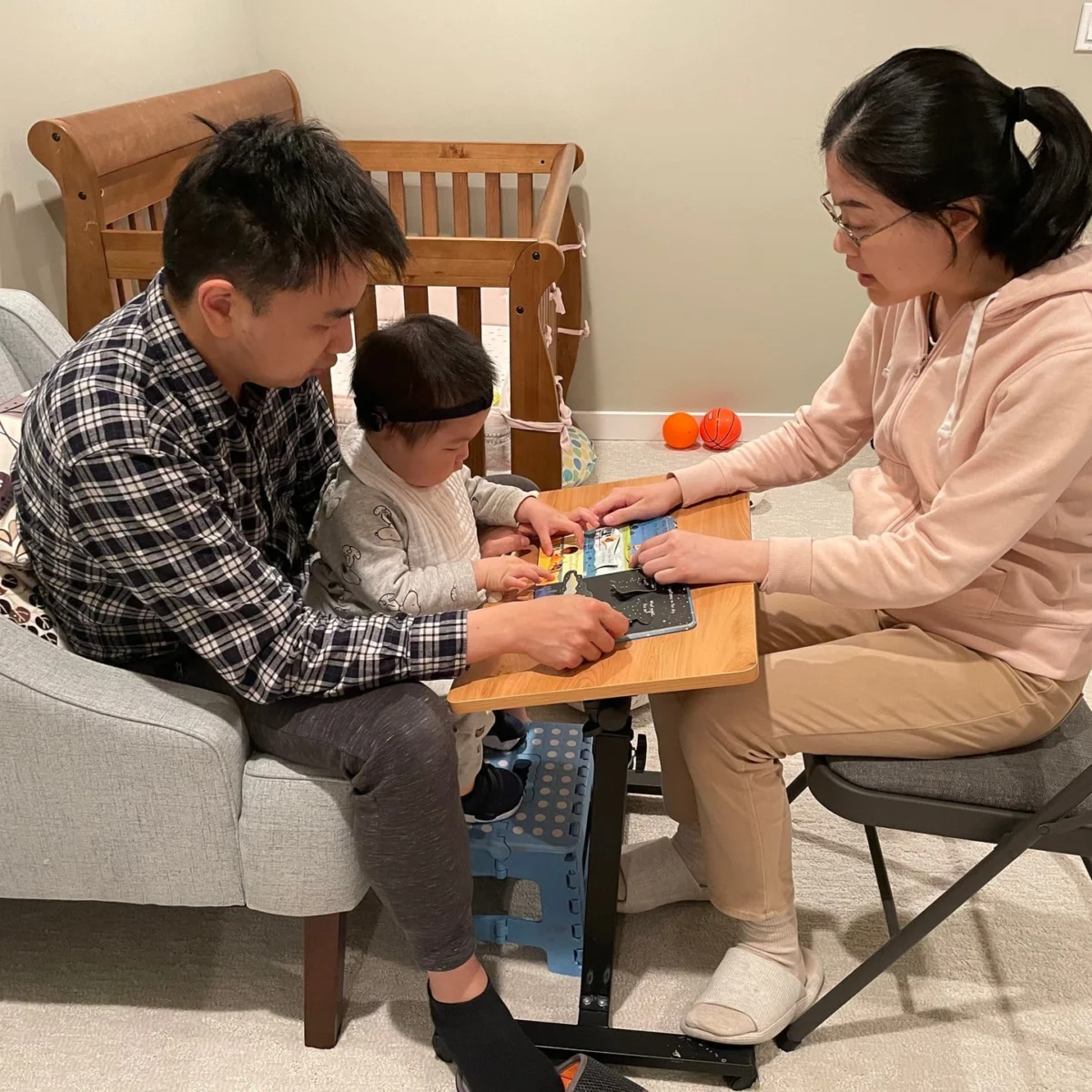
The LENA (Language Environment Analysis) Developmental Snapshot functions as an electronic parent questionnaire. Its design addresses three primary gaps in pediatric assessment:
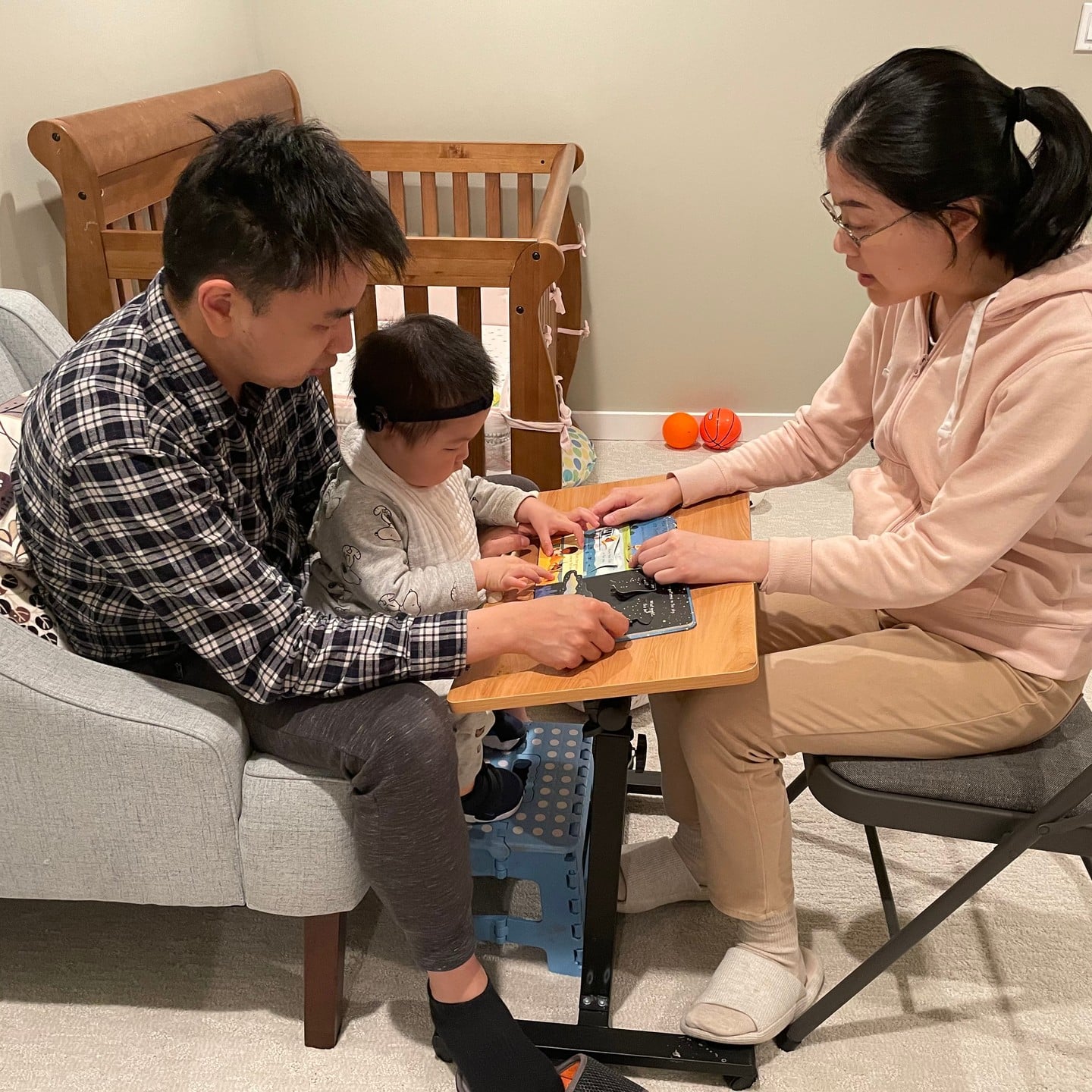
- Ecological Validity: Because the assessment is completed by parents, it reflects the child’s communication in the home, which is where the vast majority of language development occurs.
- Flexibility: The digital nature of the tool allows for administration via tele-intervention, a crucial feature in an era where remote access to specialized care is increasingly common.
- Frequency: Unlike traditional tests that might be administered only every six or twelve months, the LENA snapshot can be completed as frequently as once a month.
This frequency is a game-changer. For a child who is DHH, a month is a significant window of time. Rapid changes in developmental trajectory can be identified quickly, allowing providers to pivot their intervention strategies immediately if a child is not meeting projected milestones.
Implications for Early Intervention and Family Support
The findings from Listen and Talk carry significant implications for the broader field of early intervention. By empowering parents to report on their child’s progress, the LENA snapshot reinforces the concept that families are the true experts on their child’s development. This collaborative model, as highlighted by Szarkowski et al. (2024), shifts the power dynamic from a purely clinical relationship to one of shared responsibility and ongoing support.
Furthermore, frequent monitoring is essential for identifying secondary issues. For children with hearing loss, early detection of complications—such as changes in hearing status or the emergence of co-occurring disabilities—is vital. A high-frequency monitoring schedule acts as an "early warning system." If a child’s scores suddenly plateau or decline, parents and clinicians are alerted to the need for a re-evaluation of the child’s hearing technology or a shift in the therapeutic approach.
Expert Perspectives and Broader Impact
The adoption of the LENA snapshot within the Listen and Talk program demonstrates a commitment to evidence-based practice. According to Dr. Mona Oster, Education and Research Director at Listen and Talk, the integration of this tool is about closing the "language gap." For children who are DHH, the objective of intervention is to either maintain age-appropriate language skills or, if a gap exists, to provide the support necessary to minimize that deficit.
The scientific community has historically relied on longitudinal studies such as those by Yoshinaga-Itano et al. (2017) and Uhler et al. (2022) to understand the long-term outcomes of early identification. The Listen and Talk study contributes to this body of knowledge by offering a practical, scalable solution for daily clinical practice. By aligning the LENA snapshot’s output with established standardized measures, this research provides the necessary assurance to other early intervention programs that they can adopt this tool with confidence.
Challenges and Future Considerations
While the results are promising, researchers acknowledge the limitations inherent in the study. The current analysis was restricted to English-speaking households due to the existing validation of the LENA tool in English. Expanding this assessment to a wider, linguistically diverse population remains a critical next step for the field. Furthermore, as technology in cochlear implants and digital hearing aids continues to advance, the benchmarks for "age-appropriate" language may shift, requiring ongoing calibration of all developmental tools.
Despite these challenges, the ability to utilize a cost-effective, time-efficient, and accurate assessment tool is a significant victory for families of DHH children. It ensures that the intervention process is not an episodic event occurring within the four walls of a clinic, but a continuous, dynamic process embedded in the child’s daily life.
Conclusion
The research conducted by Listen and Talk serves as a compelling argument for the modernization of pediatric diagnostic tools. By validating the LENA Developmental Snapshot, the organization has provided a framework that supports both the clinical need for data and the familial need for accessibility. As this study moves toward formal publication, it is likely to influence how early intervention programs monitor progress, helping to ensure that children who are deaf or hard of hearing have every opportunity to reach their full linguistic potential.
The integration of family-led, evidence-based assessment tools represents the future of specialized education. Through consistent monitoring and the active inclusion of parents as partners in the data-gathering process, the path toward age-appropriate language development becomes clearer, more achievable, and significantly more sustainable for families across the country.