
A Chronology of Care: The Birth to Three Program
The trajectory of the Stirpe family’s involvement with Listen and Talk began shortly after Myles’s birth. Following his diagnosis at Seattle Children’s Hospital, the family was referred to the organization’s Birth to Three program, an initiative designed to capitalize on the critical window of neurological development in infants and toddlers.
During the pandemic, access to conventional therapeutic services was severely restricted. Despite these logistical hurdles, the program provided essential, one-on-one virtual and in-person guidance. Under the leadership of experts like Kim Hamren, the team focused on equipping parents with the tools necessary to foster linguistic development. This involved teaching the parents how to monitor and support consistent hearing aid use and how to integrate speech-language strategies into daily routines. For the Stirpe family, this intervention provided a structured, evidence-based roadmap that was largely unavailable to previous generations of families navigating hearing loss.

The Science of Early Intervention
The urgency behind programs like the one offered at Listen and Talk is rooted in decades of audiological and neurological research. According to data from the National Institute on Deafness and Other Communication Disorders (NIDCD), approximately two to three out of every 1,000 children in the United States are born with a detectable level of hearing loss in one or both ears. Early intervention—defined as services provided before the age of three—is the primary factor in determining long-term academic and social outcomes.
Studies published in the journal Pediatrics have consistently shown that children who receive early intervention services demonstrate significantly higher levels of language development compared to those who do not receive such support until later in childhood. By providing specialized training in listening and spoken language (LSL), organizations like Listen and Talk aim to bridge the "language gap" that can occur when a child is not exposed to sufficient auditory input during their most formative years. The organization’s guiding vision—that no child should be limited by hearing loss—aligns with the "Joint Committee on Infant Hearing" (JCIH) recommendations for universal newborn hearing screening and timely intervention.
Bridging the Gap Through Entrepreneurial Philanthropy
Following their positive experience with the Birth to Three program, the Stirpe family sought a way to ensure that other families would have access to the same life-changing resources. Recognizing that the cost of specialized therapy and assistive technology can be a significant barrier for many families, Alyssa Stirpe decided to leverage her own business, Juniper Beach Candle Co., to create a sustainable funding stream for the organization.
The campaign, which features a donation of $1 from every candle purchase, serves as a model for peer-to-peer fundraising in the non-profit sector. By integrating charitable giving directly into the retail cycle, Stirpe has created a "social impact" model that allows consumers to participate in advocacy through routine commerce. This initiative contributes to the "Give the Gift of Listening and Spoken Language" campaign, which funds essential therapy sessions, parent education workshops, and the acquisition of advanced audiological equipment.

Broader Implications for Healthcare and Community Support
The partnership between the Stirpe family and Listen and Talk underscores a shift in how families interact with healthcare service providers. Rather than a purely transactional relationship, modern families are increasingly becoming active stakeholders in the organizations that provide their care.
From an institutional perspective, organizations that foster strong relationships with their clients—as seen in this instance—often benefit from increased community trust and longevity. For Listen and Talk, the advocacy of a former client who is also a healthcare professional serves as a powerful endorsement of their methodology. It reinforces the efficacy of the "medical-home" model, where clinical care, therapeutic support, and family advocacy are synthesized into a single cohesive experience.
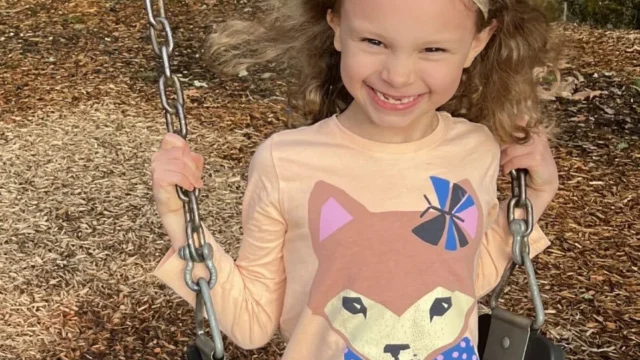
Furthermore, the story of Myles Stirpe—who is currently thriving in preschool with his hearing peers—serves as a tangible metric of success. His ability to communicate confidently and engage in age-appropriate activities is the direct outcome of the collaborative effort between his parents and the clinicians at Listen and Talk. This success story serves as a reminder that the "limitations" once associated with deafness are increasingly becoming a narrative of the past, provided that the necessary resources are available.
Institutional Response and Future Outlook
While Listen and Talk continues to scale its operations to meet the needs of an growing population of families, the organization maintains that community support is the bedrock of their sustainability. Official statements from the organization highlight that such donations are not merely financial contributions; they are investments in the future independence of children who are deaf or hard of hearing.

The impact of this initiative extends beyond the immediate funding of programs. It serves to raise public awareness about the reality of hearing loss in the 21st century. As technological advancements in cochlear implants and digital hearing aids continue to evolve, the human element—the therapy, the coaching, and the emotional support provided by specialized educators—remains the most critical component of success.
Conclusion: A Sustainable Legacy
The story of the Stirpe family and Juniper Beach Candle Co. provides a template for how individual action can strengthen institutional capacity. By transforming personal gratitude into a systematic, long-term fundraising initiative, they have ensured that the cycle of support continues for the next family walking through the doors of Listen and Talk.
As the organization looks toward the future, the focus remains on closing the gap between diagnosis and intervention. Through continued innovation in therapy and the ongoing commitment of advocates like the Stirpe family, the prospect of a world where hearing loss does not equate to diminished potential is becoming an achievable reality. The collaboration serves as a poignant reminder that while the journey of raising a child with hearing loss is unique, no family has to navigate it alone. Through the intersection of healthcare, community advocacy, and corporate social responsibility, the mission of Listen and Talk continues to resonate, one candle—and one child—at a time.