
A Medical Turning Point: The 1995 Milestone
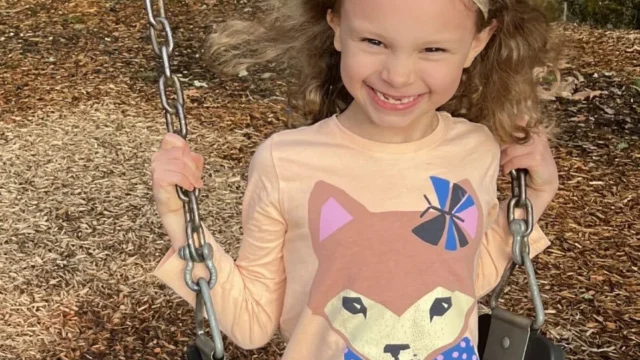
Jordan’s path began under harrowing circumstances. At just 22 months old, she contracted pneumococcal meningitis, a severe bacterial infection that caused a sudden, profound hearing loss. In 1995, the medical community’s approach to such a diagnosis was entering a transformative phase. Seattle Children’s Hospital, at the forefront of this clinical frontier, performed the surgery that would grant Jordan access to sound through one of the earliest cochlear implants of its kind.
This surgical intervention was not merely a medical event; it was the starting point for a lifetime of rehabilitation. While the implant provided the hardware for hearing, the software—the ability to interpret sound and translate it into language—required specialized education. This is where the organization Listen and Talk entered the narrative. Founded with the mission to support children who are deaf or hard of hearing in developing listening and spoken language, the program provided the structural support necessary for Jordan to maximize her new auditory capabilities.
Chronology of Development and Academic Achievement
The timeline of Jordan’s development highlights the necessity of sustained, long-term intervention. Joining Listen and Talk in 1996, Jordan became one of the program’s inaugural pre-K students. Under the guidance of founder Star Leonard-Fleckman and a dedicated team of educators, Jordan transitioned from a child learning to process sound to a student capable of navigating mainstream academic environments.
Her educational journey underscores the efficacy of early intervention. Following her time at Listen and Talk, she successfully transitioned through Charles Wright Academy, eventually matriculating at Stetson University. In 2014, she graduated with a Bachelor’s degree in Family Business and a minor in Management. This academic success is statistically significant; studies from the Alexander Graham Bell Association for the Deaf and Hard of Hearing consistently show that children who receive early intervention and access to high-quality LSL services are more likely to attend mainstream schools and pursue higher education than those who do not.

The Science of Early Intervention: Listening and Spoken Language
The core philosophy behind Jordan’s success is known as Listening and Spoken Language (LSL). This methodology focuses on the "neuroplasticity" of the developing brain, specifically the critical windows of opportunity during early childhood when the brain is most receptive to learning language. By integrating cochlear implant technology with intensive auditory-verbal therapy, organizations like Listen and Talk create an environment where the child learns to "listen" through the device, rather than relying solely on visual cues or sign language.
Data from the Centers for Disease Control and Prevention (CDC) indicates that approximately 2 to 3 out of every 1,000 children in the United States are born with a detectable level of hearing loss in one or both ears. When this loss is acquired later, as in Jordan’s case, the psychological and developmental challenges are acute. The support provided by the University of Washington Medical Center, combined with the educational infrastructure of Listen and Talk, served to bridge the gap between medical technology and daily social functionality.
Professional Integration and Personal Advocacy
Jordan’s transition into the professional workforce provides a practical look at how the lessons of her childhood have manifest in adulthood. As an assistant horse trainer, her role requires high levels of communication, situational awareness, and the ability to interpret non-verbal cues—skills that are arguably bolstered by the emphasis on "active listening" she practiced during her formative years.
In interviews and public reflections, Jordan is quick to attribute her success not to a single event, but to the collective effort of her family and support systems. Her advice to families currently navigating the early stages of a hearing loss diagnosis is multifaceted: prioritize the child’s auditory development, foster a robust community of support, and maintain an unwavering commitment to the daily labor of therapy. She posits that the "limitations" often associated with hearing loss are frequently a product of a lack of access to resources, rather than an inherent deficit in the child.
Broader Implications for the Future of Deaf Education
The story of Jordan Buckingham serves as a benchmark for institutions like Listen and Talk, which are now looking toward the next generation of alumni. The organization is currently conducting its 2025 Alumni Family Giving Campaign, an initiative designed to channel the success stories of former students back into the resources required to support new families.
The broader implications of this work are clear: early investment in auditory technology and language training yields long-term economic and social dividends. When a child is equipped with the tools to communicate effectively in a hearing-centric society, the reliance on social safety nets often decreases, and the capacity for professional contribution increases.
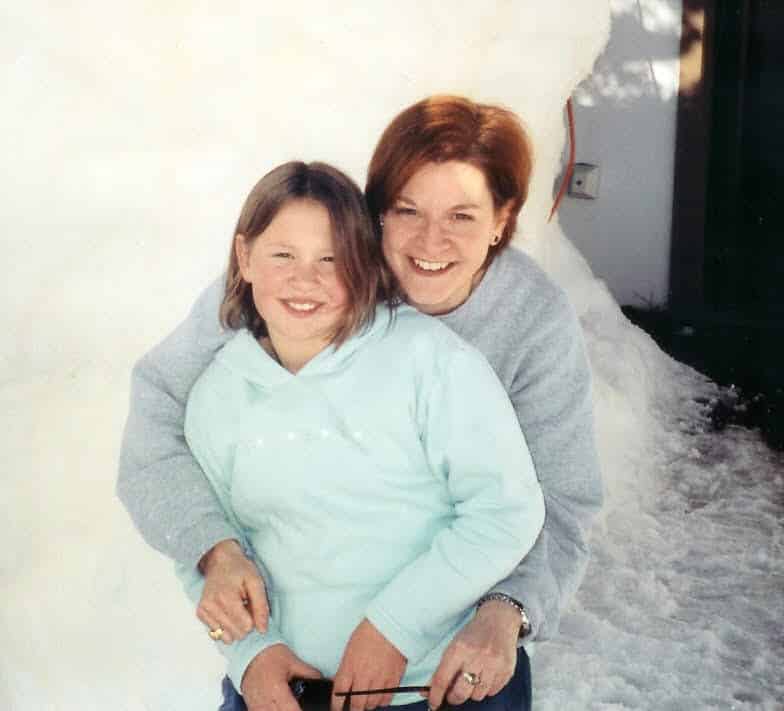
Experts in the field of audiology note that while technology has advanced significantly since 1995—with implants offering much higher fidelity and processors being smaller and more efficient—the "human element" remains the constant. The involvement of parents, the expertise of speech-language pathologists, and the existence of a community of peers who have "been there" are the primary predictors of success for children with cochlear implants.
Reflecting on the Alumni Legacy
As Listen and Talk looks to the future, they emphasize that the goal is not merely "curing" hearing loss, but rather fostering a world where such a diagnosis is no longer a limiting factor. By facilitating a network of alumni who are now doctors, business professionals, and educators, the organization is building a legacy that extends far beyond the classroom.
For the families of the children currently receiving services, Jordan’s trajectory offers a roadmap. It highlights that the process is not linear; there will be challenges, adjustments, and periods of intense effort. However, it also proves that with a combination of technological advancement and human perseverance, the "glass ceiling" often placed over children with hearing loss can be shattered.
Jordan’s current life in Idaho, where she spends her days training horses, serves as a quiet but profound rebuke to the limitations society often places on individuals with disabilities. Her story is a reminder that hearing loss, while a significant medical challenge, does not dictate the scope of one’s professional potential or the richness of one’s personal life. As she continues her career and remains an advocate for the programs that shaped her, her legacy continues to ripple through the community, inspiring families to see beyond the diagnosis and focus on the limitless potential of their children. The success of such alumni remains the strongest argument for the continued funding and expansion of early intervention programs across the country, ensuring that the "firsts" of 1995 become the standard of care for generations to come.