A Foundation Rooted in Specialized Therapy
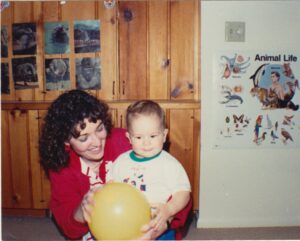
The history of Listen and Talk traces back to 1996, when founder Star Leonard-Fleckman, a teacher of the deaf and a certified auditory-verbal therapist, established the program in the basement of her own home. At the time, the clinical approach to pediatric hearing loss was undergoing a paradigm shift, moving toward methodologies that prioritized the development of spoken language through early identification and the use of modern hearing technology.
Leonard-Fleckman’s initial vision was to create an environment where children with hearing loss could acquire the skills necessary to navigate a hearing-centric society without the immediate requirement of sign language interpreters. Over the last 29 years, that grassroots project has evolved into a comprehensive educational and clinical entity. Today, the organization operates from a dedicated facility in Kirkland, Washington, providing a spectrum of services that include audiology, individualized speech therapy, and the Blended Classroom Program—a curriculum designed to integrate children with hearing loss into mainstream social and educational settings.
Chronology of Expansion
The evolution of Listen and Talk mirrors broader national trends in early intervention for deaf and hard of hearing children.
- 1996: The program is founded by Star Leonard-Fleckman, focusing on home-based auditory-verbal therapy.
- Early 2000s: Transition from a residential basement model to a formal clinical and classroom environment, allowing for the scaling of services.
- 2010s: Expansion of the Birth to Three Program, reflecting the critical importance of early diagnostic intervention during the most significant period of brain development for language acquisition.
- 2020–2025: Rapid adoption of hybrid service models, allowing the organization to serve over 200 families across Washington state through both in-person sessions and virtual telehealth outreach.
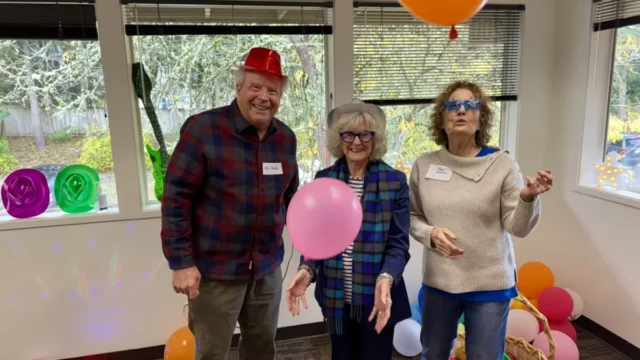
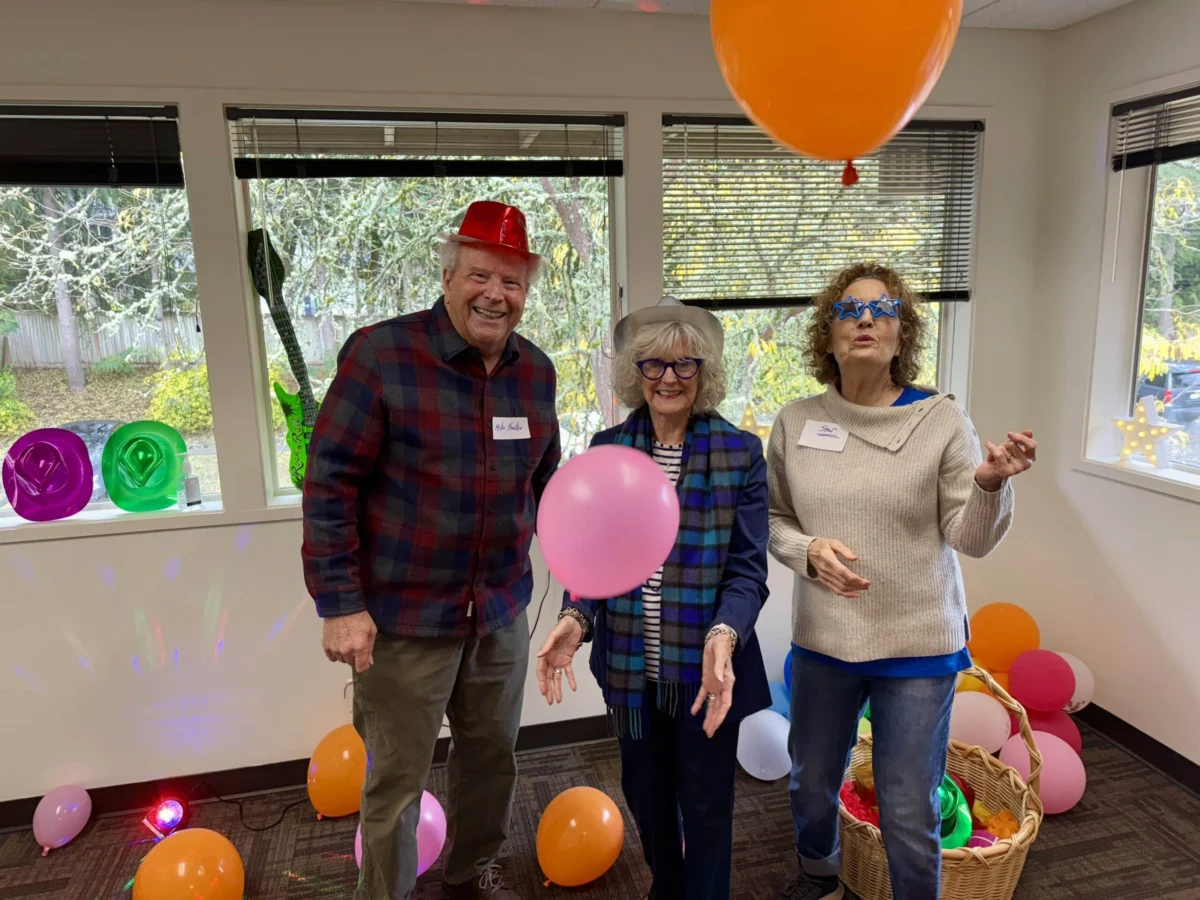
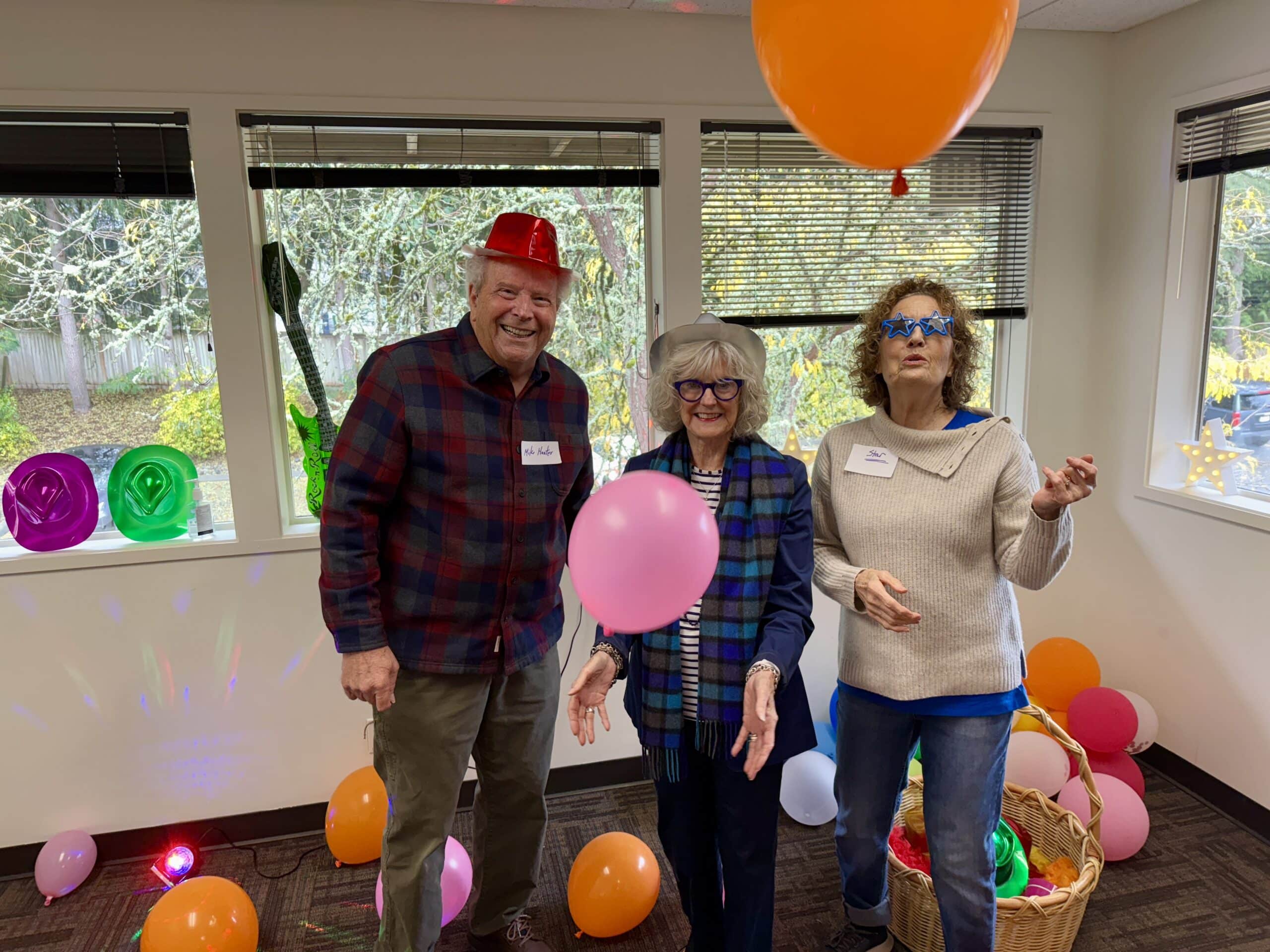
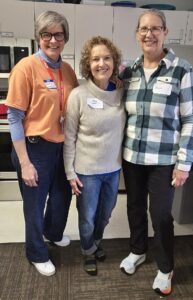
The recent Founder’s Day celebration served as a living archive of this progress. The event was attended by a diverse cross-section of the community, including current families, alumni, and—notably—former students who have now returned as parents, illustrating the long-term efficacy of the program’s focus on self-advocacy and independent communication.

Impact of the Inaugural Walk, Run, and Roll
The organization’s first-ever Walk, Run, and Roll fundraiser proved to be a critical financial and community-building success. Designed as a distributed event, participants engaged in the fundraiser across multiple locations, including Edmonds, Woodinville, the Olympic Peninsula, and Seattle’s Green Lake.
The financial data surrounding the event underscores a high level of community engagement. According to organizational reports, the event raised an initial $10,000, which was subsequently matched by a personal contribution from Leonard-Fleckman. As of the post-event audit, total funds raised have exceeded $26,000. These funds are earmarked for the operational costs of the organization’s specialized programs, specifically to subsidize therapy sessions and provide parent education resources.
Executive Director Maura Berndsen noted that the funds are essential for maintaining the organization’s commitment to providing individualized care. "The energy we witnessed across these different locations was a testament to the dedication our families have toward the mission of listening and spoken language," Berndsen said.
Clinical Objectives and Educational Methodology
The core mission of Listen and Talk remains the coaching of families to help children reach a level of speech intelligibility that allows them to "reason, think independently, and communicate their thoughts." The organization operates on the principle of self-advocacy; by teaching children to manage their own hearing technology and communicate their needs in a variety of settings, the program aims to remove the "limitation" often associated with hearing loss.
The organization’s current reach is notable for its linguistic diversity. Currently, Listen and Talk serves families who speak over 30 different languages. The challenge for the clinical staff is to ensure that the LSL methodology is applied in a way that respects the "language of the heart and home," ensuring that children remain connected to their family’s cultural and linguistic roots while developing proficiency in English.
Broader Implications for Early Intervention
The success of the recent fundraiser and the anniversary celebration highlights the growing demand for specialized, non-institutionalized intervention services. In the United States, early intervention for hearing loss is governed by the Individuals with Disabilities Education Act (IDEA), but the specific pedagogical approaches—such as the auditory-verbal therapy pioneered by Leonard-Fleckman—are often supported through private-public partnerships and non-profit entities like Listen and Talk.
The implications of this model are significant. By prioritizing the ability to "listen and talk," the organization reports that many of its students transition successfully into mainstream schools. The presence of alumni at the Founder’s Day event serves as empirical evidence of this transition. When a former student returns to the facility as a parent, it confirms the sustainability of the LSL approach over a generation.
Analysis of Future Growth
Looking ahead to its third decade, Listen and Talk faces the challenge of scaling its services while maintaining the "boutique" quality of care that characterizes its therapy sessions. The integration of cutting-edge technology—such as advanced cochlear implants and digital hearing aids—requires constant training for both the staff and the parents.
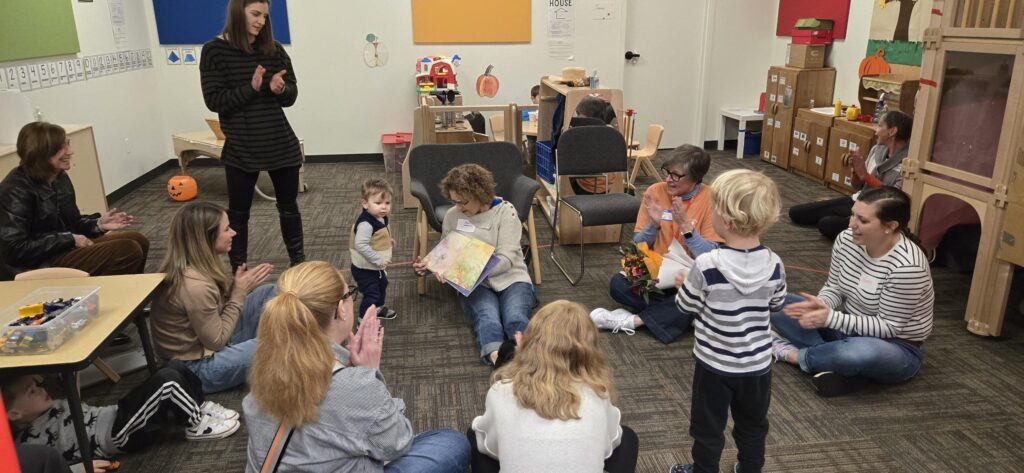
The "Discovery Room" at the Kirkland campus, where the event’s story-telling sessions took place, serves as a physical representation of this pedagogical approach. By blending play-based learning with structured speech therapy, the organization aims to keep children engaged in the demanding work of auditory development.

The financial stability provided by the recent fundraiser will play a pivotal role in the coming fiscal year. With inflation affecting the costs of specialized therapy equipment and professional staffing, the organization’s move to establish a recurring, community-based fundraiser like the "Walk, Run, and Roll" is a strategic pivot toward greater financial independence.
Conclusion: A Legacy of Empowerment
The Founder’s Day event was more than a celebratory anniversary; it was a restatement of the organization’s vision: that no child should be limited by hearing loss. As the organization moves toward its 30th year, the focus remains clear. By combining early diagnostic intervention, parent coaching, and a focus on self-advocacy, Listen and Talk has carved out a unique space in the Washington state educational landscape.
The success of the inaugural fundraiser, combined with the continued engagement of the alumni community, suggests that the organization is well-positioned to continue its trajectory. For the families served by the program, the primary goal remains the same as it was in 1996: providing children the tools to hear, to communicate, and to fully participate in the world around them. As the organization prepares for its next annual cycle, the focus will shift to sustaining these programs and continuing to expand the reach of their specialized services to families throughout the region.
Interested parties, including families seeking support and donors interested in the mission, are directed to the official Listen and Talk website to explore current programs, educational resources, and opportunities for philanthropic support. The organization’s commitment to its founding principles—that language is the key to autonomy—remains the driving force behind its continued operation and future development.