Microtia, a congenital deformity where the external ear is underdeveloped or absent, frequently occurs alongside atresia, the absence or closure of the external auditory canal. While the condition manifests in varying degrees of severity—ranging from mild structural differences to the complete absence of the ear—it is most commonly associated with unilateral hearing loss (UHL) or single-sided deafness (SSD).
Clinical Context and Developmental Implications
For decades, medical professionals often categorized unilateral hearing loss as a manageable condition that did not necessitate aggressive early intervention. The prevailing clinical assumption was that because the child possessed one "typically hearing" ear, they would naturally compensate for the loss of the other. However, modern audiological research has fundamentally shifted this perspective. Studies now demonstrate that children with UHL face substantial challenges, particularly in environments characterized by background noise, such as traditional classrooms or playgrounds.
The inability to localize sound, combined with the difficulty of distinguishing speech from ambient noise, creates a condition known as "listening fatigue." Children must expend significantly more cognitive energy to process auditory information than their peers with bilateral hearing. Over time, this constant effort can lead to academic frustration, social withdrawal, and delayed speech and language acquisition if not properly supported by targeted educational frameworks.
The Evolution of Listening and Spoken Language (LSL)
A primary strategy for mitigating these challenges is the application of Listening and Spoken Language (LSL) education. Unlike approaches that rely solely on visual cues or manual communication, LSL is designed to maximize a child’s residual hearing. By utilizing high-quality amplification, such as bone-conduction devices or hearing aids, and combining this with specialized coaching, families and educators can create a "listening-first" environment.
The philosophy behind LSL is rooted in the neuroplasticity of the developing brain. During the "birth to three" window, the brain is most receptive to auditory input. By providing early, consistent, and meaningful sound stimulation, children with UHL can develop the neural pathways necessary to master complex spoken language, enabling them to succeed in mainstream educational settings.
Case Study: The Journey of Adeline
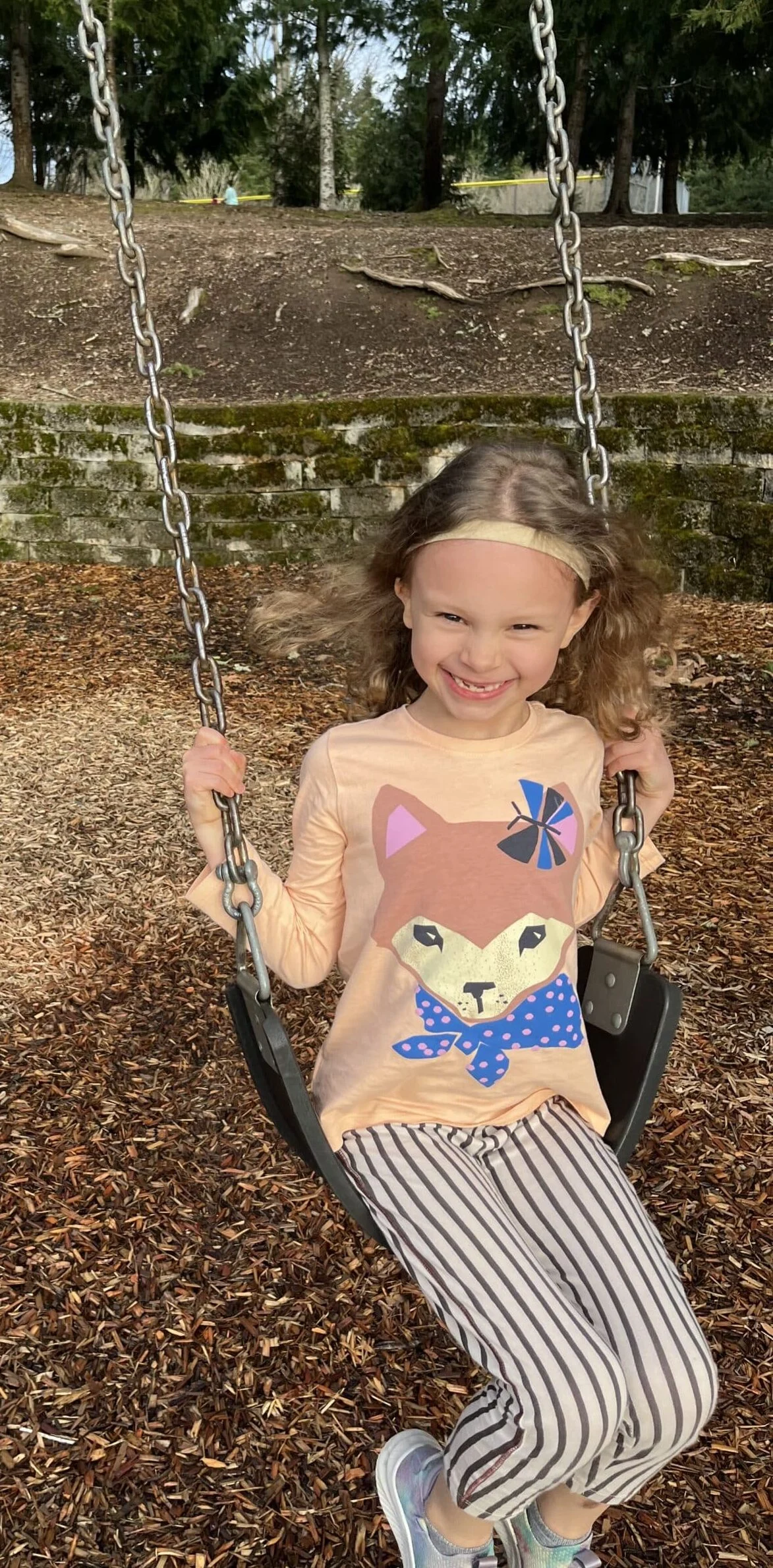
The real-world impact of these interventions is best illustrated through the experience of families navigating the diagnostic process. Adeline, a young student who received services from the nonprofit organization Listen and Talk, serves as a poignant example of the transition from early diagnosis to thriving independence.
At just five weeks old, Adeline’s parents received the life-altering news that she had unilateral moderate-to-severe conductive hearing loss in her right ear. As she grew, further medical evaluation revealed that she had atresia; beneath her outer ear, there was solid bone, with the ossicles of the middle ear fused to her skull. This structural reality meant that natural sound conduction was impossible in that ear.
Reflecting on those early years, Adeline’s mother, Jessie, notes the profound isolation that can accompany the diagnosis. "Adeline had to work much harder to communicate and learn," she explains. "She struggled to localize sound and limited her communication to ‘safe spaces’ where she felt comfortable. She often became frustrated when she couldn’t express herself, or when she simply hit a wall of listening fatigue after a long day."
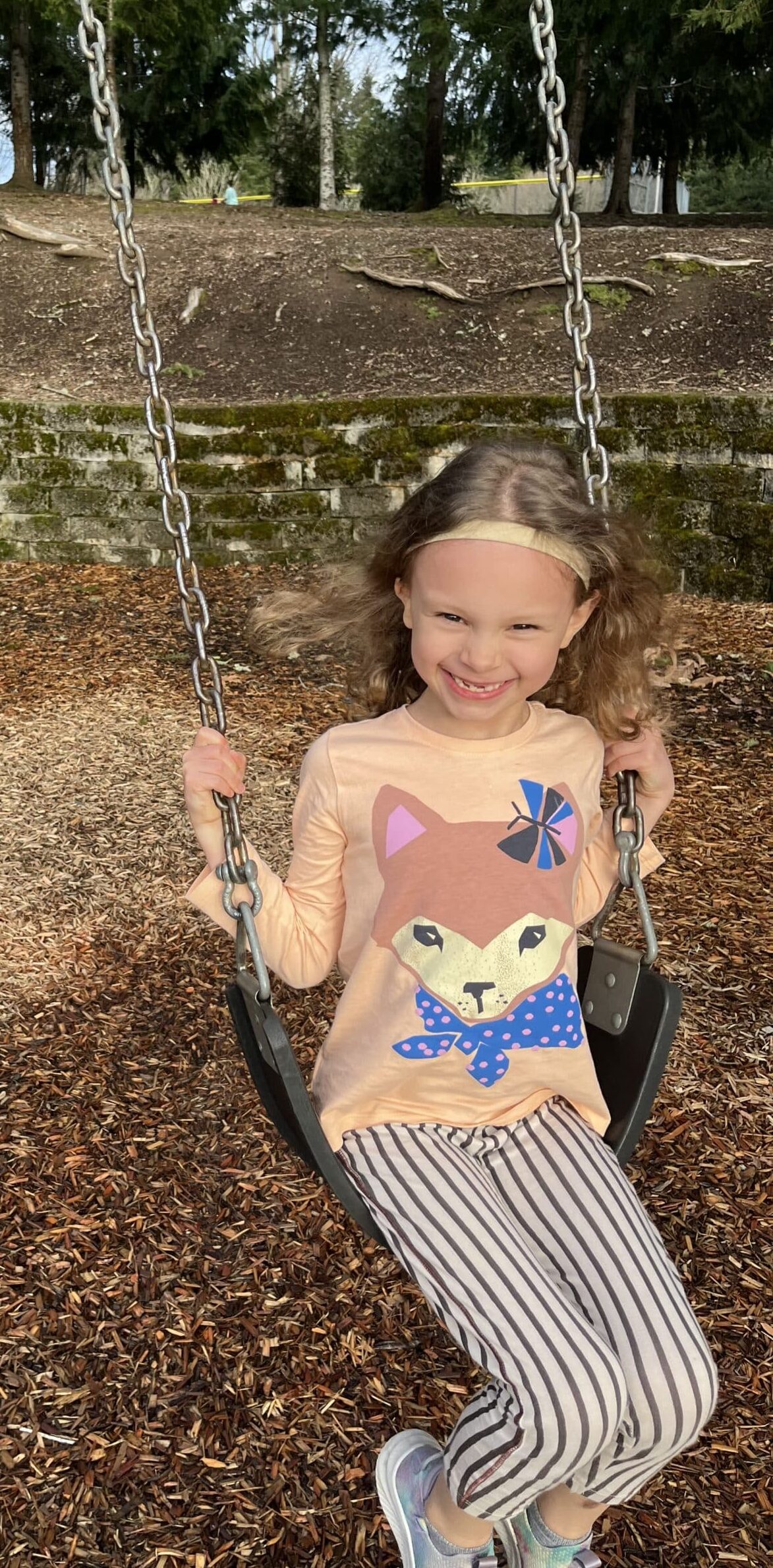
The intervention provided by Listen and Talk was multifaceted. Initially, the organization acted as a navigator, helping the family understand the complexities of the healthcare and educational systems. As Adeline aged, the focus shifted from parental advocacy to empowering the child to self-advocate—a skill that has proven vital in her current role as a first-grade student in a public elementary school. Today, Adeline is an active participant in her school’s choir, demonstrating a level of social and academic confidence that underscores the efficacy of early LSL support.
Broader Impact and Systemic Challenges
The necessity for continued awareness on National Microtia Atresia Awareness Day is underscored by the systemic barriers many families still face. Access to audiological testing, appropriate hearing technology, and LSL specialists remains inconsistent across different geographic regions.
Data from the Centers for Disease Control and Prevention (CDC) suggest that early identification of hearing loss, combined with early intervention, is the single most significant factor in predicting positive developmental outcomes. However, the "gap" in care—the time between initial suspicion of hearing loss and the commencement of specialized therapy—remains a critical point of failure in many healthcare networks.
Experts in the field argue that the focus must move beyond mere diagnosis. A robust support system requires:
- Universal Newborn Hearing Screening: Ensuring that every child is screened for both peripheral and structural ear conditions at birth.
- Integrated Audiology and Education: Establishing stronger partnerships between medical audiologists and classroom teachers to ensure that assistive technology is used effectively in real-world environments.
- Parental Coaching: Recognizing that the parent is the child’s first teacher, and providing them with the emotional and logistical resources to facilitate language development at home.
Supporting Future Generations
As awareness grows, organizations like Listen and Talk continue to emphasize the importance of philanthropic support. Because specialized services like speech therapy, individualized audiology, and parent-education programs are often not fully covered by standard insurance or public school budgets, private donations play a decisive role in bridging the resource gap.
The long-term goal of the advocacy community is to ensure that no child with microtia or atresia is limited by their condition. By investing in the "whole child," stakeholders can ensure that the next generation of students with hearing loss can access the same educational and social opportunities as their hearing peers.
For parents currently navigating a new diagnosis, the message from advocates is clear: seek professional guidance early, connect with local support networks like Washington Hands and Voices, and remain persistent in advocating for the specific auditory needs of your child. The combination of modern technology, such as Ponto or other bone-anchored hearing systems, and the LSL pedagogical approach has fundamentally changed the prognosis for children with microtia and atresia.
Moving Forward
As National Microtia Atresia Awareness Day concludes for another year, the focus shifts back to the daily, incremental work of speech therapy sessions, audiological check-ups, and the ongoing advocacy required to keep these services accessible.
The story of Adeline—and thousands like her—serves as a testament to the resilience of children and the necessity of specialized support. It reinforces the fact that while hearing loss is a significant medical event, it does not have to be an academic or social barrier. Through informed intervention, consistent community support, and a commitment to the "listening-first" model, the vision of a world where hearing loss does not limit a child’s potential is closer than ever to becoming a reality.
For those looking to get involved, resources are available to help identify specialists, understand the mechanics of microtia and atresia, and contribute to the programs that provide the foundation for these children to succeed. Whether through donating, volunteering, or simply spreading the word, every effort contributes to a broader understanding of what is possible when the right tools meet the right support.