The Mechanism of Data-Driven Language Tracking
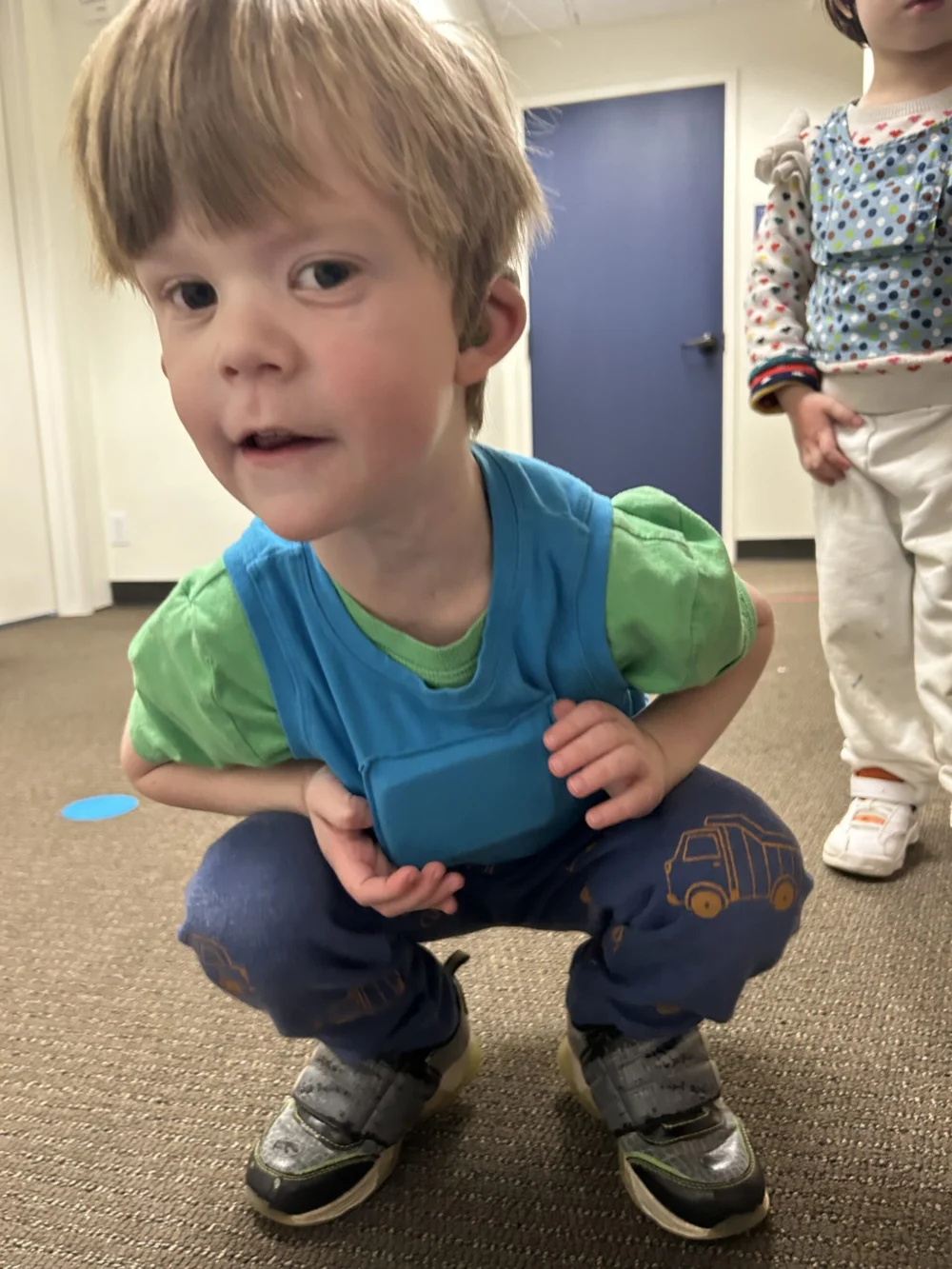
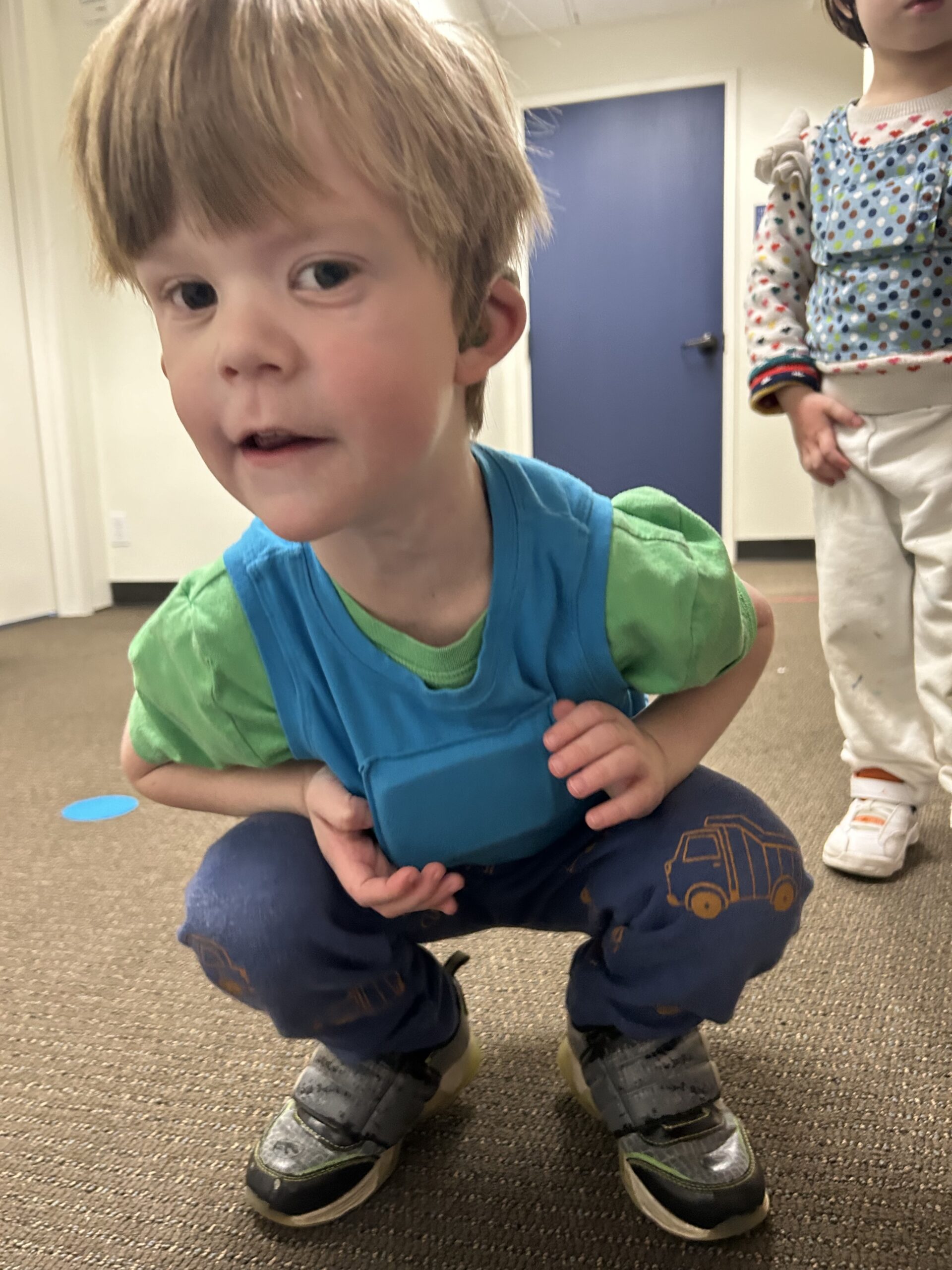
The LENA device functions as a specialized audio processor that children wear for two consecutive school days. The technology is designed to capture a comprehensive auditory profile of the child’s environment, recording everything from adult-led instructional speech to the spontaneous vocalizations of peers. Once the recording period concludes, the data is uploaded to proprietary software that utilizes automated speech recognition algorithms to segment the audio into distinct categories.
This categorization process breaks down the "language diet" of a child into quantifiable metrics: adult vocalizations (differentiated by gender), child vocalizations, overlapping speech, and ambient noise. Most importantly, the system calculates "conversational turns"—the back-and-forth exchanges that are widely considered the gold standard for brain development in early childhood. By receiving hourly, granular reports, teachers at Listen and Talk can pinpoint exactly when a child is most engaged and identify periods where language input may be insufficient.
A Chronology of Integration and Methodology
The integration of LENA technology at Listen and Talk did not occur overnight; it represents the culmination of a multi-year commitment to research-based pedagogy. Initially, the organization sought a way to bridge the gap between subjective teacher assessments and the objective reality of a child’s daily language exposure.
In the early phases of the program, teachers utilized the data to establish a baseline for individual student performance. As the timeline of the study progressed, the team began to correlate specific classroom activities with the volume of child vocalizations. By the second year of implementation, the focus shifted from simple volume tracking to the quality of the interactions. This evolution allowed the staff to move beyond merely asking "How much is the child talking?" to "Under what specific environmental conditions is the child most likely to initiate a conversation?"
Supporting Data and Early Observations
Preliminary findings from the Listen and Talk implementation have yielded significant insights into the nature of language development. One of the most striking observations is the variability of communication based on the structural nature of classroom activities. The data suggests a distinct dichotomy: children with significant language delays often demonstrate higher levels of vocalization during highly structured, teacher-directed segments. Conversely, children who have already achieved higher-level language milestones tend to thrive and communicate more frequently during open-ended, child-led play.
This discovery has forced a re-evaluation of how classroom schedules are constructed. By aligning LENA data with individual lesson plans, educators can now personalize the school day. If a student shows a statistical plateau in communication during free-play periods, teachers can introduce scaffolded, open-ended prompts to stimulate growth. If another student struggles during structured time, the team can adjust the level of direct adult support to ensure the child does not become overwhelmed.
Addressing the Peer-to-Peer Communication Gap
While traditional language development metrics often focus on the interaction between a child and an adult, the team at Listen and Talk has identified a critical, often overlooked area of concern: peer-to-peer engagement. Many children in their programs demonstrate strong communication skills when interacting with a teacher or a therapist but struggle to bridge the gap when engaging with their classmates.
The existing LENA software, while robust, has historically categorized language into broad "woman," "man," and "child" buckets. To address the nuance of social development, Listen and Talk is currently developing specialized analytical tools that leverage the fine-grained data from LENA recordings. This new phase of research aims to isolate peer interactions to determine if the barrier to communication is linguistic, social, or environmental. By quantifying these differences, the organization plans to refine its social-emotional learning interventions, providing targeted support to help children navigate the complex social dynamics of a classroom setting.
The Broader Impact on Pediatric Speech-Language Pathology
The implications of this data-driven approach extend far beyond the walls of a single institution. In the broader field of speech-language pathology, the use of objective data to supplement clinical intuition is increasingly viewed as the future of the profession. According to Dr. Mona Oster, the Education and Research Director at Listen and Talk, the ability to track these metrics in real-time allows for "individualized interventions" that were previously impossible to calibrate with such precision.
When teachers and clinicians have access to a quantifiable record of a child’s communicative success, they can avoid the "trial and error" approach that often characterizes early intervention. Instead, they can make informed, data-backed adjustments to the child’s environment, which may result in faster developmental outcomes. Furthermore, this data provides a powerful communication tool for parents. By sharing concrete reports on conversational growth, educators can provide families with clear, visual evidence of their child’s progress, fostering a more collaborative partnership between home and school.
Challenges and Future Directions
Despite the clear advantages, the implementation of such technology is not without its challenges. Data privacy remains a paramount concern for the institution. All recordings are handled with strict adherence to confidentiality protocols, ensuring that the intimate details of a child’s vocal development remain secure. Moreover, the raw data provided by LENA requires expert interpretation. It is not enough to simply have the numbers; the staff must possess the pedagogical expertise to translate those numbers into actionable classroom strategies.
Looking toward the future, the research team is exploring how machine learning might further assist in the analysis of these recordings. The goal is to move toward an automated system that can offer suggestions for classroom modifications based on the patterns identified in the data. As the volume of data grows, so too does the potential for creating a comprehensive, longitudinal map of a child’s linguistic trajectory.
Conclusion: A New Standard for Education
The work being done at Listen and Talk serves as a blueprint for the future of special education and language development. By embracing technology that provides an objective, auditory-based feedback loop, the organization is setting a new standard for how we measure success in the classroom. The shift from "I believe the student is improving" to "The data indicates a 15% increase in conversational turns during peer-led activities" is a fundamental improvement in the quality of care.
As these tools become more sophisticated, the promise of personalized, high-fidelity education becomes increasingly attainable. By listening closely—both to the children and to the data they generate—Listen and Talk is ensuring that every child has the best possible opportunity to find their voice. The integration of LENA technology represents a bold step forward in the quest to provide every student with the communication skills necessary for a lifetime of interaction and learning. Through ongoing research and a commitment to refining these interventions, the path forward for children with language challenges is becoming clearer, more data-rich, and ultimately, more successful.