A Chronology of Impact: From Basement to Beacon
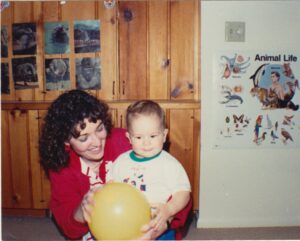
The organization’s roots trace back to 1996, when Star Leonard-Fleckman, a teacher of the deaf and a certified auditory-verbal therapist, began providing specialized services from her private home. At the time, early intervention resources for deaf and hard of hearing children were limited, and the concept of auditory-verbal therapy—which emphasizes the use of hearing technology to develop spoken language—was gaining traction as a transformative clinical approach.
Over the next three decades, Listen and Talk transitioned from a private practice into a comprehensive social impact enterprise. By the early 2000s, the organization had formalized its outreach and classroom-based programs. Today, the facility operates a multifaceted campus that includes a Birth to Three program, an integrated Blended Classroom, audiology services, and intensive therapy sessions. The organization’s reach has expanded significantly, now serving over 200 families annually through both in-person and virtual modalities.
The Inaugural Walk, Run, and Roll
The Founder’s Day event doubled as the finish line for the nonprofit’s first-ever regional fundraiser, the Walk, Run, and Roll. The initiative was designed to increase community visibility and generate capital for operational sustainability. According to organization leadership, the event successfully raised over $26,000, bolstered by a significant matching gift from Leonard-Fleckman.
The fundraiser employed a decentralized participation model, with participants engaging in activities across various locales, including Edmonds, Woodinville, the Olympic Peninsula, and the Green Lake area of Seattle. This approach allowed the organization to tap into a broader donor base, with organizers reporting a wide demographic spread, noting that participants ranged from toddlers to centenarians. The funds are earmarked for the maintenance of specialized classroom equipment, professional development for staff, and the provision of subsidized therapeutic services for families facing financial barriers.

Clinical Methodology and Educational Philosophy
The core of Listen and Talk’s mission is the development of self-advocacy and independent reasoning in children with hearing loss. Unlike programs that rely on sign language as a primary mode of communication, Listen and Talk focuses on the auditory-verbal model. This approach requires children to maximize the use of hearing technology—such as cochlear implants or hearing aids—to perceive sound and develop intelligible spoken language.
The educational philosophy posits that when children are taught to listen and speak, they can more easily navigate mainstream academic and social environments without the need for constant interpretation. Data from the organization suggests that early intervention, particularly within the first three years of life, is the primary predictor of positive linguistic outcomes. The organization’s curriculum is tailored to ensure that by the time children transition out of their programs, they possess the linguistic foundation necessary to succeed in general education settings.
Organizational Response and Leadership Perspectives
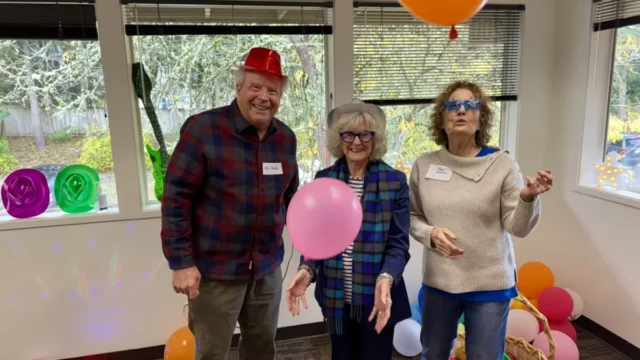
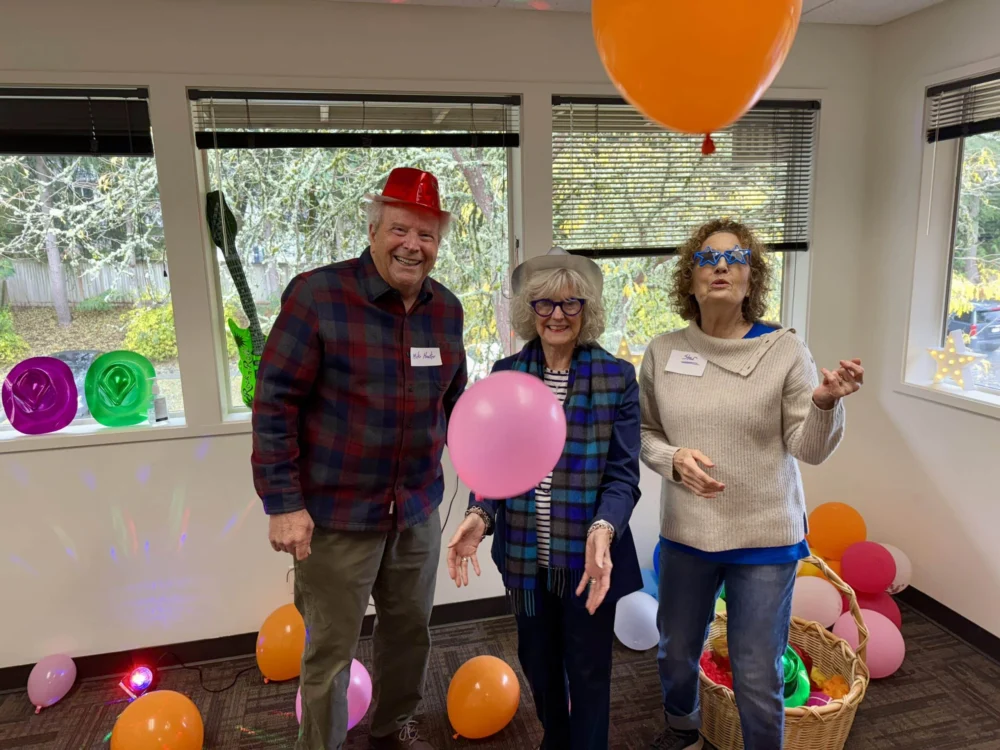
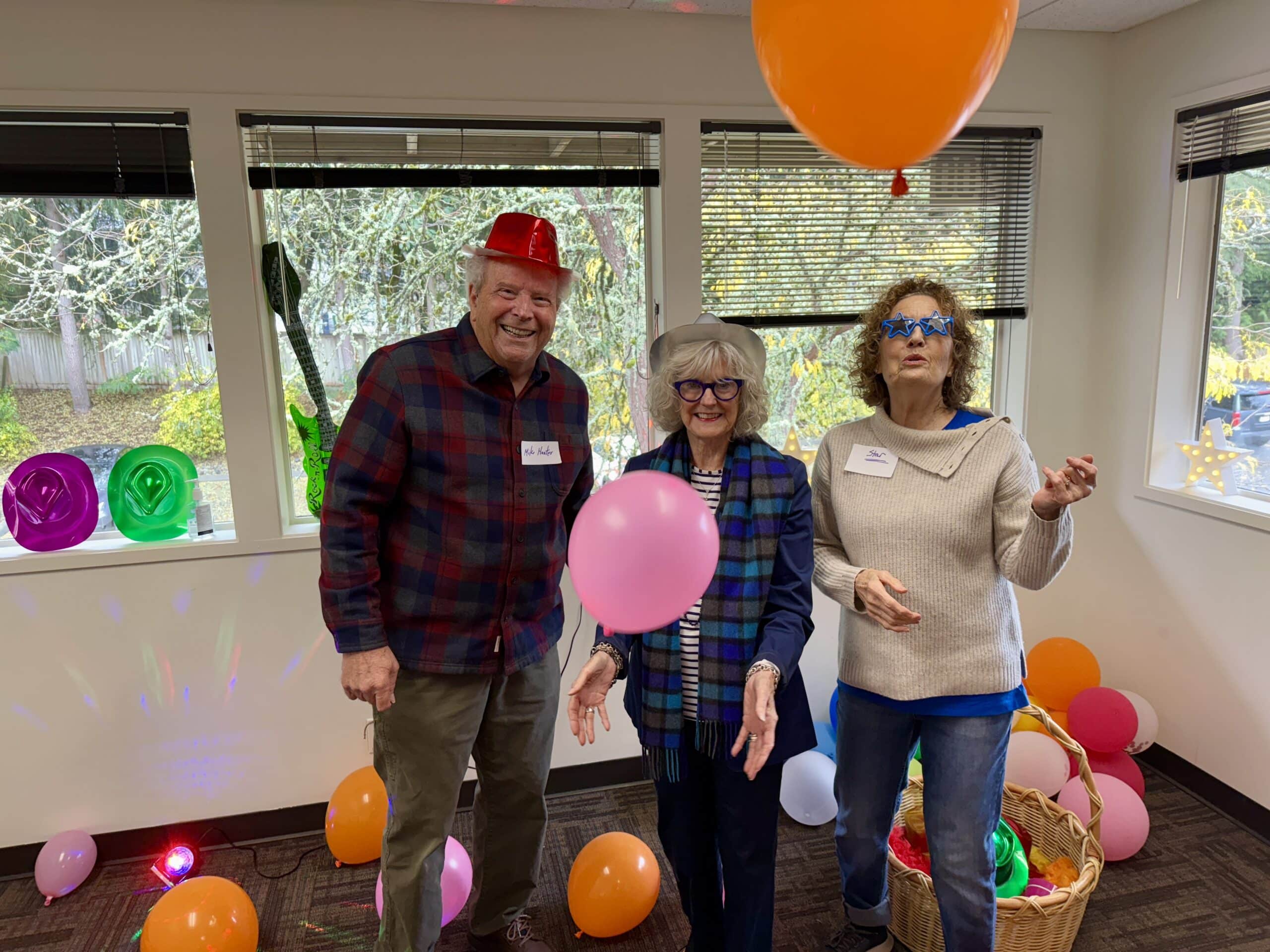
Executive Director Maura Berndsen emphasized that the event was as much about community continuity as it was about fundraising. “The presence of alumni students who have returned as parents themselves is the ultimate testament to the longevity and efficacy of our mission,” Berndsen stated. The event featured a “Story Time with Star” session, which functioned as a symbolic bridge between the organization’s founding principles and the next generation of students.
For many attendees, the event served as an opportunity to assess the evolution of hearing technology. Guests noted that the advancements in cochlear implant technology and digital hearing aids over the past 29 years have drastically changed the clinical landscape, allowing children to access a wider range of frequencies and clearer speech signals than was possible in the 1990s.
The Broader Socio-Economic Impact
The implications of the organization’s work extend beyond the individual child; they impact the regional healthcare and education landscape. By providing comprehensive services—ranging from audiology to parent education—the nonprofit reduces the long-term reliance on specialized public education resources.
Furthermore, the organization’s commitment to linguistic diversity is a critical component of its operational strategy. Currently, Listen and Talk serves families speaking more than 30 different languages. This focus on the “language of the home” ensures that the auditory-verbal training does not strip children of their cultural or familial heritage, but rather provides them with the tools to communicate effectively within their specific cultural contexts.
Challenges and Future Trajectory
Despite the success of the recent fundraiser, the organization faces ongoing challenges common to the non-profit sector. The costs of maintaining specialized audiology equipment and recruiting highly trained auditory-verbal therapists are substantial. As the organization looks toward its 30th anniversary next year, leadership has identified several key areas for expansion.
Primary among these is the scaling of the virtual outreach program. By leveraging technology to provide remote coaching to parents, Listen and Talk aims to reduce the “geographic lottery” that often dictates the quality of early intervention services for children in rural or underserved areas of Washington. The funds generated during the recent Walk, Run, and Roll will provide the necessary buffer to pilot these remote-access initiatives.
Sustaining the Mission
As the organization enters its third decade, it remains committed to the foundational belief that no child should be limited by hearing loss. The success of the 29th-anniversary celebration indicates a robust and growing community of supporters who view the organization as an essential component of the Pacific Northwest’s disability services infrastructure.

The transition from a small, home-based therapy practice to a comprehensive educational center reflects a larger trend in the field of deaf education: a shift toward early, integrated, and technology-heavy intervention. By prioritizing parent education alongside clinical therapy, Listen and Talk ensures that the “listening and speaking” process continues long after the child leaves the therapy room.
For the families involved, the impact is measurable not just in clinical outcomes, but in the ability of their children to form meaningful, independent relationships. As the organization prepares for the upcoming year, the focus remains on sustaining the quality of its services while expanding its reach to meet the needs of a diverse, growing population of families seeking alternatives to traditional deaf education.
The organization continues to solicit donations through its digital portal, with all proceeds directed toward maintaining the continuity of its therapeutic programs. For many, the 29th anniversary serves as a reminder that the work of enabling a child to communicate is an ongoing, community-supported endeavor. With the success of the inaugural Walk, Run, and Roll, Listen and Talk has established a new tradition that will likely serve as a cornerstone of its fundraising efforts for years to come.