Microtia is defined as a congenital deformity where the external ear is underdeveloped or absent, while atresia refers to the absence or closure of the external auditory canal. These conditions often occur simultaneously, and while they may be unilateral—affecting only one ear—the resulting hearing loss presents a complex set of challenges that can impact a child’s long-term academic and social trajectories.
The Clinical Landscape of Unilateral Hearing Loss
Historically, medical professionals and educators often categorized unilateral hearing loss (UHL) as a manageable condition that did not necessitate specialized intervention. The prevailing assumption was that because a child possessed one "typically hearing" ear, their linguistic and cognitive development would remain unaffected. However, contemporary clinical research has fundamentally challenged this narrative.
Studies now indicate that children with UHL face persistent difficulties in complex acoustic environments. Specifically, the absence of binaural hearing—the ability to use both ears to process sound—impairs a child’s capacity for sound localization and speech discrimination in the presence of background noise. In a typical classroom setting, where ambient noise from HVAC systems, movement, and multiple speakers is constant, a child with UHL must expend significantly more cognitive effort to decode auditory information. This phenomenon, frequently referred to as "listening fatigue," can lead to academic frustration, social withdrawal, and delayed language acquisition if not properly managed through early intervention and supportive technologies.
Chronology of Intervention and Support
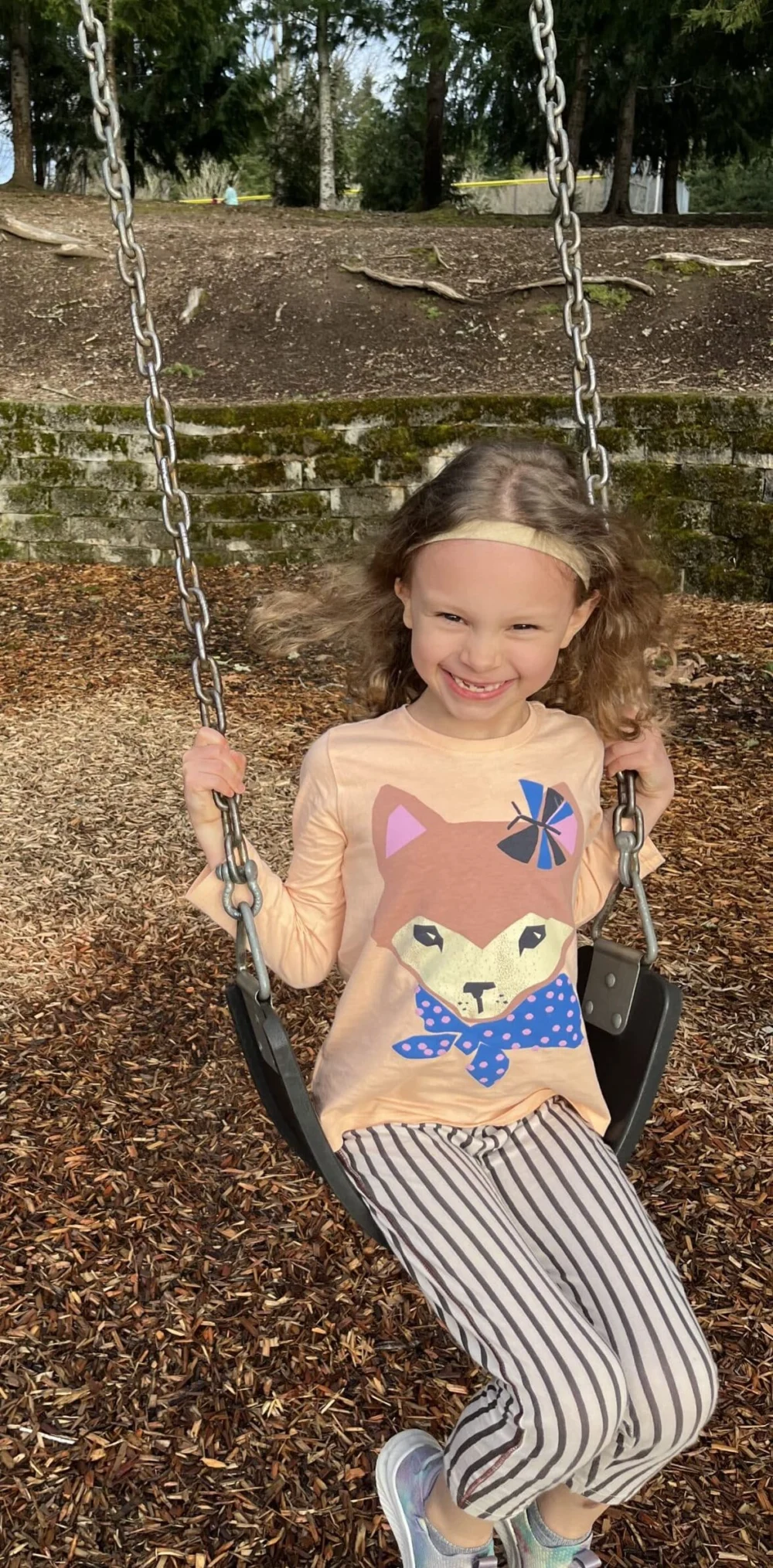
The journey for families affected by microtia and atresia often begins shortly after birth. In the case of Adeline, a young student who has navigated these challenges with the support of the organization Listen and Talk, the diagnosis occurred at five weeks of age. Her early years were characterized by a rigorous process of medical assessment and the identification of appropriate educational support systems.
By age four, clinical imaging revealed that Adeline’s right ear was affected by a complete absence of the ear canal—a diagnosis of atresia accompanied by solid bone growth—while the middle ear bones were fused to her skull. This diagnosis transformed the family’s approach to her development, shifting from uncertainty to a proactive engagement with Listening and Spoken Language (LSL) education.
The progression of her journey serves as a microcosm for many families:
- Birth to 6 Months: Newborn hearing screenings and initial audiological assessments identify the presence of unilateral moderate to severe conductive hearing loss.
- Early Childhood: Implementation of LSL programs, which focus on maximizing the utility of the child’s residual hearing through specialized coaching for both the child and parents.
- School Entry: Integration into public school environments, supported by self-advocacy training and assistive hearing technology, such as bone-anchored hearing systems (e.g., the Ponto device).
The Role of Listening and Spoken Language (LSL) Education
Listening and Spoken Language (LSL) education represents a specialized pedagogical framework designed to integrate auditory training into every facet of a child’s life. Unlike methods that rely on visual communication, LSL emphasizes the development of the brain’s auditory centers, training children to detect, discriminate, and identify sound.
For children with microtia and atresia, LSL programs like those offered by Listen and Talk are essential. These programs utilize a "coaching" model, wherein specialists work directly with parents to turn daily routines into language-rich learning opportunities. By optimizing the listening environment, these specialists help children bridge the gap created by their hearing loss.
The benefits of this approach are threefold:
- Auditory Development: Children learn to rely on their "good" ear while maximizing the clarity of auditory input, which is critical for phonological awareness.
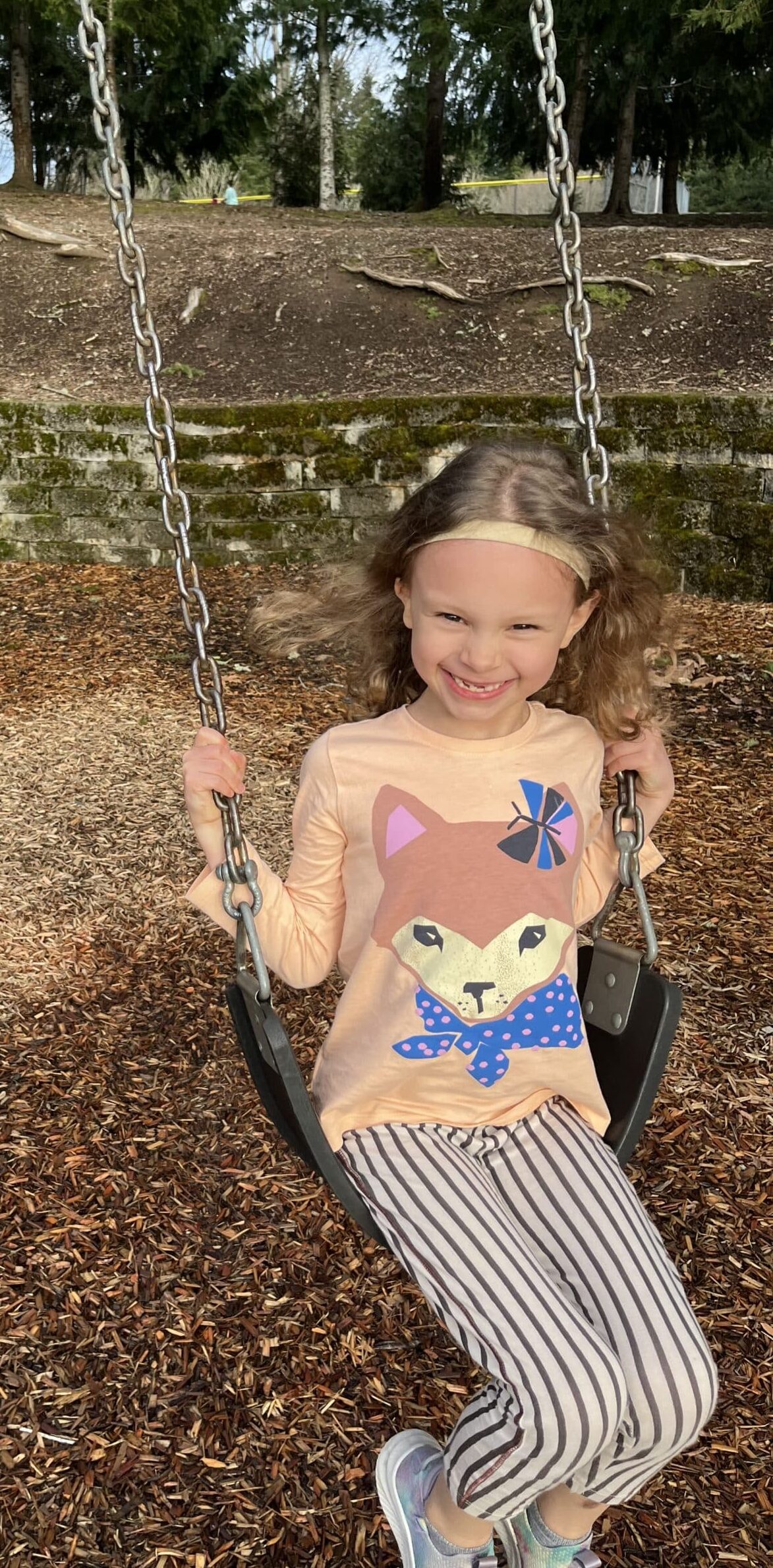
- Self-Advocacy: As demonstrated by Adeline’s transition into first grade, LSL empowers children to explain their own needs, such as requesting a preferential seating arrangement in a noisy classroom.
- Psychosocial Resilience: By demystifying their condition and embracing their hearing technology, children often experience higher levels of self-esteem and social integration.
Official Perspectives and Family Advocacy
The experience of parents is an invaluable component of the clinical success story. Jessie, Adeline’s mother, notes that the initial diagnosis was a period of overwhelming uncertainty. "Listen and Talk stepped in alongside our family as we were navigating a new diagnosis that we knew nothing about," she stated. "They advocated for Adeline before we could find our voice to do so ourselves."
This sentiment is echoed by many advocates who emphasize that early intervention is not merely about medical hardware; it is about providing parents with the information necessary to navigate the educational system. The transition from a child who avoids communication outside of "safe spaces" to one who confidently joins a school choir is a testament to the efficacy of consistent, expert-led support.
Fact-Based Analysis: The Broader Impact
The implications of failing to provide adequate support for children with UHL are significant. Research suggests that children with untreated hearing loss are at a higher risk for grade retention and the need for special education services. However, when intervention is initiated early—ideally before the age of three—the outcomes for children with microtia and atresia are overwhelmingly positive.
The economic and social implications are also noteworthy. By investing in LSL services, society reduces the long-term need for intensive remedial educational interventions. Furthermore, the development of self-advocacy skills ensures that these children can navigate higher education and professional environments with the same confidence as their hearing peers.
Resources for Affected Families
For families currently navigating a new diagnosis, the path forward involves connecting with specialized resources. The following table outlines primary support channels:
| Resource Type | Description |
|---|---|
| Comprehensive Guides | Detailed documentation on the clinical aspects of MA and UHL. |
| LSL Specialists | Professional consultation services for auditory and language development. |
| Local Support Networks | Community organizations, such as Washington Hands and Voices, which provide peer-to-peer support. |
Conclusion: A Call for Sustained Support
National Microtia Atresia Awareness Day is more than a date on the calendar; it is a call to action. As institutions like Listen and Talk continue to provide speech therapy, audiology, and parent education, the broader community plays a vital role in ensuring these services remain accessible.
The vision that "no child is limited by hearing loss" is a standard that requires the collaboration of medical providers, educators, and the public. Supporting the initiatives that provide early intervention services is an investment in the future potential of thousands of children. Whether through direct advocacy, increased public awareness, or financial contributions to organizations that facilitate these life-changing programs, the collective effort is what allows children like Adeline to thrive, communicate, and succeed in a world that is increasingly open to the unique journeys of all its members.
As the sun sets on another awareness day, the focus remains on the long-term outcome: a generation of confident, self-advocating individuals who view their condition not as a limitation, but as a part of their identity that has fostered resilience, adaptability, and an extraordinary capacity for connection.