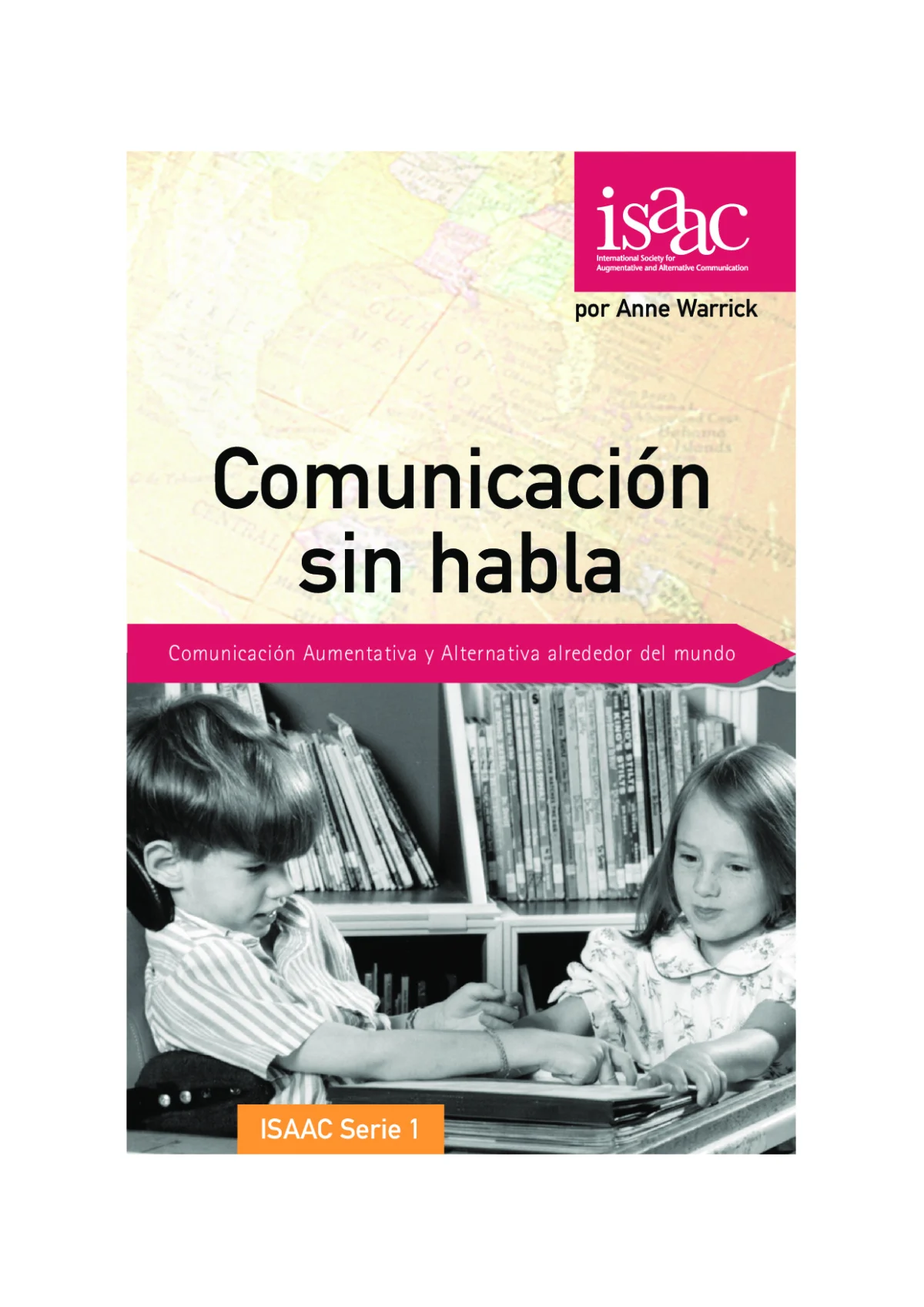
The Historical Significance of International Book Day
Established by UNESCO in 1995, International Book Day was created to pay tribute to books and authors while encouraging individuals to discover the pleasure of reading. Beyond its cultural impact, the date provides a strategic window for organizations—such as the International Society for Augmentative and Alternative Communication (ISAAC)—to advocate for the "right to communicate." For the AAC community, the day has become a benchmark for assessing how information regarding communication disorders is disseminated across linguistic borders. Historically, the field has been dominated by English-language research, leaving a significant gap in pedagogical and therapeutic materials for the nearly 500 million native Spanish speakers worldwide.
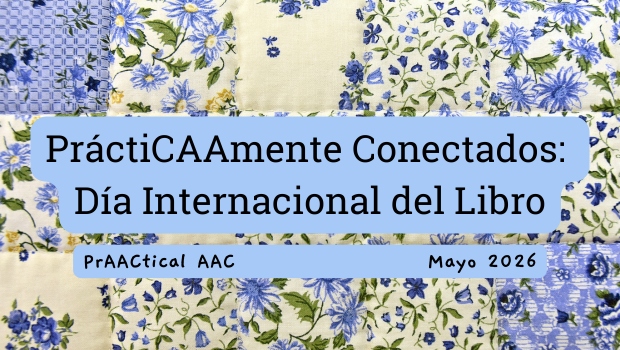
Bridging the Language Gap: A Chronology of Access
The movement to translate foundational AAC texts into Spanish has gained significant momentum over the last decade, transitioning from informal grassroots efforts to structured, peer-reviewed publishing initiatives.
- 2015–2018: The initial phase focused on the translation of introductory manuals and basic communication board templates. These efforts were largely localized, often failing to reach a regional audience due to a lack of centralized distribution.
- 2019–2022: ISAAC and affiliated academic institutions began to prioritize the translation of core theoretical texts. This period saw the formalization of standardized terminology in Spanish, a critical step for professional certification and uniform clinical practice.
- 2023–2026: The current era represents the "Comprehensive Integration" phase. Recent publications have moved beyond basic methodology to include complex discussions on neurodevelopmental disorders, intervention frameworks, and the integration of digital technology in speech therapy.
Core Academic Contributions: A Deep Dive
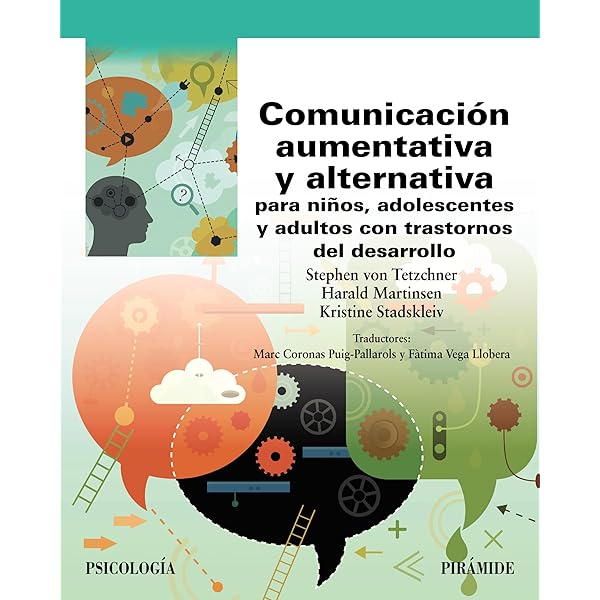
A cornerstone of this recent shift is the release of the Spanish-language edition of Augmentative and Alternative Communication for Children, Adolescents and Adults with Developmental Disorders, authored by Stephen von Tetzchner, Harald Martinsen, and Kristine Stadskleiv. This text is widely considered a seminal work, offering a multifaceted approach to the field.
The publication provides a rigorous examination of the following areas:
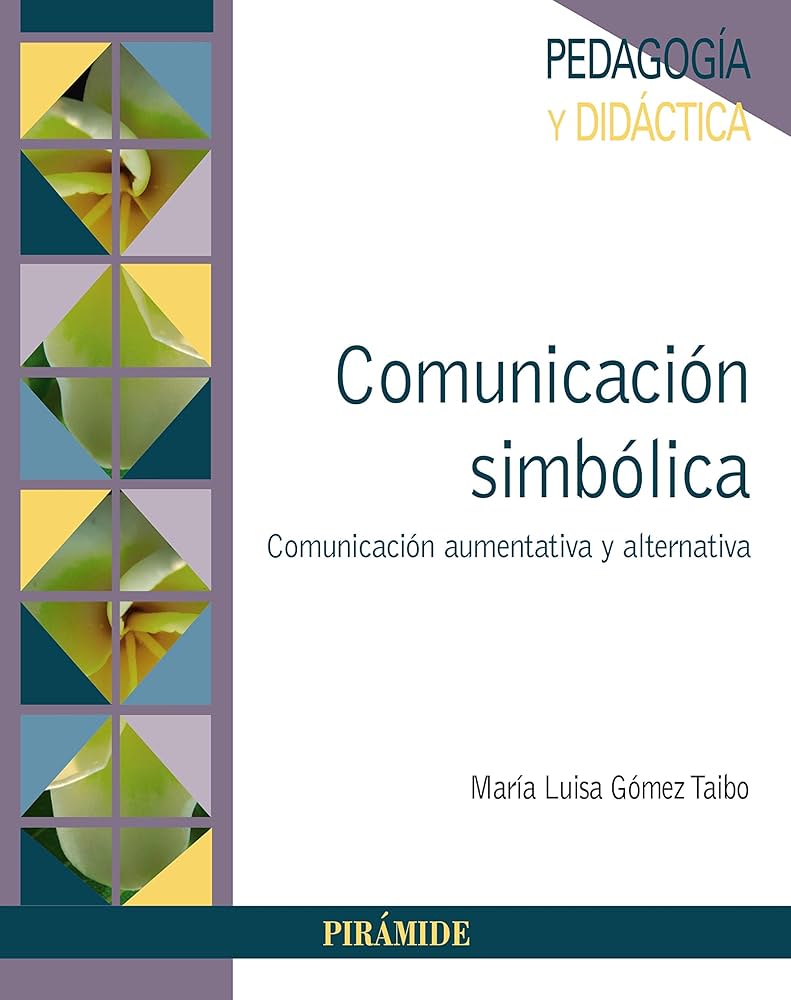
- Theoretical Foundations: Establishing the neuro-cognitive basis for non-verbal communication.
- Evidence-Based Intervention: Outlining specific protocols for clinical practitioners to measure progress in patients with complex communication needs (CCN).
- Language Development: Addressing the trajectory of linguistic acquisition for children utilizing AAC systems compared to neurotypical peers.
- Longitudinal Assessment: Analyzing the long-term outcomes of early intervention strategies.
The availability of such high-level academic content in Spanish allows for more consistent diagnostic practices across Latin America and Spain, effectively reducing the reliance on secondary translations or fragmented knowledge bases.
Data-Driven Context: The Need for Specialized Resources
The push for localized resources is backed by sobering statistics regarding accessibility. According to recent surveys by global health organizations, individuals with complex communication needs face a 60% higher risk of social exclusion when they lack access to culturally and linguistically appropriate AAC tools. Furthermore, research indicates that clinicians who have access to training materials in their native language demonstrate a 40% increase in the efficacy of their therapeutic interventions.
When AAC materials are translated, they are not merely converted word-for-word; they are adapted to reflect cultural nuances, regional idioms, and the specific socioeconomic contexts of the Spanish-speaking world. This "contextualization" is vital, as communication is inherently tied to the social environment in which the individual interacts.

Institutional Responses and Professional Impact
Professional bodies, including speech-language pathology associations across the Spanish-speaking world, have reacted favorably to the recent surge in published resources. In a series of informal briefings, representatives from regional rehabilitation centers noted that the availability of these books has significantly reduced the onboarding time for new therapists.
"The transition from abstract theory to applied practice is the most significant hurdle for new clinicians," stated a spokesperson for an advocacy group focused on disability rights. "By providing high-quality, Spanish-language reference materials, we are not just providing information; we are providing a framework for standardization that improves the quality of life for the patients they serve."
Broader Implications for Inclusion
The implications of this shift extend far beyond the clinic. By empowering families with accessible, translated literature, the divide between the expert and the caregiver is narrowed. Parents and guardians, who are often the primary communication partners for children with CCN, can now access the same methodologies that therapists use, ensuring a 24/7 environment of support.
Moreover, the availability of these books fosters a more robust academic discourse. As more Spanish-speaking researchers contribute their own findings to the global body of knowledge, the field of AAC becomes more inclusive. The goal is to move toward a truly global standard of care where geography and language are no longer barriers to effective communication.
Future Outlook and Challenges
Despite the progress made, challenges remain. The primary obstacle is the cost of professional translation and the logistical complexities of international publishing. Intellectual property laws and the lack of funding for non-profit translation initiatives continue to slow the pace of resource dissemination. Experts in the field suggest that the next frontier will involve the digitization of these resources to ensure that remote or low-income areas have the same access as major urban centers.
As the international community continues to reflect on the legacy of International Book Day, the focus for the remainder of 2026 and beyond is clear: to ensure that the "right to speak" is matched by the "right to access the tools that make that speech possible." The ongoing work of experts like Claudia Marimón serves as a testament to the power of community-driven, knowledge-based advocacy. By turning the spotlight on these essential texts, the field of AAC is positioning itself to be more equitable, more informed, and ultimately, more effective in serving the diverse needs of the global population.
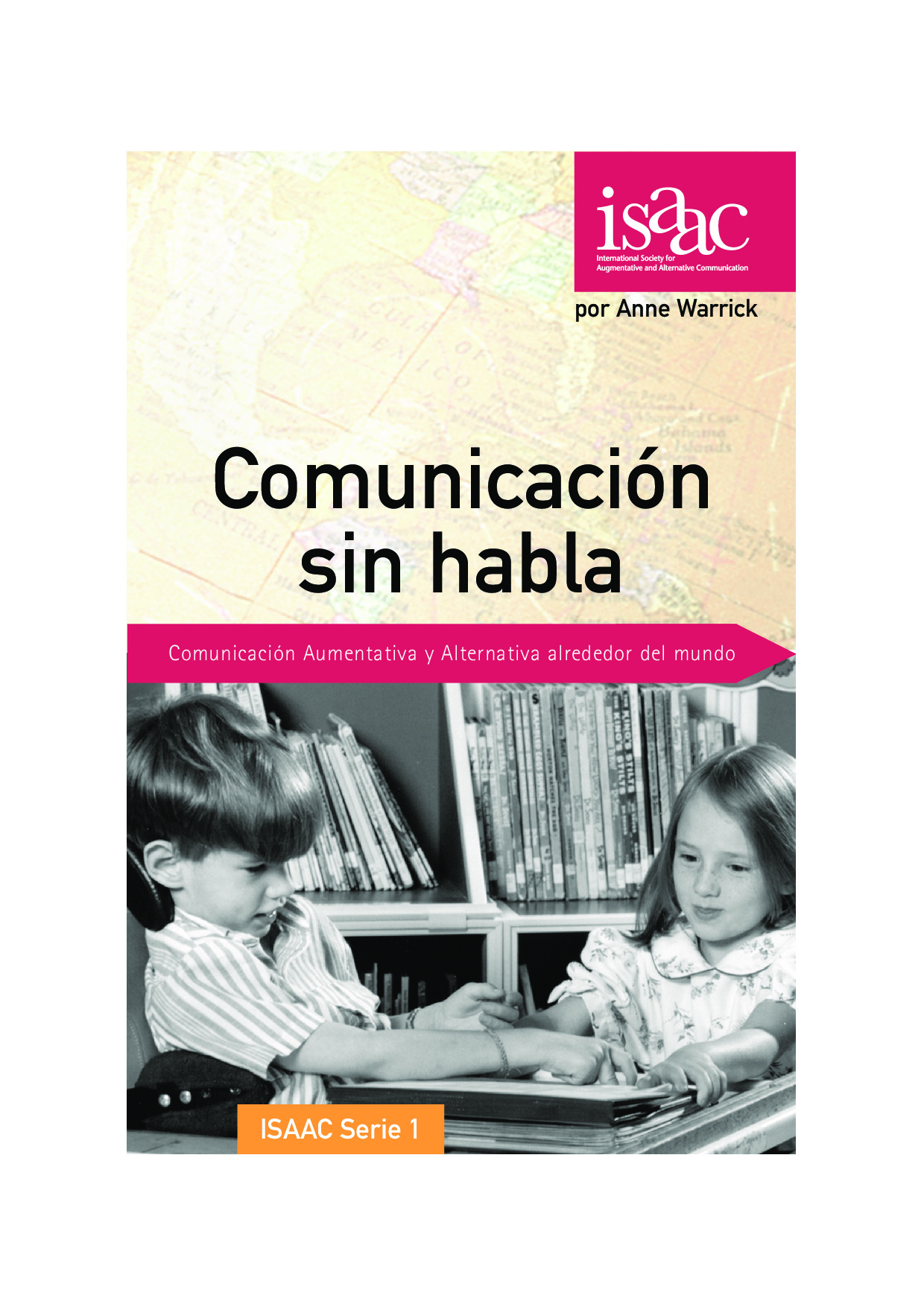
For educators, clinicians, and families, the call to action is straightforward: engage with these resources, integrate them into local practices, and continue the dialogue on how to best serve those who rely on AAC to navigate the world. The evolution of this literature is not just a triumph for publishing—it is a victory for the millions of individuals who rely on these tools to tell their stories, express their needs, and connect with their communities.