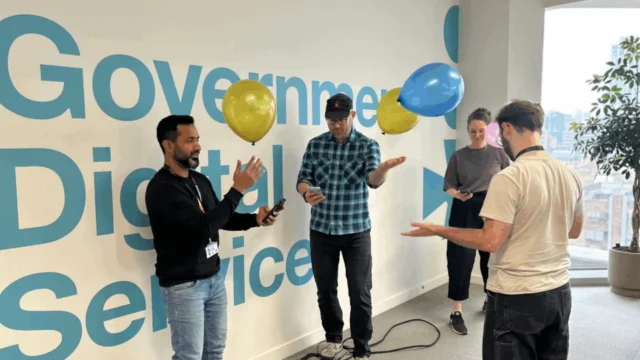
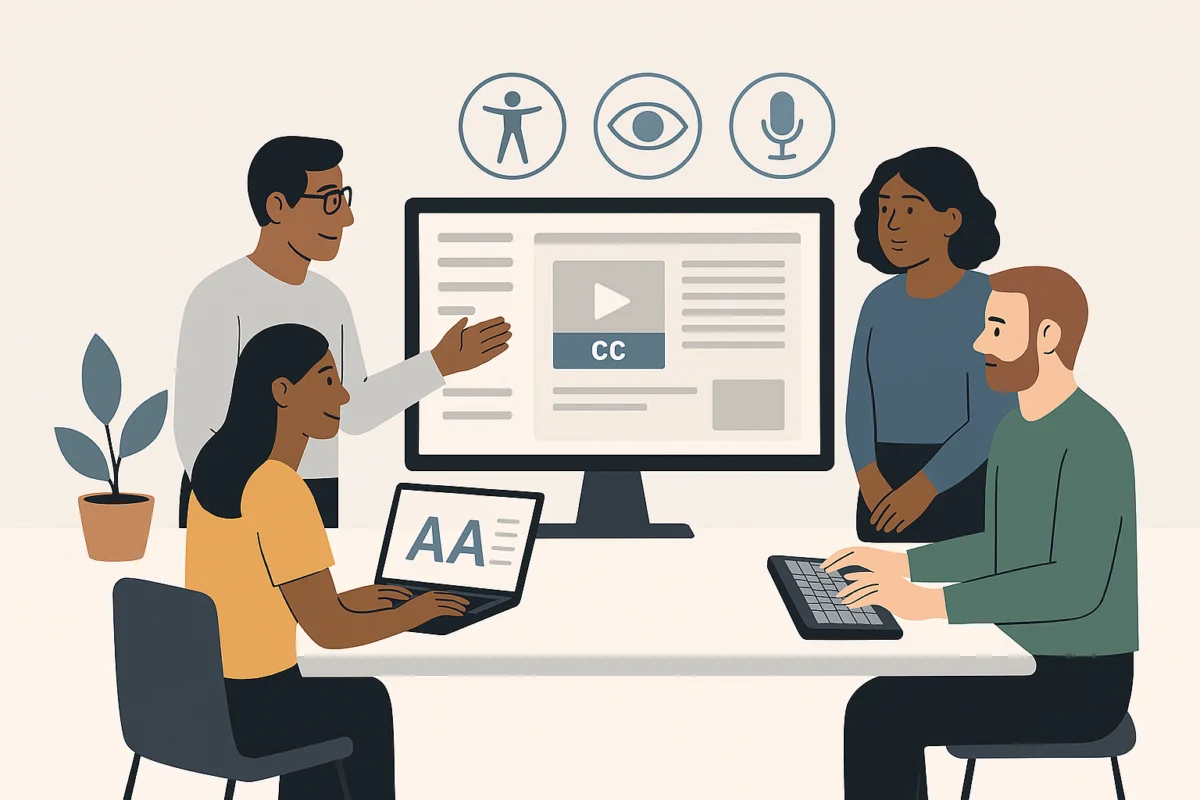
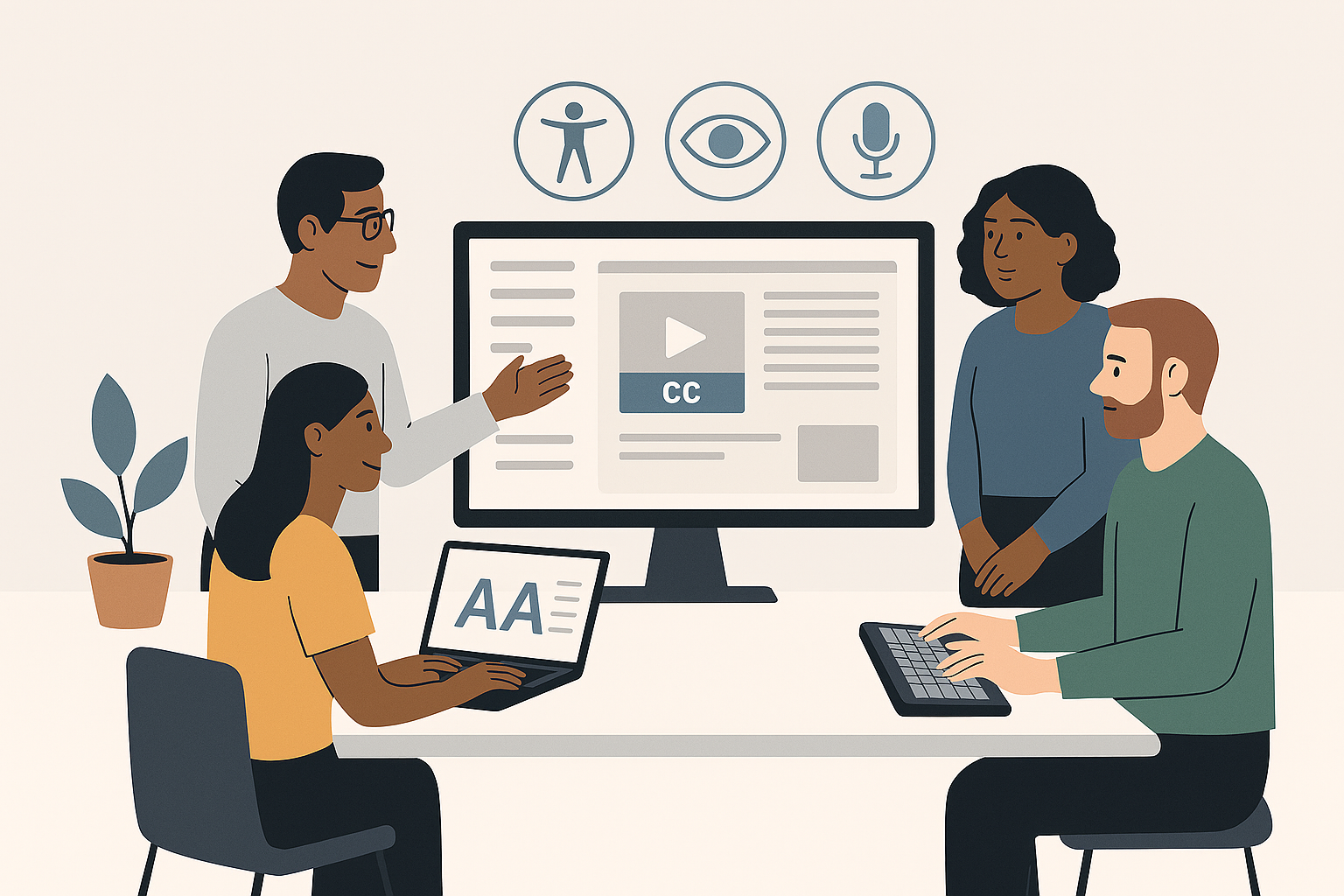
The week-long series of events is designed to be inclusive of all professional backgrounds, catering to both seasoned accessibility specialists and those entirely new to the concept. By fostering an environment of knowledge sharing and practical skill-building, the UK government aims to ensure that public services remain compliant with statutory requirements while exceeding baseline standards to provide a seamless experience for all citizens, regardless of their physical or cognitive abilities.
Historical Context and the Drive for Digital Inclusion
The emergence of Digital Accessibility Week as a cornerstone of the UK government’s internal training calendar is rooted in the Public Sector Bodies (Websites and Mobile Applications) (No. 2) Accessibility Regulations 2018. These regulations mandated that public sector websites and mobile apps must be perceivable, operable, understandable, and robust. Since the implementation of these rules, the Government Digital Service (GDS) has seen a marked increase in compliance, yet the rapid evolution of technology—including the integration of artificial intelligence and complex data visualizations—presents ongoing challenges.
The choice of mid-May for this event is significant. Global Accessibility Awareness Day was founded in 2012 by Joe Devon and Jennison Asuncion to raise the profile of digital accessibility among the design and development communities. By aligning the domestic government schedule with this international movement, the UK public sector leverages global momentum to highlight its own progress and address remaining gaps in service delivery.
Chronological Overview of Digital Accessibility Week 2026
The event is structured as a four-day intensive series of live sessions, with each day focusing on different facets of the accessibility spectrum. The schedule is designed to accommodate various levels of technical expertise, ranging from non-technical primers to deep dives into coding standards.
Monday: Establishing the Foundations
The week commences on Monday, 18 May, with a focus on foundational knowledge. The Home Office leads the morning with "Introduction to Accessibility," an interactive session designed as a non-technical primer. This session is critical for establishing a baseline understanding across the civil service, emphasizing that accessibility is a shared responsibility rather than a siloed technical task.
In the afternoon, the Department for Work and Pensions (DWP) hosts an "Introduction to Assistive Software." This session provides participants with a practical overview of how users with disabilities interact with digital content using screen readers, magnification software, and voice recognition tools. Understanding these technologies is essential for developers and content designers to anticipate how their work will be consumed.
The day concludes with a forward-looking session by the Government Digital Service (GDS) titled "WCAG 3 and What It Means for You." As the World Wide Web Consortium (W3C) moves toward the third version of the Web Content Accessibility Guidelines (WCAG), this session outlines the anticipated shifts in compliance metrics and how the UK government plans to transition its standards to stay ahead of international requirements.
Tuesday: User-Centric Design and Research
Tuesday’s agenda shifts toward the design and research phases of service development. The DWP provides an "Introduction to HTML and Accessibility," demystifying how semantic markup directly impacts the user experience for those using assistive technologies. Simultaneously, HM Revenue and Customs (HMRC) explores "Designing with Autistic People," highlighting cognitive accessibility principles that benefit all users by reducing complexity and sensory overload.
The Ministry of Justice (MoJ) expands the conversation in the midday slot with "From Niche to Necessity," a session exploring how accessibility drives innovation. This segment argues that designing for extreme use cases often results in better products for the general population—a concept known as the "curb-cut effect."
The afternoon focuses on the importance of lived experience. HMRC presents a session on inclusive user research, emphasizing that services cannot be truly accessible without direct testing by users who rely on assistive technology. This is followed by a joint presentation from HMRC and Ofcom on digital media literacy, using Ofcom’s latest research to examine the social factors that contribute to digital exclusion. The day ends with a beginner-friendly session from the Student Loans Company (SLC) on accessibility testing tools like WAVE.
Wednesday: Innovation and Specialized Services
Midweek sessions delve into specialized sectors and creative applications of accessibility. HMRC and Lloyds Bank collaborate on a session regarding "Designing Banking for Real Lives," showcasing how the public and private sectors can learn from one another in empowering users through financial technology.
One of the more unique offerings is provided by the Department for Environment, Food & Rural Affairs (Defra), which looks at "Accessibility in Gaming." By demonstrating how gamers navigate complex virtual environments—sometimes "fighting blindfolded"—the session draws parallels to how government developers can create more immersive and responsive digital interfaces.
Wednesday also features technical deep dives, including DWP’s analysis of "Common WCAG Fails," comparing global trends from the WebAIM Million study with internal UK government data. Interactive learning continues with Companies House’s session on keyboard navigation, which challenges participants to navigate services without a mouse, and the MoJ’s practical guide on running accessible meetings and events in a hybrid work environment.
Thursday: Standards, Regulations, and Professional Development
The final day, coinciding with GAAD, focuses on institutionalizing accessibility. The DWP leads a practical workshop on creating accessible PowerPoint templates, ensuring that internal communications and public-facing presentations meet high standards. HMRC then provides a session on the "Quiet Magic of Accessibility Regulations," offering a deep dive into WCAG 2.2 enforcement and strategies for encouraging organizational buy-in.
The afternoon sessions address the formal assessment of government services. The Department for Education (DfE) and SLC discuss the role of the Accessibility Assessor in service assessments, clarifying what is reviewed when a service is measured against the Government Service Standard. The DfE also shares insights into its "Accessibility Statements Service," a tool used to manage statutory compliance declarations.
The week concludes with a personal look at the profession itself. A DfE representative presents "The One Where I Become an Accessibility Specialist," detailing the journey of a Digital Accessibility Specialist apprentice. This session highlights the growing professionalization of the field and the career pathways available within the civil service for those passionate about inclusion.
Supporting Data: The Scale of the Challenge
The necessity for Digital Accessibility Week is underscored by recent data regarding disability and digital usage in the UK. According to the Office for National Statistics (ONS), there are approximately 16 million people in the UK living with a disability, representing roughly 24% of the population. Furthermore, research from the "Click-Away Pound" survey has historically indicated that 71% of disabled web users will abandon a website that is difficult to use, representing a significant loss of engagement and potential exclusion from essential services.
Internal government audits have shown that while 99% of top-level government domains have accessibility statements, the quality and depth of compliance vary across deeper service layers. By 2026, the goal is to bridge this gap, ensuring that even the most complex transactional services—such as tax filing or benefit applications—are fully navigable by all.
Broader Impact and Implications
The implications of Digital Accessibility Week 2026 extend beyond mere regulatory compliance. By training thousands of public sector workers, the UK government is positioning itself as a global leader in inclusive design. This proactive approach is expected to reduce the long-term costs associated with manual support interventions, as more citizens are able to complete digital journeys independently.
Furthermore, the emphasis on WCAG 3.0 and emerging technologies suggests that the government is preparing for a future where digital access is even more fragmented. As augmented reality (AR) and voice-first interfaces become more common in public service delivery, the skills shared during this week will form the bedrock of the UK’s digital infrastructure.
The requirement for participants to sign up using work email addresses underscores the event’s role as a professional development mandate within the public sector. While the sessions are not open to the general public, the "ripple effect" of this internal training is intended to be felt by every citizen who interacts with a .gov.uk service. As the event concludes on Global Accessibility Awareness Day, it serves as a reminder that in a modern democracy, digital access is not a luxury, but a fundamental right.