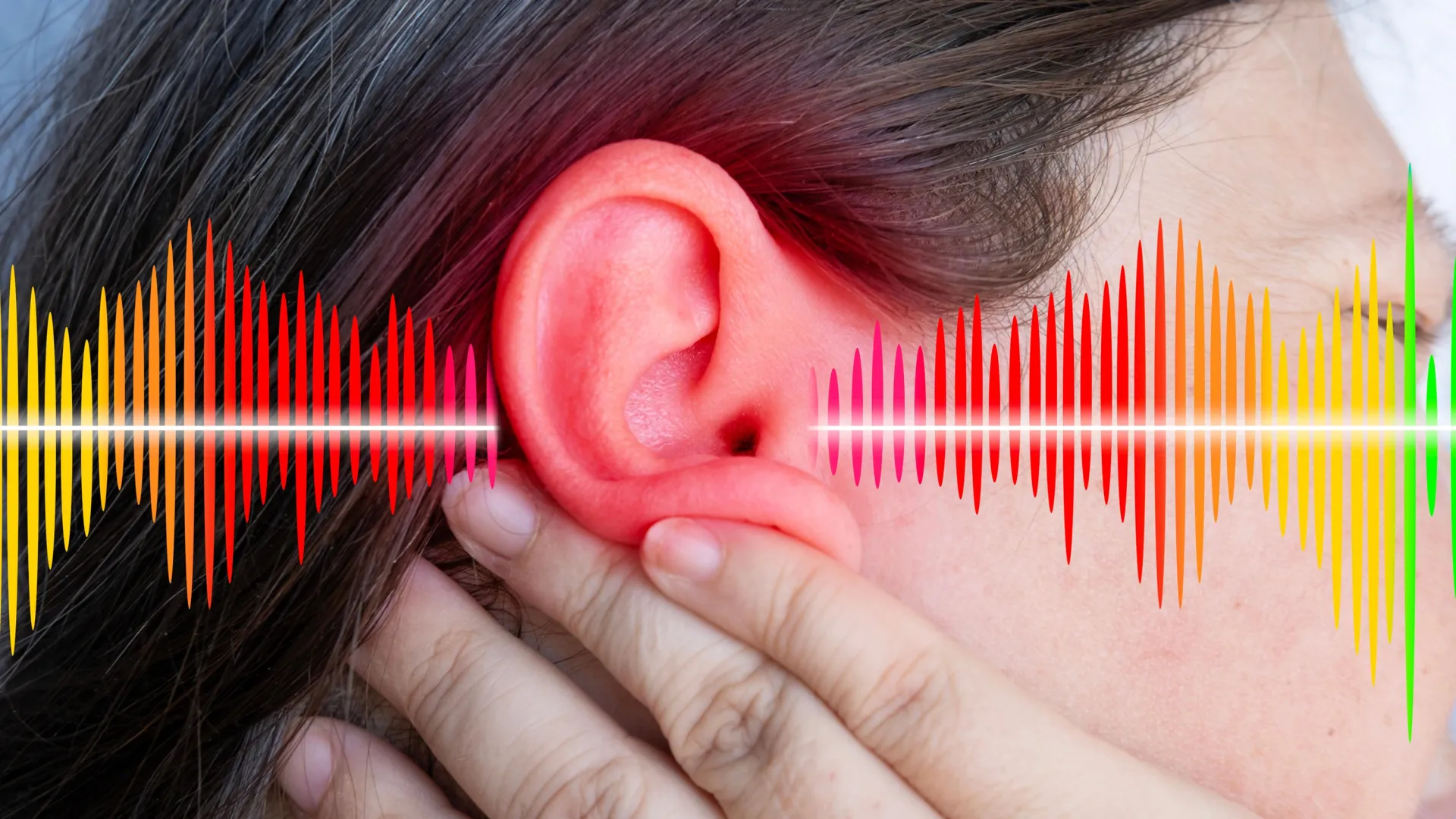
Tinnitus is not a disease in itself but a symptom of an underlying condition, such as age-related hearing loss, ear injury, or a circulatory system disorder. It affects an estimated 14% of the global population, translating to hundreds of millions of individuals who experience "phantom" sounds that no one else can hear. While for many the condition is a minor nuisance, for others, the unrelenting noise leads to severe psychological distress, sleep disturbances, cognitive interference, and an increased risk of depression and anxiety. This creates a challenging clinical paradox: the very medications used to treat the psychological fallout of tinnitus may, in some cases, be making the auditory symptoms more intense.
The Neurological Connection: Serotonin as a Sensory Stimulant
The research team, led by co-senior author Laurence Trussell, Ph.D., a professor of otolaryngology in the OHSU School of Medicine and a scientist at the OHSU Vollum Institute, focused on how serotonin interacts with the auditory regions of the brain. Traditionally, serotonin is viewed through the lens of mental health; it is the "feel-good" chemical that helps maintain emotional balance. However, the brain uses serotonin for a multitude of functions, including the modulation of sensory information.
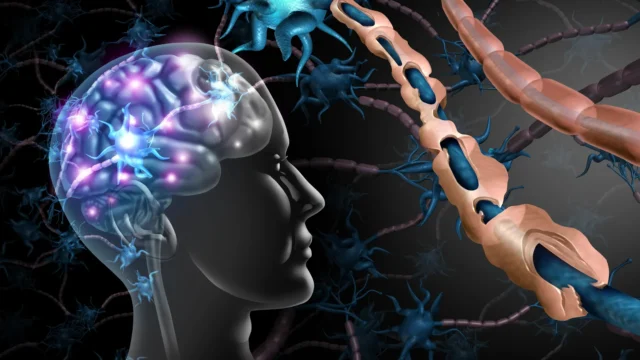
In the study, researchers utilized mouse models to observe how fluctuations in serotonin levels influenced behaviors and brain activity associated with tinnitus. They discovered a specific neural circuit that connects serotonergic neurons—those that produce and release serotonin—directly to the auditory system. When these neurons were stimulated, they increased the activity of cells in the dorsal cochlear nucleus, a part of the brain where sound processing begins and where tinnitus is believed to originate.
"We have long suspected that serotonin was involved in tinnitus, but the exact mechanism remained unclear," stated co-author Zheng-Quan Tang, Ph.D., of Anhui University, who began the project during his tenure as a postdoctoral scholar in Trussell’s laboratory. "Using advanced imaging and neurological mapping, we found that this circuit can essentially ‘turn up the volume’ on internal neural noise, creating or intensifying the perception of sound in the absence of an external source."
The SSRI Dilemma: A Double-Edged Sword in Treatment
The implications of this research are particularly significant for the millions of people prescribed Selective Serotonin Reuptake Inhibitors (SSRIs). SSRIs, such as fluoxetine (Prozac), sertraline (Zoloft), and escitalopram (Lexapro), are the most common class of antidepressants. They work by blocking the reabsorption of serotonin in the brain, making more of the chemical available to improve mood and reduce anxiety.
For a patient suffering from severe tinnitus, the resulting anxiety and depression are often treated with these medications. However, the OHSU and Anhui University study suggests that by raising systemic serotonin levels, SSRIs might inadvertently overstimulate the auditory circuit identified by the researchers. This can lead to a feedback loop where the patient’s mood improves, but the ringing in their ears becomes louder or more intrusive.
Dr. Trussell emphasized that the study does not suggest patients should stop taking their medication. Instead, it highlights a need for more nuanced clinical management. "People with tinnitus should work closely with their prescribing physician to find a drug regimen that provides a balance," Trussell said. "The goal is to achieve relief from psychiatric symptoms like depression and anxiety while minimizing the exacerbation of tinnitus. This study validates what many patients have been reporting for years—that their medication seemed to make the ringing worse."
Chronology of Discovery and Research Methodology
The recent publication in PNAS is the culmination of years of investigation into the auditory brainstem. The research builds on a foundational study published in 2017, which first identified that certain cells in the auditory system were sensitive to serotonin. That earlier work suggested that the brain’s "gain control"—its ability to adjust the sensitivity of its hearing—could be influenced by external chemical signals.
To move from suspicion to proof, the researchers employed optogenetics in their latest experiments. Optogenetics is a cutting-edge biological technique that involves the use of light to control neurons that have been genetically sensitized to light. By using fiber optics to deliver precise pulses of light to specific serotonergic neurons in mice, the scientists could turn the serotonin "faucet" on and off with millisecond precision.
Following the activation of these neurons, the researchers monitored the mice using a modified auditory startle test. This test is a standard method in tinnitus research; it measures how an animal reacts to a sudden loud noise in the presence of background "gap" silences. If an animal has tinnitus, the internal ringing "fills in" the silence, causing the animal to be less startled by the subsequent noise because it did not perceive a break in sound. The mice in the study exhibited behaviors consistent with the presence of tinnitus-like symptoms immediately following the elevation of serotonin in their auditory circuits.
Supporting Data and Global Impact of Tinnitus
The global burden of tinnitus is substantial, yet it remains one of the most underserved areas of medical research. Data from the American Tinnitus Association (ATA) indicates that nearly 50 million Americans experience some form of tinnitus, with approximately 20 million struggling with chronic, burdensome cases. Globally, the 14% prevalence rate cited by researchers suggests that over one billion people may experience the condition at some point in their lives.
The economic impact is also profound. In the United States alone, tinnitus is the leading service-connected disability for veterans, surpassing even post-traumatic stress disorder (PTSD) and hearing loss. The Veterans Affairs (VA) department spends billions of dollars annually in disability compensation for tinnitus, highlighting the urgent need for effective treatments and a deeper understanding of its biological roots.
Clinical reports have frequently documented "ototoxicity" or ear-related side effects from various medications, but the specific link to serotonin has often been dismissed as subjective or secondary to the patient’s psychological state. The OHSU study provides the physiological evidence necessary to shift this perspective, moving tinnitus from a "phantom" psychological issue to a measurable neurological event.
Expert Reactions and the Path to Precision Medicine
The scientific community has responded to the findings with cautious optimism. While the study was conducted on mice, the fundamental architecture of the auditory brainstem is highly conserved across mammalian species, meaning the findings are likely applicable to human biology.
Neurologists and audiologists not involved in the study noted that this research provides a roadmap for "precision medicine" in the treatment of hearing disorders. By identifying the specific circuit responsible for the serotonin-tinnitus link, researchers can now look for ways to target that circuit without affecting the rest of the brain.
"Our study suggests a delicate balance is required," Trussell noted. "The future of treatment may lie in the development of drugs that are region-specific. We want to keep the beneficial effects of serotonin in the areas of the brain that govern mood, but perhaps block its effects in the dorsal cochlear nucleus. If we can separate those two functions, we can treat depression without harming the patient’s hearing."
Broader Implications for Auditory Science
Beyond the immediate concerns regarding SSRIs, this research opens new doors for understanding how the brain processes sensory input. It suggests that our hearing is not a static system but is constantly being modulated by our internal state—our stress levels, our mood, and our chemical balance. This may explain why tinnitus often flares up during periods of high stress, as stress also triggers the release of various neurotransmitters, including serotonin.
The study also underscores the importance of the dorsal cochlear nucleus as a "hub" for sensory integration. It is known that this part of the brain receives input not just from the ears, but also from the somatosensory system (touch) and the emotional centers of the brain. This explains why some people can change the pitch or volume of their tinnitus by moving their jaw or neck—a phenomenon known as somatic tinnitus.
Conclusion and Future Outlook
The research led by OHSU and Anhui University marks a pivotal moment in the study of auditory disorders. By mapping the serotonin-auditory circuit, scientists have moved closer to a functional cure or at least a more effective management strategy for a condition that has baffled the medical community for decades.
For now, the advice for the millions of people living with tinnitus and depression remains one of careful coordination with healthcare providers. The validation of patient experiences—acknowledging that medication can indeed influence the intensity of tinnitus—is a crucial step in improving patient care and trust.
The work was supported by the National Institutes of Health (NIH) through award RO1DC004450. As researchers continue to untangle the web of connections between the brain’s chemistry and its sensory perceptions, the hope is that the next generation of antidepressants and tinnitus treatments will be designed with this "delicate balance" in mind, eventually silencing the ringing for good.