
A Chronology of Diagnosis and Early Development
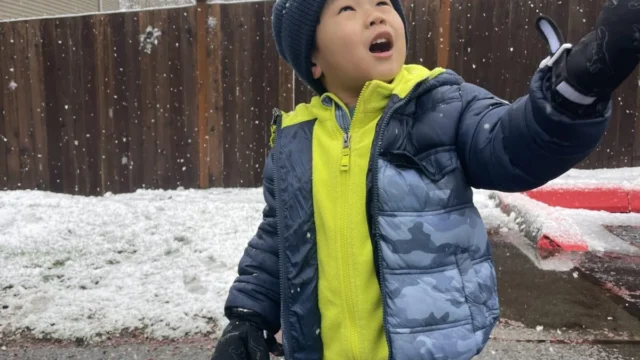
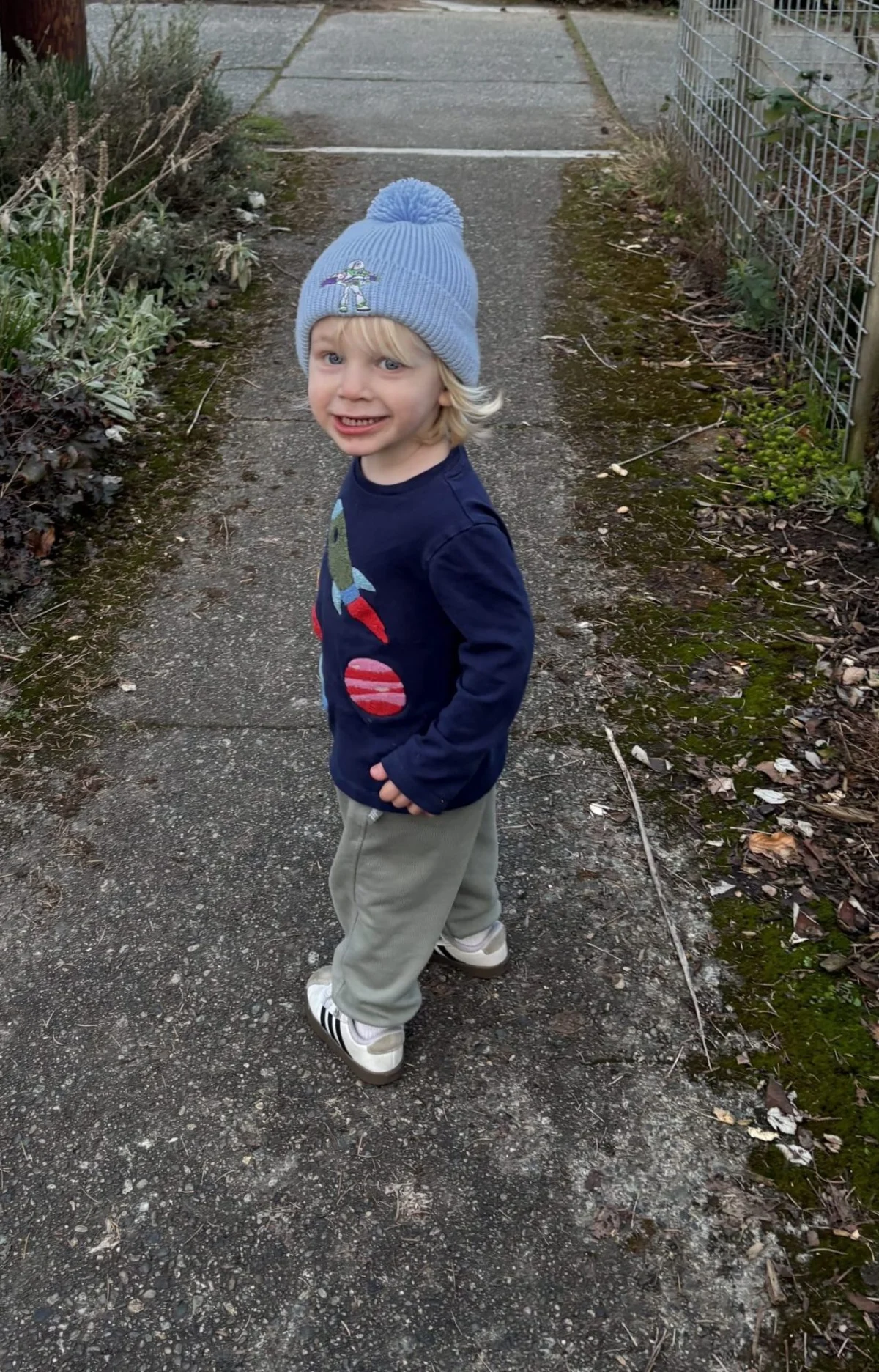
The diagnostic process for Landon began shortly after birth when he failed his initial newborn hearing screening—a standard procedure in modern neonatal care. Following a period of rigorous testing and repeated pediatric audiology assessments, clinicians identified a specific genetic mutation involving the deletion of both the STRC (stereocilin) and CATSPER2 genes. This genetic profile results in SNHL, a condition that impairs the transmission of sound from the inner ear to the brain.
For Landon, the primary challenge involves accessing higher-frequency sounds, which are essential for distinguishing consonants like "s," "f," and "t." These sounds are foundational to speech development and language acquisition. Recognizing the necessity of auditory stimulation, Landon began utilizing hearing aids at 17 months, a milestone that marked the beginning of his transition into a more accessible sound environment. However, medical equipment alone is rarely sufficient; the family sought comprehensive educational and emotional support, leading them to the Birth to Three program at Listen and Talk when Landon was just three months old.
The Role of Specialized Intervention
Early intervention (EI) is defined by the Individuals with Disabilities Education Act (IDEA) as a system of services designed to help infants and toddlers with disabilities or delays. Research consistently indicates that children who receive EI services before the age of three demonstrate significantly better outcomes in language, cognitive, and social-emotional development.
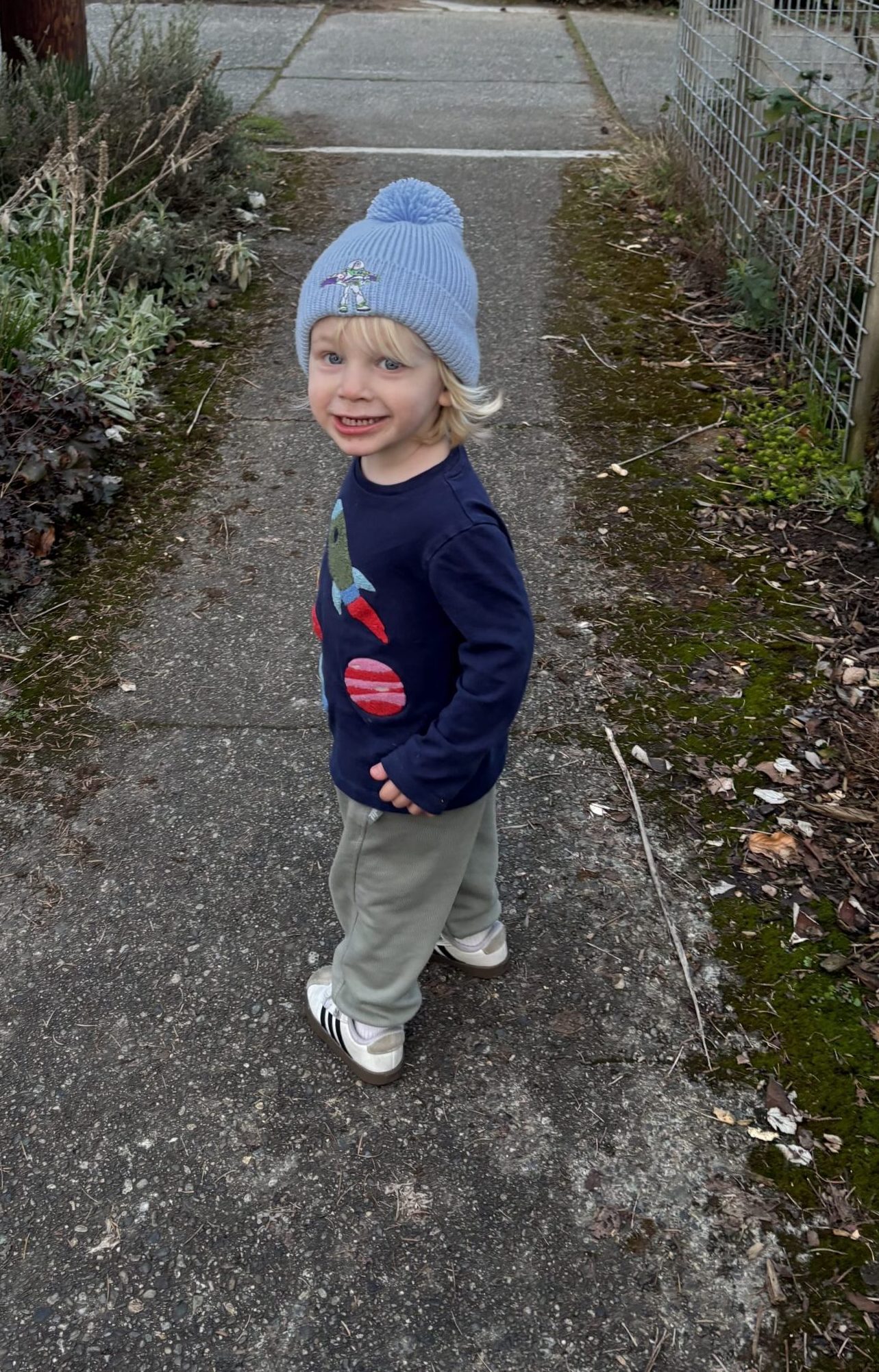
In Landon’s case, the program provided a dedicated specialist, Meghan, who served as a bridge between clinical audiology and home-based developmental support. The support provided was multi-faceted, encompassing:
- Auditory Access Strategies: Training for parents on how to optimize the child’s environment to ensure speech sounds are clear and consistent.
- Literacy and Communication: Implementing specialized reading techniques that emphasize phonological awareness, which is often challenging for children with high-frequency hearing loss.
- Equipment Maintenance: Providing parents with the technical skills to troubleshoot hearing aid performance, ensuring the child never experiences significant periods of "auditory deprivation."
- Educational Advocacy: Working directly with preschool teachers to modify classroom environments—such as minimizing ambient noise and positioning the child near the instructor—to reduce cognitive load and hearing fatigue.
The Blended Classroom Model: Fostering Inclusion and Advocacy
A critical component of Landon’s progress has been the integration into a "blended classroom" environment. This educational model places children with hearing loss alongside typically hearing peers. The benefits of this approach are dual-fold: it provides a rich, auditory-stimulating environment for the child with hearing loss while fostering empathy and inclusive social norms among peers.
Within this framework, children are not merely passive recipients of education; they are active participants in their own development. Listen and Talk utilizes a "pull-out" model for speech therapy, where students receive intensive, individualized instruction within the school building. This allows them to develop self-advocacy skills—the ability to articulate their own needs—which is a vital competency for their eventual transition into traditional kindergarten and primary school settings. By learning to identify when they are struggling to hear or when they require a teacher to rephrase a instruction, these children build the resilience necessary for long-term academic success.
Statistical Context of Pediatric Hearing Loss
According to the Centers for Disease Control and Prevention (CDC), hearing loss is one of the most common congenital conditions in the United States, affecting approximately 1.7 per 1,000 infants. While universal newborn hearing screenings have improved the age of detection, the "long tail" of the intervention process remains a challenge.
Data suggests that the "language gap"—a disparity in vocabulary size and syntax complexity—can begin as early as 18 months in children with untreated or inadequately managed hearing loss. However, studies published by the National Institutes of Health (NIH) have shown that children who receive consistent, high-quality early intervention can achieve language development milestones that are comparable to their hearing peers by the time they reach school age. Programs like those offered by Listen and Talk are essential in closing this gap by providing the specific expertise required to navigate the intersection of neurology, audiology, and pedagogy.
Institutional Impact and the Economic Necessity of Support
The broader implications of early intervention are significant, both on an individual level and for society at large. Children who successfully transition to mainstream education through early intervention are less likely to require intensive special education services in their later years, reducing the long-term economic burden on school districts.
However, the efficacy of these programs is often tied to funding. Listen and Talk, operating as a social impact enterprise, relies on a combination of public funding and philanthropic contributions to maintain the high staff-to-student ratios required for effective therapy. The organization’s mission—that "no child is limited by hearing loss"—is a direct response to the documented risks of under-resourced intervention, which can include social isolation, delayed reading proficiency, and reduced economic mobility in adulthood.

Professional Perspectives on the "Listening and Talking" Journey
Developmental psychologists note that the "emotional support" provided to parents, as described in Landon’s journey, is an often-overlooked but vital pillar of pediatric care. When a family receives a diagnosis, they are effectively navigating "uncharted waters." The stress of medical testing, the technical learning curve of managing devices, and the uncertainty regarding the child’s future can lead to parental burnout. By providing a consistent, informed guide, organizations like Listen and Talk transform the parents from anxious observers into empowered advocates.
This transformation is measurable. As noted by Landon’s family, the consistent application of auditory strategies resulted in a marked improvement in his vocabulary and articulation. These wins are not merely anecdotal; they are the indicators of a child who is successfully integrating into his environment and gaining the confidence to engage with the world on his own terms.
Looking Toward the Future
As Landon continues his development, the focus shifts from the initial diagnosis to long-term sustainability. The skills he is acquiring—advocacy, effective communication, and environmental awareness—are tools he will carry with him for life.
For other families currently facing a similar diagnosis, the consensus among professionals is clear: the window of neuroplasticity in early childhood makes the first few years of life the most critical period for intervention. The success of the Listen and Talk model suggests that when children are provided with the right resources, a supportive community, and an inclusive educational environment, the barriers typically associated with hearing loss can be significantly mitigated.
The ongoing operation of these programs remains a community-wide endeavor. Through public and private support, the infrastructure of early intervention ensures that children with genetic conditions like the deletion of STRC and CATSPER2 genes—and many others—are not defined by their diagnosis, but are instead given the platform to thrive in a hearing-dominant world. As the landscape of pediatric care continues to evolve, the integration of clinical expertise and educational advocacy will remain the gold standard for empowering the next generation of deaf and hard-of-hearing children.