The Origins and Development of the Initiative
The collaborative project between ISAAC Brazil—the regional branch of the International Society for Augmentative and Alternative Communication—and Fiocruz, one of the world’s most prominent public health research institutions, began with the objective of standardizing AAC knowledge. Historically, individuals with speech and language impairments have faced systemic barriers to education, healthcare, and social participation. Recognizing that these barriers are often exacerbated by a lack of accessible, localized information, the two organizations sought to create a document that was not only clinically accurate but also socially inclusive.
The initial development phase focused on compiling the most effective evidence-based practices in the field. By involving multidisciplinary teams, including speech-language pathologists, neurologists, and technology specialists, the authors ensured the content met the rigorous standards required for clinical and educational application. Following its successful rollout in Brazil, the project moved into the translation phase, specifically tailoring terminology to ensure cultural relevance for Spanish-speaking populations, thereby fostering a broader international dialogue on disability rights and inclusion.
Key Content and Methodological Approach
The guide serves as a pedagogical toolkit, covering the essential pillars of AAC. Its structure is designed to guide novices through the basics while offering enough depth for seasoned practitioners. The core modules focus on:
- Human Rights and Legislation: Providing a framework for understanding how legal protections for individuals with disabilities translate into the right to communicate.
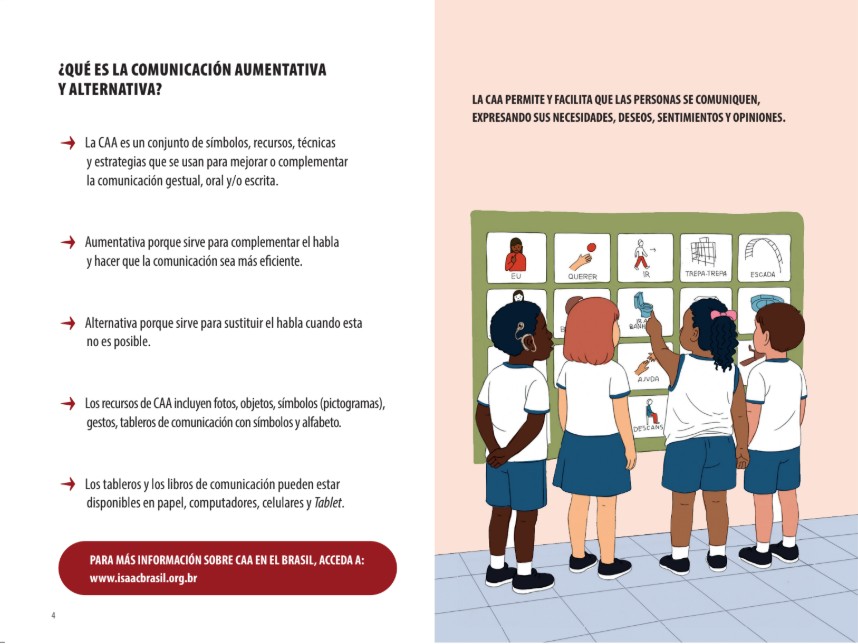
- The Conceptual Foundation of AAC: Demystifying the diverse modalities of communication, including unaided systems (such as sign language or gestures) and aided systems (including low-tech boards and high-tech speech-generating devices).
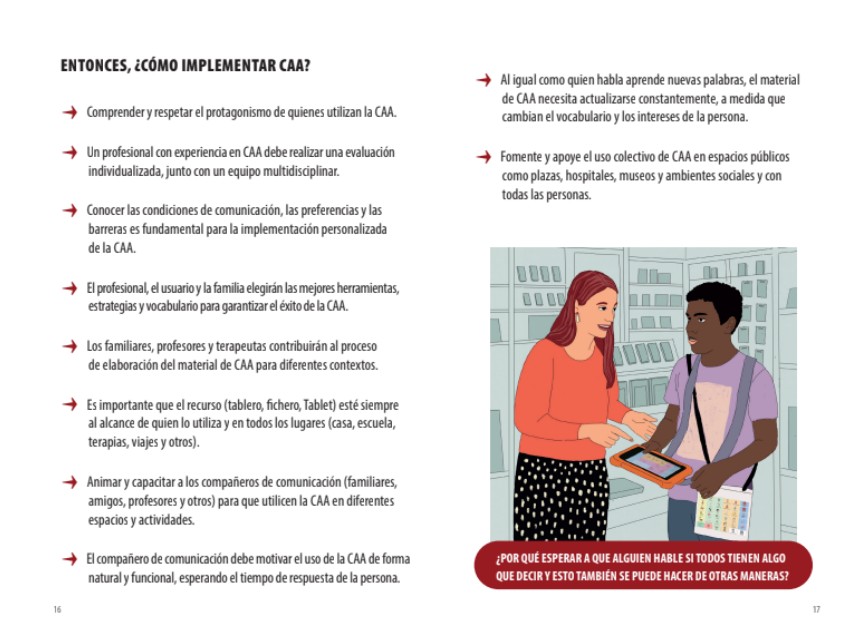
- Implementation Strategies: Offering practical, actionable advice on how to integrate communication tools into daily environments, such as classrooms, clinics, and the home.
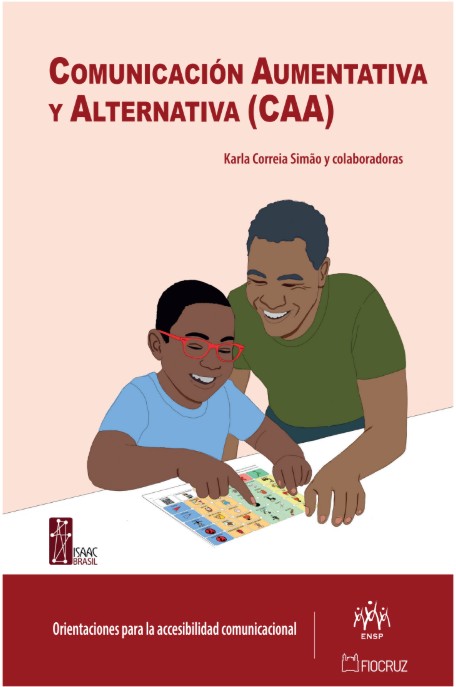
- Inclusive Representation: A defining feature of the guide is its visual content. Rather than relying on stock imagery or generic diagrams, the authors utilized illustrations based on real-world AAC users. This decision underscores the guide’s commitment to authentic representation and visibility for the community it serves.
A Timeline of Accessible Communication Progress
The journey toward this resource reflects a larger global shift in the field of assistive technology. Over the past decade, the focus has moved from institutional models to community-based and family-centered care.
- 2020-2022: Initial discussions and research synthesis between ISAAC Brazil and Fiocruz regarding the need for a unified Portuguese-language guide.
- 2023: Publication of the original Portuguese guide, which saw significant adoption in Brazilian public health networks.
- 2024: Formalization of the international expansion project, with linguistic experts and AAC specialists beginning the adaptation for the Spanish-speaking market.
- April 2026: Official release and promotion of the Spanish-language version, marking the integration of this resource into the international AAC support network.
Supporting Data and Demographic Impact
The need for such resources is underscored by global statistics regarding communication disorders. According to data from the World Health Organization (WHO), over one billion people live with some form of disability, and a significant portion of this population experiences limitations in communication. In many developing regions, the lack of standardized training for parents and caregivers is the primary obstacle to the effective use of AAC.
Research in the field suggests that early intervention with AAC systems significantly improves cognitive and social outcomes. A study published in the Journal of Speech, Language, and Hearing Research indicates that individuals who receive consistent, high-quality AAC support show higher rates of literacy and social integration compared to those who lack such access. By providing a free, digital-first resource, ISAAC and Fiocruz are effectively lowering the economic barrier to entry, which is particularly vital in regions where high-tech hardware remains prohibitively expensive for many households.

Implications for Practitioners and Families
The availability of this guide has immediate implications for the professional development of service providers. By centralizing core concepts, the guide serves as a reference point that can unify the approach of multidisciplinary teams. For families, the document acts as a roadmap, helping them navigate a complex landscape of devices and software.
"The objective is not merely to provide a tool, but to provide the knowledge necessary to use that tool effectively," noted a representative involved in the project’s dissemination. By emphasizing that communication is a human right, the guide encourages a shift in mindset: from seeing AAC as a medical necessity to seeing it as a fundamental requirement for active citizenship.
Official Responses and Future Outlook
While the guide has only recently been made available to the wider Spanish-speaking public, early feedback from disability advocacy groups has been overwhelmingly positive. The accessibility of the material—provided in a digital format with QR-code integration—aligns with modern trends in information dissemination.
ISAAC Spanish has utilized platforms such as Instagram and Facebook to host the files, ensuring that the distribution process is as inclusive as possible. By leveraging social media, the organizations have successfully tapped into existing support networks, allowing the resource to circulate organically among parents’ groups and professional organizations.
Looking forward, the success of this initiative may serve as a blueprint for future collaborations. The model of "adapt, translate, and disseminate" could be applied to other languages and regions, potentially creating a global repository of localized AAC knowledge. As digital infrastructure continues to improve in underserved regions, the potential for such guides to foster real-world change in the lives of non-speaking individuals remains immense.
Broader Societal Impact
The publication of this guide is more than a technical achievement; it is a signal of the maturation of the AAC community. As societies become more aware of the necessity of neurodiversity and inclusion, the demand for high-quality, professional resources will only increase. By setting a high standard for clarity, empathy, and evidence-based practice, the ISAAC-Fiocruz guide positions itself as a cornerstone for future efforts in the field.
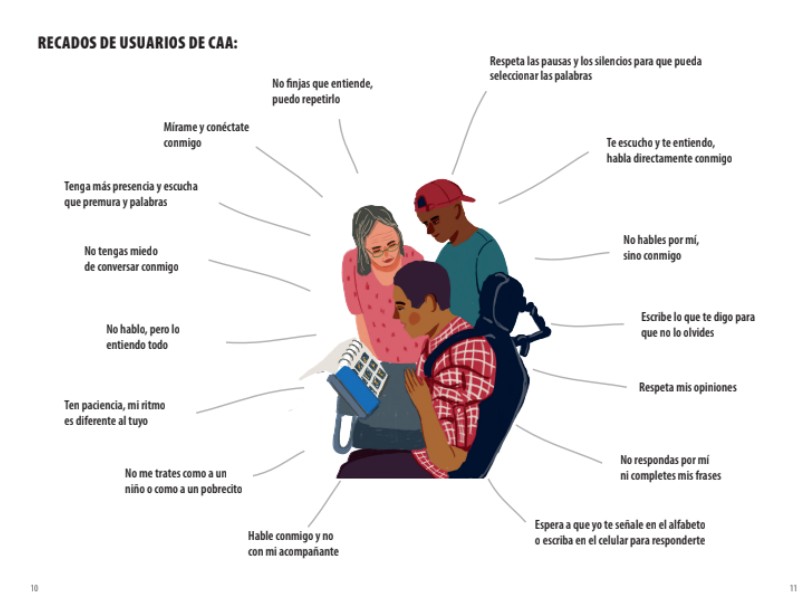
The integration of real-world user experiences into the visual narrative of the guide ensures that it remains rooted in the reality of the people it serves. As educators and clinicians begin to incorporate these materials into their practice, the long-term impact will likely be seen in improved communication outcomes and a more robust, informed, and connected community of AAC users across the Spanish-speaking world. The project stands as a testament to the power of international collaboration in solving universal challenges, proving that when organizations pool their resources, they can create tools that truly transform lives.