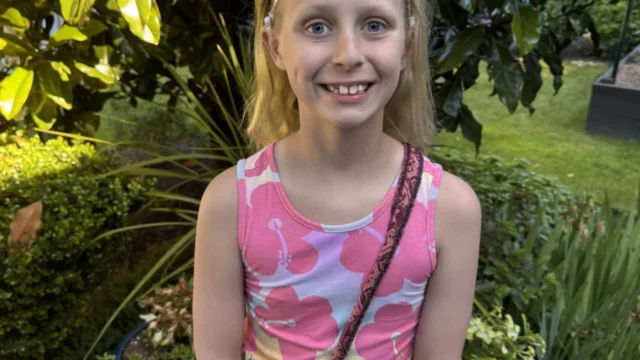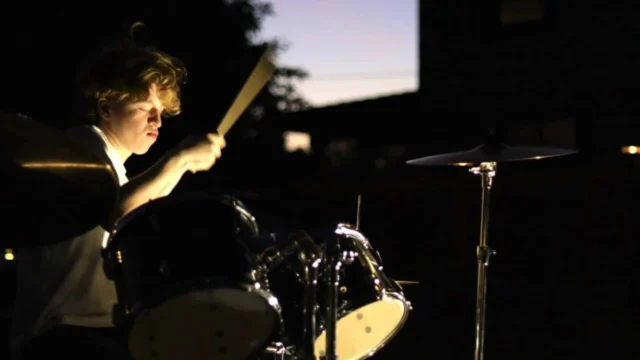
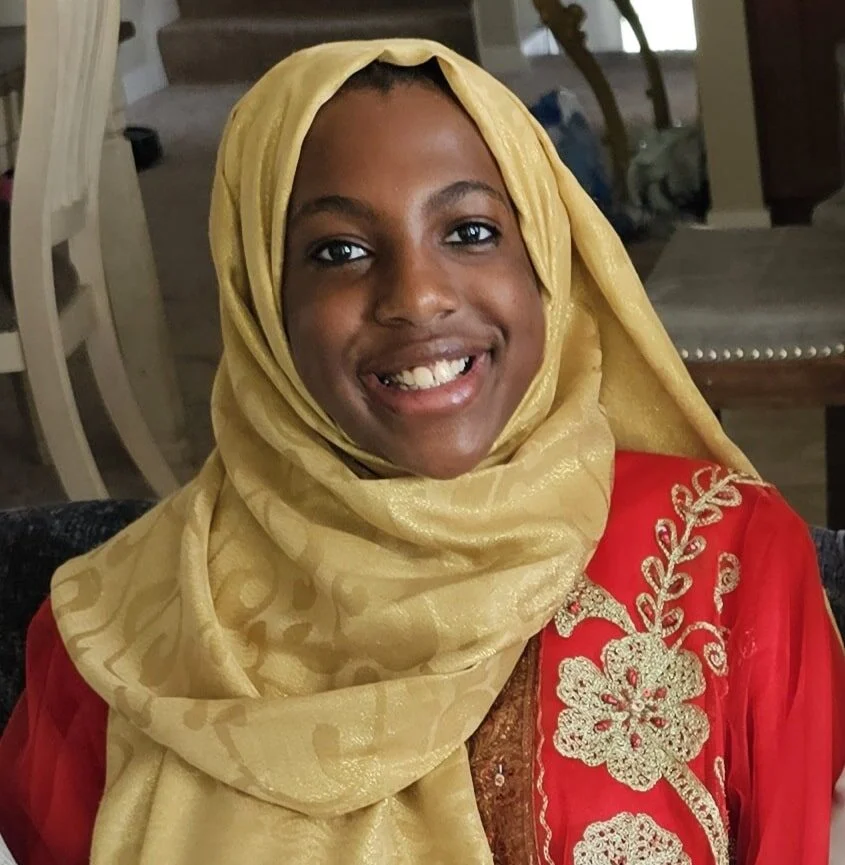
The Critical Window: Early Intervention and Cochlear Implantation
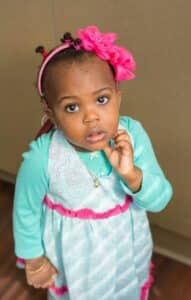
Amalia’s medical journey began in infancy. Following a diagnosis of sensorineural hearing loss, her family made the decision to pursue cochlear implantation at ten months of age. This timing is widely regarded by audiologists and developmental specialists as optimal. According to data from the National Institute on Deafness and Other Communication Disorders (NIDCD), the "critical period" for language acquisition occurs during the first three years of life. By receiving implants before her first birthday, Amalia was positioned to capitalize on neuroplasticity—the brain’s ability to reorganize itself by forming new neural connections—which is most robust in early childhood.
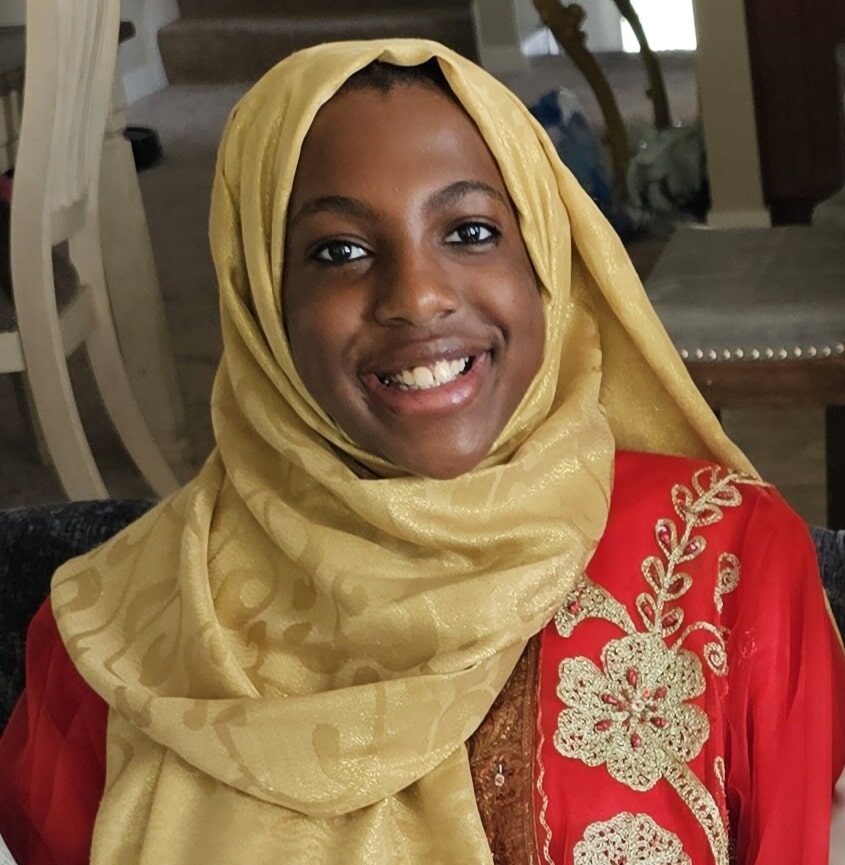
Listen and Talk, the organization that facilitated her development, focuses on a listening and spoken language (LSL) approach. Unlike programs that emphasize manual sign language, the LSL approach prioritizes the development of auditory pathways, training the child to interpret sound signals provided by their hearing technology. For Amalia, this meant participating in both "Birth to Three" programs and, subsequently, the organization’s Blended Classroom model. These programs provide the intensive, individualized therapy required to transition from the raw data of electrical stimulation to the complex cognitive process of language comprehension.
A Chronology of Progress
The trajectory of Amalia’s development can be broken down into three distinct phases that highlight the transition from clinical support to independent functioning:
- Infancy (0–3 years): The foundational phase. During this time, Amalia underwent the surgical implantation process and subsequent "activation" of the cochlear implants. The focus here was on auditory awareness, turning sound into meaningful stimuli.
- Early Childhood (3–6 years): The Blended Classroom phase. During these years, Amalia integrated into a classroom setting that paired children with hearing loss with neurotypical peers. This environment is designed to foster social-emotional growth alongside linguistic proficiency, ensuring the child can navigate peer-to-peer interactions in a standard educational setting.
- Adolescence (Present): The integration phase. Amalia now operates entirely within a general education classroom. Her success at this level is the primary metric by which programs like Listen and Talk measure their long-term efficacy: the ability of the student to perform at or above grade level without the need for specialized, restrictive educational accommodations.
Statistical Context: The Impact of Auditory-Verbal Therapy
The success of students like Amalia is supported by broader academic research into pediatric audiology. Longitudinal studies indicate that children who receive cochlear implants by age 12 to 18 months, followed by consistent auditory-verbal therapy, achieve significantly higher scores on standardized tests for vocabulary, reading comprehension, and syntax compared to peers who receive implants later.
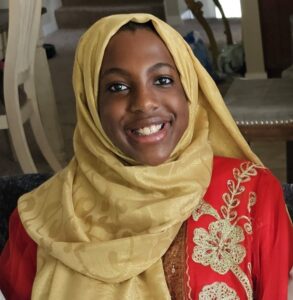
Furthermore, the integration into general education classrooms, as achieved by Amalia, is a significant milestone. Data from the Office of Special Education Programs (OSEP) suggests that students who are mainstreamed in general education classrooms are more likely to pursue post-secondary education and attain higher employment rates in adulthood. The "Listen and Talk" model directly addresses the "language gap" that often plagues children with hearing loss, providing them with the necessary vocabulary and cognitive flexibility to keep pace with their hearing peers.
Holistic Development Beyond the Classroom
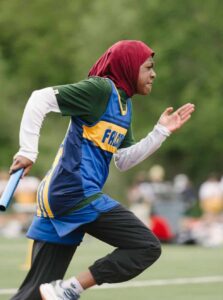
Amalia’s story extends beyond academic performance into the realm of physical and social development. Her participation in competitive athletics—specifically swimming, track and field, and basketball—highlights an often-overlooked aspect of pediatric rehabilitation: the development of physical confidence.
For a child with hearing loss, sports provide a unique set of challenges and opportunities. Team sports require rapid auditory processing to respond to whistles, coaches’ instructions, and communication between teammates. By mastering these environments, Amalia demonstrates that the "limitless" philosophy championed by her support network is rooted in practical application. Her coaches and peers interact with her not as a student with a disability, but as a teammate, which is indicative of successful social integration—a primary goal of inclusive educational practices.
The Economic and Social Implications of Alumni Giving
The recent public focus on Amalia’s story is tied to the 2026 Alumni Family Giving Campaign, an initiative aimed at ensuring the sustainability of these life-changing services. Organizations such as Listen and Talk often operate on a hybrid funding model, relying on both public educational grants and private philanthropy.
The economic implications of such programs are significant. By providing early, intensive intervention, these programs reduce the long-term reliance on state-funded special education services throughout the K-12 system. When a child like Amalia reaches the general education classroom early, the financial burden on the public school system is reduced, and the child is better positioned to become a productive, tax-paying member of the workforce. The "Alumni Family Giving" model serves as a feedback loop; those who have benefited from the program provide the capital necessary for the next generation of infants to receive the same standard of care.
Expert Perspectives on Inclusive Education
The success of students who transition from specialized early intervention to the mainstream environment often hinges on the cooperation between specialized therapists and general education teachers. Educators note that the presence of students with cochlear implants in a standard classroom fosters a more inclusive culture.
"The goal is not just to teach the child to hear, but to teach the child to engage with the world on their own terms," says a spokesperson for pediatric auditory advocacy groups. "Amalia represents the gold standard of what is possible when medical technology is paired with consistent, high-quality therapeutic support. Her success validates the significant investments made by families and organizations during those first, crucial years."
Future Outlook and Policy Considerations
As technology continues to advance, the threshold for what children with hearing loss can achieve is shifting. Modern cochlear implants provide higher fidelity sound than those available even a decade ago. However, technology alone is insufficient. As Amalia’s case demonstrates, the human element—the dedicated staff, the supportive family structure, and the rigorous pedagogical framework—remains the most critical variable.
The policy implication here is clear: there is a continued need for funding early intervention programs that bridge the gap between medical intervention and academic readiness. Without the infrastructure provided by programs like Listen and Talk, many children who possess the same biological potential as Amalia might otherwise struggle to access the curriculum or find their place in the social fabric of their schools.
In conclusion, Amalia Faraji’s journey is a blueprint for successful integration. By prioritizing early intervention, maintaining high expectations for academic and physical performance, and fostering a supportive community, she has transcended the limitations traditionally associated with sensorineural hearing loss. As she moves forward into her future, her story serves as both a benchmark for organizations providing these services and a beacon of hope for families currently navigating the early stages of a similar diagnosis. The ongoing Alumni Family Giving Campaign underscores the necessity of these programs in maintaining a society where, as the organization’s vision statement suggests, no child is limited by hearing loss.