A Chronology of Early Intervention
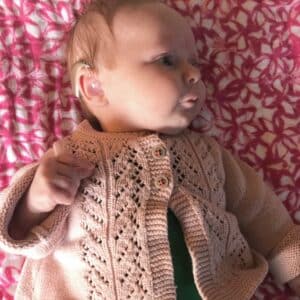
Marna’s clinical journey began almost immediately following her birth. Recognizing the critical nature of the "neural plasticity window"—the period during which the brain is most receptive to auditory stimulation—her family sought intervention when she was just two months old. At that stage, she was fitted with her first set of hearing aids. This initial step provided the necessary acoustic access for her brain to begin processing sound, setting the stage for more advanced technological integration.
At twelve months of age, Marna received her first cochlear implant. This milestone was followed by a second implant at age two, providing her with bilateral access to sound. Bilateral implantation is widely recognized by clinical experts as a superior approach for sound localization and speech recognition in noisy environments, such as classrooms or athletic fields. Following these surgical milestones, the family engaged with the Listen and Talk Birth-to-3 program. This phase of her development focused on home-based therapy, where parents were coached on specific LSL strategies to integrate into daily routines, ensuring that Marna’s linguistic development was supported within her natural environment.
The Role of Specialized Educational Environments
Between the ages of three and five, Marna transitioned into the Listen and Talk Blended Classroom program. This educational model represents a specialized approach to early childhood education, integrating students with hearing loss into a setting designed to foster both academic and social-emotional growth.
The significance of the Blended Classroom lies in its dual focus: specialized pedagogical instruction and peer socialization. For children with cochlear implants, exposure to an environment where teachers are trained to address the specific challenges of auditory processing is essential. Furthermore, the ability to form friendships with peers who share similar experiences with hearing loss creates a support system that builds self-advocacy skills. Data from pediatric development studies suggest that early socialization in inclusive environments significantly reduces the social isolation often felt by children with hearing impairments, leading to higher levels of self-esteem and academic persistence in later years.
The Science of Listening and Spoken Language (LSL)
The LSL approach utilized in Marna’s upbringing is a therapeutic and educational framework that emphasizes the development of spoken language through the use of hearing technology. Unlike programs that rely exclusively on sign language, LSL focuses on maximizing the child’s residual hearing or technological auditory access to develop the pathways required for speech.
Recent advancements in cochlear implant technology, combined with the rigorous application of LSL, have changed the prognosis for children born with profound hearing loss. According to the American Cochlear Implant Alliance, children who receive early intervention and consistent LSL therapy are statistically more likely to transition into mainstream general education classrooms by the time they reach elementary school. Marna’s current success as a reader, student, and athlete is a testament to the fact that with proper early support, the gap between children with hearing loss and their hearing peers can be effectively narrowed, if not closed entirely.
Implications for Pediatric Healthcare and Education
The broader implications of Marna’s experience extend beyond her individual success. The case highlights a shift in how society approaches childhood hearing loss—moving from a perspective of limitation to one of empowerment. The "no child is limited by hearing loss" philosophy, which drives organizations like Listen and Talk, is increasingly supported by medical outcomes.
However, these outcomes are contingent upon access. Early screening programs, such as Newborn Hearing Screening (NHS), are the first link in a chain of care that must remain robust to ensure children like Marna receive timely referrals. When delays occur in diagnosis or in the provision of hearing technology, the window for optimal language acquisition can narrow, making the role of advocacy and funding campaigns, such as the Alumni Family Giving Campaign, vital for the sustainability of these programs.
Analysis of the Alumni Family Giving Campaign
The Alumni Family Giving Campaign, which currently features stories like Marna’s, functions as a critical funding mechanism for specialized services. Because specialized auditory therapy and educational support are often resource-intensive—requiring low student-to-teacher ratios and highly specialized staff—public school systems alone are frequently unable to provide the necessary level of care.
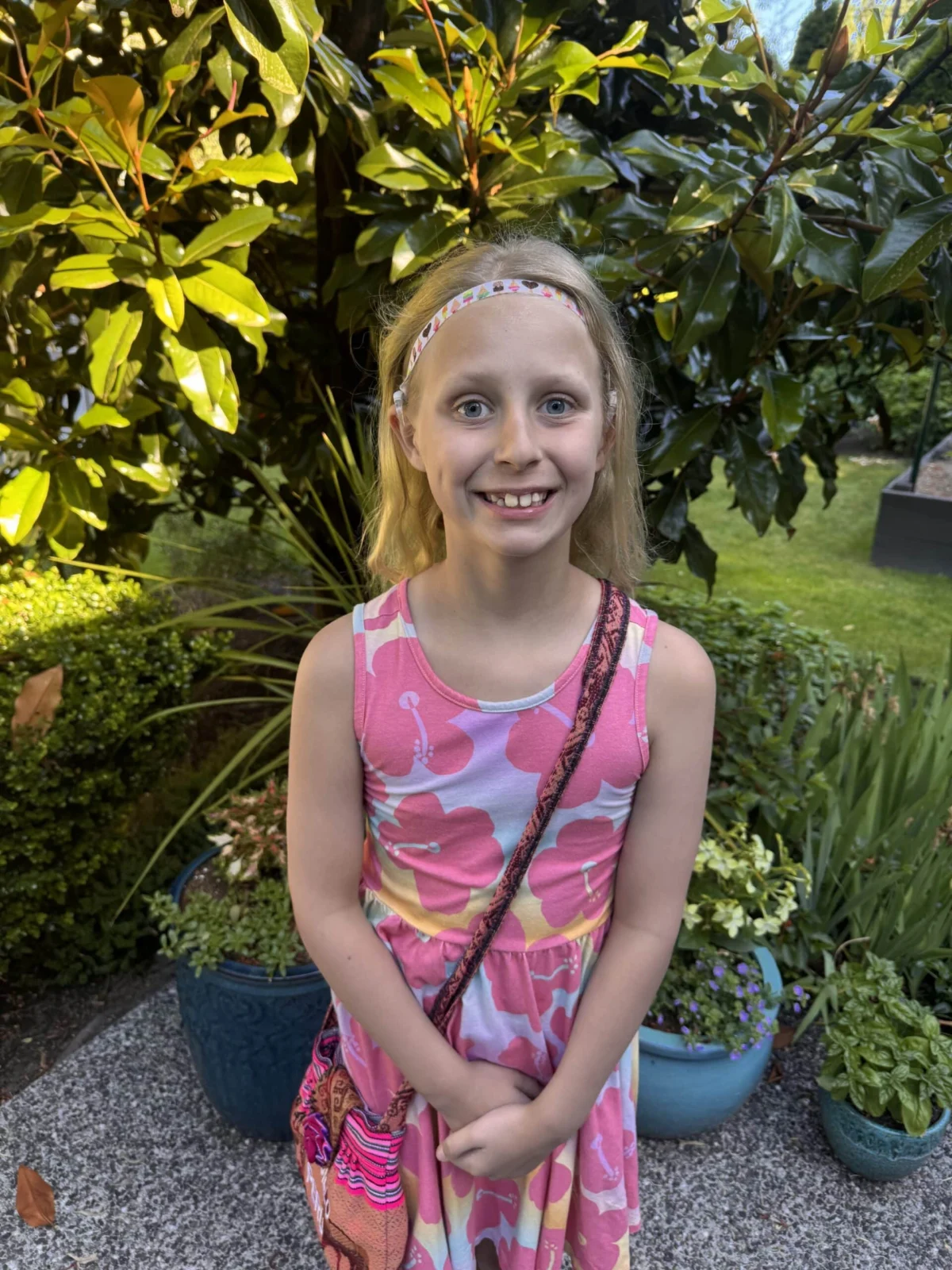
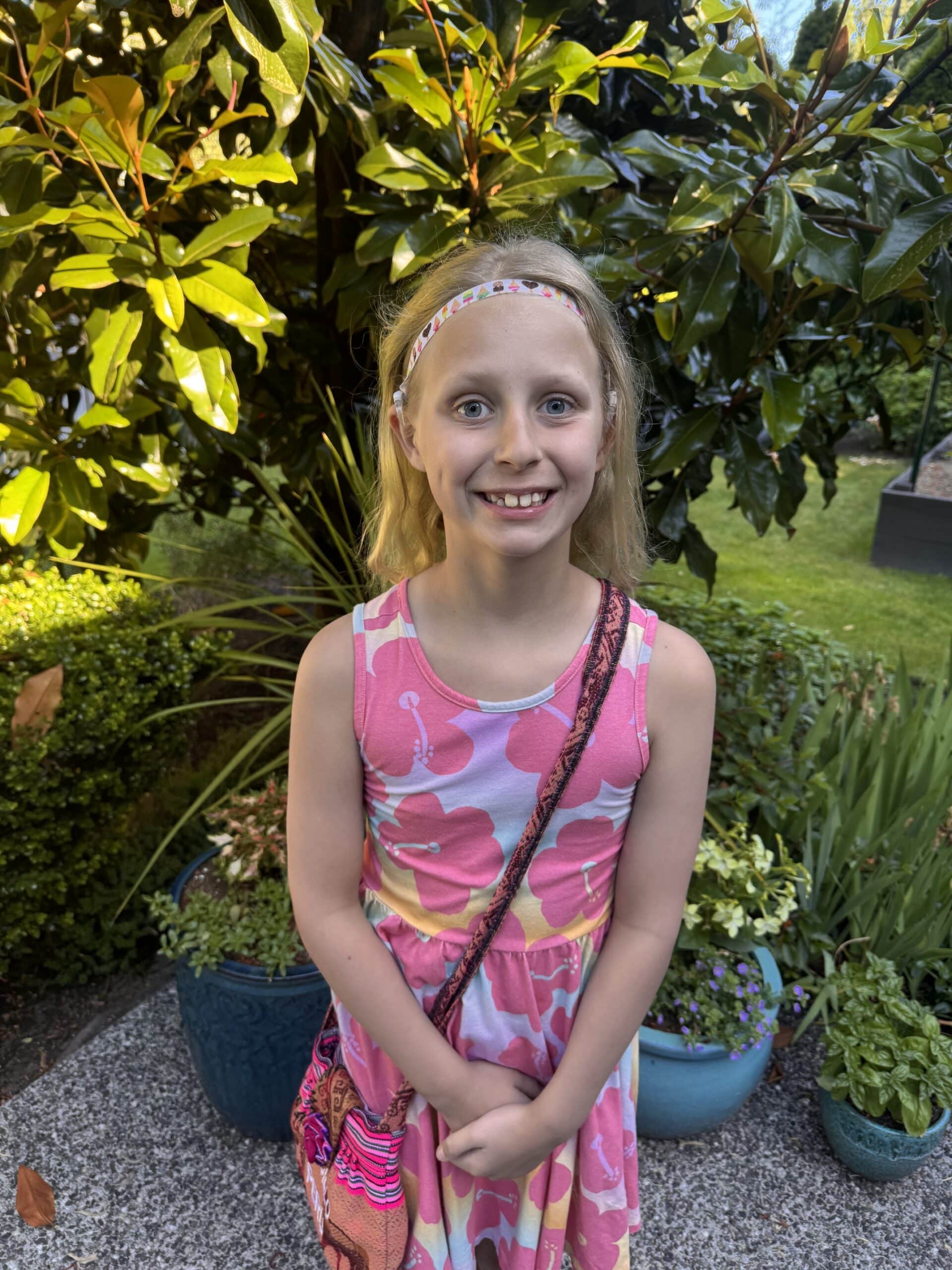
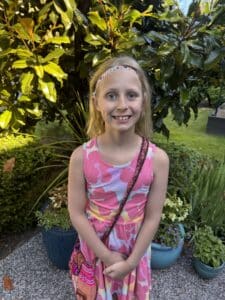
By leveraging the successes of alumni, the campaign serves two functions: it provides the financial capital necessary to subsidize tuition and therapy costs for new families, and it provides psychological encouragement to parents currently navigating the early, often overwhelming, stages of their child’s diagnosis. Observing a child like Marna—now a vibrant eight-year-old involved in lacrosse, softball, soccer, and swimming—serves as a tangible benchmark for parents who may be worried about their child’s future.

The Broader Impact on Inclusion
The integration of children with cochlear implants into mainstream sports and social activities is a critical indicator of long-term success. Participation in team sports like lacrosse and soccer requires high levels of communication, situational awareness, and the ability to advocate for one’s needs in a fast-paced environment. Marna’s active involvement in these areas suggests that the self-advocacy skills fostered during her time in the Blended Classroom have successfully transferred to her broader social life.
The ability to navigate these environments confidently is not merely a social bonus; it is a prerequisite for professional and personal success in adulthood. By fostering a sense of pride in their identity as technology users, programs like Listen and Talk help children reframe their hearing loss from a disability into a manageable, albeit integral, part of their identity.
Conclusion and Future Outlook
As Marna continues her education and extracurricular activities, her story serves as a reminder of the importance of sustained, high-quality early intervention. The evolution of pediatric audiology has made it possible for children with hearing loss to live "at full volume," but the clinical progress must be matched by societal and institutional support.
The success of the Alumni Family Giving Campaign and the continued operation of specialized programs like those offered by Listen and Talk are essential to maintaining these outcomes. By investing in the foundational years of a child’s development, society ensures that more children can follow in the footsteps of Marna, building the confidence and self-esteem necessary to thrive in an increasingly complex world. As the medical and educational communities look toward the future, the focus remains on ensuring that every child, regardless of their hearing status, is provided with the tools and the community support required to reach their full potential. The evidence is clear: when the right interventions are applied early and consistently, the barriers once thought to be insurmountable become mere hurdles in a path toward a bright and active future.