Understanding the Urgency of Sudden Hearing Loss
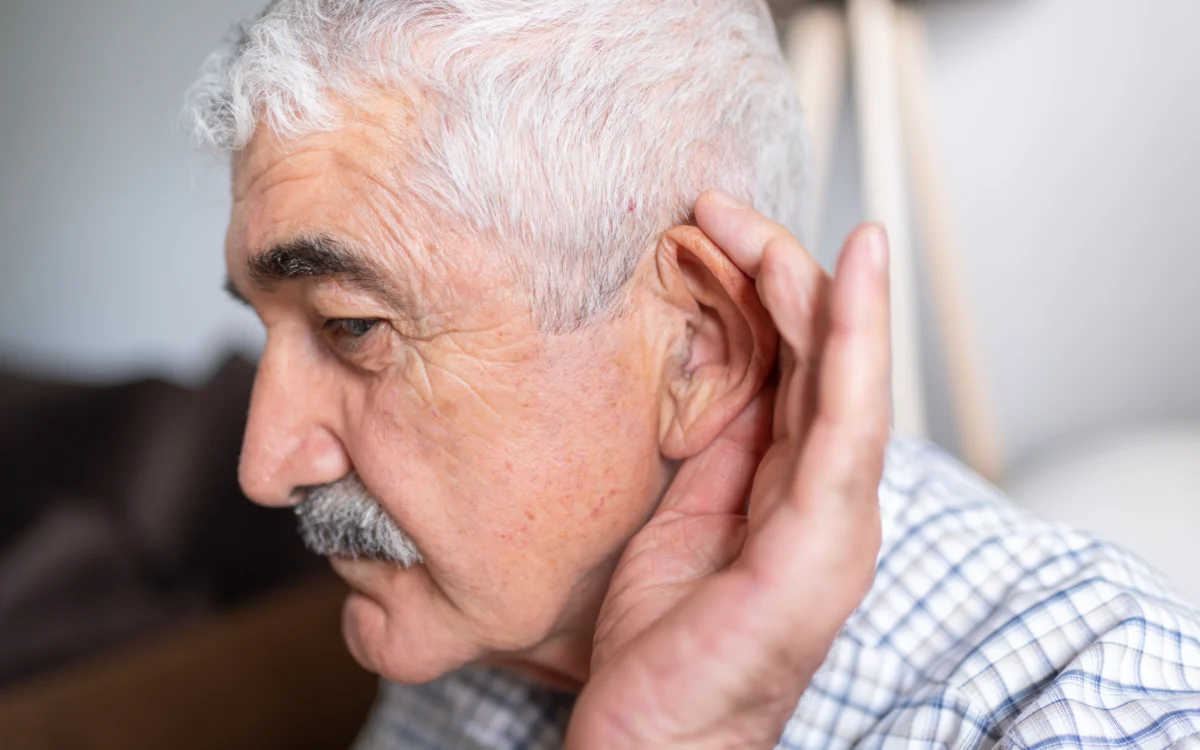
The abrupt onset of hearing loss, whether a noticeable muffling of sound or complete deafness in one ear, should be treated as a medical emergency. This is not a condition to be monitored passively, hoping for spontaneous resolution. Medical professionals, including Ear, Nose, and Throat (ENT) specialists or urgent care clinics, are equipped to assess the situation and initiate appropriate treatment. The window of opportunity for effective intervention, particularly for SSNHL, is often limited, making prompt action crucial. Delays can significantly diminish the efficacy of treatments and the likelihood of regaining hearing.
The Spectrum of Causes for Sudden Hearing Loss
While some instances of sudden hearing loss stem from straightforward, reversible causes like excessive earwax buildup, middle ear infections, or fluid accumulation, a significant portion is attributed to more complex issues. Sudden sensorineural hearing loss (SSNHL) represents a rapid decline in hearing sensitivity, typically affecting one ear, and arising from damage to the inner ear structures or the auditory nerve. This type of hearing loss can develop rapidly, sometimes within a 72-hour period.
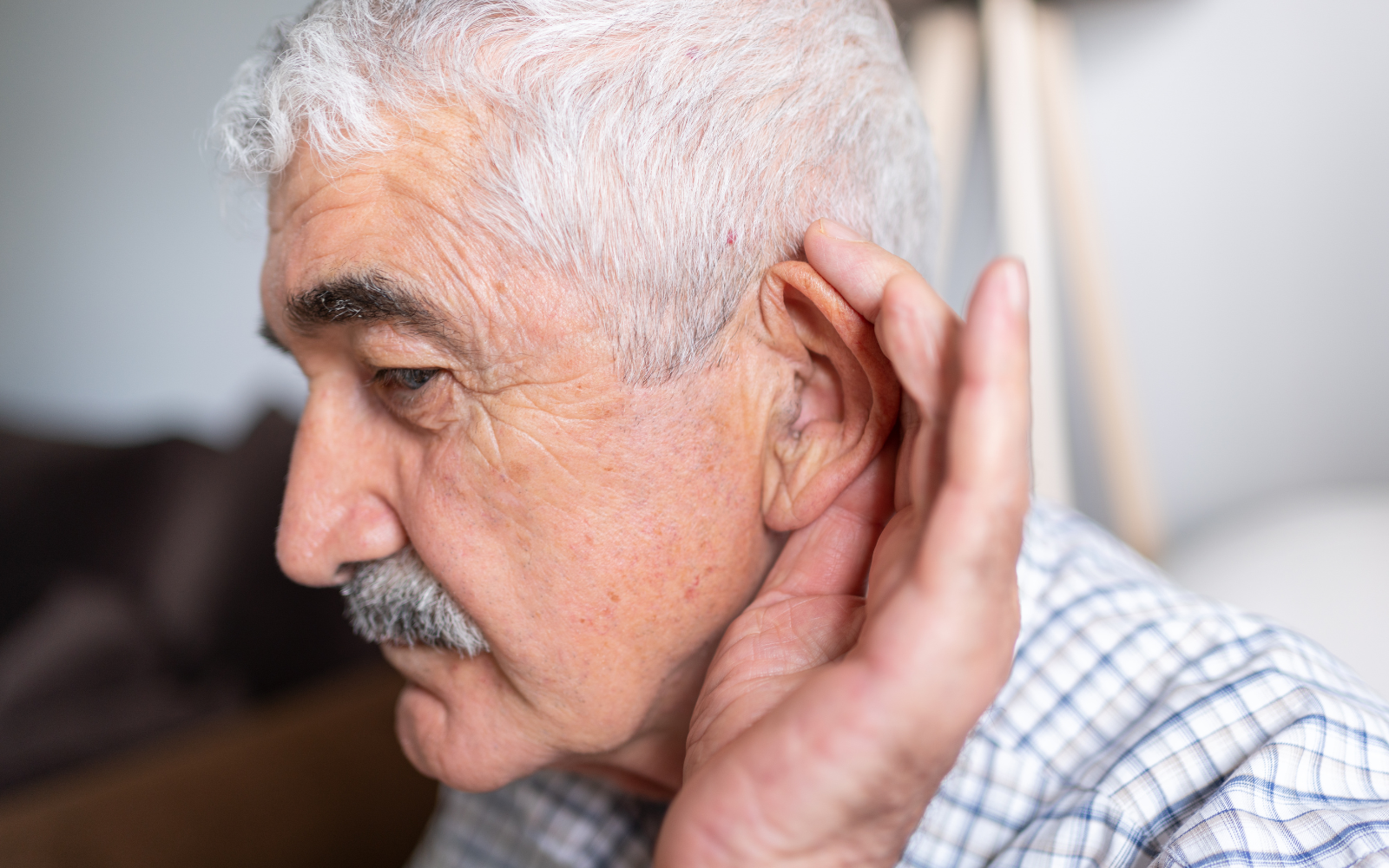
The underlying causes of SSNHL remain a subject of ongoing research, but potential contributing factors include:
- Viral Infections: Certain viruses are suspected of inflaming the inner ear or auditory nerve.
- Vascular Issues: Disruption of blood flow to the inner ear can lead to damage.
- Autoimmune Diseases: The body’s immune system may mistakenly attack its own auditory system.
- Neurological Conditions: Diseases like Multiple Sclerosis can impact the auditory nerve.
- Tumors: In rare cases, conditions such as acoustic neuroma, a benign tumor on the auditory nerve, can cause gradual or sudden hearing loss.
- Trauma: Head injuries can directly affect the auditory system.
- Ototoxic Medications: Certain drugs can have a damaging effect on hearing.
It is critical to recognize that differentiating between these causes based on symptoms alone is nearly impossible. Therefore, a comprehensive medical evaluation is indispensable.
Symptoms to Watch For
Sudden hearing loss can manifest in various ways, and not all cases involve an instantaneous loss of all sound. Individuals may experience:
- Muffled Hearing: A general dulling of sound, as if listening through water.
- Reduced Clarity: Difficulty distinguishing speech, especially in noisy environments.
- Tinnitus: A ringing, buzzing, or hissing sound in the affected ear, which can be constant or intermittent.
- Aural Fullness: A sensation of pressure or blockage in the ear.
- Dizziness or Vertigo: A spinning sensation, which can be disorienting and may indicate inner ear involvement.
- Sudden Deafness: A complete and immediate loss of hearing in one or both ears.
Some individuals describe the sensation as if their ear is blocked, leading them to assume it’s due to earwax. However, this subjective feeling can also accompany SSNHL, highlighting the need for professional assessment rather than self-diagnosis.

When to Seek Immediate Emergency Care
While any sudden loss of hearing warrants prompt medical attention, certain accompanying symptoms elevate the urgency to immediate emergency care. These critical indicators include:
- Neurological Symptoms:
- Facial weakness or paralysis
- Difficulty speaking or slurred speech
- Numbness or weakness in the face, arm, or leg
- A sudden, severe headache
- Other Severe Symptoms:
- Severe dizziness or vertigo
- Loss of consciousness
- High fever
- Severe ear pain
- Sudden hearing loss in both ears
Additionally, if the sudden hearing loss follows a head injury, it should be considered an emergency situation. These combined symptoms can signal a more serious underlying medical condition requiring immediate intervention.
The Diagnostic Process
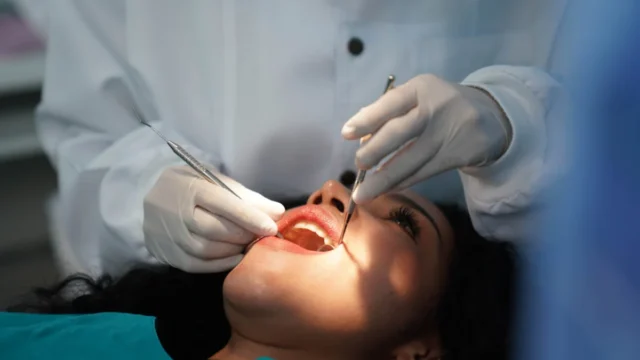
The initial step in diagnosing sudden hearing loss typically involves a thorough physical examination of the ears. A healthcare provider will inspect the ear canal for any visible obstructions like earwax, signs of infection, or damage to the eardrum.
Crucially, a hearing test is performed. This often includes pure-tone audiometry, a standard audiological assessment that measures the softest sounds an individual can hear at different frequencies. The results, presented in an audiogram, provide objective data on the degree and type of hearing loss.

Depending on the initial findings, the patient’s medical history, and the specific symptoms, an ENT specialist may recommend further diagnostic tests. These can include:
- Magnetic Resonance Imaging (MRI): To rule out structural abnormalities such as acoustic neuromas or other retrocochlear pathologies, especially in cases of unilateral (single-sided) sensorineural hearing loss.
- Balance Tests: To assess the function of the vestibular system, which is closely linked to the auditory system in the inner ear.
- Blood Tests: To investigate potential underlying systemic causes like autoimmune disorders or infections.
The overarching goal of this diagnostic process is to accurately determine whether the hearing loss is conductive (related to the outer or middle ear), sensorineural (related to the inner ear or auditory nerve), or caused by another medical condition. This precise diagnosis is fundamental for selecting the most effective treatment strategy.
Treatment Options and the Importance of Timing
Treatment for sudden hearing loss is highly dependent on the identified cause. For conductive hearing losses, interventions might include:
- Earwax Removal: If earwax is the culprit, it can be safely removed by a healthcare professional.
- Treatment of Infections: Antibiotics or other medications can address ear infections.
- Fluid Drainage: If fluid is present in the middle ear, it may require management.
For sudden sensorineural hearing loss (SSNHL), the primary treatment often involves corticosteroids. These powerful anti-inflammatory medications aim to reduce swelling and damage to the delicate structures of the inner ear or auditory nerve. Corticosteroids can be administered orally or via intratympanic injections, where the medication is delivered directly through the eardrum.

Timing is unequivocally critical in the management of SSNHL. Clinical guidelines in many countries recommend that corticosteroids be offered within the first two weeks of symptom onset to maximize the potential for hearing recovery. For individuals whose hearing does not fully return after initial treatment, intratympanic steroid injections may be considered as a salvage therapy, typically between two to six weeks after the initial onset.
The efficacy of treatment diminishes significantly with time. Delaying medical evaluation and treatment beyond this critical window can lead to irreversible damage and a reduced chance of regaining hearing. Therefore, the adage "time is of the essence" is particularly relevant for sudden hearing loss. While recovery rates vary considerably, and no treatment can guarantee a complete return to previous hearing levels, prompt and appropriate medical intervention offers the best possible outcome.
Navigating Life with Lingering Hearing Loss
In instances where hearing does not fully recover after medical treatment, ongoing management and support are essential. Follow-up audiological assessments play a vital role in monitoring any residual hearing loss and guiding subsequent steps. Long-term hearing loss, especially in one ear, can have profound impacts on an individual’s quality of life, affecting:
- Speech Comprehension: Difficulty understanding conversations, particularly in noisy environments.
- Sound Localization: Challenges in determining the direction of sounds.
- Listening Effort: Increased mental fatigue due to the extra effort required to hear.
- Tinnitus Management: The persistent ringing can be distressing and disruptive.
For individuals experiencing significant hearing loss, a range of options may be discussed with hearing healthcare professionals:

- Hearing Aids: For milder to moderate hearing loss, conventional hearing aids can amplify sounds and improve speech clarity.
- Crossover Hearing Systems: These systems are designed for single-sided deafness, transmitting sound from the poorer-hearing ear to the better-hearing ear via bone conduction.
- Contralateral Routing of Signal (CROS) Systems: Similar to crossover systems, these also reroute sound from the deaf ear to the hearing ear.
- Cochlear Implants: For individuals with severe to profound sensorineural hearing loss in one ear (single-sided deafness), a cochlear implant is a potential solution. Unlike hearing aids that amplify sound, cochlear implants bypass damaged parts of the ear and directly stimulate the auditory nerve. This technology offers the possibility of restoring hearing sensation to the affected ear, improving speech understanding and sound localization. Suitability for cochlear implantation is determined by a specialist based on individual medical circumstances and hearing loss characteristics.
Key Takeaways for Public Awareness
The critical message regarding sudden hearing loss is clear: it is a medical emergency that requires immediate action.
- Prompt Evaluation is Paramount: Any sudden change in hearing, whether a muffling of sound or complete deafness, should be assessed by a healthcare professional without delay.
- Causes are Varied: While some causes are easily treatable, others like SSNHL can be serious and require urgent intervention.
- Timing is Critical for SSNHL: The effectiveness of treatments for SSNHL is highly time-dependent, making prompt medical attention essential.
- Professional Diagnosis is Necessary: Self-diagnosis is unreliable; an ear examination and hearing test are crucial for identifying the underlying cause.
- Treatment Options Exist: Depending on the cause, treatments range from simple interventions to more complex medical therapies and assistive listening devices.
- Long-Term Support is Available: If hearing does not fully recover, a range of solutions and support systems can significantly improve quality of life.
By understanding the seriousness of sudden hearing loss and acting swiftly, individuals can significantly improve their chances of a positive outcome and mitigate the long-term impact on their hearing and overall well-being.