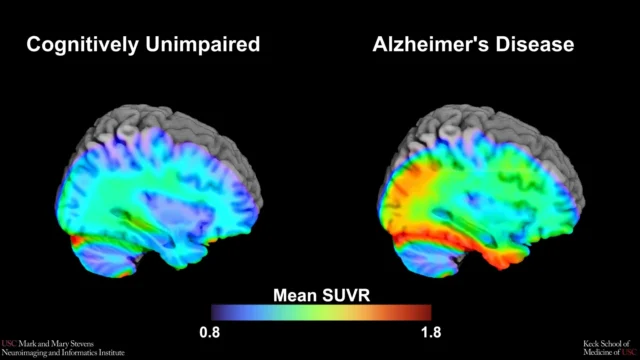

The findings represent a significant development in the understanding of neurodegenerative diseases, shifting focus toward the role of metabolic pathways in the brain. While glucosamine has long been marketed as a safe and effective remedy for osteoarthritis and joint health, these new data raise critical questions about its impact on the aging brain, particularly in populations already vulnerable to cognitive dysfunction.
Understanding the Scope of the Study and the Clinical Association
Mild cognitive impairment serves as a clinical middle ground between the expected cognitive decline of normal aging and the more serious symptoms of dementia. Individuals with MCI often struggle with measurable memory or thinking problems, though these issues do not yet prevent them from performing daily tasks. However, MCI is widely recognized as a high-risk precursor to Alzheimer’s disease.
The University of Florida (UF) research team, led by Ramon Sun, Ph.D., director of the Center for Advanced Spatial Biomolecule Research, utilized a multifaceted approach to investigate the relationship between glucosamine and cognitive health. The study began with a massive retrospective analysis of deidentified patient health records from UF Health, spanning the years 2012 to 2024. Leveraging artificial intelligence to sift through this extensive database, researchers focused on two primary cohorts: 1,896 individuals with a diagnosis of ADRD and 2,750 individuals with MCI.
In both groups, approximately 8% of the patients were documented as regular users of glucosamine. After adjusting for variables such as age, sex, and various demographic factors, the statistical analysis revealed a clear and concerning trend. Patients in the MCI group who took glucosamine progressed to a formal dementia diagnosis at a significantly higher rate than those who did not. Perhaps more striking was the mortality data; while glucosamine use did not appear to affect the lifespan of those in the MCI stage, it was associated with a higher risk of death for those whose dementia was already established.
The Biological Mechanism: Glucosamine and the Blood-Brain Barrier
To move beyond mere association and explore potential causation, the researchers investigated the biological pathways through which glucosamine interacts with brain tissue. Glucosamine is a naturally occurring amino sugar that serves as a building block for glycosaminoglycans, which are essential for cartilage repair. However, glucosamine is also capable of crossing the blood-brain barrier—the selective semipermeable membrane that protects the brain from potentially harmful substances in the blood.
Once inside the brain, glucosamine enters a metabolic pathway that facilitates the attachment of sugar structures to proteins, a process known as O-GlcNAcylation. While this process is a fundamental aspect of normal cellular biology—helping proteins fold correctly and travel to their intended destinations—the UF study found evidence that this system becomes pathologically overactive in the presence of Alzheimer’s disease.
"Proteins are the cell’s molecular machines," explained Matt Gentry, Ph.D., chair of UF’s Department of Biochemistry and Molecular Biology and a co-author of the study. "What we found in Alzheimer’s is that this sugar-tagging system appears to be overactive. The Alzheimer’s brain is adding too many of these sugar structures, and this seems to contribute to the disease rather than protect against it."
Experimental Evidence from Mouse Models and Human Tissue
The researchers validated their findings through controlled experiments using genetically modified mouse models of Alzheimer’s disease. When these mice were treated with glucosamine, they showed a marked increase in the attachment of sugar residues to intracellular proteins. This biochemical change coincided with a measurable decline in "social memory," or the ability of the animals to recognize and remember other mice.
In a pivotal phase of the experiment, the team applied a chemical treatment to suppress the excessive sugar-attachment process. The results were telling: the memory performance of the mice improved significantly. This suggests that the metabolic disruption caused by excessive glucosamine or overactive sugar tagging is a direct contributor to cognitive deficits, rather than a side effect of the disease.
The study also included the examination of human brain tissue provided by the UF Neuromedicine Brain and Tissue Bank. Stefan Prokop, M.D., and the research team compared specimens from deceased individuals who had Alzheimer’s with those from normal controls. The Alzheimer’s tissue exhibited the same pattern of excessive sugar attachment observed in the mouse models, reinforcing the hypothesis that metabolic dysfunction is a core component of the disease’s pathology in humans.
Contextualizing the Findings within Alzheimer’s Research
For decades, the primary focus of Alzheimer’s research has been the "amyloid hypothesis," which posits that the accumulation of amyloid-beta plaques and tau protein tangles is the main driver of neurodegeneration. While these features remain hallmarks of the disease, recent years have seen a shift toward exploring "secondary" factors such as inflammation, vascular health, and metabolism.
The UF study adds substantial weight to the argument that metabolic defects are not just consequences of Alzheimer’s but are active drivers of the disease. Ramon Sun noted that addressing these metabolic defects could provide a necessary complement to existing treatments that target plaques and tangles.
The timing of this research is particularly relevant given the aging population in the United States. Currently, an estimated 7 million Americans live with Alzheimer’s disease, and millions more are diagnosed with MCI. Glucosamine is one of the most widely consumed supplements among this demographic, often taken for years to manage the symptoms of osteoarthritis. If a common supplement is inadvertently accelerating a terminal neurodegenerative condition, the public health implications are vast.
Implications for Patients and the Medical Community
Despite the provocative nature of the data, the researchers urge caution. As a retrospective analysis and an experimental model study, the findings do not yet constitute a definitive medical recommendation to stop using glucosamine. The gold standard for such a determination would be a prospective, double-blind, placebo-controlled human clinical trial.
However, the "provocative" nature of the electronic health record data, as described by Dr. Gentry, necessitates a reevaluation of how physicians advise patients with early cognitive symptoms. Doctors may now need to consider a patient’s supplement regimen as part of a comprehensive strategy for managing MCI.
The study also highlights the utility of advanced spatial technology in modern medicine. By using tools developed in Sun’s laboratory, the team was able to map thousands of molecules and track how the body breaks down drugs and food at a granular level. This technology could eventually lead to the identification of new biomarkers for dementia, allowing for earlier intervention before significant cognitive loss occurs.
Chronology of the Research and Future Directions
The study represents the culmination of years of interdisciplinary work at the University of Florida, combining expertise from the McKnight Brain Institute, the Department of Biochemistry and Molecular Biology, and the Center for Advanced Spatial Biomolecule Research. The use of data from 2012 to 2024 allowed for a long-term view of patient outcomes, providing a level of statistical power that smaller studies often lack.
The next steps for the research team involve securing funding and institutional support for a human clinical trial. Such a trial would likely monitor MCI patients over several years, comparing cognitive outcomes between those taking glucosamine and those taking a placebo. Additionally, researchers hope to investigate whether other sugar-related supplements or dietary factors influence the same O-GlcNAcylation pathway.
In the broader context of neurodegeneration, the study serves as a reminder of the complexity of the brain’s internal environment. A substance that is beneficial for one part of the body, such as the cartilage in a knee joint, may have unintended and harmful effects on the delicate metabolic balance of the brain.
As the scientific community continues to unravel the mysteries of Alzheimer’s disease, this research provides a critical new lead. By identifying a specific metabolic pathway that is sensitive to a common supplement, the University of Florida team has opened a new door for potential therapeutic interventions aimed at slowing or even preventing the progression of one of the world’s most devastating diseases.