
The Foundation of CI Rehabilitation: Consistent Wear and Active Engagement
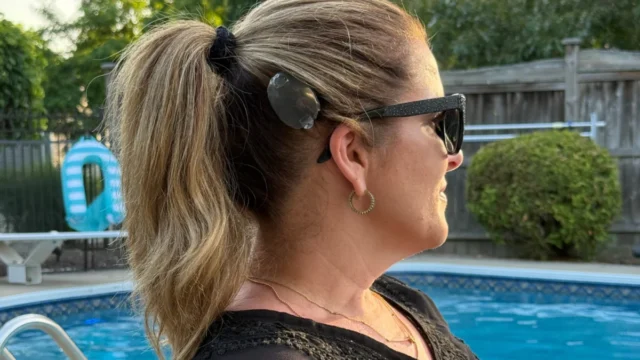
At the core of successful cochlear implant rehabilitation is the consistent and dedicated use of the audio processor. Experts universally stress that wearing the device as much as possible, ideally throughout waking hours, is paramount. This regular exposure to sound, even ambient noise, provides the brain with the necessary input to build new neural pathways and recognize the meaning of various auditory stimuli. The sounds of everyday life—the hum of a refrigerator, the chirping of birds, the murmur of background conversations—are not mere distractions but essential components of auditory learning.
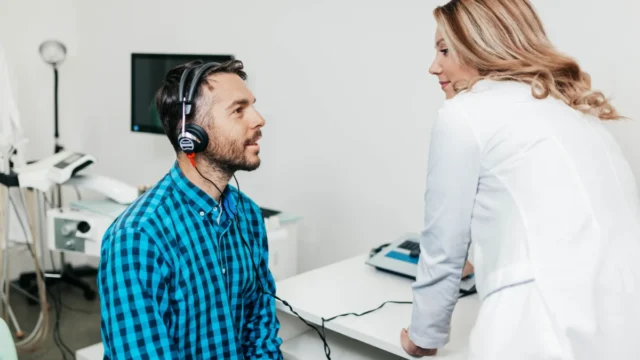
For individuals experiencing discomfort or difficulty with certain sounds, the recommended approach is not avoidance but open communication with their audiologist or hearing healthcare professional. Adjustments to the processor’s settings or a personalized rehabilitation plan can address these challenges, ensuring that consistent wear remains achievable. This consultative approach underscores the personalized nature of CI rehabilitation, recognizing that individual experiences and needs vary significantly.

Integrating Listening Practice into the Daily Fabric
Rehabilitation does not necessitate lengthy, dedicated training sessions. Instead, incorporating short, focused listening activities into established daily routines can be highly effective and manageable. These brief periods of concentration allow individuals to actively engage with their auditory environment and build listening stamina.
Examples of such activities include:
- Focused Listening: Dedicating a few minutes each day to actively listen to a specific sound source, such as a podcast, audiobook, or even the television. The goal is to consciously process the sounds and understand the content.
- Auditory Discrimination Tasks: Engaging in simple games or exercises that involve distinguishing between similar sounds or identifying the source of a sound.
- Following Narratives: Listening to spoken stories or news reports and attempting to recall key details or summarize the content.
- Music Appreciation: Actively listening to music, focusing on different instruments, melodies, or rhythms.
The key to these activities is a gradual increase in complexity. Starting with familiar sounds or readily accessible content, such as audiobooks with accompanying text or captioned videos, allows for a comfortable entry point. As confidence and auditory processing skills improve, users can progressively challenge themselves by reducing reliance on visual cues, such as turning off captions or listening to less familiar music. This systematic approach ensures continuous progress and prevents discouragement.
Leveraging Technology for Enhanced Rehabilitation

Modern technology offers powerful tools to supplement and structure cochlear implant rehabilitation. MED-EL, for instance, provides dedicated applications designed to assist users in their auditory training journey. The ReDi app, specifically developed for cochlear implant users, offers a structured environment for practicing auditory and speech skills. Its key features include:
- Auditory Training Exercises: A range of activities designed to improve sound identification, discrimination, and comprehension.
- Speech Perception Training: Exercises focused on understanding spoken language in various contexts and noise levels.
- Varied Difficulty Levels: Adaptable challenges that cater to individual progress, ensuring the exercises remain engaging and effective.
- Immediate Feedback: Instantaneous responses to user performance, allowing for real-time adjustments and reinforcement of learning.
These features empower users to engage in focused practice sessions independently, fitting them seamlessly into their daily schedules. The ability to progress at one’s own pace and receive immediate feedback is crucial for building confidence and motivation.
Beyond dedicated rehabilitation apps, other technological solutions can significantly enhance the listening experience and provide opportunities for practice. Meludia, for example, utilizes music-based exercises to help hearing implant users develop their auditory skills. This approach is particularly beneficial as it taps into a universally enjoyable medium. Meludia’s program offers a progressive learning curve, with levels ranging from "discovery" to "expert," making it accessible to individuals of all ages and musical backgrounds. By engaging with music through structured exercises, users can refine their ability to discern nuances in sound, rhythm, and melody, thereby enhancing their overall auditory perception.
Rediscovering Music: A Harmonious Path to Auditory Recovery
Music can present a unique challenge and a profound reward for cochlear implant recipients. The initial experience of music with a CI may differ significantly from pre-implantation memories. A recommended strategy to navigate this is to begin with songs that are deeply familiar. By repeatedly listening to beloved tunes, users can gradually retrain their brains to recognize the patterns and emotional resonance of music. The Hearpeers community, an online support network for hearing implant users, offers anecdotal evidence of this approach’s success. One member shared, "I listened over and over again until the song sounded like I remembered."
The process often involves actively focusing on a single familiar song. Initially, following along with the lyrics can aid comprehension. As auditory processing improves, the challenge can be increased by listening to the song without textual support. It is important for users to be patient with themselves during this process. The goal is not to replicate past auditory experiences exactly but to explore and appreciate the sounds as they are now perceived, allowing for a new and evolving relationship with music.
Navigating Challenging Listening Environments with Assistive Technology
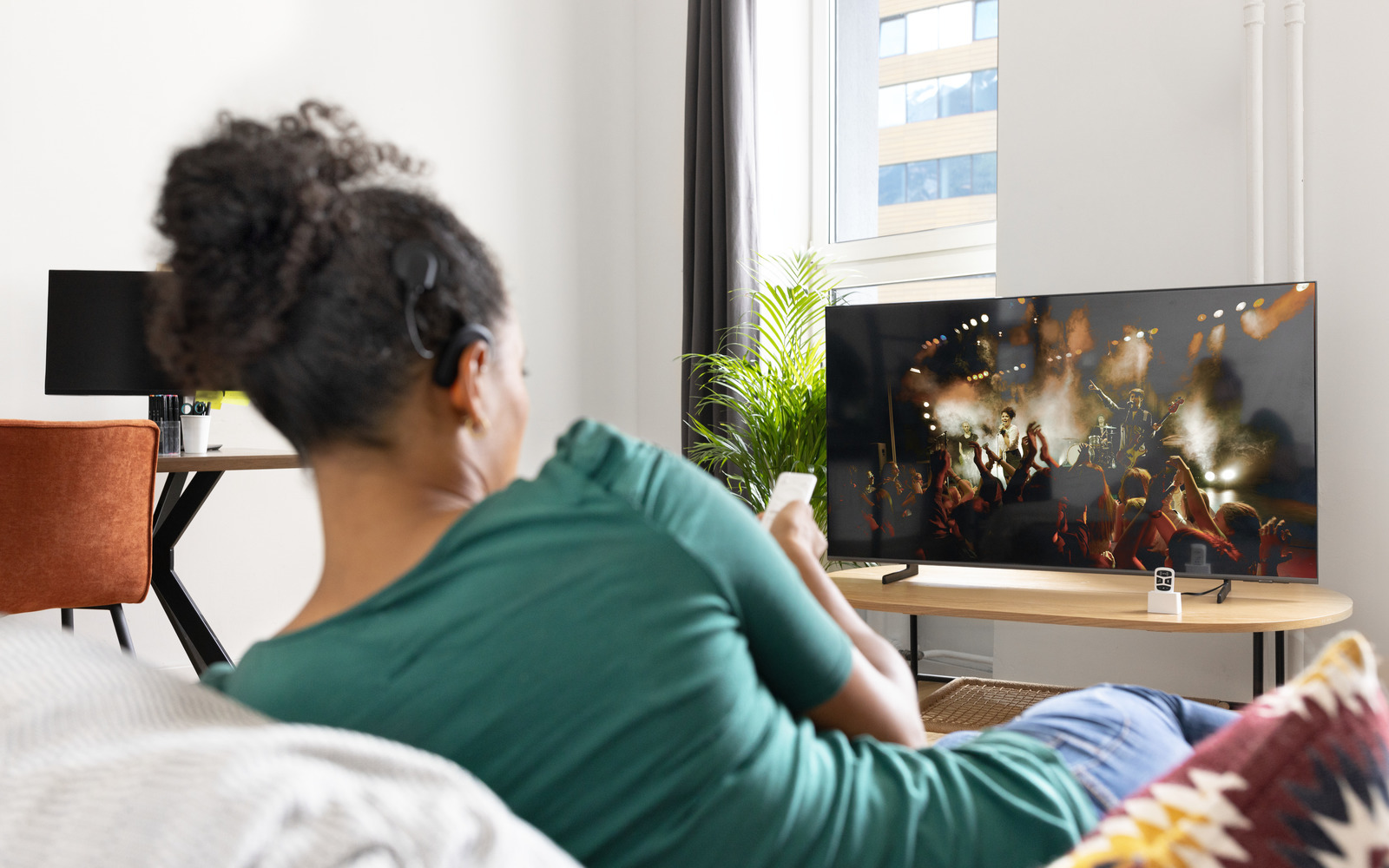
Certain listening situations, such as conversations in noisy restaurants, understanding television programs, or engaging in phone calls, can be more demanding for CI users. To mitigate these challenges, assistive listening technology plays a crucial role. Devices like MED-EL’s AudioLink XT and AudioStream Adapter can transmit sound directly from telephones, televisions, and other audio sources to the user’s audio processor. This direct audio streaming bypasses background noise, delivering a clear and enhanced auditory signal.
The AudioLink XT also functions as a remote microphone, which can be particularly useful in meetings or social gatherings. By placing the device closer to the speaker, it captures their voice more effectively, improving speech intelligibility even in moderately noisy environments. These technological solutions empower users to participate more fully in activities that might otherwise be overwhelming. It is essential for users to consult with their hearing professional to determine which connectivity options are compatible with their specific audio processor and best suit their individual needs and lifestyle.
The Art of Communication: Strategies for Success
Effective communication with a cochlear implant involves more than just the ability to hear. The surrounding environment and the communication strategies employed by both the user and their communication partners significantly impact the success of an interaction. Recognizing that different situations necessitate different approaches is key.
Effective communication strategies include:
- Visual Cues: Paying attention to lip movements, facial expressions, and gestures of the speaker can provide crucial context.
- Minimizing Background Noise: Choosing quieter locations for conversations whenever possible.
- Ensuring Clear Line of Sight: Positioning oneself so that the speaker’s face is visible.
- Proactive Communication: Informing communication partners about hearing needs.
Being specific when a communication breakdown occurs is also vital. Instead of a general "I can’t hear you," users can be more precise by requesting, "Could you repeat the last sentence?" or "Could we move somewhere quieter?" Learning and consistently applying these communication strategies can transform challenging listening situations into more manageable and rewarding interactions, fostering greater independence and social engagement.
Personalized Rehabilitation: Finding What Fits Your Life
There is no one-size-fits-all approach to cochlear implant rehabilitation. The most effective daily routine is one that is tailored to the individual’s unique hearing goals, lifestyle, work commitments, family responsibilities, personal interests, and current listening abilities. The flexibility of modern rehabilitation tools and strategies means that listening practice can be integrated into virtually any aspect of daily life.
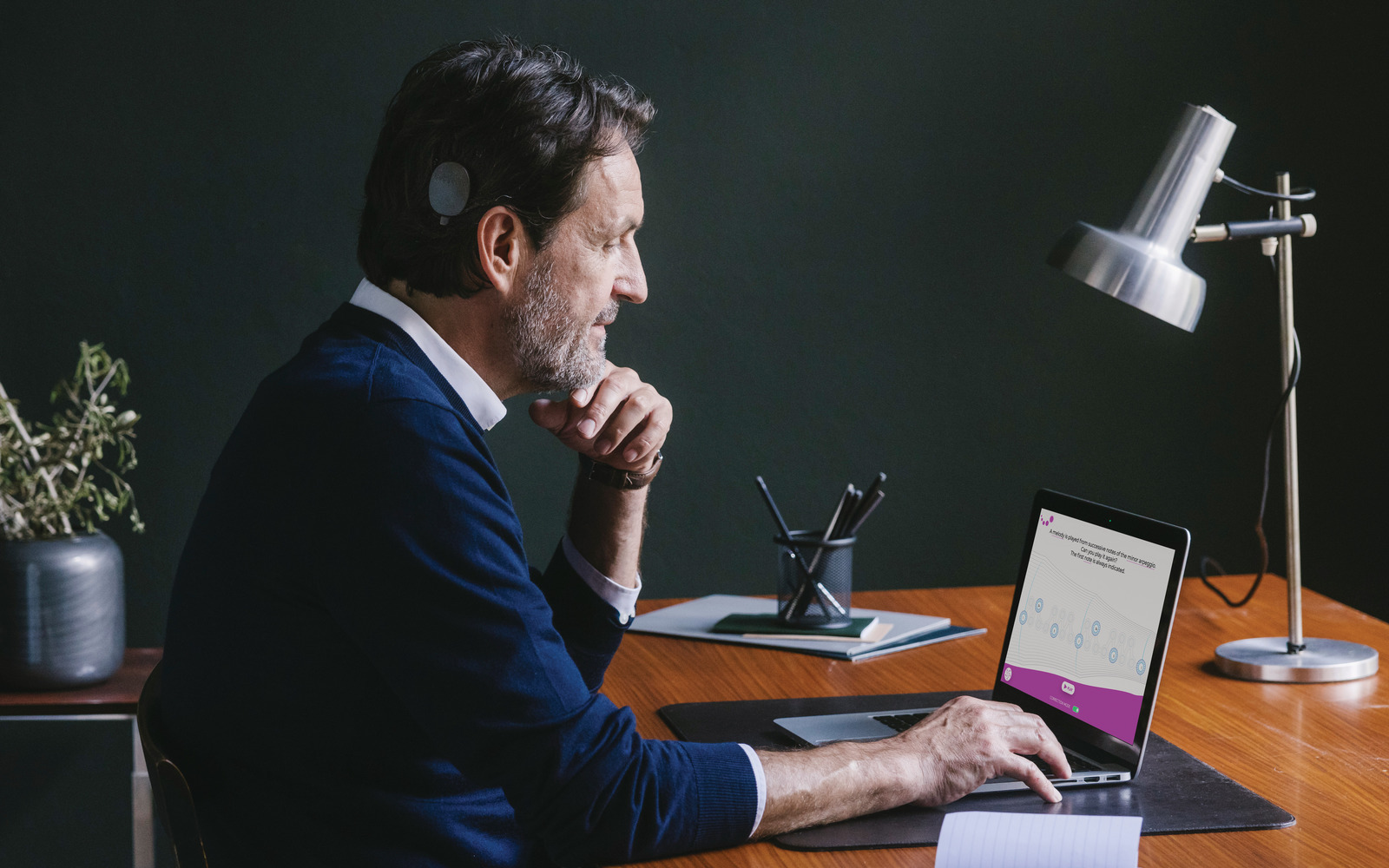
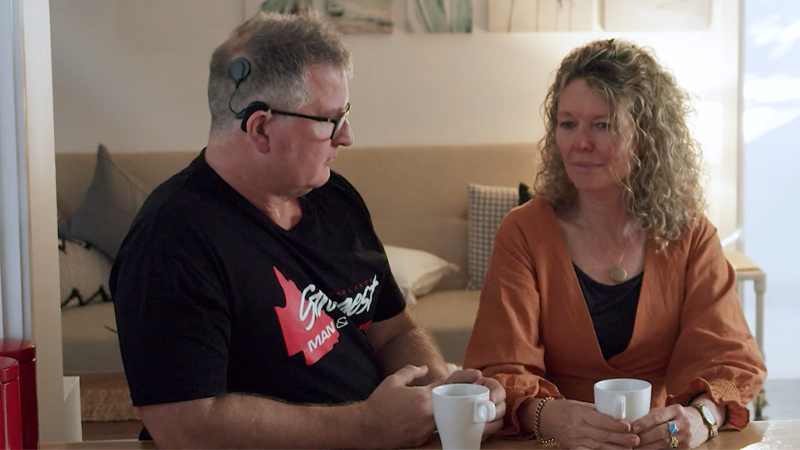
By consistently wearing their audio processor, utilizing assistive technologies, and proactively employing communication strategies, individuals can transform everyday experiences into valuable opportunities for auditory learning. Whether it’s a brief session with a rehabilitation app, an audiobook during a commute, a focused conversation over coffee, or rediscovering a cherished song, these moments collectively contribute to a richer and more fulfilling hearing journey.
For individuals seeking guidance on selecting appropriate listening activities and communication strategies, their hearing professional or rehabilitation specialist is an invaluable resource. They can provide personalized recommendations and support to ensure that the rehabilitation process aligns with individual needs and aspirations. For further information and support, individuals are encouraged to connect with their local MED-EL team. The ongoing advancements in cochlear implant technology and rehabilitation methodologies continue to empower individuals to achieve their full hearing potential and reintegrate more fully into the auditory world.