
The Medical Catalyst: A Life-Changing Diagnosis
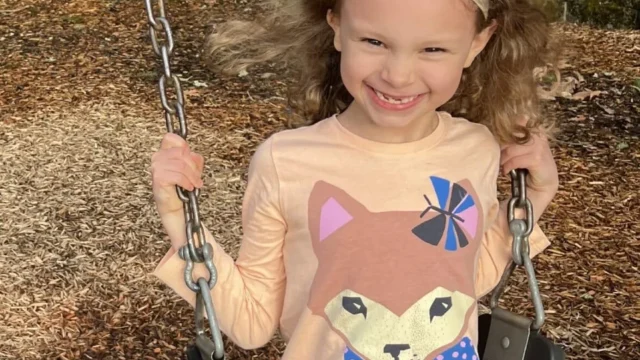
At 22 months of age, Buckingham’s life underwent a profound shift when she contracted pneumococcal meningitis. A severe bacterial infection, pneumococcal meningitis is known for its high risk of neurological and sensory complications. For Buckingham, the result was profound sensorineural hearing loss. In the mid-1990s, the medical landscape for such a diagnosis was vastly different than it is today. Pediatric cochlear implantation was in its relative infancy, and the protocols for post-operative rehabilitation were still being standardized across the United States.
In 1995, Buckingham became the first child at Seattle Children’s Hospital to receive a cochlear implant, a milestone that signaled a shift in how the medical community approached pediatric deafness. This surgical procedure, while groundbreaking, was only the first step in a complex journey toward linguistic and social integration. Following the initial surgery, she eventually received a second implant to achieve bilateral hearing, a development that significantly improved her ability to localize sound and function in complex auditory environments. Her ongoing audiological management, supported by specialists at the University of Washington Medical Center, has remained a constant throughout her life, ensuring her access to sound remains optimized as technology evolves.
A Foundation in Early Intervention
While the surgery provided the hardware for hearing, the software of communication was developed through her tenure at Listen and Talk. Joining the program in 1996, Buckingham became one of the organization’s earliest pre-K students. Under the guidance of founder Star Leonard-Fleckman and a dedicated team of specialists, she engaged in rigorous listening and spoken language (LSL) therapy.
The LSL approach emphasizes the use of technology to provide access to sound, followed by systematic, play-based training to build language skills. For a child like Buckingham, the program provided the necessary scaffolding to bridge the gap between biological hearing and cognitive language processing. By integrating these services into her daily life during her most critical developmental years, she built the confidence and communication proficiency that would later define her academic and professional pursuits.

Chronology of Success: From Education to Vocation
Buckingham’s educational path reflects the long-term success of early intervention models. Following her formative years at Listen and Talk, she attended Charles Wright Academy, a college preparatory school, where she navigated mainstream classroom environments. This transition is often the most significant test for students with hearing loss, as it requires the ability to advocate for one’s own needs while keeping pace with peers in complex social and academic settings.
In 2014, Buckingham graduated from Stetson University with a Bachelor’s degree in Family Business and a minor in Management. This academic achievement is statistically significant; studies in pediatric audiology have long indicated that children who receive early intervention and consistent support are significantly more likely to pursue higher education and enter the professional workforce than their counterparts who do not receive such resources.
Today, based in Middleton, Idaho, Buckingham has successfully merged her personal passion with her professional life. As an assistant horse trainer and riding instructor, she operates in an environment that requires acute non-verbal communication, situational awareness, and the ability to project authority—traits she credits to the foundational communication skills she developed as a child. Her role in the equine industry, which is both physically demanding and socially interactive, serves as a testament to her full integration into the workforce.
The Broader Impact: Data and Implications
Buckingham’s journey underscores the critical importance of the “early intervention window.” Research consistently shows that the human brain’s plasticity is at its peak in the first few years of life, making the period between birth and age three the most vital for auditory development. Programs like Listen and Talk utilize this window to ensure that children with hearing loss can develop language on a timeline comparable to their hearing peers.
The economic and social implications are substantial. By providing children with the tools to communicate effectively, these programs reduce the long-term costs associated with specialized educational support in later years and increase the likelihood of financial independence in adulthood. For the families involved, the support system provided by such organizations acts as a buffer against the stress of a child’s diagnosis, providing parents with the training to become their child’s primary advocate.
Expert Perspective: The Role of Community
Reflecting on her journey, Buckingham emphasizes that her success was not a solitary endeavor. She credits her parents’ unwavering commitment, the expertise of the medical teams at Seattle Children’s and UW Medicine, and the educational framework provided by Listen and Talk.
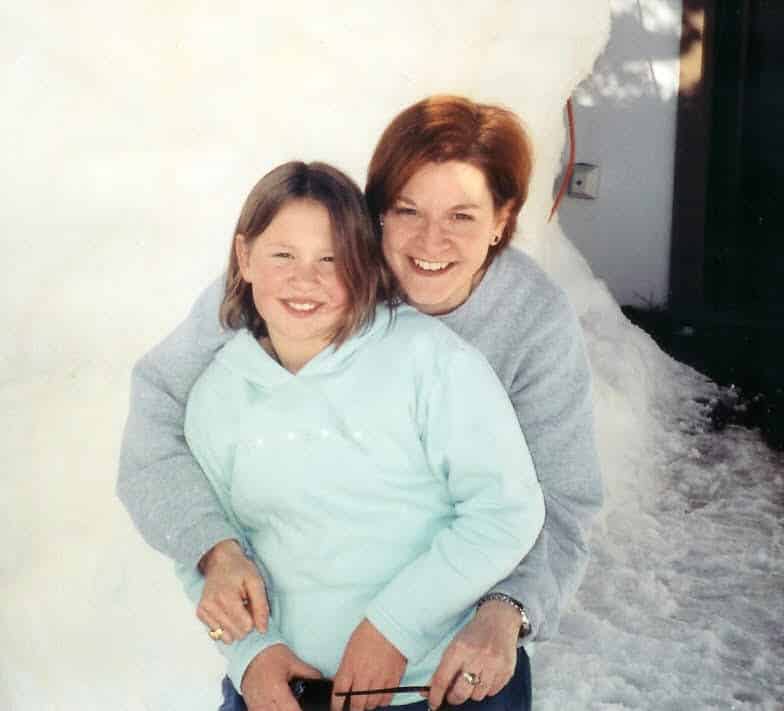
Her message to families navigating a new diagnosis is anchored in three principles: patience, persistence, and community engagement. She notes that while technology provides the ability to hear, it is the persistent work of daily therapy and the support of a community that allows a child to thrive. Her story serves as a counter-narrative to the idea that hearing loss is a definitive limitation. Instead, she argues that with the right support, the hearing impairment becomes merely one aspect of an individual’s identity, rather than a barrier to achievement.
Supporting the Next Generation: The Alumni Family Giving Campaign
The sustained success of programs like Listen and Talk is heavily dependent on the involvement of alumni. As the organization looks toward the future, it has launched its 2025 Alumni Family Giving Campaign to ensure that current and future students have access to the same resources that facilitated Buckingham’s trajectory.
The funding provided through this campaign is earmarked for critical services, including early intervention diagnostic testing, ongoing speech therapy, and, perhaps most importantly, parent education. Because the landscape of technology and teaching methodologies is constantly shifting, these funds allow organizations to stay at the cutting edge of pediatric care.
For many alumni, participating in this campaign is a method of closing the loop—giving back to the community that fostered their own independence. By contributing, former students are not merely donating to a school; they are investing in a vision where the diagnosis of hearing loss is mitigated by early, effective intervention, allowing each child the opportunity to live a life without perceived limits. As Buckingham’s life demonstrates, the investment in a child’s early development pays dividends for decades, shaping not only their own future but contributing to the diversity and capability of the broader workforce.
The success of the Listen and Talk model, as embodied by Jordan Buckingham, provides a clear roadmap for organizations and families alike: prioritize early detection, invest in professional support, and foster a community that values communication above all else. In doing so, the limitations historically associated with hearing loss are systematically dismantled, replaced by the realities of professional achievement and personal fulfillment.