Clinical Context and Historical Perspective
The medical definition of Microtia Atresia (MA) involves the structural malformation of the pinna (outer ear) and the auditory canal. For decades, the medical community frequently categorized unilateral hearing loss as a "mild" condition. Because the unaffected ear typically provides sufficient auditory input for basic communication, the clinical consensus often leaned toward a wait-and-see approach. However, contemporary research in pediatric audiology and neurology has dismantled this assumption.
Data from the American Speech-Language-Hearing Association (ASHA) and other pediatric health organizations indicate that children with UHL are at a significantly higher risk for academic and social struggles compared to their peers. In a classroom environment, where background noise and distance from a speaker are constant variables, the inability to binaurally process sound—a process known as spatial hearing—prevents the brain from effectively filtering out distractions. This results in "listening fatigue," a phenomenon where a child must exert excessive cognitive effort to decode speech, often leading to irritability, academic underperformance, and social withdrawal.
A Chronology of Advocacy and Intervention
The journey for families affected by MA often begins with an early diagnosis, sometimes as early as the neonatal hearing screening. For many families, the timeline is marked by a series of diagnostic hurdles. For example, a child may be diagnosed with a conductive hearing loss at five weeks, but the full extent of the structural bone fusion—where the middle ear bones are fused to the skull—might not be confirmed until years later.
Early intervention (EI) has become the gold standard in mitigating the long-term impact of MA. The developmental window from birth to age three is critical for neuroplasticity. During this period, the auditory pathways in the brain are most receptive to development. Programs like those offered by Listen and Talk serve as essential hubs where families transition from the initial shock of a diagnosis to a proactive model of care. By providing immediate access to audiologists, speech-language pathologists, and LSL specialists, these programs enable parents to become the primary advocates for their children.
The Mechanism of Listening and Spoken Language (LSL)
LSL education is an evidence-based practice that centers on the belief that children with hearing loss can learn to listen and talk with appropriate technology and consistent auditory-based therapy. Rather than relying solely on visual cues or sign language, the LSL framework encourages children to use their residual hearing—often augmented by bone-conduction hearing devices like a Ponto or similar osseointegrated systems—to acquire spoken language.
The methodology operates on three core principles:
- Optimization of the Auditory Environment: Reducing ambient noise and utilizing assistive technology to provide a clear, high-fidelity auditory signal to the child’s functioning ear.
- Auditory-First Strategies: Encouraging the child to rely on their listening skills as the primary mode of learning, which helps build the neural architecture required for complex language processing.
- Parental Coaching: Transforming parents into the primary therapists, ensuring that the "therapy" happens during daily life—at the grocery store, during bath time, and while playing—rather than being confined to a sterile clinical room.
Case Analysis: The Impact of Early Support
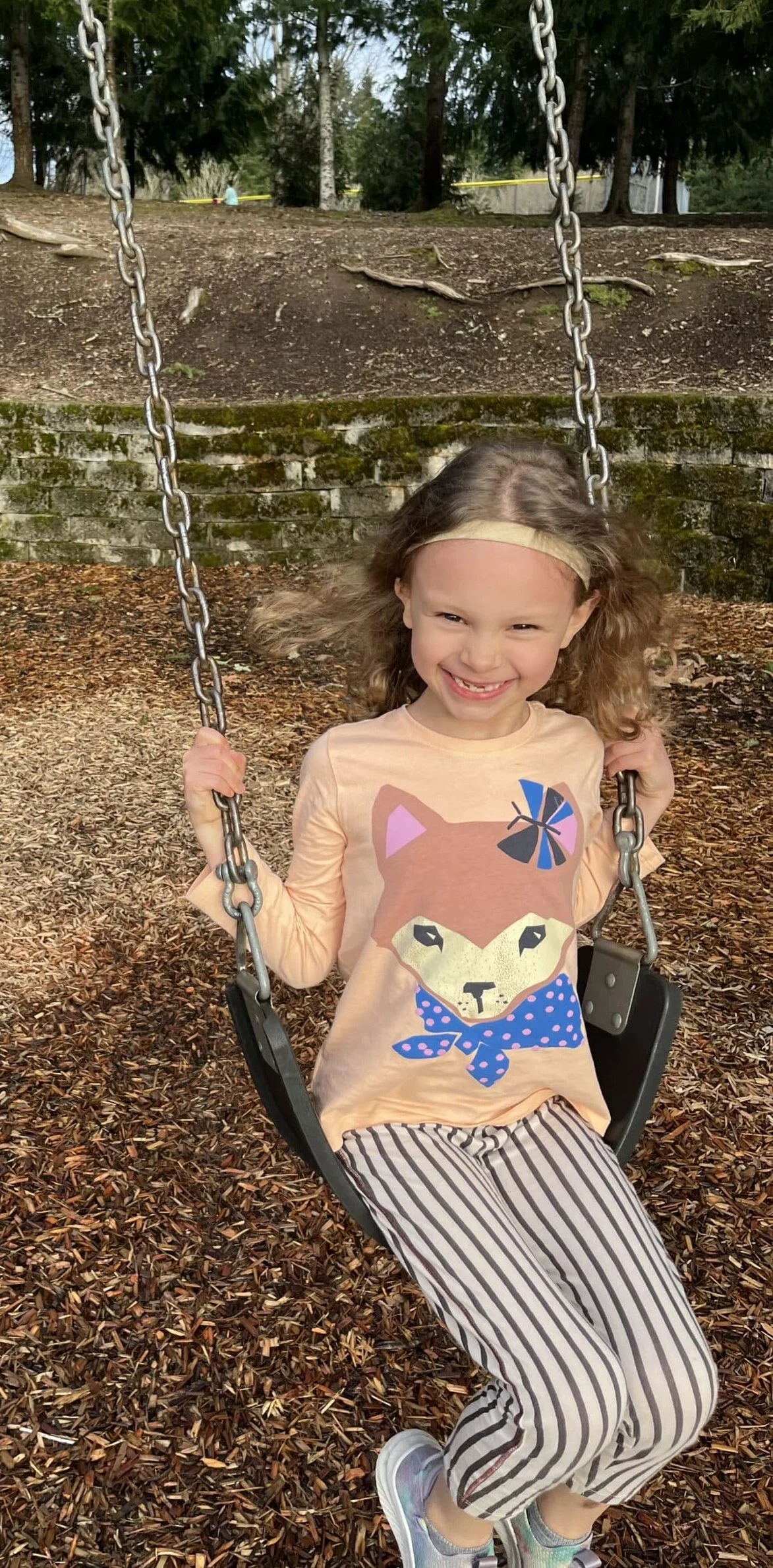
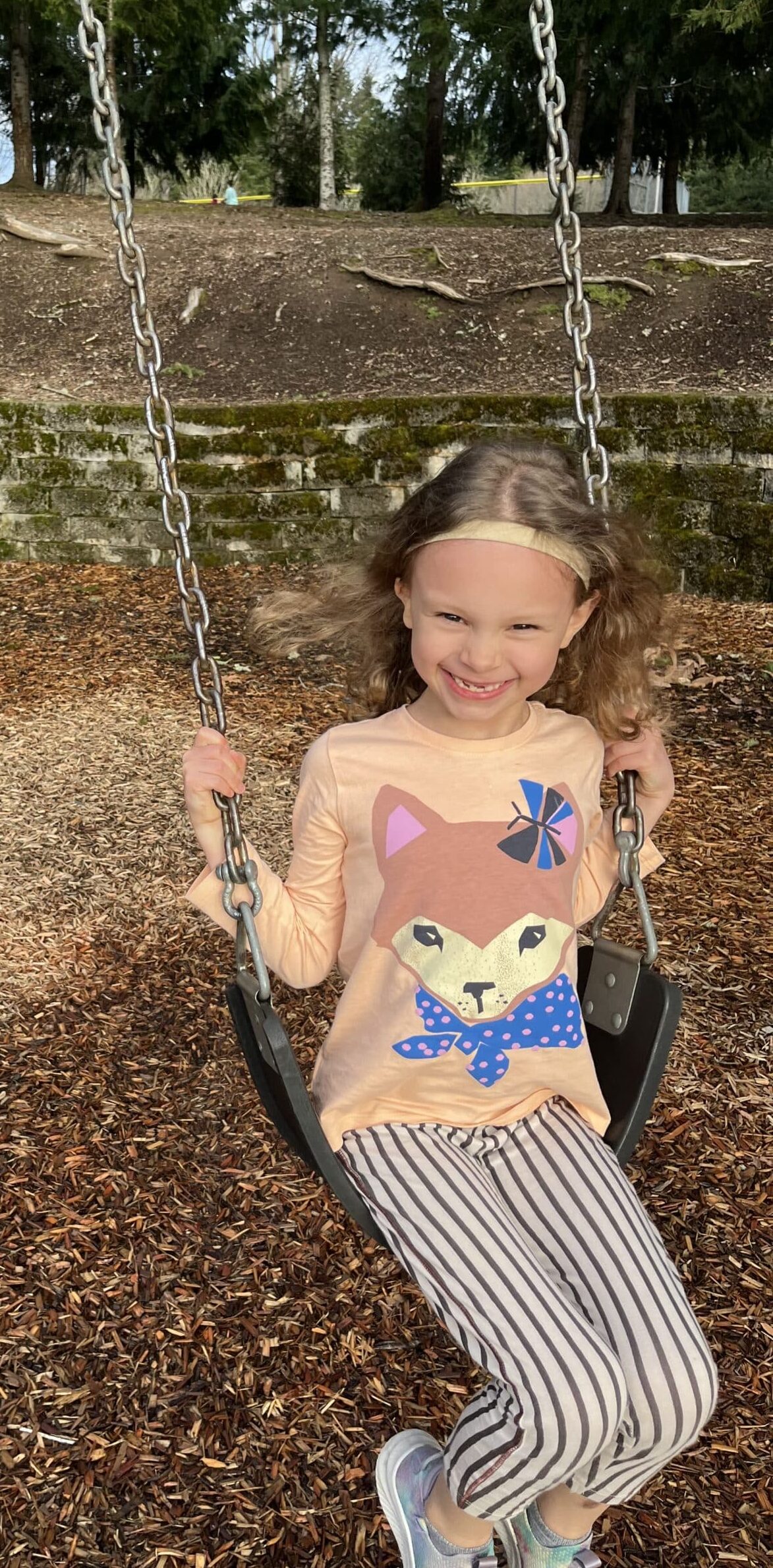
The narrative of Adeline, a young student who navigated the complexities of MA, underscores the importance of a structured support system. Following her diagnosis, her family faced the dual challenge of navigating the medical system to address her physical anatomy and the educational system to ensure her cognitive development.
According to her mother, Jessie, the transition from a passive recipient of medical advice to an active advocate was facilitated by early intervention. In the early years, the primary goal was ensuring Adeline could localize sound and feel confident in her ability to communicate. As she transitioned into the public school system, the focus shifted toward self-advocacy. By the time Adeline entered the first grade, she was not only keeping pace with her peers but actively participating in extracurriculars like choir—an environment that is notoriously difficult for individuals with single-sided deafness due to the acoustic complexity of choral music. This success is not an anomaly, but a documented outcome of sustained LSL support that builds both functional communication skills and psychological resilience.
Broader Implications for Public Health and Education
The economic and social implications of supporting children with MA are significant. When a child is provided with early, high-quality interventions, the long-term cost to society—in terms of special education services, potential mental health support, and lost productivity—decreases. However, the current landscape remains uneven. Many families still struggle to find local providers who are trained in the specific nuances of managing unilateral hearing loss.
The role of organizations such as Washington Hands and Voices and local LSL centers is to bridge this resource gap. By acting as navigators, these organizations help families parse through confusing insurance requirements, navigate the Individualized Education Program (IEP) process in schools, and connect with other families who have walked the same path.
Data and Future Trends
Recent advancements in bone-anchored hearing technology (BAHT) have further changed the prognosis for children with atresia. Modern devices are smaller, more discreet, and offer better sound quality than their predecessors. As these technologies become more accessible, the focus of the community is shifting toward "normalization"—ensuring that children with MA are not defined by their equipment.
Public awareness, therefore, serves a dual purpose. First, it educates the general public, reducing the stigma associated with hearing devices and physical differences. Second, it educates policymakers and school administrators about the specific needs of children with UHL. Simple accommodations, such as seating a student with UHL on the side of the room where their hearing ear is facing the teacher, can drastically reduce the cognitive burden on the student.
Conclusion: A Vision for the Future
The ultimate objective for organizations working within the field of pediatric hearing loss is the realization that "no child is limited by hearing loss." This vision requires a multi-faceted approach: high-quality clinical care, consistent educational support, and a robust community network.
As we observe National Microtia Atresia Awareness Day, the emphasis remains on the progress achieved by families and the professionals who support them. While the challenges of MA are unique and lifelong, they are not insurmountable. Through the application of LSL principles, the advocacy of informed parents, and the continued innovation in auditory technology, children with Microtia Atresia are increasingly finding their voices, building confidence, and thriving in both academic and social spheres. The commitment to this cause is not merely a philanthropic endeavor; it is an investment in the potential of every child to communicate, connect, and contribute to the world.