A Legacy Born from Tragedy
The necessity for rigorous, standardized chemical exposure guidelines was underscored by one of the darkest chapters in industrial history. In December 1984, a catastrophic gas leak at the Union Carbide pesticide plant in Bhopal, India, resulted in the release of over 40 tons of methyl isocyanate gas. The disaster, which exposed more than 500,000 people to toxic vapors and claimed thousands of lives, exposed a global deficit in emergency preparedness and clear communication regarding hazardous material thresholds.
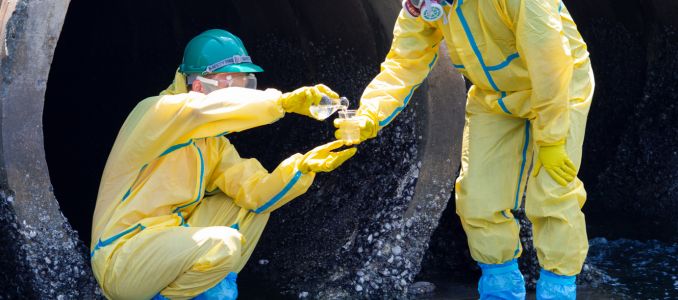
In the wake of this disaster, the scientific and industrial communities recognized that first responders and local officials required clear, understandable metrics to guide evacuation decisions, sheltering-in-place orders, and medical triage. The ERPG program was subsequently established to provide these essential benchmarks. For over four decades, these guidelines have served as the cornerstone for decision-making during accidental chemical releases, ensuring that planning is rooted in peer-reviewed science rather than conjecture.
Understanding the ERPG Framework
At the heart of the new AIHA resource are the ERPG values, which categorize chemical exposure into three distinct levels of severity, providing a framework for emergency planners to estimate the potential health impacts on surrounding populations.
- ERPG-1: The maximum airborne concentration below which it is believed that nearly all individuals could be exposed for up to one hour without experiencing more than mild, transient adverse health effects or perceiving a clearly defined, objectionable odor.
- ERPG-2: The maximum airborne concentration below which it is believed that nearly all individuals could be exposed for up to one hour without experiencing or developing irreversible or other serious health effects or symptoms which could impair an individual’s ability to take protective action.
- ERPG-3: The maximum airborne concentration below which it is believed that nearly all individuals could be exposed for up to one hour without experiencing or developing life-threatening health effects.
The newly launched online portal does more than simply list these values; it provides the robust technical documentation that underpins them. This includes comprehensive details on how the values were derived, the specific toxicological studies relied upon, and the inherent uncertainties involved in extrapolating laboratory data to community-wide exposure scenarios.

Strengthening the Response Chain
A critical component of this initiative is the introduction of a new, free training module developed in collaboration with TRANSCAER (Transportation Community Awareness and Emergency Response), a national outreach program dedicated to the safe transport of hazardous materials.
The 90-minute course is specifically designed to demystify the application of ERPG values. For a local fire chief or an industrial safety officer, the difference between a minor spill and a mass-casualty event often comes down to the speed and accuracy of their initial assessment. The training provides a step-by-step methodology for integrating these guidelines into existing Emergency Operations Plans (EOPs). By moving beyond static PDFs and into an interactive educational format, the AIHA and TRANSCAER are ensuring that the theoretical work of toxicologists can be effectively operationalized in the field.
Current Revisions and Scientific Evolution
The chemical industry is not static, and neither are the guidelines that govern its safety. The AIHA Guideline Foundation maintains a rigorous process for reviewing and updating ERPG values as new toxicological data emerges. Currently, the foundation has opened a public comment period for five revised guidelines and one entirely new proposal, reflecting a commitment to ongoing improvement.

The proposed revisions cover a diverse range of industrial chemicals:
- 1-hexene: Often used in the production of high-density polyethylene.
- Acetic anhydride: A critical reagent in the synthesis of pharmaceuticals and plastics.
- Acrylonitrile: A key building block for synthetic fibers and rubbers.
- n-butyl acrylate: Used in the production of resins and adhesives.
- Fluorosulfonic acid: A highly corrosive substance used in various chemical synthesis processes.
Additionally, a new guideline is being proposed for methyl methacrylate, a monomer essential to the production of transparent plastics like acrylic. These updates are vital, as they incorporate the latest longitudinal health studies and refined risk assessment models that were unavailable when the original guidelines were drafted.
The Broader Impact on Public and Worker Safety
The integration of these resources into the national emergency response infrastructure has profound implications. In the United States, thousands of facilities handle hazardous materials daily, and the transportation of these substances via rail, truck, and pipeline creates a constant, albeit managed, risk to surrounding communities.

"The goal is to provide a common language for safety," noted a spokesperson close to the project. "When a plant manager, a local hazmat team, and a public health official all understand the same ERPG thresholds, the decision-making process becomes faster and more effective."
Beyond the immediate tactical utility, the availability of these resources promotes a culture of transparency. By making technical documentation accessible to the public, the AIHA is helping to foster trust between industrial facilities and the communities they serve. When citizens understand that there is a science-based plan in place to protect them from potential exposure, it reduces the panic and misinformation that often accompany industrial incidents.
Future Outlook: Technology and Integration
While the current rollout focuses on accessible online modules and documentation, the trajectory of this project points toward further integration with emerging technologies. As artificial intelligence and predictive modeling become more prevalent in industrial hygiene, the role of standardized data sets like the ERPGs will only grow in importance.

Current industry discussions are already exploring how these exposure values can be integrated into real-time air monitoring systems. Imagine a scenario where sensors located on the perimeter of a chemical facility feed data into an AI-driven platform. If a release occurs, the system could automatically compare ambient concentrations against the relevant ERPG values and trigger pre-configured emergency protocols. This would represent the next evolution in the legacy of the Bhopal response—moving from reactive, manual planning to proactive, automated protection.
Conclusion and How to Engage
The AIHA Guideline Foundation’s latest initiative is a testament to the ongoing importance of industrial hygiene in protecting human health. By digitizing and democratizing access to chemical exposure data, the organization is ensuring that the lessons of the past continue to serve the safety of the future.
Safety professionals, emergency managers, and interested stakeholders are encouraged to visit the official AIHA Guideline Foundation website to review the proposed guidelines, participate in the public comment period, and enroll in the TRANSCAER-supported training modules. Participation in the comment process is particularly critical, as it allows the Foundation to account for diverse operational environments, ensuring that the guidelines remain both scientifically sound and practically applicable for everyone from large-scale manufacturers to local volunteer fire departments.

As the industrial landscape continues to evolve with new chemical processes and materials, the foundational work of organizations like the AIHA remains the bedrock upon which safe operations and resilient communities are built. Through continued scientific inquiry, transparent data sharing, and comprehensive training, the risk posed by hazardous materials can be effectively managed, ensuring that the safety of the workforce and the public remains the highest priority in the modern industrial era.