
The Critical Distinction: Cochlear vs. Retrocochlear Hearing Loss
The fundamental difference between cochlear and retrocochlear hearing loss lies in the anatomical location of the impairment. Cochlear hearing loss originates within the cochlea, the spiral-shaped organ in the inner ear responsible for converting mechanical vibrations into electrical signals. Damage to the hair cells or other structures within the cochlea can result in a reduced ability to detect sound or perceive its clarity.
In contrast, retrocochlear hearing loss arises after the auditory signal has been processed by the cochlea. The primary structures affected are the auditory nerve (also known as the cochlear nerve or cranial nerve VIII) and the initial neural pathways in the brainstem that process auditory information. This means that while the inner ear may be functioning adequately, the message is distorted or incomplete as it travels along these neural highways to the brain. The term "retrocochlear" itself signifies "behind the cochlea," underscoring this critical anatomical distinction.

This distinction is not merely academic; it carries significant implications for diagnosis and treatment. The diagnostic approach for retrocochlear conditions often requires a more in-depth investigation to pinpoint the specific neurological or neural pathway issue, differentiating it from more common cochlear-based hearing losses.
Unveiling the Symptoms: More Than Just Muffled Sound
The symptoms of retrocochlear hearing loss can be varied and sometimes subtle, often leading to delayed diagnosis. While a general reduction in hearing volume might be present, the hallmark of retrocochlear impairment frequently lies in the clarity of sound perception and the ability to understand speech.
Key symptoms may include:
- Unilateral or Asymmetric Hearing Loss: A noticeable difference in hearing ability between the two ears, often affecting one ear more severely than the other.
- Difficulty Understanding Speech: This is a particularly prominent symptom. Individuals may report that while sounds are audible, words and conversations remain unclear, especially in noisy environments. This difficulty can be disproportionately greater than what might be expected based on pure-tone hearing thresholds.
- Tinnitus: The perception of ringing, buzzing, or other phantom sounds in the ears, which can be persistent and bothersome.
- Dizziness or Balance Problems: The auditory nerve also plays a role in balance. Therefore, retrocochlear issues can manifest as vertigo, unsteadiness, or a general feeling of imbalance.
- Facial Numbness or Weakness: In cases where a retrocochlear pathology, such as a tumor, is pressing on nearby nerves, individuals might experience numbness, tingling, or weakness in the face.
- Aural Fullness: A sensation of pressure or fullness in the ear.
The subjective experience of retrocochlear hearing loss can be deeply frustrating. A person might hear a conversation, but the individual words blend together, making it impossible to follow the dialogue. This "muddled" perception is a significant indicator that the problem extends beyond the cochlea’s ability to detect sound.

Illuminating the Causes: A Spectrum of Neurological Influences
Retrocochlear hearing loss is not attributed to a single cause but rather a spectrum of conditions that can affect the auditory nerve or the brain’s auditory processing centers. While often associated with tumors, this is not the sole culprit.
Common causes include:
- Tumors: Vestibular schwannomas, benign (non-cancerous) tumors that arise from the Schwann cells of the auditory nerve, are among the most recognized causes of retrocochlear hearing loss. These tumors can grow slowly, compressing the nerve and disrupting signal transmission. Other less common tumors affecting the cerebellopontine angle can also lead to retrocochlear impairment.
- Multiple Sclerosis (MS): This chronic, progressive disease of the central nervous system can demyelinate nerve fibers, including those in the auditory pathways. This disruption in nerve signal conduction can lead to auditory processing deficits and hearing loss.
- Neurodegenerative Disorders: Conditions that affect the progressive breakdown of nerve cells can impact the auditory system. This includes disorders like Auditory Neuropathy Spectrum Disorder (ANSD), where the cochlea may function normally, but the auditory nerve and brainstem struggle to process the signals. Hereditary neuropathies can also play a role, affecting how sound information is processed even if detected.
- Vascular Conditions: Problems with blood vessels supplying the auditory nerve or brainstem, such as strokes or transient ischemic attacks (TIAs), can cause sudden or progressive retrocochlear hearing loss.
- Inflammatory or Infectious Conditions: Inflammation of the nerves or infections affecting the central nervous system can also damage auditory pathways.
- Trauma: Head injuries that affect the auditory nerve or brainstem can result in retrocochlear hearing loss.
- Congenital Malformations: In some cases, abnormalities in the development of the auditory nerve or brainstem present from birth can lead to retrocochlear hearing impairments.
It is crucial to recognize that the diversity of these causes necessitates a thorough medical evaluation to identify the specific underlying issue, as treatment strategies will vary significantly.
The Diagnostic Journey: Unraveling the Neural Enigma
Diagnosing retrocochlear hearing loss is a multi-faceted process that goes beyond standard audiometric testing. While initial hearing assessments provide valuable baseline information, they are often complemented by specialized tests designed to evaluate the integrity of the auditory nerve and its pathways.
The diagnostic pathway typically involves:
- Comprehensive Audiological Evaluation: This includes pure-tone audiometry to determine the degree and type of hearing loss, as well as speech audiometry to assess how well individuals can understand spoken words at various volumes. A significant discrepancy between pure-tone thresholds and speech understanding scores can be a red flag for retrocochlear involvement.
- Speech Discrimination Testing: This specialized test quantifies the ability to distinguish between different speech sounds. Poor performance, particularly in quiet environments, can indicate a problem with neural processing rather than just loudness perception.
- Auditory Brainstem Response (ABR) Testing: This electrophysiological test measures the electrical activity in the auditory nerve and brainstem in response to sound stimuli. It provides objective data on the speed and integrity of neural signal transmission. Abnormalities in the ABR waveform, such as delayed latencies or absent responses, are highly suggestive of retrocochlear pathology.
- Otoacoustic Emissions (OAEs): While OAEs primarily assess the function of the outer hair cells in the cochlea, they can sometimes be used in conjunction with other tests. Normal OAEs in the presence of poor speech understanding might point towards a retrocochlear issue.
- Imaging Studies (MRI): Magnetic Resonance Imaging (MRI) is often a critical tool in diagnosing retrocochlear hearing loss, especially when a tumor is suspected. MRI provides detailed images of the auditory nerve, brainstem, and surrounding structures, allowing for the identification of growths, lesions, or other abnormalities. A contrast agent is often used to enhance the visibility of tumors and other pathologies.
- Vestibular Function Tests: Given the involvement of the auditory nerve in balance, tests assessing vestibular function may be conducted if dizziness or balance issues are prominent symptoms.
The Audiogram’s Clues: A Piece of the Puzzle
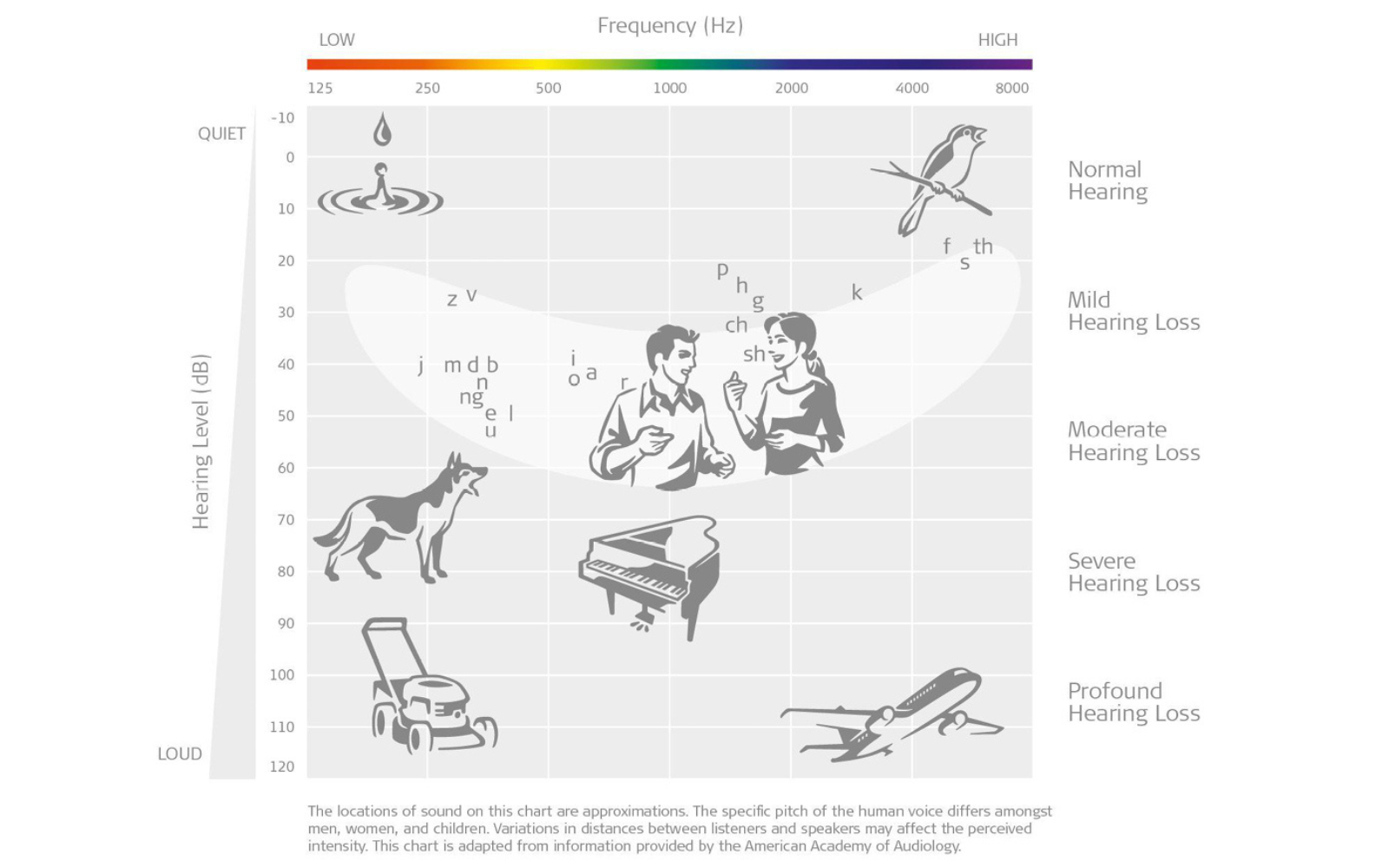
An audiogram, a graphical representation of a person’s hearing ability, can offer valuable clues but rarely provides a definitive diagnosis of retrocochlear hearing loss on its own. There is no single audiogram pattern that exclusively points to this condition. However, certain findings can raise suspicion and warrant further investigation:
- Asymmetry: A significant difference in hearing thresholds between the two ears (e.g., a difference of 15 dB or more at multiple frequencies) is a key indicator that may prompt further evaluation for retrocochlear pathology.
- Unilateral Hearing Loss: Complete loss of hearing in one ear can be a symptom of a retrocochlear issue, particularly a vestibular schwannoma.
- Poor Speech Understanding Relative to Pure-Tone Thresholds: If an individual’s ability to understand speech is significantly poorer than what their pure-tone audiogram would suggest, it strongly indicates a problem with neural processing. For instance, someone might have mild hearing loss on an audiogram but struggle immensely to understand conversations.
- Rolling Tympanometry: This test measures the mobility of the eardrum and middle ear. While primarily used for middle ear assessment, certain patterns might indirectly provide information when considered with other findings.
It is imperative that audiogram findings are interpreted within the broader clinical context, alongside a thorough medical history and the results of other diagnostic tests.
Treatment Strategies: Tailored to the Cause
The management of retrocochlear hearing loss is highly individualized, with treatment plans dictated by the specific underlying cause. Unlike some forms of cochlear hearing loss where hearing aids might be a primary solution, retrocochlear interventions often address the root pathology or aim to bypass the compromised neural pathways.
Potential treatment options include:
- Medical or Surgical Intervention for Underlying Causes:
- Tumors: If a vestibular schwannoma or other tumor is identified, treatment options may include observation (for very small tumors), radiation therapy, or surgical removal. The choice depends on the tumor’s size, location, growth rate, and the patient’s overall health and hearing status.
- Neurological Conditions: For conditions like Multiple Sclerosis, treatment focuses on managing the disease itself with medications to reduce inflammation and slow progression.
- Hearing Rehabilitation:
- Hearing Aids: In some cases of mild to moderate retrocochlear hearing loss, especially when the primary issue is signal clarity rather than pure loss of hearing sensitivity, specialized hearing aids might offer some benefit. However, their effectiveness is often limited if the auditory nerve is severely damaged.
- Assistive Listening Devices (ALDs): These devices, such as FM systems or personal amplifiers, can help improve speech understanding in specific listening situations by bringing the sound source closer to the listener.
- Implantable Hearing Solutions:
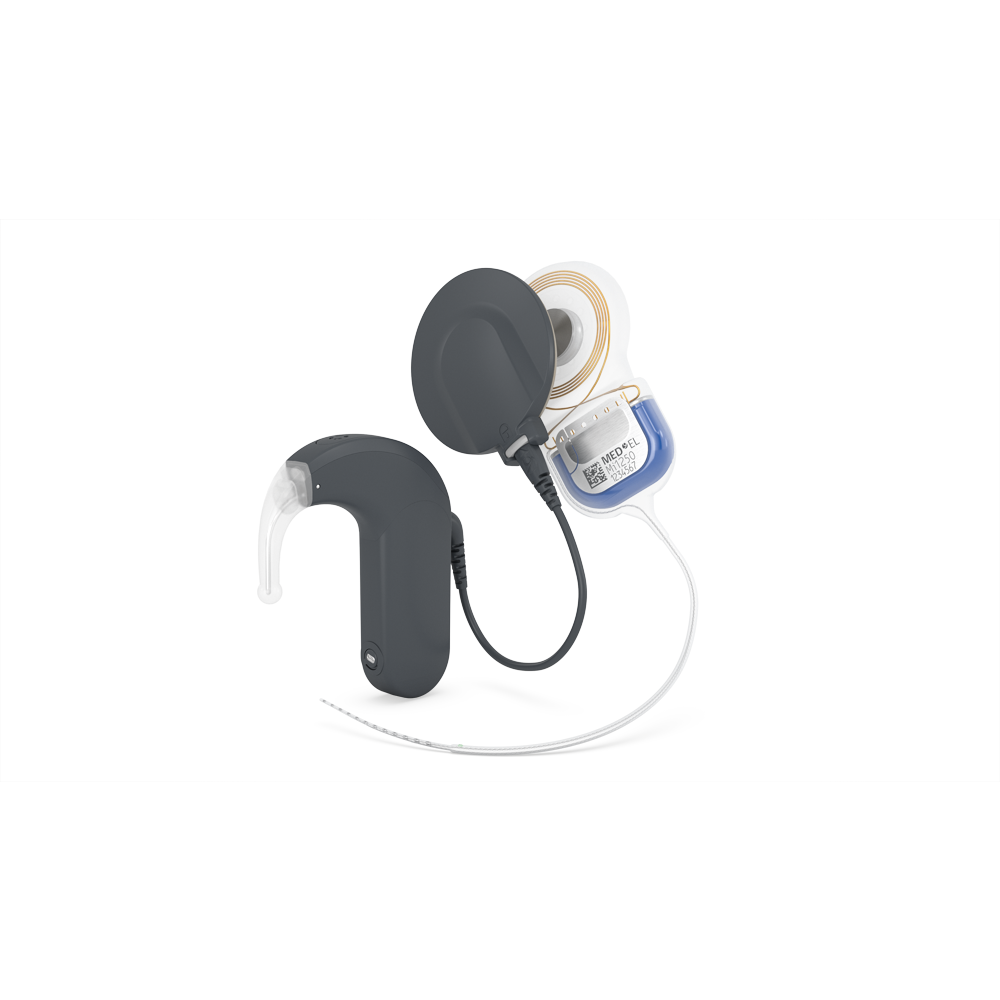
- Cochlear Implants: For individuals with severe to profound sensorineural hearing loss where hearing aids are no longer effective, cochlear implants may be considered. These devices bypass the damaged parts of the inner ear and directly stimulate the auditory nerve. However, the success of cochlear implantation in retrocochlear hearing loss can depend heavily on the condition of the auditory nerve itself.
- Auditory Brainstem Implants (ABIs): In cases where the auditory nerve is severely damaged or absent (e.g., in some patients with neurofibromatosis type 2), an Auditory Brainstem Implant (ABI) may be an option. The ABI directly stimulates the cochlear nuclei in the brainstem, bypassing both the cochlea and the auditory nerve. These are complex procedures with specific indications and are typically considered when cochlear implantation is not feasible.
- Speech Therapy and Auditory Training: These therapies can help individuals develop strategies to improve speech understanding and cope with auditory processing difficulties.
The decision-making process for treatment involves a multidisciplinary team, including audiologists, ENTs (otolaryngologists), neurotologists, and neurologists, to ensure the most appropriate and effective plan is implemented.
When to Seek Professional Guidance
Prompt medical attention is crucial for any changes in hearing or associated symptoms. Individuals should consult a doctor or hearing specialist if they experience:
- Sudden onset of hearing loss in one or both ears.
- Noticeable asymmetry in hearing between the ears.
- Persistent tinnitus, especially if it is unilateral or accompanied by other symptoms.
- Unexplained dizziness or balance problems.
- Difficulty understanding speech, particularly in noisy environments.
- Any new neurological symptoms, such as facial numbness or weakness, in conjunction with hearing changes.
Early diagnosis is key to identifying the underlying cause of retrocochlear hearing loss, which can range from a treatable condition to a more serious neurological issue. Timely intervention can significantly impact the prognosis and the effectiveness of management strategies.

The Broader Implications: Navigating Life with Retrocochlear Impairment
Retrocochlear hearing loss presents unique challenges that can profoundly affect an individual’s daily life, social interactions, and overall well-being. The inability to clearly understand speech can lead to social isolation, communication breakdowns, and a diminished sense of confidence. The presence of tinnitus and dizziness can further impact quality of life, affecting concentration, sleep, and the ability to engage in everyday activities.
The implications extend to the workforce, where clear communication is often essential for job performance and safety. Furthermore, the psychological toll of living with an often invisible and misunderstood condition can be significant, underscoring the importance of comprehensive patient support and education.
As medical science advances, diagnostic capabilities continue to improve, leading to earlier and more accurate identification of retrocochlear pathologies. Research into novel therapeutic approaches, including more sophisticated implantable technologies and neuro-regenerative strategies, holds promise for enhancing the lives of those affected by these complex auditory impairments. The journey from recognizing symptoms to achieving optimal management is one that requires collaboration between patients, healthcare professionals, and ongoing scientific innovation.