Background and Context: The Global AAC Gap
Augmentative and Alternative Communication encompasses a wide range of strategies and tools used to support individuals with complex communication needs—those who cannot rely on speech alone to express their thoughts, needs, or emotions. According to data from the World Health Organization (WHO), more than one billion people worldwide live with some form of disability, a significant portion of whom experience speech, language, or communication impairments. Despite the prevalence of these needs, access to high-quality information remains uneven.
In many Spanish-speaking regions, families and service providers often struggle to find centralized, reliable resources that explain the rights of individuals with communication disorders and the practical implementation of AAC devices. The collaboration between ISAAC Brazil and Fiocruz was born out of a necessity to bridge this knowledge gap. By leveraging the clinical expertise of Fiocruz—a premier public health research institution—and the global networking capabilities of ISAAC, the resulting guide represents a milestone in clinical documentation for non-verbal communication.
Chronology of Development and Translation
The project underwent a rigorous development phase to ensure that the content was not only scientifically accurate but also culturally responsive.
- Initial Research Phase (2024–2025): Experts from Fiocruz and ISAAC Brazil conducted a needs assessment to identify the most common barriers to AAC adoption. They found that lack of training for caregivers and misconceptions about the "readiness" of a patient were the primary obstacles to successful intervention.
- Drafting and Peer Review (Late 2025): The original Portuguese edition was drafted, featuring contributions from speech-language pathologists, occupational therapists, and actual users of AAC systems. This inclusion of user perspectives ensured that the guide remained practical rather than merely theoretical.
- Translation and Cultural Adaptation (Q1 2026): Recognizing the high demand in Latin America and Spain, the translation project began. The team prioritized the localization of terminology to ensure that the Spanish version was applicable across diverse regional dialects.
- Formal Launch (April 2026): The guide was officially released to the public, supported by dissemination efforts through the ISAAC Spanish network to ensure the document reached schools, clinics, and advocacy groups.
Core Content and Clinical Foundations
The guide is structured to move readers from basic conceptual understanding to advanced implementation strategies. It addresses several fundamental pillars of communication support:
- Rights-Based Framework: The document situates communication as a fundamental human right. It outlines the legal responsibilities of institutions to provide assistive technology to those who require it, aligning with the United Nations Convention on the Rights of Persons with Disabilities.
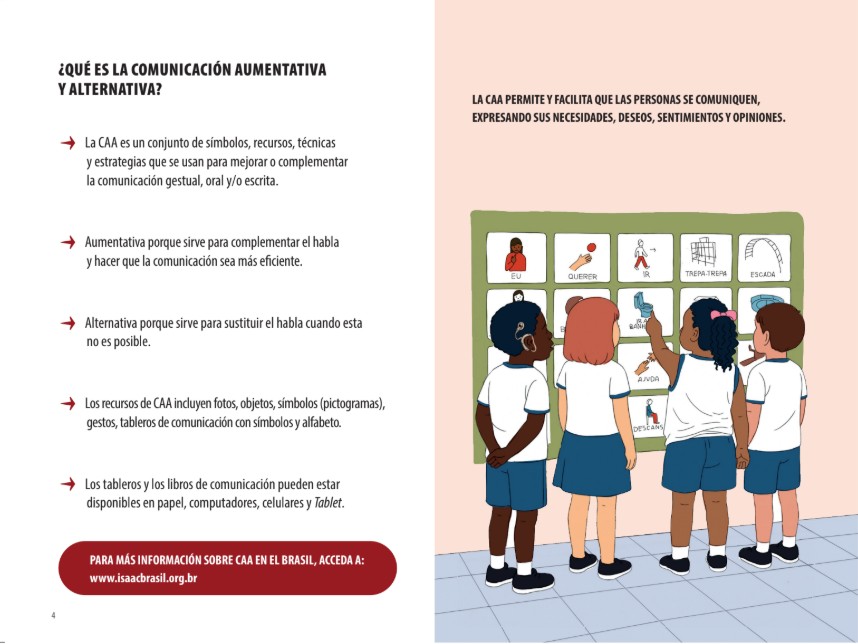
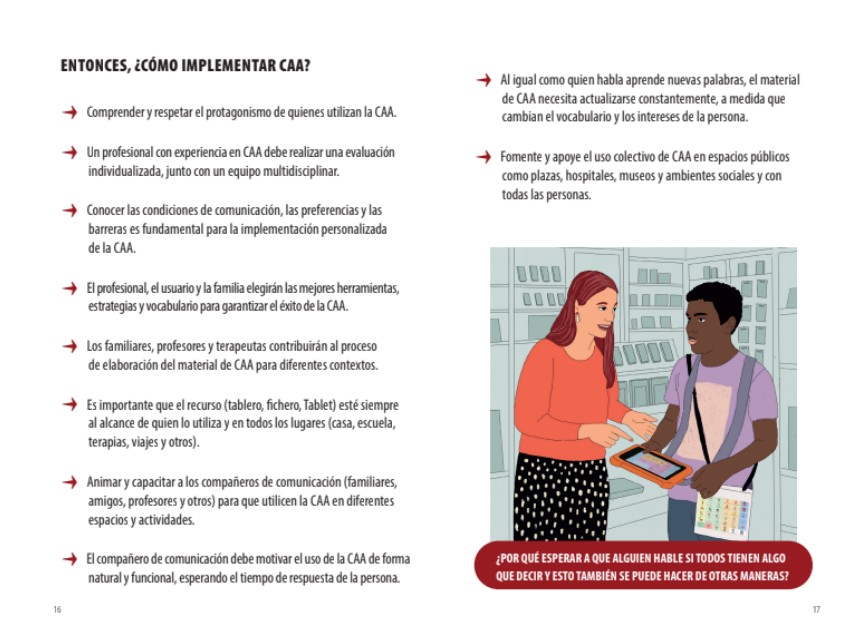
- Implementation Strategies: A significant portion of the guide is dedicated to "modeling" or "aided language stimulation." This is a technique where communication partners use the AAC system themselves while talking to the user, providing a visual and tactile map for language acquisition.
- Myth-Busting: The guide addresses common, yet harmful, misconceptions. For example, it provides evidence-based counterarguments to the idea that using an AAC device will prevent a child from developing verbal speech. Current clinical research consistently shows that AAC actually supports the development of language and, in many cases, encourages verbal output.
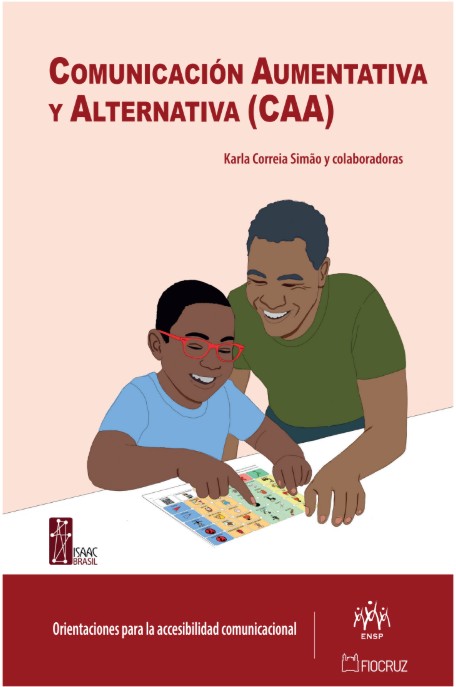
- User-Centered Design: A unique feature of this publication is the use of illustrations featuring actual AAC users. This decision serves to normalize the use of assistive technology, moving away from sterile, medicalized imagery and toward a social model of disability that emphasizes inclusion and identity.
Impact of Collaborative Research in Assistive Technology
The partnership between a public health foundation like Fiocruz and an international organization like ISAAC highlights a shift toward collaborative, interdisciplinary approaches to disability support. Historically, AAC resources were often siloed within expensive proprietary training programs or academic journals inaccessible to the average family.
By releasing this guide as a free, open-access digital document, the authors are challenging the "pay-to-play" model of professional development. This democratization of information has immediate implications for service delivery. Families in remote or under-resourced areas, who may not have immediate access to specialized speech-language pathology services, can use the guide as a self-advocacy and implementation tool.

Broader Implications for Healthcare Policy
The release of this guide coincides with a global trend toward digital health integration. As more communication systems shift toward tablet-based applications and AI-driven predictive text, the need for standardized pedagogical frameworks becomes more acute.
Experts suggest that the ripple effects of this guide will be felt in three primary areas:
- Clinical Practice: By standardizing the "how-to" of AAC, the guide allows for more consistent patient outcomes. When parents and therapists speak the same "language" of implementation, the child experiences a more cohesive learning environment.
- Policy Advocacy: The guide provides concrete arguments for families to present to government agencies and insurance providers when requesting funding for communication devices. By citing professional, collaborative guidelines, advocates are better equipped to secure necessary services.
- Community Awareness: By distributing the material through social media and digital networks, the project leaders are fostering a larger community of practice. This peer-to-peer support system is essential for sustaining long-term AAC use, as many users experience "device abandonment" when they feel isolated or lack technical support.
Future Directions
While the release of the Spanish-language guide is a major accomplishment, the stakeholders have indicated that this is only the first step. Plans for future iterations include adapting the content for mobile-first formats, creating video-based tutorials for those with visual or cognitive barriers, and establishing a feedback loop where users can contribute their own experiences to future editions.
The success of this collaboration serves as a blueprint for future international efforts in the assistive technology sector. By focusing on linguistic accessibility and multi-stakeholder participation, organizations can ensure that the tools for communication are available to all, regardless of geographic or economic constraints.
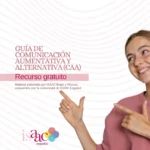
For those interested in accessing the materials, the ISAAC Spanish branch has provided direct download links and QR codes through their official digital channels on Instagram and Facebook. The availability of these resources in a portable, digital format ensures that they can be easily shared via messaging apps, a crucial factor in the rapid dissemination of information across the Spanish-speaking world. As the global community continues to prioritize inclusivity, resources such as the AAC Guide stand as essential pillars of an equitable society, where every individual, regardless of their speech capabilities, is afforded the opportunity to participate fully in the conversation.