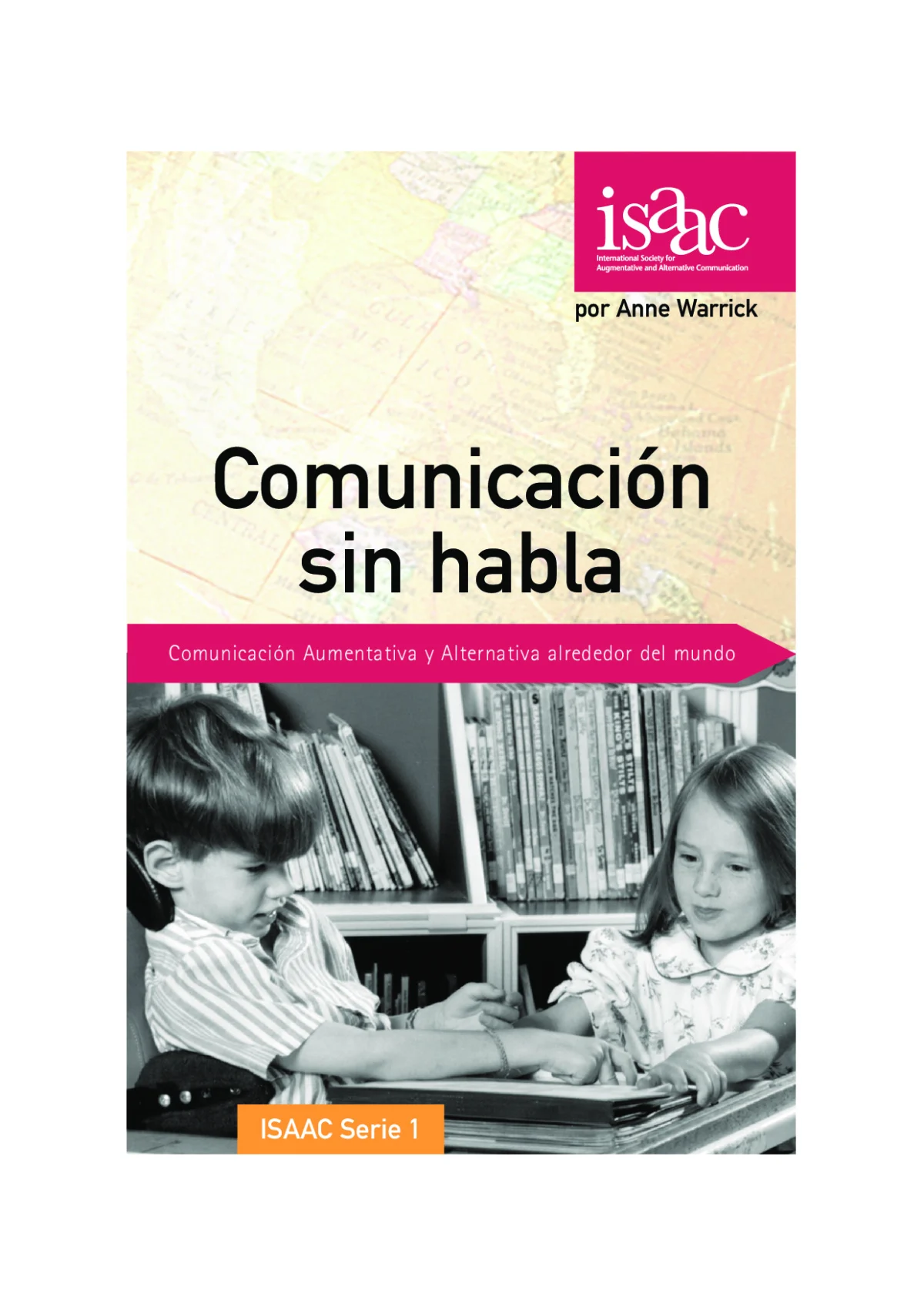
The recent observation of this day highlights a long-standing challenge in the disability sector: the "language gap" in specialized literature. For years, the majority of evidence-based research and clinical manuals in AAC were published exclusively in English, creating a barrier for Spanish-speaking clinicians, educators, and family members. Recent initiatives by global organizations and academic publishers are now actively working to bridge this divide, ensuring that standardized, evidence-based practices are accessible to a wider demographic.
Chronology of AAC Resource Development in Spanish
The evolution of AAC resources in the Spanish-speaking world has been marked by several key phases of expansion. Historically, the 1990s and early 2000s were characterized by a reliance on translated materials from North American or Northern European contexts, which often lacked the cultural adaptation necessary for effective implementation in diverse Spanish-speaking environments.
In the mid-2010s, the landscape began to shift as the International Society for Augmentative and Alternative Communication (ISAAC) intensified its efforts to localize professional development tools. By 2018, the push for regional certification and the growth of Spanish-speaking chapters of ISAAC led to a noticeable increase in translated peer-reviewed articles. The period between 2020 and 2024 represents a modern era of maturity, where practitioners in countries such as Chile, Argentina, Spain, and Mexico began collaborating on original, culturally grounded research, culminating in the translation of major reference texts like the comprehensive works of Stephen von Tetzchner and his colleagues.
Supporting Data and the Need for Accessibility
Data from the World Health Organization (WHO) and regional health ministries suggest that approximately 1% to 1.5% of the global population experiences significant communication difficulties that require some form of AAC. In Spanish-speaking nations, this demographic represents a significant portion of the population that remains underserved due to a lack of specialized training among local healthcare providers.
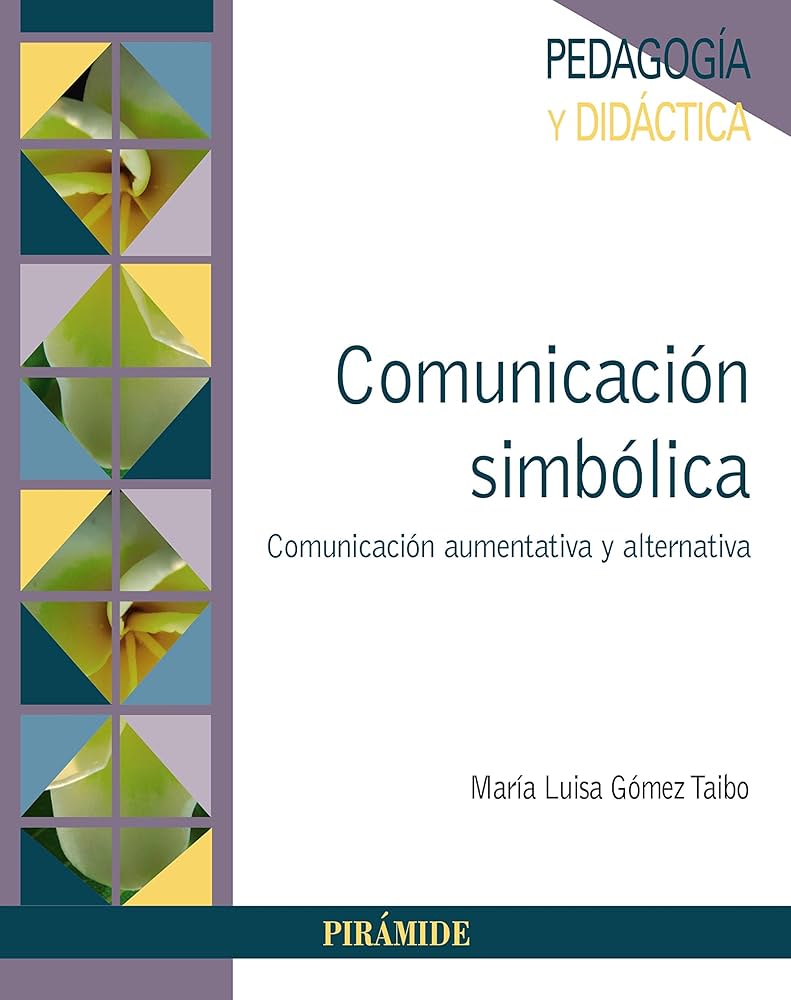
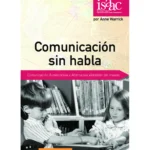
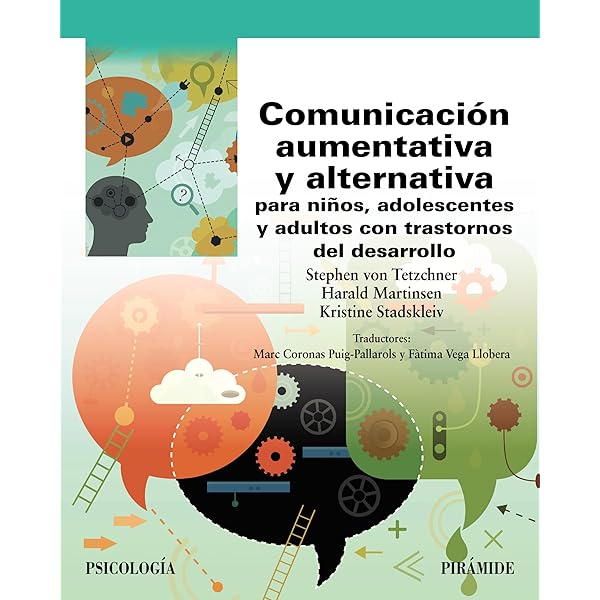
A recent survey of speech-language pathologists (SLPs) in Latin America indicated that while 85% of respondents feel confident in their clinical skills, nearly 60% report difficulty accessing up-to-date, evidence-based literature in Spanish. This creates a reliance on "clinical intuition" rather than current best practices, which can impact the quality of care. The availability of high-quality, translated texts—such as "Comunicación aumentativa y alternativa para niños, adolescentes y adultos con trastornos del desarrollo"—is statistically linked to improved outcomes in long-term intervention, as it provides a common framework for multi-disciplinary teams to follow.
The Role of Foundational Literature
The publication of "Comunicación aumentativa y alternativa para niños, adolescentes y adultos con trastornos del desarrollo" by Stephen von Tetzchner, Harald Martinsen, and Kristine Stadskleiv serves as a cornerstone for current practitioners. This text is widely regarded as a comprehensive guide that bridges the gap between theoretical neurological foundations and daily clinical application.
By detailing the complexities of language development in individuals with developmental disorders, the authors provide a roadmap for assessment and intervention that is both rigorous and adaptable. For the Spanish-speaking community, having this text available in their native language is more than a convenience; it is a professional mandate. It allows for a more consistent implementation of "una mirada integral" (a holistic view) regarding how communication supports are designed and integrated into the lives of users.

Official Perspectives and Institutional Efforts
Industry experts and representatives from global advocacy groups emphasize that the translation of these works is not merely a linguistic task, but a vital component of global health equity. According to statements from pedagogical researchers, the translation process involves careful adaptation to ensure that clinical terminology remains accurate while reflecting the socio-linguistic nuances of different Spanish-speaking regions.
"The goal is to move beyond the mere translation of words," notes a representative involved in the international dissemination of AAC materials. "It is about the translation of efficacy. When a teacher in a rural school in Latin America has access to the same evidence-based principles as a researcher in a major urban center, the standard of care for the child rises uniformly."
These organizations highlight that the inclusion of such materials in university curricula is the next logical step. By integrating these texts into undergraduate and graduate programs for speech therapy, special education, and psychology, institutions can ensure that the next generation of practitioners enters the field already equipped with the necessary theoretical framework.
Broader Impact and Future Implications
The long-term implications of improved access to AAC literature are far-reaching. Increased literacy in AAC best practices among educators and family members fosters a more inclusive environment for individuals who are non-speaking or have limited speech. When stakeholders are well-informed, they are better equipped to advocate for the rights of the disabled community, push for policy changes, and demand more robust support systems in public health and education.
Furthermore, the availability of these resources encourages the development of localized "communities of practice." These networks allow for the sharing of successes and failures, leading to a more nuanced understanding of how AAC technologies—ranging from low-tech communication boards to high-tech speech-generating devices—function within the specific cultural and economic realities of Spanish-speaking nations.
As the field continues to evolve, the emphasis is shifting toward "contextually relevant practices." This means that while global standards are essential, they must be interpreted through the lens of local resources, family dynamics, and educational frameworks. The recent influx of translated literature is the foundational layer upon which these contextually relevant, highly effective practices are built.
Conclusion
International Book Day has served as a timely reminder of the power of the written word to transform professional landscapes. For the AAC community, the current era of increased access to translated, evidence-based literature marks a significant victory in the ongoing struggle for communication rights. As professionals, educators, and families continue to explore these resources, the collective knowledge base grows, and with it, the capacity to provide meaningful support to those who rely on alternative communication methods.
The path forward involves continued collaboration between international research bodies and local practitioners. By prioritizing the accessibility of information, the field of AAC is moving toward a more equitable future—one where communication barriers are not just addressed with technology, but are overcome through a deep, informed, and shared understanding of human development and expression. The resources highlighted today are not just books; they are essential tools for ensuring that every individual, regardless of their ability to speak, has the opportunity to fully participate in their community and society at large.