While new technology demands immediate attention, traditional hazards—such as poor hot work controls, obstructed egress routes, and inadequate storage of combustible materials—continue to trigger preventable losses. To effectively mitigate these threats, experts argue that safety training must evolve from passive awareness to active, scenario-based education that highlights the catastrophic speed at which modern fire events can escalate.
The Lithium-Ion Battery Paradigm Shift
The integration of lithium-ion technology into the daily workflow has outpaced the development of safety protocols in many sectors. These batteries power everything from essential mobile computing devices and hand-held power tools to electric vehicles (EVs) and heavy machinery used in logistics. According to data from the National Fire Protection Association (NFPA), incidents involving Li-ion batteries have seen a steady upward trajectory since 2022, corresponding with the increased adoption of cordless equipment in commercial settings.
The fundamental hazard associated with these cells is "thermal runaway"—a condition where a cell enters an uncontrollable, self-heating state. Unlike traditional solid-fuel fires, a battery in thermal runaway can release toxic gases and reach temperatures exceeding 1,000 degrees Fahrenheit in seconds, often reigniting long after the initial flame is suppressed.
Stu Kemppainen, a leading safety expert and managing partner at Workplace Safety Specialists, emphasizes that the primary error facilities make is treating battery-powered equipment as benign consumer goods. "Facilities are treating lithium-ion battery-powered equipment like any other device, and they are not," Kemppainen noted. "Charging areas need to be selected carefully. Storage practices should be reviewed, and disposal procedures should be clear."

Chronology of Regulatory and Safety Evolution
The urgency surrounding this issue is not sudden but the result of a multi-year trend in battery chemistry and usage density.
- 2020–2022: The early post-pandemic shift toward decentralized work and remote-first operations led to an influx of high-capacity consumer electronics in residential and office environments.
- 2023–2024: Industrial and construction sectors began aggressively phasing out combustion-engine tools in favor of high-voltage battery-powered alternatives to meet corporate sustainability goals.
- 2025: Insurance providers began updating coverage requirements to include specific clauses regarding the storage of lithium-ion power sources, reflecting the heightened risk of multi-million-dollar property damage.
- 2026 (Current): Fire marshals and safety auditors have made battery management a top-tier item on inspection checklists, often citing facilities for lack of dedicated charging zones and inadequate suppression infrastructure.
Supporting Data and Risk Analysis
The implications of failing to manage these risks are significant. Analysis of fire safety audits conducted in early 2026 reveals that over 40% of facilities sampled lacked a comprehensive policy for the "end-of-life" disposal of damaged or swollen batteries. Furthermore, only 25% of surveyed warehouses reported having fire suppression systems specifically tested for the high-intensity, chemical-based fires characteristic of Li-ion failures.
The data indicates a clear correlation between the lack of formalized "hot work" training—traditionally defined as welding or cutting—and the failure to recognize that charging stations are, in effect, permanent ignition sources. By expanding the definition of hot work to include high-density battery charging, safety managers can enforce stricter oversight, including the installation of fire-rated partitions and the use of specialized battery containment cabinets.

Bridging the Gap: Effective Outreach Strategies
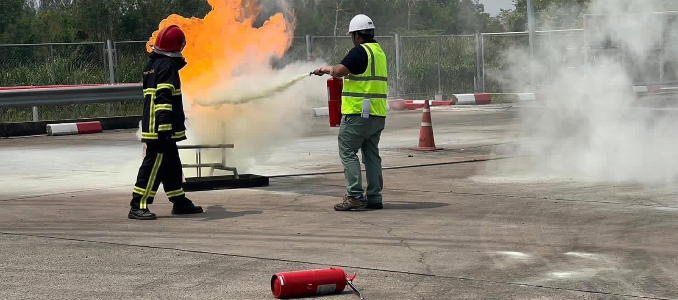
Safety professionals are finding that standard manuals and annual slideshows are ineffective in conveying the kinetic reality of a battery failure. Modern outreach is moving toward "demonstrative safety." This involves using video case studies or controlled simulations to show employees exactly how a damaged battery fails.
"Employees hear that lithium-ion batteries are dangerous, but many have never seen battery failure or how fast a fire can escalate," explains the safety consensus. By visualizing the hazard, employees are more likely to comply with internal reporting procedures for dropped or punctured devices, which are the most common precursors to thermal runaway.
Persistent Legacy Violations
While the focus on new technology is critical, the industry must not ignore the "low-hanging fruit" of fire prevention. Safety audits continue to find consistent failures in three primary areas:

- Improper Egress Management: The storage of inventory or equipment in corridors and near emergency exits remains one of the most cited violations in commercial inspections.
- Weak Hot Work Oversight: As maintenance crews handle more diverse equipment, the formal "hot work permit" system is often bypassed for quick, routine repairs, leading to ignition in areas containing combustible dust or vapors.
- Emergency Procedure Familiarity: Post-turnover training gaps have left many teams without a clear understanding of the chain of command during a fire event, specifically regarding the shutdown of automated systems.
Broader Implications for Workplace Culture
The transition toward a more robust safety culture requires moving away from a punitive "compliance-only" mindset. When safety is presented as a operational necessity rather than a bureaucratic hurdle, employee engagement increases.
For the remainder of 2026, the objective is to integrate fire safety into the standard operating procedures (SOPs) of every department. This means that an IT manager, a construction foreman, and a warehouse supervisor should all have a standardized checklist for their respective battery-related risks.
The broader implication is that fire safety is no longer a localized responsibility of the facilities department; it is a cross-functional requirement. As the density of power storage continues to increase in the workplace, the ability of an organization to detect, contain, and communicate a fire hazard will become a key indicator of its operational resilience.

Strategic Recommendations for Q4 2026
To wrap up the year successfully, organizations should conduct a "Fire Hazard Inventory." This process involves walking the facility floor with the specific intent of identifying every charging point, every battery-powered device, and every potential hot work site.
Once these points are identified, safety teams should:
- Audit Charging Infrastructure: Ensure all charging stations are located away from combustible materials and are not overloaded on circuit capacity.
- Implement Disposal Protocols: Establish a clear chain of custody for damaged or "at-end-of-life" batteries, utilizing certified hazardous waste disposal services.
- Enhance Training: Shift from text-based training to visual, scenario-based modules that demonstrate the specific hazards of the equipment used in that unique facility.
By addressing these priorities, safety experts can mitigate the risks associated with evolving technology while maintaining the foundational standards that keep workplaces secure. The path forward is not just about avoiding violations; it is about fostering an environment where every individual is equipped with the knowledge to identify a fire hazard before it escalates into a crisis. As we move into the final months of the year, the proactive management of these high-risk areas will define the success of safety programs and, more importantly, ensure the continuity and safety of the workforce.