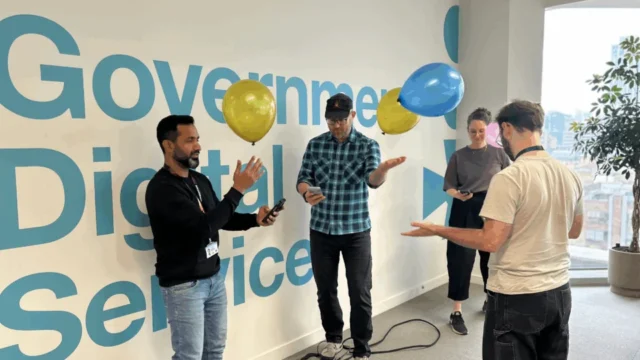
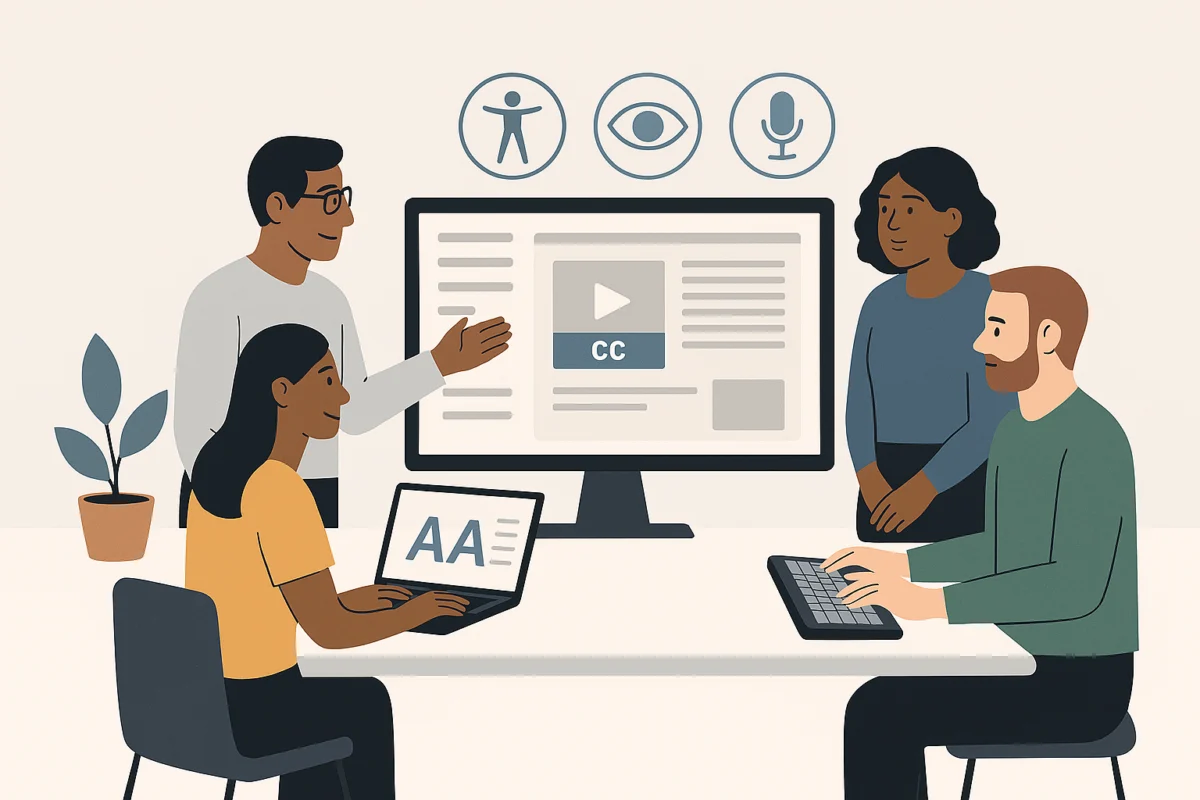
The week-long event is hosted by a coalition of government departments and arm’s length bodies, representing a unified effort to address the persistent barriers in the digital landscape. With over 16 million people in the UK reported to have a disability—nearly 24% of the population—the importance of digital accessibility has moved from a niche technical requirement to a fundamental pillar of public service delivery. The 2026 initiative seeks to build confidence and technical capability across various roles, including designers, developers, content creators, and policy makers, ensuring that accessibility is integrated into the service lifecycle from the outset rather than treated as an afterthought.
The Strategic Context of Digital Accessibility in the UK
The timing of Digital Accessibility Week 2026 is significant, occurring as the public sector navigates evolving international standards and domestic legal requirements. Under the Public Sector Bodies (Websites and Mobile Applications) (No. 2) Accessibility Regulations 2018, all public sector websites and apps are legally required to meet specific accessibility standards, primarily the Web Content Accessibility Guidelines (WCAG) 2.1 at Level AA. However, as technology advances, so do the benchmarks for inclusion.
Recent data from the "WebAIM Million" report—an annual accessibility evaluation of the top one million homepages—indicates that over 90% of websites still feature detectable WCAG failures. Common issues include low-contrast text, missing alternative text for images, and empty links. Within the UK government, the Government Digital Service (GDS) has been instrumental in driving compliance, yet the shift toward WCAG 2.2 and the upcoming WCAG 3.0 presents new challenges and opportunities for innovation. Digital Accessibility Week serves as a critical forum for discussing these transitions and sharing best practices to mitigate common pitfalls.
Chronology of Events: A Multi-Disciplinary Approach
The 2026 program is structured to provide a logical progression from foundational concepts to specialized technical applications. The sessions are designed to be interactive, encouraging civil servants to engage with experts and peers across different departments.
Monday, May 18: Foundations and Future Standards
The week commences with a focus on core principles and the evolving regulatory landscape. The Home Office will lead an "Introduction to Accessibility" from 10:00 am to 1:00 pm, providing a non-technical primer on why inclusivity is a necessity for modern governance. This session is designed to sensitize staff to the diverse needs of the public, from those with visual impairments to users with motor difficulties.
In the afternoon, the Department for Work and Pensions (DWP) will host an overview of assistive software, including screen readers, speech-to-text tools, and screen magnifiers. Understanding these tools is vital for developers who must ensure their code is compatible with the technology users rely on daily. The day concludes with a high-level briefing from the Government Digital Service (GDS) regarding WCAG 3.0. This session is particularly critical for strategic planners, as WCAG 3.0 represents a significant departure from previous versions, moving toward a more flexible, outcome-based model of accessibility.
Tuesday, May 19: Design and User Experience
Tuesday shifts the focus toward the "Design" aspect of the 2026 theme. A session by the DWP on "HTML and Accessibility" will demystify the relationship between semantic markup and screen reader navigation, proving that accessible design begins with clean, standard-compliant code.
Simultaneously, His Majesty’s Revenue and Customs (HMRC) will address cognitive accessibility through a session titled "Designing with Autistic People." This highlights a growing area of focus within the public sector: ensuring that digital services are not just technically accessible but also cognitively inclusive. By reducing visual clutter and providing clear, predictable navigation, services become more usable for everyone, including neurodivergent individuals and those under high stress.
Later in the day, the Ministry of Justice (MoJ) will explore the link between accessibility and innovation. This session argues that designing for the "margins" of the user base often leads to breakthroughs that improve the experience for the "mainstream," citing examples like closed captioning and voice commands which originated as accessibility features.
Wednesday, May 20: Testing, Gaming, and Empowerment
The third day emphasizes practical application and "lived experience." HMRC and Lloyds Bank will co-host a session on how accessible design empowers families and individuals in the financial sector, illustrating the real-world impact of digital inclusion on economic participation.
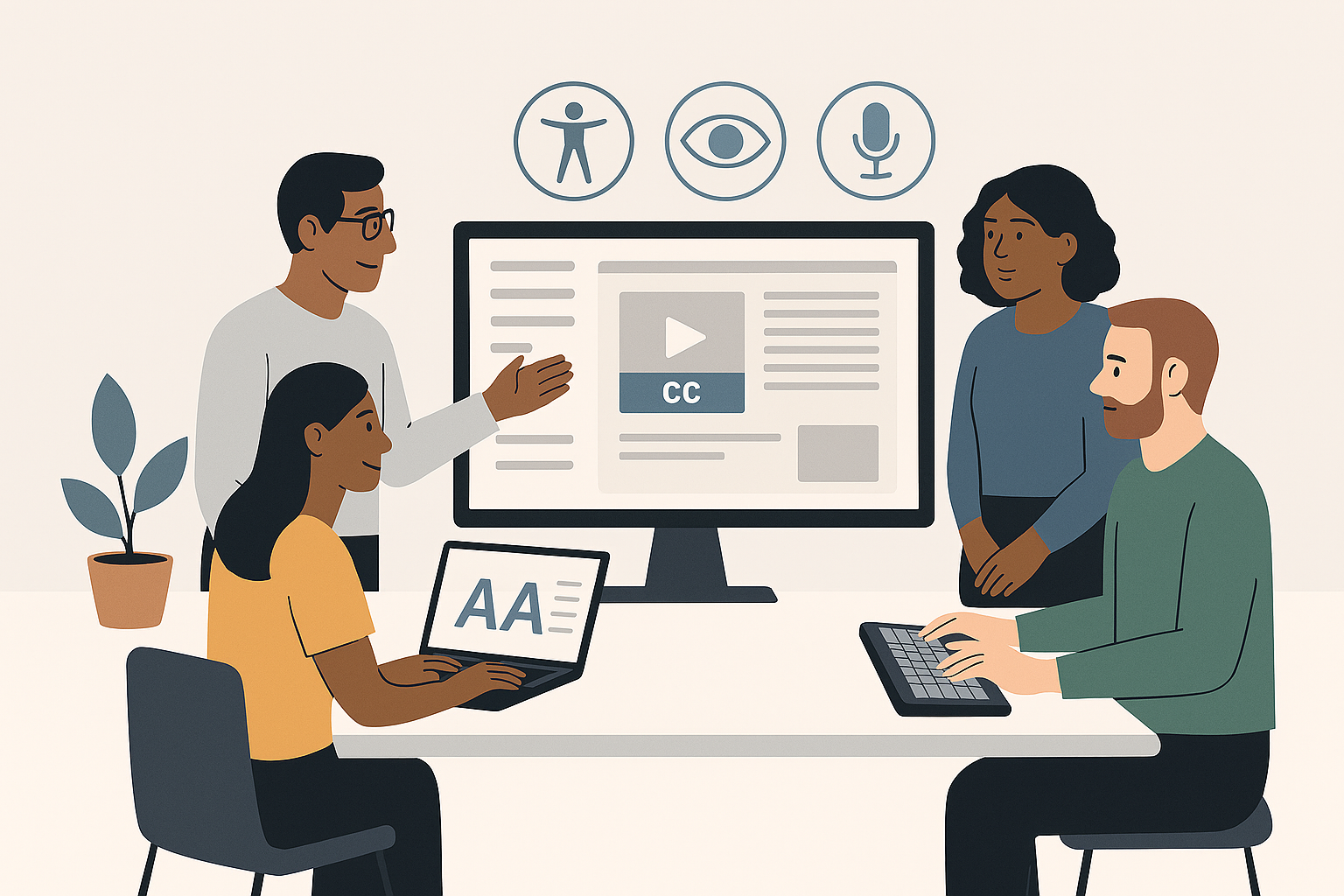
An innovative session by the Department for Environment, Food & Rural Affairs (Defra) will look at "Accessibility in Gaming." The gaming industry is often at the forefront of adaptive technology, such as one-handed controllers and advanced haptic feedback. Defra’s session will demonstrate how these innovations can be adapted for government services, particularly in creating more engaging and accessible data visualizations.
The afternoon focuses on the "Testing" phase of development. The Student Loans Company (SLC) and HMRC will provide beginner-friendly guides on using automated tools like WAVE and performing manual keyboard testing. This is a response to data showing that many accessibility barriers could be caught early through simple, routine checks by non-specialists.
Thursday, May 21: Compliance, Enforcement, and Professional Growth
The final day, coinciding with Global Accessibility Awareness Day, focuses on the "Deliver" aspect of the theme. The DWP will provide practical training on creating accessible PowerPoint templates, a task relevant to nearly every civil servant.
A pivotal session by HMRC will discuss the "quiet magic" of accessibility regulations. This segment will analyze how the 2018 regulations are enforced and how practitioners can build a business case for accessibility within their organizations. The Department for Education (DfE) will also share insights into the "Accessibility Assessor" role during service assessments, providing a rare look behind the scenes at how government services are vetted for compliance before they go live.
The week concludes with a session on professional development, featuring a Digital Accessibility Specialist apprentice from the DfE. This reflects the government’s commitment to building a sustainable pipeline of talent in the accessibility field.
Official Perspectives and Broader Impact
The collaborative nature of Digital Accessibility Week 2026 reflects a broader shift in government culture. According to accessibility leads within the GDS, the goal is to move beyond "compliance checklists" toward a culture of "inclusive by design." By bringing together diverse departments—from the Ministry of Justice to the Student Loans Company—the event breaks down silos and allows for the sharing of resources and user research findings.
Industry experts note that the UK’s proactive stance on digital accessibility has significant economic implications. Digital exclusion is estimated to cost the UK economy billions in lost productivity and increased support costs. By making services like tax filing, benefit applications, and educational resources accessible, the government reduces the need for expensive manual interventions, such as call center support and paper-based processing.
Furthermore, the involvement of private sector partners like Lloyds Bank indicates a recognition that the "digital citizen" does not exist in a vacuum. Users move between government services and private platforms; therefore, a consistent approach to accessibility across all sectors is essential for a seamless user experience.
Conclusion: A Continuous Commitment
Digital Accessibility Week 2026 is not merely a series of webinars but a call to action for the UK public sector. As the timetable indicates, the sessions cover the entire spectrum of digital delivery, from the initial HTML markup to the final service assessment.
The requirement for participants to use work email addresses for registration underscores the professional nature of the event and the intent to foster a dedicated community of practice within the civil service. While the live sessions offer immediate learning, the long-term impact will be measured by the improved accessibility of the services launched in the months and years following the event.
As the UK government continues its digital transformation, initiatives like Digital Accessibility Week ensure that "digital-first" does not become "digital-only" for those with disabilities. By focusing on "designing, developing and delivering," the 2026 event reinforces the principle that a truly modern government is one that leaves no citizen behind in the digital age. Professionals across the public sector are encouraged to engage with the live timetable and contribute to a more inclusive digital future.