Landmark Legal Victory in Police Communication Case
The NAD’s legal division, directed by Brittany Shrader, Esq., recently secured a $1.2 million settlement in a high-profile case involving a Deaf woman and her 11-year-old twin daughters. The incident, which centered on a failure by law enforcement to provide effective communication during a police interaction, underscores persistent systemic barriers faced by the Deaf community when engaging with public safety agencies.
The incident occurred when a police officer, who was wearing a mask, failed to provide a qualified interpreter. In an attempt to facilitate communication, the officer coerced the woman’s 11-year-old daughters to act as intermediaries—a practice that is widely condemned by advocates and is often in violation of the Americans with Disabilities Act (ADA). The situation resulted in the mother’s arrest, an experience described as profoundly traumatic for the family.
Legal experts note that this settlement is not merely a financial resolution but a critical precedent for law enforcement protocols nationwide. By holding the agency accountable, the NAD is reinforcing the mandate that police departments must utilize professional, qualified interpreters rather than relying on minors or family members, whose presence in such scenarios can be legally compromised and emotionally damaging. This case adds to the NAD’s active portfolio of federal litigation, including its ongoing efforts to ensure accessible communication from the highest levels of the United States government.
Strategic Planning for the 58th Biennial Conference
Preparations for the 58th biennial NAD conference, scheduled to take place this summer in San Francisco, are reaching a critical juncture. Assistant to the Interim CEO, Nancy Bloch, reported that the event’s dedicated hotel room block is already 60% occupied, reflecting high anticipation for the organization’s flagship gathering.
The conference serves as the primary hub for the NAD’s policy development and democratic governance. Attendees will participate in a series of business meetings, workshops, and networking events designed to shape the organization’s agenda for the coming years. Organizers have set a registration deadline of May 20, emphasizing the importance of early commitment to ensure adequate logistics for the expected influx of delegates. The conference will feature a diverse array of programming, including the “Blueprint on Excellence in Deaf Education” (BEDE), a presentation led by Educational Policy Consultant Dr. Marla Hatrak.
The BEDE project represents a comprehensive effort to restructure and elevate the national standard of Deaf education. By centralizing best practices and identifying systemic failures, the initiative aims to provide a scalable model for school districts across the country. Dr. Hatrak’s workshop is expected to serve as a pivotal moment for stakeholders to engage with these proposals and contribute to a unified national vision for academic accessibility.
Youth Development and the Pipeline of Leadership
A central pillar of the NAD’s current operational strategy is the empowerment of the next generation of Deaf leadership. The organization’s Youth Programs, led by director Claudia Giordano, have seen a revitalization of three key initiatives: the Youth Leadership Camp (YLC), the Jr. NAD Pages program, and the biennial College Bowl.
The YLC will host 64 campers in the Pacific Northwest, focusing on leadership, teamwork, and outdoor engagement. This immersion experience is designed to foster autonomy and critical thinking among Deaf youth. Complementing this is the Jr. NAD Pages program, which integrates students aged 13 to 17 into the formal operations of the NAD conference. By observing the Council of Representatives and assisting with workshop facilitation, these students gain firsthand experience in the mechanisms of organizational governance.
Finally, the College Bowl remains a centerpiece of academic competition, pitting teams from various universities against one another in a rigorous test of general knowledge and critical thinking. These initiatives are strategically aligned to build a robust pipeline of leaders who are prepared to advocate for Deaf rights in professional and civic spheres.
Organizational Transition and Administrative Continuity
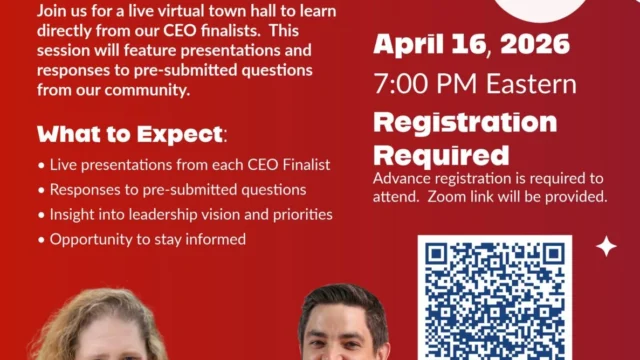
As the NAD moves toward the summer conference, Dr. Bobbie Beth Scoggins is overseeing a complex dual-track administrative process. Her role as Interim CEO involves two primary responsibilities: maintaining the momentum of the organization’s ongoing legal and educational initiatives, and facilitating the transition to permanent leadership.
The NAD Board of Directors has been actively conducting a CEO search, a process supported by Dr. Scoggins. Upon the appointment of a new CEO, Dr. Scoggins is committed to a transitional support period ending July 31, 2026. This handover period is intended to ensure continuity in the organization’s multi-year projects, such as the BEDE initiative and ongoing civil rights litigation.
Analysis: The Impact of Institutional Advocacy
The recent success of the $1.2 million settlement, paired with the focus on educational reform and youth empowerment, suggests a multi-pronged approach to social change. The NAD’s ability to leverage the legal system to influence police behavior demonstrates the utility of high-stakes litigation as a deterrent against civil rights violations. Simultaneously, the focus on the BEDE project indicates a shift toward proactive policy creation, moving beyond reactive litigation to address the structural root causes of educational inequity.
The logistical success of the upcoming conference—evidenced by the rapid booking of accommodations—indicates strong organizational health and a high degree of member engagement. As the NAD transitions to new executive leadership, the continuity of these programs will be vital. The organization’s emphasis on the Jr. NAD Pages and YLC programs ensures that the advocacy efforts of today are backed by a prepared cadre of future leaders, securing the longevity of the NAD’s mission.
Conclusion and Future Outlook
The NAD remains at the forefront of the national conversation regarding disability rights, communication accessibility, and educational reform. With the 58th biennial conference approaching, the organization is poised to solidify its priorities for the next two years. The convergence of legal, educational, and youth-oriented initiatives reflects a mature organization that is effectively balancing immediate crises with long-term strategic goals. As stakeholders and members prepare for the San Francisco assembly, the focus remains on sustaining the momentum of recent legal wins and ensuring a seamless transition of leadership to guide the association into its next chapter.