The Strategic Importance of Information Architecture in Government
For organizations just beginning to prioritize these standards, the consensus among GDS leads is that advocacy and transparency are essential. Sally Creasey, Senior Information Architect, emphasizes that the development of sitemaps and knowledge organization systems must involve stakeholders and end-users from the outset. Without this collaborative approach, there is a significant risk that the final product will fail to meet the diverse needs of the population, particularly those who rely on assistive technologies to navigate the web.
The Three Pillars of Accessible Information Design
To provide a framework for this work, Rik Williams, Senior Information Architect at GDS, identifies three core pillars of information architecture: ontology, taxonomy, and choreography. Each pillar serves a distinct function in ensuring that digital services remain usable for all citizens.
- Ontology: This refers to the definition of concepts and the relationships between them. An accessible ontology uses clear, consistent language that assists users with cognitive disabilities or those who may lack specific domain knowledge. By standardizing what information "is," IAs reduce the mental effort required to understand a service.
- Taxonomy: This involves the organization and classification of information. Inclusive taxonomies prioritize predictable and logical structures. For users of screen readers or those with mobility impairments, a well-organized taxonomy allows for efficient navigation and reduces the likelihood of becoming lost in complex hierarchies.
- Choreography: This describes the flow of interaction across different channels and contexts. Accessible choreography ensures that the sequence of actions is logical, providing clear focus indicators for keyboard users and understandable calls to action.
By addressing these three areas, IAs create systems that are not only compliant with legal standards but are "deeply usable." The GDS experts maintain that deep usability is the foundation of true accessibility.
Educational Frameworks and the POUR Principles
A significant portion of the GDS update focuses on the education of multidisciplinary teams, including designers, developers, and content creators. Becky Ashley suggests that the "POUR" principles—Perceivable, Operable, Understandable, and Robust—provide a universal language that can bridge the gap between different technical disciplines. These principles, established by the World Wide Web Consortium (W3C), serve as the benchmark for the Web Content Accessibility Guidelines (WCAG).
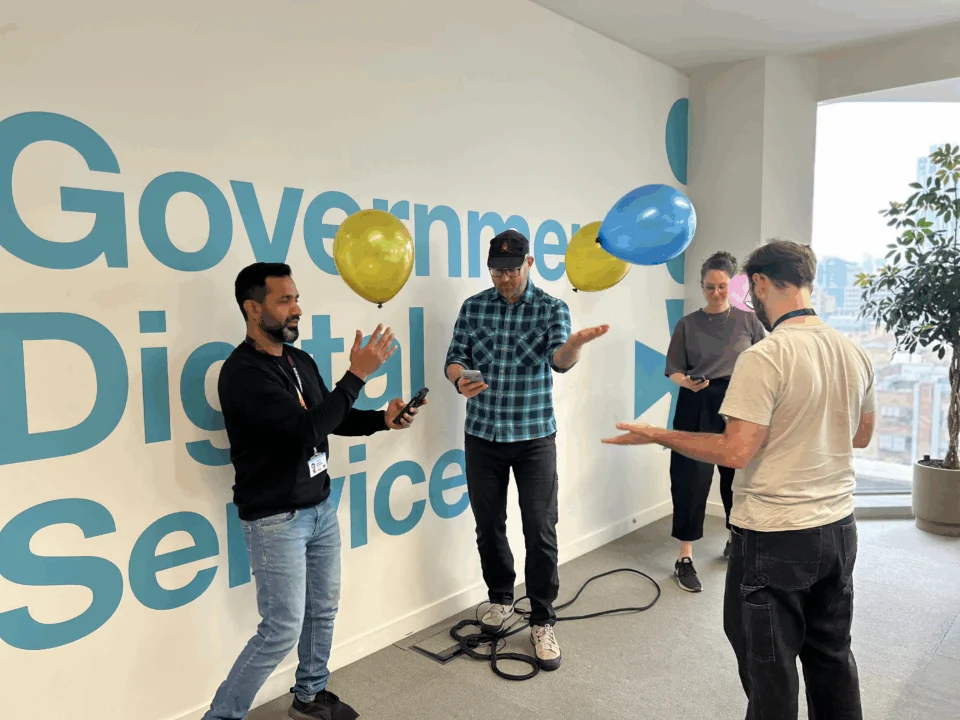
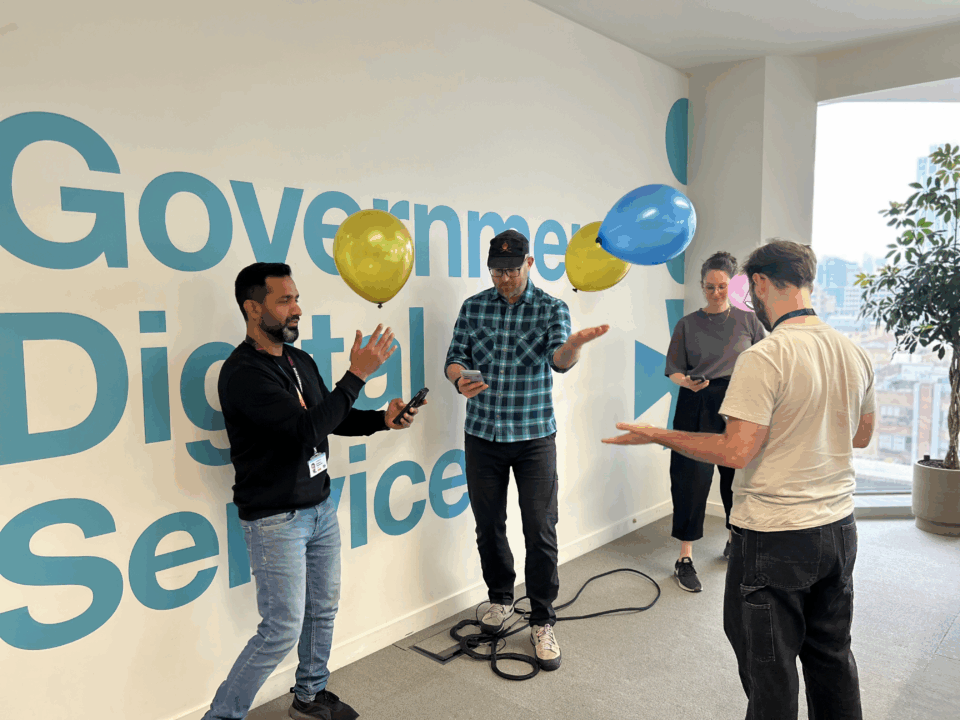
In addition to theoretical frameworks, GDS utilizes practical simulations to build empathy within design teams. These include the use of vision-impairing glasses, motor-control limiting gloves, and "empathy balloons"—a game designed to simulate the challenges faced by users with cognitive or dexterity issues. While Rik Williams notes that simulations have limitations and should not replace direct testing with disabled users, they are valuable tools for uncovering structural flaws in information architecture that might otherwise go unnoticed.
Furthermore, the role of the Content Management System (CMS) is highlighted as a critical area for accessibility. Sally Creasey points out that the "backend" experience—the tools used by civil servants to publish and tag content—must be as accessible as the "frontend" website. If a staff member with a disability cannot navigate the taxonomy of a CMS, the entire publishing workflow becomes an exclusionary process.
Identifying and Avoiding Common Accessibility Pitfalls
The GDS experts identify several recurring "pitfalls" that can compromise the accessibility of a digital service. One of the most prevalent issues is the tendency for organizations to design information structures around internal departmental needs rather than the needs of the user. This often leads to the use of bureaucratic jargon and the creation of overlapping sections that confuse the public.
Another significant risk is the "paradox of choice," where users are presented with too many similar options, leading to increased mental load. This is particularly detrimental for users with cognitive impairments or those experiencing high levels of situational stress. To mitigate this, IAs recommend the use of "controlled vocabularies"—standardized sets of terms that ensure consistency across a platform.
Becky Ashley also warns against the "finished product" fallacy. Information architecture is not a static task but a continuous process of iteration. As user needs evolve and new data emerges, information flows must remain flexible. The construction of a continuous feedback loop between user research and data architecture is seen as the only way to ensure long-term accessibility.
Methodological Tools: From Card Sorting to Object-Oriented Design
In terms of practical implementation, GDS employs several specialized techniques to validate their architectural designs:
- Noun and Verb Foraging: Analyzing the language users naturally use to describe their needs, which then informs labeling and navigation.
- Card Sorting and Tree Testing: Research methods used to see how users categorize information and where they expect to find specific services.
- Progressive Disclosure: A design technique that reveals information only as it is needed, preventing users from becoming overwhelmed by data density.
- Object-Oriented Design (OOD): Rik Williams advocates for OOD as a way to create consistent information environments built around tangible "objects." This approach ensures that text structures are predictable and can be more easily adapted for emerging technologies, such as voice assistants or AI-driven interfaces.
Data and Socio-Economic Implications of Digital Inclusion
The focus on accessibility is supported by significant demographic and economic data. According to the Department for Work and Pensions (DWP), there are approximately 16 million people in the United Kingdom living with a disability, representing roughly 24% of the population. Furthermore, research by the British Assistive Technology Association indicates that digital exclusion can cost the UK economy billions in lost productivity and increased support costs.
The "Purple Pound"—the spending power of disabled households—is estimated at £274 billion per year in the UK. For government services, the stakes are even higher than commercial loss; digital barriers can prevent citizens from accessing healthcare, social security, and legal rights. The 2018 Public Sector Bodies (Websites and Mobile Applications) Accessibility Regulations legally mandate that all public sector digital platforms meet WCAG 2.1 (and increasingly 2.2) Level AA standards. The insights shared by the GDS information architects provide a roadmap for meeting these legal obligations while improving the experience for the entire population.
Historical Context and the Evolution of GDS Standards
The Government Digital Service was established in 2011 with the mandate to make government "digital by default." Over the past decade, the focus has shifted from mere digitization to a sophisticated understanding of inclusive design. The "Unlocking Accessibility" series represents the latest stage in this evolution, moving beyond simple checklists toward a holistic view of how information is perceived and processed.
Historically, web accessibility focused heavily on the technical aspects of HTML and ARIA (Accessible Rich Internet Applications) labels. While these remains vital, the current GDS approach recognizes that if the underlying information architecture is flawed, no amount of technical coding can make a service truly accessible. This shift reflects a broader trend in the global design community toward "cognitive accessibility," recognizing that clarity of thought and structure is as important as screen-reader compatibility.
Future Outlook: AI and the Universality of the Web
Looking ahead, the GDS experts highlight the role of emerging technologies, such as Artificial Intelligence, in shaping the future of information architecture. Becky Ashley references Tim Berners-Lee’s principle of "universality," suggesting that as AI becomes more integrated into government services, metadata will play a crucial role in serving relevant content to users based on their specific access needs and preferred channels.
The integration of AI offers the potential for highly personalized user experiences, where information structures can adapt in real-time to a user’s cognitive load or technical environment. However, this also presents new risks regarding algorithmic bias and the complexity of data structures. The ongoing work of the GDS information architects serves as a safeguard, ensuring that as the technology evolves, the fundamental principles of clarity, consistency, and inclusion remain at the heart of the UK’s digital infrastructure.
By prioritizing the "deliberate user-centered design" of information, GDS aims to set a global standard for how governments can serve all citizens, regardless of their physical or cognitive abilities. The "Unlocking Accessibility" series continues to serve as a vital resource for practitioners looking to bridge the gap between complex data and human understanding.