
The Nuance of Retrocochlear vs. Cochlear Hearing Loss
To fully grasp retrocochlear hearing loss, it’s essential to differentiate it from cochlear hearing loss. Cochlear hearing loss arises from damage or dysfunction within the cochlea, the spiral-shaped organ in the inner ear responsible for converting mechanical vibrations into electrical signals. This damage can stem from various factors, including aging, noise exposure, genetic predispositions, or certain medical conditions. In contrast, retrocochlear hearing loss occurs after the cochlea, affecting the auditory nerve or the initial stages of the auditory pathway in the brainstem.
The implications of this anatomical distinction are significant. While cochlear hearing loss primarily results in a reduced volume of sound perception and difficulty in noisy environments, retrocochlear hearing loss can lead to a more profound distortion of auditory signals. This means that even if sounds are perceived as loud enough, the clarity of speech can be severely diminished, making it challenging to comprehend words and conversations.
A comparative analysis highlights these differences:
| Feature | Cochlear Hearing Loss | Retrocochlear Hearing Loss |
|---|---|---|
| Location of Problem | Inner ear (cochlea) | Auditory nerve or auditory pathways beyond the inner ear |
| Impact on Sound | Difficulty in picking up sound clearly | Sound signal does not travel clearly to the brain |
| Speech Understanding | Difficult, especially in noise | Difficult, often more so than expected for the degree of hearing loss |
| Common Signs | Muffled sounds, difficulty with certain frequencies, noise intolerance | Unilateral hearing loss, poor speech understanding, tinnitus, dizziness, balance problems, facial numbness |
| Potential Causes | Inner ear damage (aging, noise, genetics) | Tumors, neurological conditions (e.g., MS), neurodegenerative disorders, vascular issues |
| Diagnostic Approach | Standard hearing tests | Hearing tests plus specialized tests (e.g., ABR, MRI) |
| Treatment Focus | Varies by degree of hearing loss | Varies by underlying cause |
Unveiling the Symptoms of Retrocochlear Hearing Loss
The symptoms of retrocochlear hearing loss can be varied and often subtle in their initial stages, making early detection a challenge. Patients may report a range of experiences, from a gradual decline in hearing clarity to more acute neurological manifestations.

Key symptoms that warrant medical attention include:
- Unilateral or Asymmetric Hearing Loss: A noticeable difference in hearing ability between the two ears is a significant red flag. This can manifest as one ear being substantially worse than the other.
- Disproportionate Difficulty Understanding Speech: This is a hallmark symptom. Individuals may perceive sounds as being loud enough but struggle to decipher words, particularly in environments with background noise. Conversations can feel garbled or indistinct.
- Tinnitus: The perception of ringing, buzzing, or other sounds in the ear or head, which is not caused by an external source, can be a symptom.
- Dizziness or Vertigo: Since the auditory nerve also plays a role in balance, issues affecting it can lead to sensations of spinning, unsteadiness, or general imbalance.
- Balance Problems: Difficulty maintaining equilibrium, especially during movement or in challenging environments, can also be indicative of retrocochlear involvement.
- Facial Numbness or Weakness: In cases where a retrocochlear issue, such as a tumor, is pressing on nearby nerves, individuals might experience sensory changes or motor deficits in the face.
- Sudden Hearing Changes: Any abrupt onset of hearing loss, particularly in one ear, requires immediate medical evaluation.
The subjective experience of retrocochlear hearing loss is often described as a disconnect between hearing sound and understanding it. For instance, a person might hear the television at a normal volume but struggle to comprehend the dialogue, or they might find themselves constantly asking for repetition in conversations. This disparity underscores the neural processing deficit inherent in the condition.
Exploring the Causes of Retrocochlear Hearing Loss
The origins of retrocochlear hearing loss are diverse, extending beyond the commonly perceived notion of a tumor. While growths on the auditory nerve are a significant factor, a range of neurological and vascular conditions can also disrupt the delicate neural pathways.
1. Tumors:
The most well-known cause is a vestibular schwannoma, also known as an acoustic neuroma. This is a noncancerous (benign) tumor that arises from the Schwann cells of the vestibulocochlear nerve, which controls hearing and balance. As the tumor grows, it can compress the auditory nerve, leading to progressive hearing loss, tinnitus, and balance issues. Other types of tumors, though less common, can also affect the auditory pathways.
2. Multiple Sclerosis (MS):
This chronic autoimmune disease affects the central nervous system by damaging the myelin sheath that protects nerve fibers. When MS lesions occur along the auditory pathways in the brainstem or cranial nerves, it can disrupt the transmission of auditory signals, resulting in retrocochlear hearing loss. The unpredictable nature of MS can lead to fluctuating or intermittent auditory symptoms.
3. Neurodegenerative Disorders:
A spectrum of neurodegenerative conditions can impact the auditory system. Auditory Neuropathy Spectrum Disorder (ANSD) is a prime example where the inner ear may function normally, but the auditory nerve and brainstem pathways struggle to process the signals. This can result from damage to the synapses between hair cells and the auditory nerve or abnormalities in the nerve fibers themselves. Hereditary neuropathies can also affect neural transmission, impairing signal processing even when sound detection is intact.

4. Other Neurological or Vascular Conditions:
Conditions affecting blood vessels, such as stroke or transient ischemic attacks (TIAs) in the brainstem, can impair blood flow to the auditory pathways, leading to sudden or gradual hearing loss. Inflammatory conditions or infections that target the nervous system can also damage the auditory nerve or central auditory structures.
5. Rare Causes:
Less frequently, retrocochlear hearing loss can be attributed to trauma to the head or ear, certain infections affecting the nervous system, or congenital malformations of the auditory pathways.
The Diagnostic Journey: Identifying Retrocochlear Impairments
Diagnosing retrocochlear hearing loss is a multi-faceted process that goes beyond standard hearing tests. It requires a comprehensive evaluation by audiologists and medical specialists to pinpoint the precise location and cause of the auditory dysfunction.
The diagnostic pathway typically involves:
-
Comprehensive Audiological Evaluation:
- Pure-Tone Audiometry: This foundational test measures hearing thresholds across different frequencies to determine the degree and configuration of hearing loss.
- Speech Audiometry: Tests designed to assess speech recognition thresholds and word discrimination scores are critical. A significant discrepancy between pure-tone thresholds and speech understanding scores (i.e., much poorer speech understanding than expected for the level of hearing) is a strong indicator of a retrocochlear issue.
- Tympanometry: This test assesses the function of the middle ear and the mobility of the eardrum, helping to rule out middle ear problems.
- Acoustic Reflexes: Measuring the involuntary contraction of middle ear muscles in response to loud sounds can provide clues about the integrity of the auditory nerve. Absent or abnormal acoustic reflexes can suggest a retrocochlear lesion.
-
Auditory Brainstem Response (ABR) Testing:
The ABR is a neurophysiological test that measures the electrical activity generated by the auditory nerve and brainstem in response to auditory stimuli. Electrodes are placed on the scalp to record brainwave responses. The ABR provides objective information about the latency and amplitude of these responses, which can reveal delays or abnormalities indicative of damage to the auditory nerve or brainstem pathways. This test is particularly valuable for identifying retrocochlear pathologies, including tumors and neurological conditions.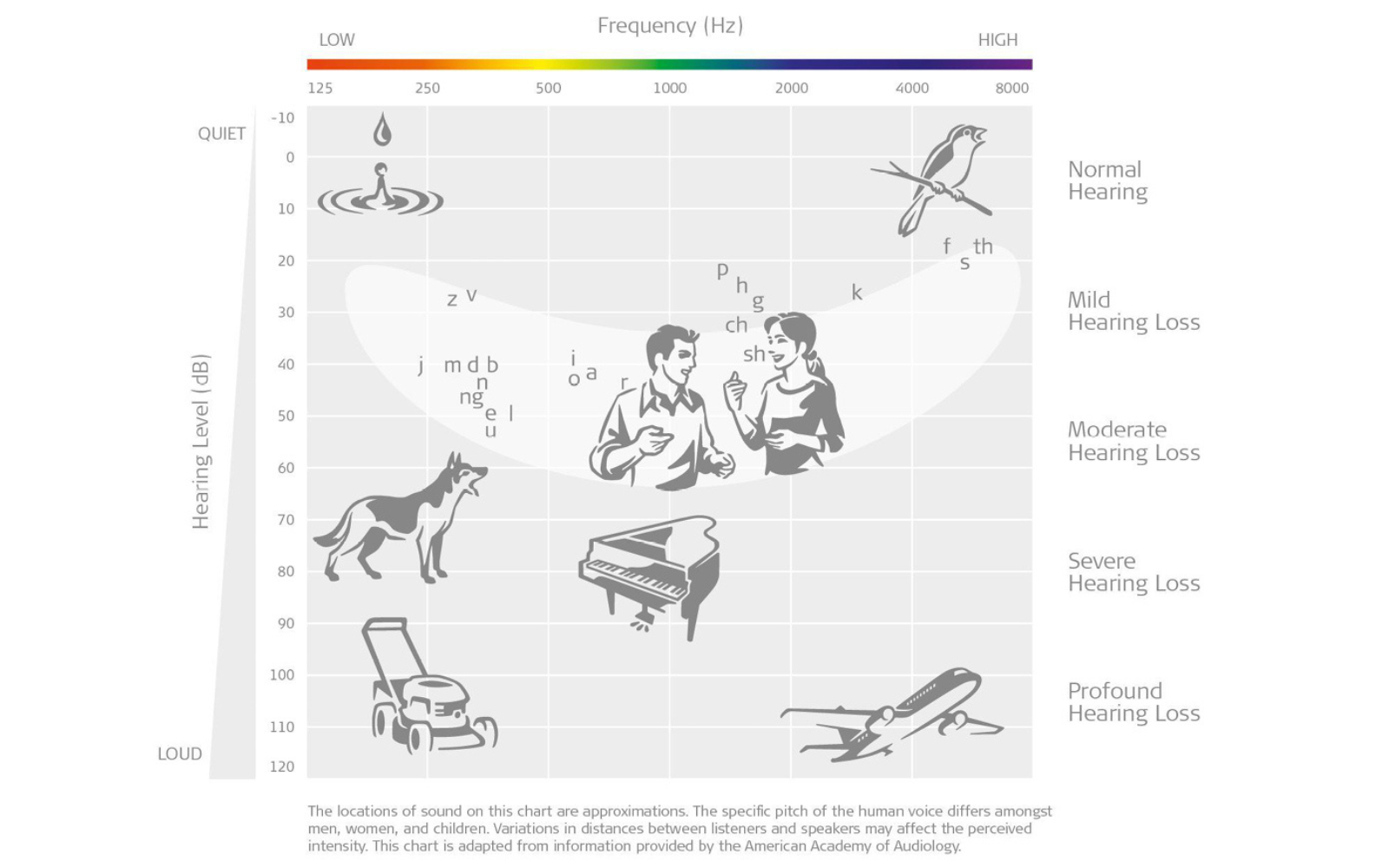
-
Imaging Studies:
- Magnetic Resonance Imaging (MRI): If a retrocochlear cause is suspected, especially a tumor or inflammatory condition, an MRI scan is often the gold standard. Using a strong magnetic field and radio waves, MRI can produce detailed images of the brain and cranial nerves, allowing for precise visualization of the auditory nerve, brainstem, and surrounding structures. Contrast agents may be used to enhance the visibility of tumors or other abnormalities.
- Computed Tomography (CT) Scan: While MRI is preferred for soft tissue detail, a CT scan may be used in certain situations, such as when MRI is contraindicated or to assess bony structures.
-
Other Specialized Tests:
Depending on the suspected cause, further tests might be employed. These can include tests for specific neurological conditions, blood work to rule out inflammatory or infectious causes, and vestibular testing to assess balance function.
Interpreting Audiograms in the Context of Retrocochlear Loss
An audiogram is a graphical representation of hearing test results, plotting hearing thresholds against frequency. While an audiogram is an indispensable tool, it’s crucial to understand its limitations in diagnosing retrocochlear hearing loss.
There is no single audiogram pattern that definitively points to a retrocochlear problem. However, certain findings can raise suspicion and prompt further investigation:
- Asymmetric Hearing Loss: A significant difference in hearing thresholds between the two ears is a key indicator. This is often seen with unilateral vestibular schwannomas.
- Poor Word Recognition Scores: As mentioned earlier, a marked disparity between the pure-tone average and the ability to understand spoken words is a strong clue. For example, someone might have relatively good hearing thresholds but struggle to understand even simple words.
- Sloping Hearing Loss: While common in age-related hearing loss (presbycusis) and noise-induced hearing loss, a rapidly sloping high-frequency hearing loss can sometimes be associated with retrocochlear issues.
It is imperative that audiogram findings are interpreted within the broader clinical context, alongside patient history, reported symptoms, and results from specialized tests like ABR and imaging. An audiogram alone cannot confirm a retrocochlear diagnosis; it serves as a vital piece of the diagnostic puzzle.
Treatment Strategies for Retrocochlear Hearing Loss
The approach to treating retrocochlear hearing loss is highly individualized and hinges on the underlying cause, the severity of the hearing loss, and the patient’s overall health and functional needs. There is no universal treatment, and management often involves a multidisciplinary team.
1. Management of Underlying Causes:
-
Tumors:
- Observation: Small, asymptomatic vestibular schwannomas may be monitored with regular MRI scans to track growth.
- Surgery: Surgical removal of the tumor is a common treatment, especially for larger or symptomatic tumors. The goal is to preserve hearing and facial nerve function where possible, though this is not always achievable.
- Radiation Therapy: Stereotactic radiosurgery (e.g., Gamma Knife) can be used to control tumor growth, particularly for tumors where surgery carries higher risks.
-
Multiple Sclerosis and Other Neurological Conditions:
Treatment focuses on managing the underlying neurological disease. This may involve disease-modifying therapies, symptom management, and rehabilitation. Auditory rehabilitation strategies are essential to help individuals cope with hearing difficulties. -
Neurodegenerative Disorders:
Management often involves a combination of therapies aimed at slowing disease progression (where possible) and optimizing functional abilities. Auditory rehabilitation, assistive listening devices, and communication strategies are crucial.
2. Hearing Rehabilitation and Assistive Devices:
- Hearing Aids: For individuals with milder degrees of retrocochlear hearing loss, hearing aids may provide some benefit by amplifying sound. However, their effectiveness can be limited if the neural processing is significantly impaired. Careful selection and fitting by an audiologist are essential.
- Assistive Listening Devices (ALDs): Devices such as FM systems, personal amplifiers, and alerting devices can help improve communication in specific situations.
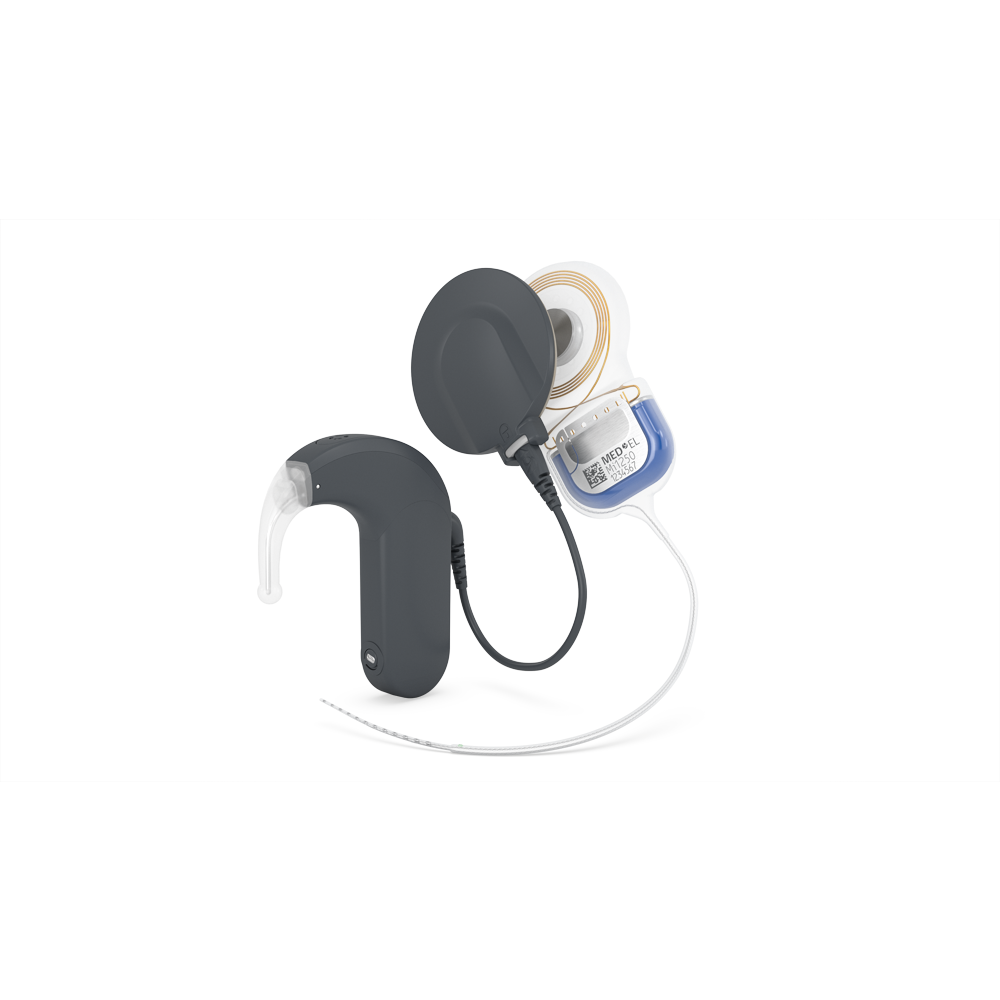
- Cochlear Implants: In cases of severe to profound sensorineural hearing loss, particularly when hearing aids offer little benefit, cochlear implants may be considered. These devices bypass damaged parts of the inner ear and directly stimulate the auditory nerve, providing a sense of sound. The candidacy for cochlear implantation in retrocochlear hearing loss is carefully evaluated based on the integrity of the auditory nerve and the specific characteristics of the hearing loss. MED-EL offers a range of implantable hearing solutions, including cochlear implants, which are designed to restore hearing by bypassing damaged cochlear structures and stimulating the auditory nerve. The decision to consider such advanced solutions is made within a comprehensive medical evaluation, taking into account individual hearing levels, speech understanding capabilities, and the overall health of the auditory nerve.
3. Medical and Surgical Interventions:

- Medications: In cases of inflammatory causes, medications to reduce inflammation may be prescribed.
- Surgical Reconstruction: In rare instances, surgical interventions might be considered to address specific structural issues affecting the auditory pathways.
When to Seek Professional Help
Recognizing the signs of retrocochlear hearing loss and seeking timely medical attention is paramount. Individuals should consult a doctor or hearing specialist if they experience any of the following:
- Sudden onset of hearing loss, especially in one ear.
- Persistent tinnitus that is bothersome or worsening.
- Noticeable asymmetry in hearing between the ears.
- Significant difficulty understanding speech, particularly in noisy environments.
- Episodes of dizziness, vertigo, or balance problems.
- Any new or unexplained neurological symptoms, such as facial numbness or weakness.
Early assessment by audiologists, ENT specialists, neurotologists, or neurologists can lead to a prompt diagnosis, allowing for appropriate management and potentially mitigating further progression of the condition.
Retrocochlear hearing loss represents a significant challenge in auditory perception, affecting the intricate neural network that connects our ears to our brains. While the journey from diagnosis to treatment can be complex, advancements in audiology, neuroimaging, and implantable hearing technologies offer hope for improved outcomes and enhanced quality of life for those affected. A proactive approach to hearing health, coupled with thorough medical evaluation when symptoms arise, is the cornerstone of effectively managing this profound condition.