The Chronology of Early Intervention
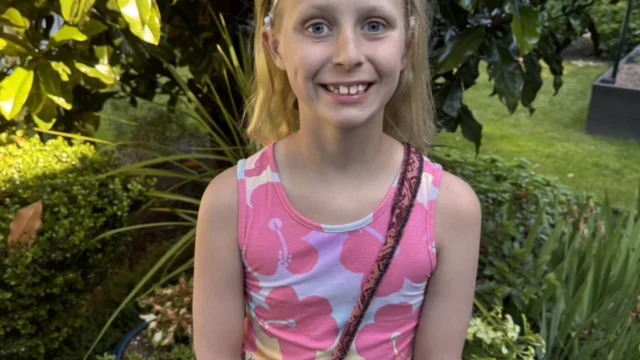
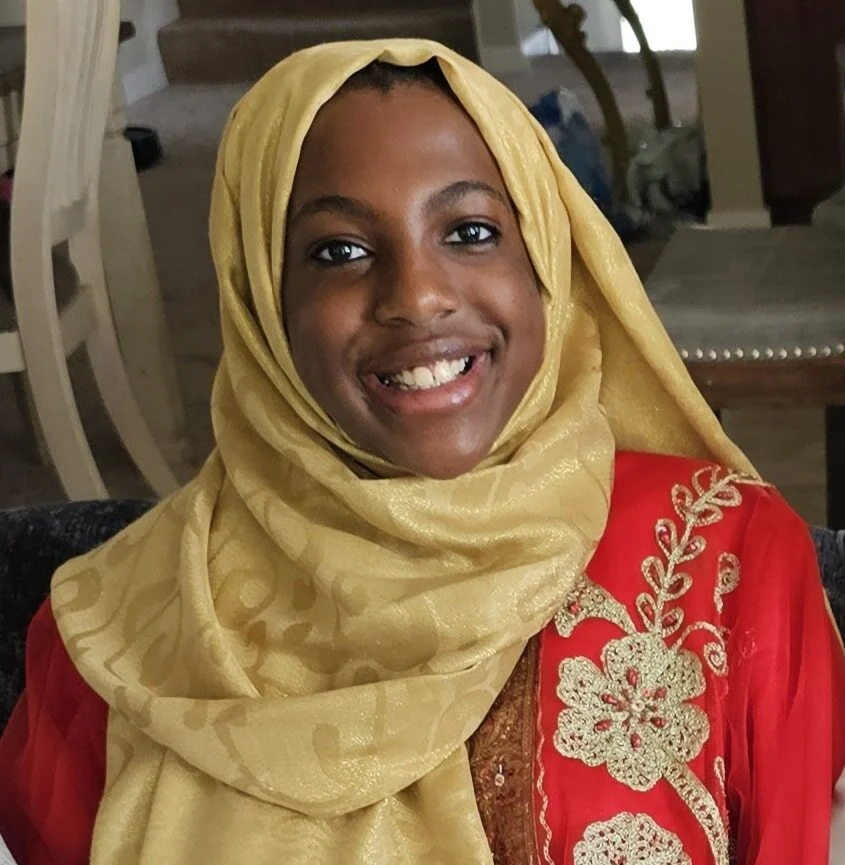
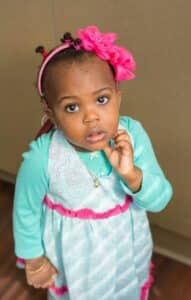
The diagnosis of sensorineural hearing loss in infancy often presents a complex roadmap for families. In Amalia’s case, the timeline was accelerated to prioritize neuroplasticity—the brain’s ability to reorganize itself by forming new neural connections. By securing cochlear implants at ten months, her family capitalized on the period when the auditory cortex is most receptive to sensory input.
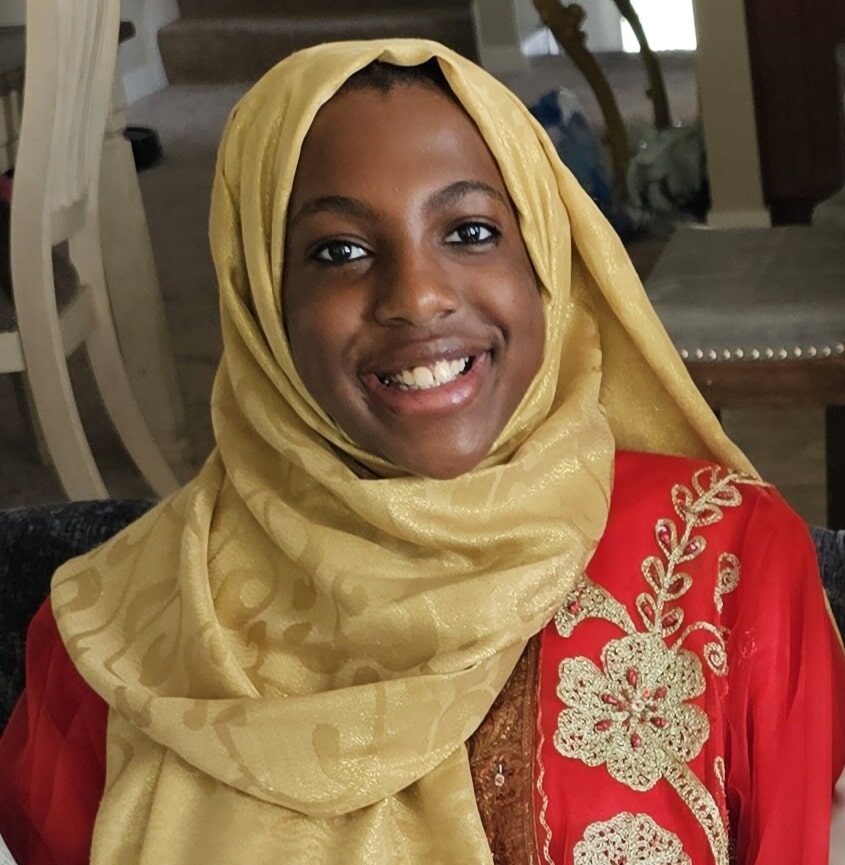
Following the surgical implantation, the Faraji family engaged with the Listen and Talk model, which integrates clinical therapy with a blended classroom environment. This phase, occurring during the critical Birth to Three developmental window, provided the necessary linguistic scaffolding. Unlike traditional educational settings, this approach requires an intensive partnership between audiologists, speech-language pathologists, and the home environment. The objective was not merely to provide access to sound, but to ensure that Amalia could derive meaning from auditory signals, a distinction that is vital for achieving parity with hearing peers in primary school.
Auditory Habilitation and Developmental Data
The clinical success of Amalia’s development is supported by broader industry statistics regarding children who receive early intervention for hearing loss. According to the Joint Committee on Infant Hearing (JCIH), children who are identified as deaf or hard of hearing and receive intervention before six months of age demonstrate significantly higher language, cognitive, and social-emotional outcomes than those identified later.
Data suggests that the gap in vocabulary development between children with hearing loss and their hearing peers can be closed when intensive LSL programs are implemented consistently. In a blended classroom—a setting where children with hearing loss learn alongside hearing peers—the social integration facilitates "incidental learning." This is the process by which children acquire language not through direct instruction, but through the natural observation of peers. For Amalia, this environment provided the necessary social context to develop the pragmatics of conversation, which are often overlooked in purely clinical settings. The transition from the structured environment of the Birth to Three program to a general education classroom is the primary benchmark for success in this field, and Amalia’s sustained academic performance serves as a testament to the durability of that foundation.
Expanding Beyond the Classroom: Holistic Development
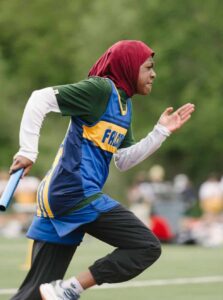
While academic achievement is a primary metric, the holistic development of a child with hearing loss includes physical and social extracurricular engagement. Amalia’s participation in swimming, basketball, and track and field is significant from a developmental psychology perspective. Athletics require rapid auditory processing, spatial awareness, and the ability to interpret non-verbal cues in a high-noise environment.
For a student utilizing cochlear implants, a gymnasium or a swimming pool—environments with high reverberation and acoustic interference—presents a unique set of challenges. Amalia’s ability to navigate these spaces effectively indicates that her auditory training extended well beyond the classroom. It suggests a high level of comfort with her assistive technology and the self-advocacy skills required to manage her auditory environment. This level of participation is critical for building self-esteem and peer inclusion, ensuring that a diagnosis of hearing loss does not become a limiting factor in a student’s identity or social aspirations.
Implications for Public Policy and Healthcare
The success of programs like Listen and Talk carries broader implications for public health policy, particularly regarding the funding of early intervention services. The economic argument for such programs is robust: the cost of providing specialized auditory habilitation during early childhood is significantly lower than the long-term societal costs of special education and diminished workforce participation associated with untreated hearing loss.
Furthermore, the model of "blended classrooms" challenges the traditional segregation of students with disabilities. By integrating these students into mainstream environments, society fosters a more inclusive culture while simultaneously providing the specific support needed for success. Advocates argue that the "no child limited by hearing loss" vision is not merely an idealistic goal but a measurable outcome achievable through the scaling of effective early intervention frameworks.
The Role of Family and Community Support
A central theme in Amalia’s story is the collaborative effort between the institution and her family. The effectiveness of any auditory program is heavily reliant on the "home carry-over" factor. Parents must become co-therapists, reinforcing language development throughout daily routines. The Listen and Talk alumni network functions as a support system, offering a roadmap for families navigating the initial stages of a diagnosis.
The current Alumni Family Giving Campaign, which supports the ongoing operations of these specialized programs, represents the intersection of community support and sustainability. By creating a cycle where alumni give back to the institution that facilitated their development, these organizations ensure that future generations receive the same level of care. This philanthropic model is essential, as public funding often leaves gaps in the availability of highly specialized, intensive therapy programs.
Future Outlook: Sustaining Success
As Amalia continues her education and looks toward her future, the focus shifts from foundational skills to the maintenance of independence. For young adults with hearing loss, the transition into higher education and the workforce requires a different set of tools, including sophisticated self-advocacy and the ability to leverage workplace accommodations.
The trajectory of an alumna like Amalia provides a roadmap for clinicians and educators. It demonstrates that with high-quality, early, and consistent intervention, the disparity between children with hearing loss and their hearing peers can be effectively bridged. However, this success is contingent upon the continuous evolution of technology and the sustained commitment of specialized programs. The challenge for the future lies in expanding access to these services, ensuring that geographic or socioeconomic status does not dictate the developmental outcomes of children born with hearing loss.
Ultimately, the story of Amalia Faraji is more than a personal success narrative; it is a validation of the clinical approach to early hearing loss. By prioritizing language development through active listening and integration, the program has enabled her to pursue her potential without the constraints that might have otherwise been imposed by her condition. As she moves forward, she remains a compelling example of how early investment in a child’s development creates a ripple effect, impacting not just the individual, but the community at large. The ongoing support of the Alumni Family Giving Campaign remains a critical pillar in this mission, securing the resources necessary to continue transforming the lives of children and families facing similar challenges.